Male Tummy Tuck Before and After: Surgery and Recovery
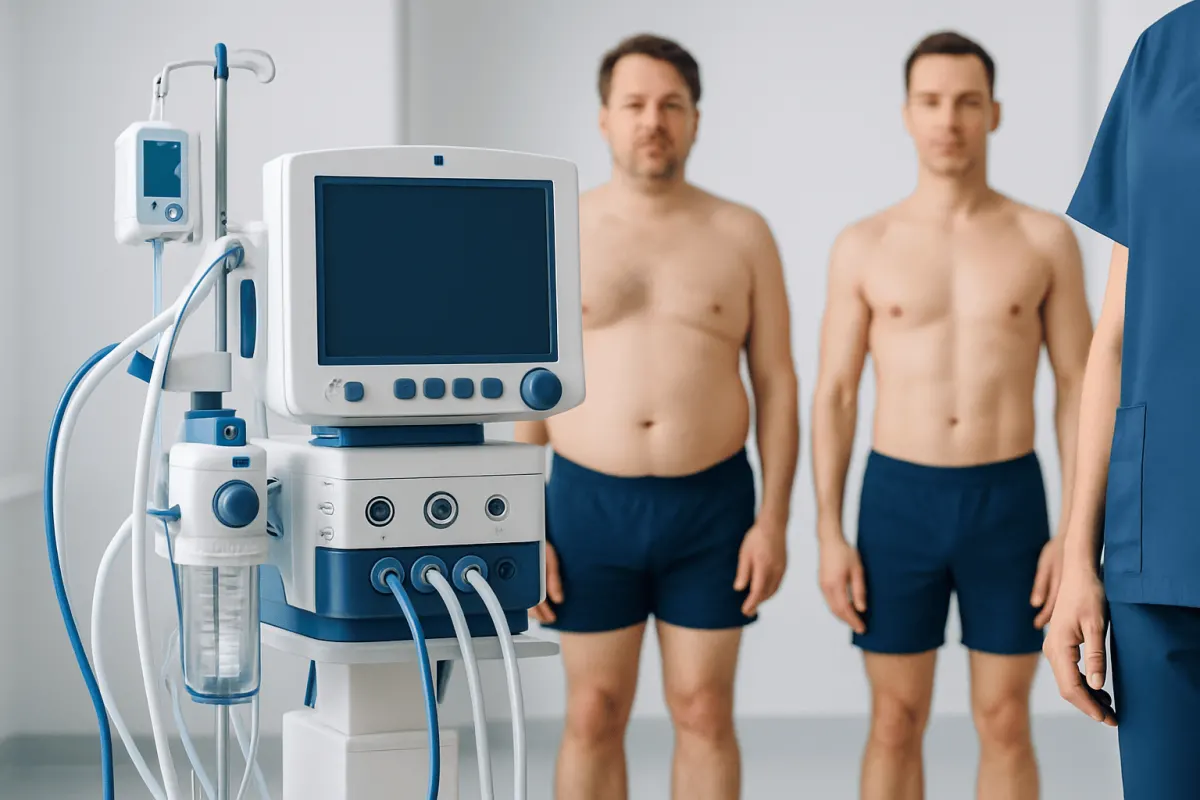
Male tummy tuck before and after changes are usually most noticeable in the lower abdomen, where loose skin, stubborn fat, and weakened abdominal tissues can create a persistent bulge. The procedure can improve contour, but the final result develops gradually as swelling settles and scars mature.
Male Tummy Tuck Before and After: What Changes to Expect
A male tummy tuck, medically called abdominoplasty, is surgery to improve the contour of the abdomen by removing loose skin and, when needed, tightening the layer of tissue over the abdominal muscles. Before and after changes may include a flatter lower abdomen, less overhanging skin, a smoother waistline, and clothing that fits more comfortably. Results vary with skin quality, body shape, amount of tissue removed, healing, and lifestyle habits.
Early after-surgery photographs can be misleading because swelling, bruising, incision redness, and a temporarily tight appearance are expected. The abdomen generally begins to look more settled over the first several weeks, but a more representative result often takes several months. Scars also continue to fade and soften gradually, although a tummy tuck leaves a permanent scar that is usually placed low enough to be covered by underwear or swimwear.
A tummy tuck is a contouring procedure rather than a treatment for obesity. It may be performed alone or alongside liposuction when localized fat is contributing to abdominal fullness. A consultation with a board-qualified plastic surgeon is important to determine whether abdominoplasty is appropriate and what type of result is realistic for the individual.
How a Male Tummy Tuck Works
Male abdominal contours are influenced by fat distribution, skin elasticity, posture, muscle tone, and the strength of the connective tissue layer that covers the abdominal muscles. Weight changes, aging, genetics, and previous abdominal surgery can leave skin stretched or create a lower abdominal fullness that does not improve fully with diet and exercise.
During abdominoplasty, the surgeon makes an incision low on the abdomen, removes a planned amount of skin and sometimes fat, and redrapes the remaining skin for a smoother contour. If the inner supporting tissues have become loose or separated, they may be repaired with sutures. The belly button may need to be repositioned in a full tummy tuck so it remains naturally located after the skin is tightened.
Some men are better suited to a mini tummy tuck, which focuses on limited excess skin below the navel and generally uses a shorter incision. Others benefit from liposuction in selected areas, but liposuction alone does not remove loose skin or repair weakened abdominal tissues. The surgical plan should be based on an in-person examination, health history, and the person’s goals.
Who Is a Good Candidate for Male Abdominoplasty?
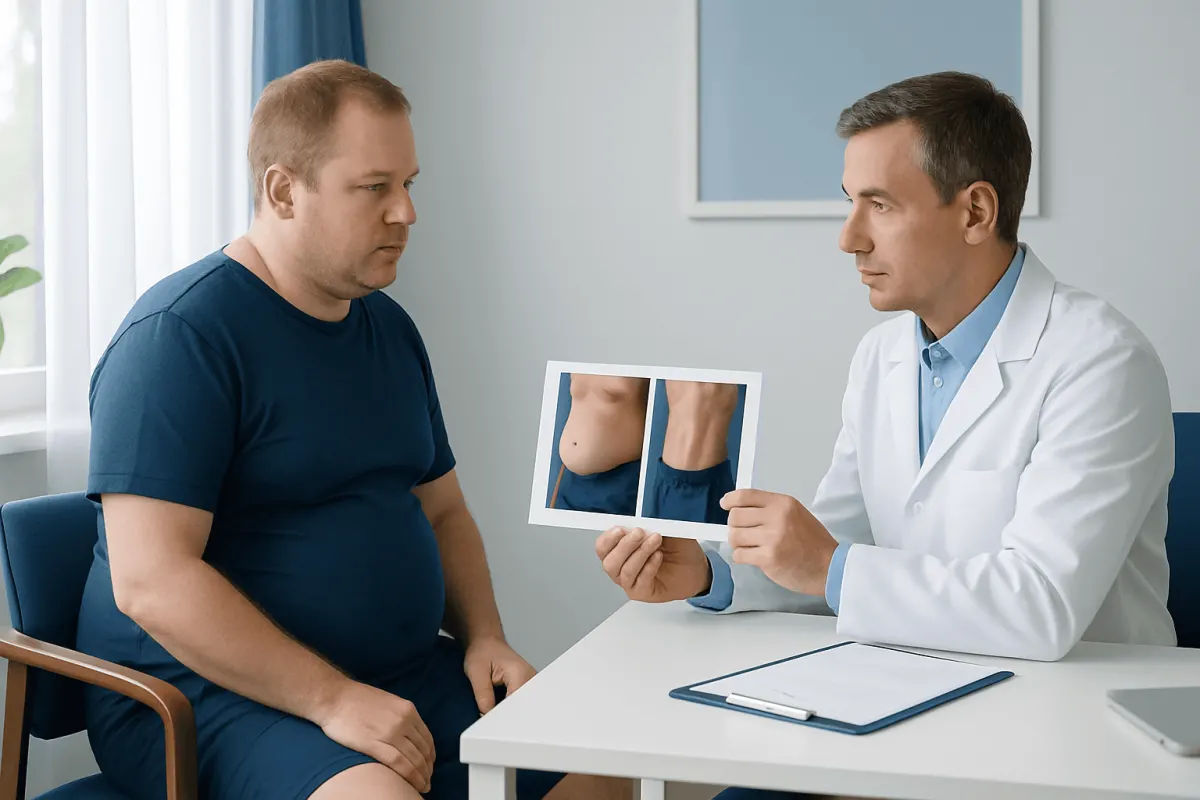
Potential candidates are generally adults in good overall health who have loose abdominal skin, a persistent lower abdominal bulge, or weakened abdominal tissues despite stable weight and regular activity. Men often seek the procedure after substantial weight loss, changes related to age, or body-shape concerns that have not responded to lifestyle measures.
A stable weight is especially important. Further substantial weight loss after surgery can create new skin laxity, while weight gain can affect the contour achieved. Men considering bariatric treatment or actively working toward major weight loss may be advised to reach a stable weight first. Those with a history of major weight change may also benefit from discussion of broader body Brow Lift Surgery: What to Expect Before and After" class="ahp-ilk">lift surgery options when loose skin affects more than the abdomen.
Smoking and nicotine-containing products can impair blood flow and increase wound-healing problems. Certain medical conditions, medications, prior operations, clotting history, and poorly controlled diabetes may also change the safety assessment. A surgeon will review these factors, discuss expectations, and may advise medical clearance or changes before proceeding.
Male Tummy Tuck Procedure Steps
Before surgery, the surgeon reviews the planned incision, discusses expected scars, takes photographs when appropriate, and provides instructions about medications, fasting, nicotine avoidance, and arranging support at home. Abdominoplasty is usually performed under general anesthesia in an operating room or accredited surgical setting.
Once anesthesia is administered, the surgeon makes the planned incision and carefully lifts the abdominal skin and fatty tissue. If needed, the underlying fascial layer is tightened. Excess skin is removed, the remaining skin is brought downward, and the incision is closed. In a full tummy tuck, a new opening is created for the belly button. Liposuction may be added to refine contour in selected areas.
Temporary drains may be used to remove fluid, although some surgical techniques avoid them. Dressings and a compression garment may be applied to support the area and help manage swelling. The surgical team provides individualized instructions for walking, showering, wound care, compression, pain control, and follow-up visits.
Male Tummy Tuck Recovery Timeline
In the first few days, soreness, tightness, swelling, bruising, and limited comfort when standing upright are common. Patients are usually encouraged to take short, gentle walks soon after surgery because movement supports circulation and helps reduce the risk of blood clots. Help at home is commonly needed at first, particularly for meals, transport, and daily tasks.
During the first one to two weeks, activity remains limited and follow-up appointments allow the surgical team to assess healing and manage drains if they were placed. Many people can return to desk-based work after roughly two to four weeks, depending on the extent of surgery, pain control, and the physical demands of their work. Jobs requiring lifting, bending, or strenuous movement may require more time away.
Over the next several weeks, swelling gradually improves and walking becomes easier. Exercise, heavy lifting, and abdominal training should only resume when the surgeon says it is safe; this is often several weeks after surgery and may be later for intense activity. Final contour and scar maturation are gradual processes that can continue for months. Maintaining a stable weight, attending follow-up appointments, and following scar-care advice can support recovery.
Benefits, Limitations, and Possible Risks
The main potential benefit of a male tummy tuck is improved abdominal contour when excess skin or tissue laxity is present. It can make the abdomen appear smoother and firmer, reduce skin folds, and improve comfort in clothing. For some people after significant weight loss, removal of redundant skin may also make hygiene and physical activity easier.
However, surgery cannot create the same appearance as naturally low body fat and developed abdominal muscles in every person. It does not prevent future weight gain, remove internal visceral fat around the organs, or replace healthy nutrition, strength training, and cardiovascular activity. People should discuss whether their goals are contour improvement, skin removal, muscle repair, fat reduction, or a combination of these.
All surgery carries risk. Possible complications include bleeding, infection, fluid accumulation called seroma, delayed wound healing, skin or tissue loss, blood clots, changes in skin sensation, uneven contour, unsatisfactory scarring, need for revision surgery, and anesthesia-related problems. Promptly following postoperative instructions and reporting concerns early can help the clinical team respond appropriately.
When to Seek Medical Care
After a tummy tuck, urgent medical assessment is needed for chest pain, shortness of breath, coughing blood, fainting, or one-sided leg pain or swelling, as these may signal a serious complication. Patients should also contact their surgical team promptly for rapidly increasing pain, significant swelling on one side, persistent vomiting, fever, spreading redness, pus-like drainage, a wound that opens, or bleeding that soaks through dressings.
Less urgent concerns, such as questions about bruising, garment use, numbness, scar care, or return to exercise, should still be discussed at scheduled follow-ups or by contacting the care team. It is safer not to restart strenuous exercise, take unapproved supplements, or use nicotine products while healing without specific medical advice.
Acıbadem Health Point’s multidisciplinary specialists and JCI-accredited hospitals assess and treat patients seeking abdominal contouring procedures, including international patients. A consultation can clarify whether surgery is suitable and provide an individualized recovery plan.
What Does Male Mean?
Male is a term used to describe sex. In humans, it commonly refers to a person whose biological sex characteristics are typically associated with the male reproductive system, such as testes and the ability to produce sperm. Biological sex is determined by several features, including chromosomes, hormones, reproductive anatomy, and physical traits.
In everyday health information, “male” may be used to describe anatomy or sex-related health considerations. However, individual biology can vary, including in people with differences of sex development, and respectful clinical care considers each person’s anatomy, medical history, and stated needs.
Is a Male a Boy or Not?
A male can be a boy, a man, or a person of any age whose sex is described as male. “Boy” usually refers to a male child, while “man” generally refers to an adult male. The term “male” itself does not specify age.
In the context of a male tummy tuck, candidates are adults who can provide informed consent and whose physical development is complete. A plastic surgeon evaluates suitability based on health, anatomy, emotional readiness, and realistic expectations rather than the word used to describe sex alone.
What Did Male Mean?
The word “male” has long been used to distinguish the sex that typically produces smaller reproductive cells, known as sperm, from the sex that typically produces eggs. In modern medicine, the term is used carefully because sex-related traits are biologically complex and do not always fit into simple categories.
In a surgical discussion, “male tummy tuck” usually means an abdominoplasty planned with common male body-contouring goals in mind, such as maintaining a more squared waist or addressing fat distribution around the abdomen. The procedure is individualized and is not defined solely by sex.
What Is Another Name for Male?
Depending on context, another term for male may be “man” for an adult or “boy” for a child. In clinical settings, “male sex” may be used when discussing biological characteristics relevant to health care. These words are not always interchangeable because age and gender identity can affect which term is appropriate.
For surgical planning, clear communication matters more than labels. A patient can discuss the appearance they hope to achieve, their relevant anatomy, and any concerns about privacy or language with the surgical team before treatment.
Frequently asked questions
01How long does it take to see male tummy tuck before and after results?
The initial improvement is often visible once early swelling begins to decrease, but the abdomen can remain swollen and firm for several weeks. A more settled contour commonly develops over several months, while scars may continue maturing for up to a year or longer.
02Will a male tummy tuck give someone visible abs?
A tummy tuck can remove loose skin and tighten the supporting abdominal tissues, which may improve the visibility of the natural abdominal contour. It does not create muscle bulk or replace exercise, and the degree of muscle definition depends on body fat, anatomy, and fitness.
03Is a male tummy tuck the same as liposuction?
No. Liposuction removes localized fat but does not remove significant loose skin or repair weakened abdominal tissues. A tummy tuck removes excess skin and may include tissue tightening; liposuction may sometimes be combined with it.
04How painful is recovery after a male tummy tuck?
Discomfort and tightness are expected, especially in the first days after surgery, but pain management is planned individually by the surgical team. Symptoms generally improve over time, and patients should contact their clinician if pain suddenly worsens or is not controlled as expected.
05Can a person lose weight after a tummy tuck?
Modest weight changes can occur, but substantial weight loss after surgery may lead to new loose skin and alter the result. Reaching and maintaining a stable, healthy weight before surgery is usually recommended whenever possible.
06What kind of scar does a male tummy tuck leave?
A tummy tuck leaves a permanent lower abdominal scar, and a full procedure may also leave a scar around the belly button. Surgeons typically place the lower scar where underwear or swimwear can cover it, and its appearance usually improves gradually with healing.
This article is for general information only and is not a substitute for professional medical advice. Please consult a qualified doctor about your individual situation.
Medical weight-loss options in Turkey — costs & eligibility
JCI-accredited · board-certified surgeons · reply within 24h
Add us as a Preferred Source to see more of our trusted health content across Google Search, AI Overviews and Discover.