Tummy Tuck: Abdominal Skin, Muscle Repair, and Recovery Timeline

A tummy tuck, or abdominoplasty, is a plastic surgery procedure that removes excess abdominal skin and fat and may tighten separated abdominal muscles. Understanding candidacy, surgical options, risks, and the recovery timeline helps patients make informed decisions with a qualified surgeon.
Overview: What Is a Tummy Tuck?
A tummy tuck, medically called abdominoplasty, is a surgical procedure designed to improve the shape and firmness of the abdomen. It typically removes excess skin from the lower abdomen, reduces localized fat when needed, and tightens the abdominal wall. Many people consider the procedure after pregnancy, significant weight changes, aging, or previous surgery has left loose skin that does not improve with diet and exercise.
Abdominoplasty is different from weight-loss surgery. It does not treat obesity and is not a substitute for healthy nutrition, physical activity, or bariatric procedures when those are medically indicated. Instead, it is a body-contouring operation for people who are close to a stable, healthy weight but have stretched skin, weakened abdominal muscles, or a lower abdominal overhang.
The procedure can be customized. A full tummy tuck addresses the abdomen above and below the navel and often includes repositioning of the belly button. A mini tummy tuck is more limited and focuses mainly on loose skin below the navel. An extended tummy tuck may be considered when excess skin continues around the hips or flanks, often after major weight loss.
Who May Be a Good Candidate?
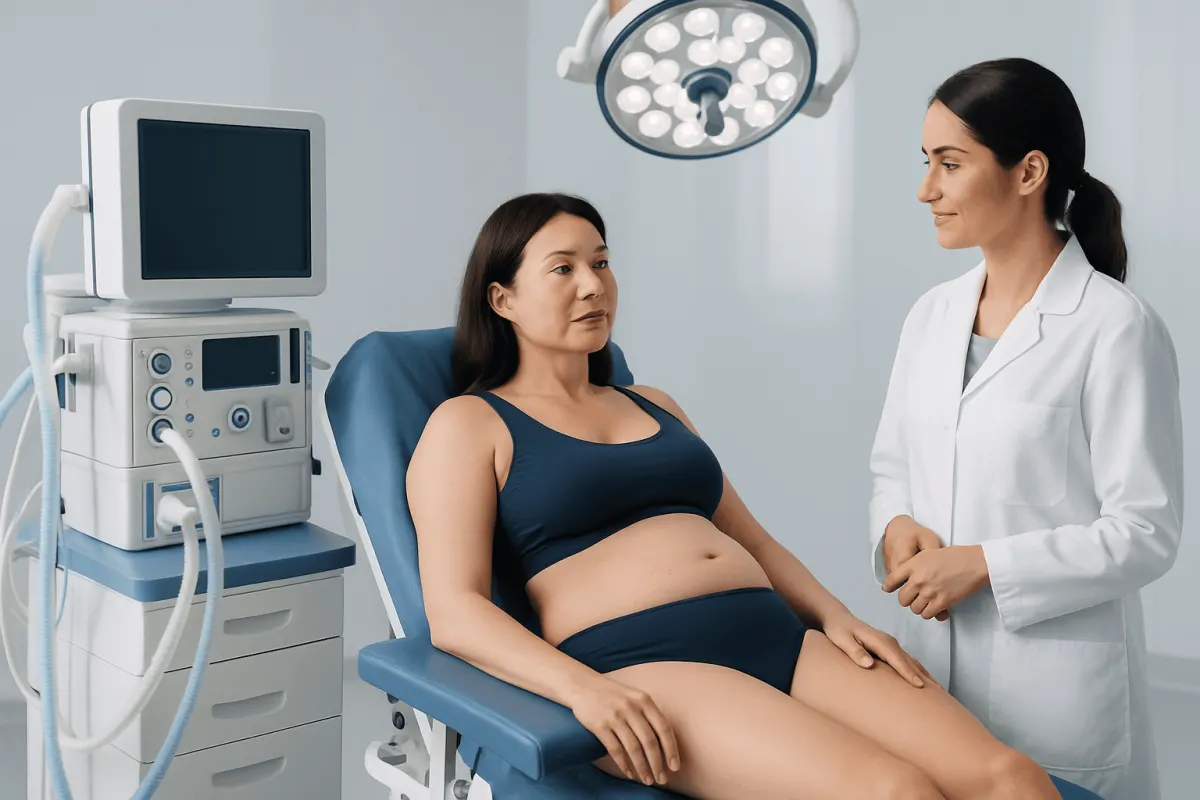
Good candidates for a tummy tuck are generally adults in good overall health who have realistic expectations and a stable body weight. They may have loose abdominal skin, stretch-related changes, or a bulge caused by separation of the rectus abdominal muscles, known as diastasis recti. The best timing is usually when weight has been stable and, for those planning pregnancy, when future pregnancies are not expected soon.
During consultation, the surgeon reviews medical history, previous abdominal operations, medications, smoking or nicotine use, and any conditions that may affect healing. These include diabetes, blood clotting disorders, heart or lung disease, and autoimmune conditions. A tummy tuck may still be possible for some people with chronic conditions, but careful planning and medical clearance may be needed.
It is also important to understand what the procedure can and cannot achieve. A tummy tuck can improve contour and remove skin folds, but it cannot remove all stretch marks, create a specific body shape, or prevent future changes from weight fluctuation, aging, or pregnancy. Patients who are actively losing weight may be advised to wait until their weight stabilizes before surgery.
Abdominal Skin, Fat, and Muscle Repair
In a typical full tummy tuck, the surgeon makes a low horizontal incision, usually placed so it can be hidden by underwear or swimwear. The length of the incision depends on how much skin must be removed. The abdominal skin is lifted, excess tissue is trimmed, and the remaining skin is redraped to create a smoother contour. The navel is usually brought through a new opening so it remains in a natural position.
Some patients also need repair of diastasis recti. This occurs when the connective tissue between the vertical abdominal muscles becomes stretched, commonly after pregnancy or major weight changes. During surgery, the surgeon can place internal stitches to bring the muscles and fascia closer together. This may help flatten the abdominal profile and improve core support, although it is not the same as building muscle strength through exercise.
Liposuction may be combined with abdominoplasty in selected cases to refine fat deposits in the upper abdomen, waist, or flanks. This decision depends on skin quality, circulation, anatomy, and safety considerations. The surgeon balances contouring goals with preserving healthy blood supply to the skin, which is essential for proper healing.
Diagnosis and Preoperative Planning
There is no single test that determines whether someone needs a tummy tuck. Evaluation is based on a physical examination, the quality and amount of skin excess, the position of scars, the presence of hernias or muscle separation, and the patient’s goals. The surgeon may ask the patient to stand, sit, and tighten the abdominal muscles to assess skin laxity and abdominal wall structure.
Preoperative planning often includes medical photographs, discussion of incision placement, and explanation of expected scars. Blood tests or additional medical evaluations may be requested depending on age, health history, and anesthesia requirements. If an abdominal hernia is suspected, imaging or consultation with a general surgeon may be recommended before planning cosmetic repair.
Patients are usually asked to stop nicotine well before and after surgery because smoking and nicotine products can reduce blood flow and increase wound-healing risks. Certain medications and supplements that affect bleeding may need to be adjusted under medical guidance. Patients should not stop prescribed medicines without speaking to their doctor.
Clear communication is a key part of planning. Patients should discuss pregnancy plans, weight goals, prior C-sections or abdominal scars, and whether they want liposuction or muscle repair. A well-informed consent process includes benefits, limitations, alternatives, recovery needs, and possible complications.
Treatment Options and Surgical Techniques
The main types of abdominoplasty vary by the extent of correction. A mini tummy tuck may be suitable for patients with a small amount of loose skin below the navel and little or no upper abdominal laxity. A full tummy tuck is more comprehensive and commonly treats skin excess, lower abdominal folds, and muscle separation. An extended tummy tuck removes additional skin toward the sides of the waist and may be appropriate after significant weight loss.
Some patients may benefit from alternatives or staged procedures. Liposuction alone may improve contour when skin elasticity is good, but it does not remove loose skin or repair separated muscles. A body lift may be considered when skin laxity affects the abdomen, hips, buttocks, and thighs. In selected patients after pregnancy, abdominoplasty may be combined with breast or other body-contouring surgery, but combining procedures must be assessed carefully for safety and recovery.
Abdominoplasty is usually performed under general anesthesia or deep sedation with appropriate monitoring. The operation length varies depending on the technique and whether additional procedures are performed. At the end of surgery, dressings are applied, and drains may be placed temporarily to remove fluid from under the skin. A compression garment is often recommended to support the tissues and reduce swelling.
As with any operation, a tummy tuck has potential risks. These may include bleeding, infection, fluid collection, delayed wound healing, changes in skin sensation, scarring, asymmetry, blood clots, anesthesia-related risks, or the need for revision surgery. Most patients heal without major complications, but careful patient selection, surgical planning, and aftercare are important to reduce risk.
Recovery Timeline: What to Expect
Recovery after a tummy tuck happens in stages. In the first few days, patients can expect tightness, swelling, bruising, and discomfort that are managed with prescribed pain control and rest. Walking in a slightly bent position may feel more comfortable at first because the abdominal skin and muscles are tight. Gentle walking is usually encouraged early to support circulation, but activity must remain light.
During the first one to two weeks, drains may be removed when fluid output is low enough, and follow-up visits check incision healing. Many patients need help at home during this period, especially with childcare, meals, and household tasks. It is important to avoid heavy lifting, straining, and sudden twisting movements. Patients with young children should plan support in advance.
By two to four weeks, many people can return to desk-based work if they feel comfortable and their surgeon agrees. Swelling remains common and may fluctuate throughout the day. Driving is usually delayed until the patient is no longer taking sedating pain medication and can move safely. Light daily activities gradually increase, but exercise restrictions usually continue.
By six to eight weeks, many patients are cleared for more normal activity and progressive exercise, depending on healing and whether muscle repair was performed. Final results take longer because swelling can continue to settle over several months. Scars mature gradually and may look pink or firm before becoming softer and lighter with time.
Prevention, Self-Care, and Scar Management
Good preparation and aftercare can support smoother recovery. Patients are encouraged to maintain a nutritious diet, stay hydrated, and follow all instructions about wound care, garments, drain care, and follow-up appointments. Protein, vitamins, and adequate calories are important for healing, especially after major weight loss. Alcohol and nicotine should be avoided as advised by the surgical team.
Self-care after a tummy tuck includes protecting the incision, monitoring for changes, and moving safely. Patients should sleep and rest in positions recommended by their surgeon, often with the upper body slightly elevated and knees supported at first. Compression garments should be worn as directed, not too tight, and any discomfort, skin irritation, or circulation concerns should be reported.
Scar care usually begins only after the incision is fully closed and the surgeon confirms it is safe. Options may include silicone gel or silicone sheets, sun protection, gentle massage when approved, and time. Scars are permanent, but their appearance often improves over 12 to 18 months. Sun exposure can darken healing scars, so protecting the area is important.
Long-term results are best supported by stable weight, regular physical activity after clearance, and core strengthening when appropriate. Pregnancy or significant weight changes after surgery can stretch the skin and abdominal wall again. A healthy lifestyle cannot stop natural aging, but it can help preserve the contour achieved by surgery.
When to See a Doctor
Anyone considering a tummy tuck should consult a board-certified or appropriately qualified plastic surgeon for an individualized assessment. A medical consultation is especially important for people with previous abdominal surgery, hernias, chronic illnesses, a history of blood clots, or plans for future pregnancy. The surgeon can explain whether abdominoplasty, liposuction, another procedure, or no surgery is the safest option.
After surgery, patients should contact their surgical team promptly if they notice worsening pain, increasing redness, fever, unusual drainage, sudden swelling, shortness of breath, chest pain, calf pain, or one-sided leg swelling. These symptoms do not always mean a serious problem, but they should be assessed quickly. Follow-up visits are also important even when recovery feels normal.
International patients should plan enough time for consultation, surgery, early recovery, and medical clearance before flying home. At Acıbadem Health Point, multidisciplinary specialists in JCI-accredited hospitals diagnose and treat aesthetic and reconstructive conditions for international patients, including abdominoplasty when appropriate. Patients should always choose a center that provides clear preoperative evaluation, safe anesthesia care, and structured follow-up.
Frequently asked questions
01Is a tummy tuck the same as liposuction?
No. Liposuction removes localized fat through small incisions, while a tummy tuck removes excess skin and can tighten the abdominal wall. Some patients have both procedures together, but the best choice depends on skin quality, muscle separation, and overall health.
02Can a tummy tuck repair diastasis recti?
Yes, if diastasis recti is present and the surgeon determines that repair is appropriate. The repair usually involves internal sutures that bring the stretched abdominal fascia closer together. Physical therapy may still be helpful before or after surgery to improve core function.
03How painful is tummy tuck recovery?
Most patients describe the early recovery as tightness, soreness, and difficulty standing fully upright rather than sharp pain. Discomfort is usually managed with prescribed medication and improves gradually over the first days and weeks. Muscle repair can make recovery feel tighter than skin removal alone.
04When can someone return to work after a tummy tuck?
Many patients with desk-based jobs return in about two to four weeks, depending on healing, comfort, and the surgeon’s advice. Jobs involving lifting, standing for long periods, or physical labor may require a longer break. Recovery plans should be discussed before surgery so practical support can be arranged.
05Will a tummy tuck scar be visible?
A tummy tuck leaves a permanent scar, usually low on the abdomen where it can often be covered by underwear or swimwear. The length and appearance of the scar depend on the amount of skin removed, individual healing, and surgical technique. Scar care and sun protection may help the scar mature more favorably over time.
06Can pregnancy happen after a tummy tuck?
Pregnancy after a tummy tuck is possible for many people, but it can stretch the abdominal skin and muscles again and may change the surgical result. For this reason, surgeons often recommend waiting until planned pregnancies are complete. Anyone who becomes pregnant after abdominoplasty should continue routine pregnancy care with an obstetrician.
07How long do tummy tuck results last?
Results can be long-lasting when weight remains stable and the patient maintains a healthy lifestyle. Natural aging will continue, and major weight changes or pregnancy can affect the abdomen again. Regular follow-up and healthy habits help preserve the outcome as much as possible.
This article is for general information only and is not a substitute for professional medical advice. Please consult a qualified doctor about your individual situation.
Medical weight-loss options in Turkey — costs & eligibility
JCI-accredited · board-certified surgeons · reply within 24h
Add us as a Preferred Source to see more of our trusted health content across Google Search, AI Overviews and Discover.