Men’s Plastic Surgery for Face, Body and Chest
Men's plastic surgery includes surgical and minimally invasive procedures that can refine facial features, address excess skin or breast tissue, and improve body contours. A safe, satisfying outcome depends on realistic goals, an individualized surgical plan, qualified care, and adequate recovery time.
Overview: What Is Men's Plastic Surgery?
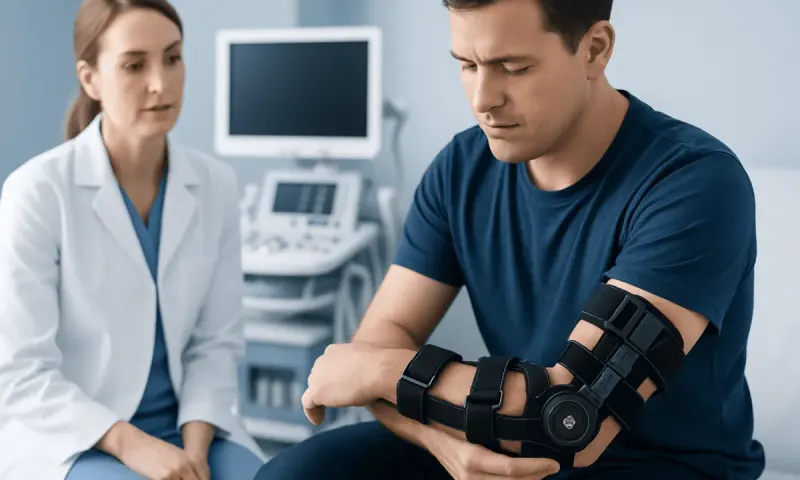
Men’s plastic surgery refers to cosmetic and reconstructive procedures planned around a person’s health, anatomy, and individual goals. It may involve the face, chest, abdomen, body, or skin. Some men seek surgery to address changes associated with aging, weight loss, genetics, injury, or a condition such as enlarged breast tissue.
Modern men’s plastic surgery procedures aim to preserve or enhance features that feel natural to the individual rather than create one fixed appearance. For example, facial surgery may be planned to maintain a strong jawline and natural hairline, while body contouring may focus on proportion and definition. A plastic surgeon considers skin quality, underlying bone structure, muscle, fat distribution, facial hair, and future aging when discussing options.
Plastic surgery is elective in many cases, but it is still real surgery. It requires careful medical assessment, informed consent, preparation, aftercare, and patience while tissues heal. The best choice is one that fits the person’s health status and expectations, rather than pressure from trends or others.
Common Men's Plastic Surgery Options and How They Work
Men’s plastic surgery options range from surgical procedures to nonsurgical treatments. A surgeon recommends an approach after assessing the area of concern, skin elasticity, medical history, and the degree of correction desired. Nonsurgical treatments may improve selected concerns temporarily, whereas surgery can produce more lasting structural changes.
- Facelift and neck lift: These procedures reposition deeper facial tissues and remove or redistribute excess skin and fat to improve laxity in the cheeks, jawline, and neck. Facelift surgery may be combined with a neck lift when neck bands or under-chin fullness are prominent.
- Eyelid surgery: Blepharoplasty removes or repositions excess skin and fat around the upper or lower eyelids. It may be considered for tired-looking eyes or, in some cases, skin that interferes with vision.
- Rhinoplasty: Nose surgery can alter shape, size, proportion, or breathing-related structures. Planning commonly considers a person’s facial balance, nasal function, and skin thickness.
- Gynecomastia surgery: Surgery for enlarged male breast tissue may remove glandular tissue, excess fat, or skin. It can be relevant for persistent gynecomastia that does not resolve after medical evaluation.
- Liposuction and abdominal contouring: Liposuction removes localized fat deposits, while abdominoplasty addresses loose abdominal skin and may tighten separated abdominal muscles. These are not substitutes for weight-loss treatment.
Other options may include ear reshaping, chin or jawline surgery, hair restoration, scar revision, skin resurfacing, injectable treatments, and body lift procedures after significant weight loss. The most appropriate approach depends on a full consultation rather than a photograph or online trend.
Candidacy and Planning Before Surgery
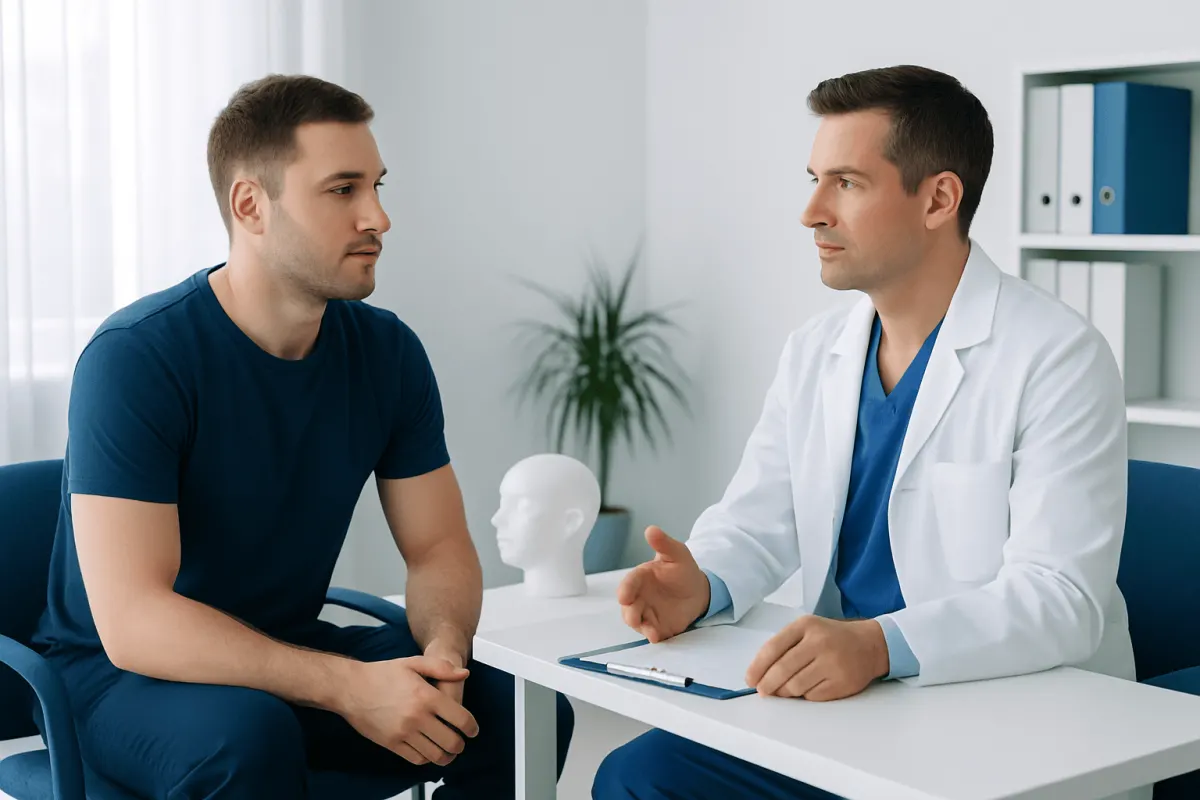
Good candidates are generally adults who are in stable health, have specific and realistic goals, understand the likely recovery process, and can follow postoperative instructions. A stable weight is particularly important before body contouring because substantial future weight changes can affect the result. Smoking, vaping nicotine, uncontrolled diabetes, bleeding disorders, and some medicines or supplements can increase surgical risks or interfere with healing.
During consultation, the surgeon reviews medical conditions, previous operations, allergies, medicines, tobacco or alcohol use, and any history of poor scarring or blood clots. Photographs and physical examination help guide planning. For facial procedures, assessment may include facial symmetry, skin elasticity, hairline position, eyelid function, and nasal breathing.
A responsible consultation also explores expectations. Surgery can improve a feature or proportion, but it cannot guarantee a particular emotional outcome, relationship change, or resemblance to a digitally altered image. Men considering surgery should feel free to ask about alternatives, scars, recovery support, revision policies, and what would happen if healing is slower than expected.
Step by Step: What Happens During Men's Plastic Surgery?
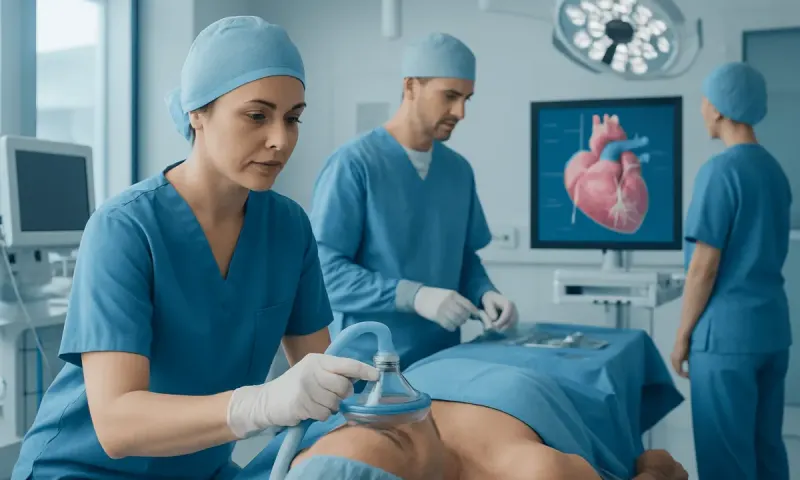
The exact process differs by procedure, but most surgical treatments follow a similar pathway. Before surgery, the care team confirms the operative plan, reviews consent, takes any necessary photographs or measurements, and marks treatment areas. The anesthesiologist discusses the safest anesthesia approach, which may range from local anesthesia with sedation to general anesthesia.
During the operation, the surgeon makes carefully planned incisions, performs the required tissue reshaping, removal, lifting, or repositioning, and closes incisions with sutures or other appropriate methods. In liposuction, a thin tube called a cannula is used to remove fat through small incisions. In facial lifting procedures, the surgeon may adjust deeper support layers as well as skin to avoid an overly tight appearance.
After surgery, patients spend time in a recovery area while the anesthesia wears off. Some procedures are outpatient treatments, while larger operations or combined surgeries may require an overnight stay. Dressings, compression garments, drains, pain relief, activity restrictions, and follow-up appointments are individualized. It is important to arrange a responsible adult to provide transport and initial support when sedation or general anesthesia is used.
Recovery Timeline, Benefits and Possible Risks
Recovery after plastic surgery occurs in stages. In the first few days, patients commonly have swelling, bruising, tightness, soreness, numbness, and reduced energy. Pain is usually managed with the plan provided by the surgical team. Keeping follow-up appointments, taking medicines only as directed, protecting incisions, and avoiding smoking are important for safe healing.
Many people return to light daily tasks within one to two weeks after smaller facial procedures, though this differs widely. More extensive operations, such as abdominoplasty or combined body contouring, often require a longer period away from work and exercise. Swelling can improve gradually over several weeks, while scars and final contours may continue maturing for many months.
Potential benefits include improved proportion, correction of excess skin or tissue, and greater comfort in clothing or social situations. However, results cannot be guaranteed, and some degree of asymmetry or visible scarring can remain. Risks include bleeding, fluid collection, infection, delayed healing, changes in sensation, unfavorable scars, contour irregularities, blood clots, anesthesia complications, and a need for revision surgery.
The surgeon should explain the risks relevant to the planned operation and how they are reduced. Following instructions about compression, wound care, movement, nutrition, sun protection, and return to exercise supports recovery. Patients should not compare their early appearance with final men’s plastic surgery before and after photographs, as swelling can temporarily distort the result.
Is Plastic Surgery Worth It for Men?
Plastic surgery may be worthwhile for men who have a clear personal goal, are medically suitable, and understand both the benefits and limitations of treatment. The value of surgery is individual: one person may prioritize improved comfort after weight loss or breast reduction, while another may seek a refreshed facial appearance. It is not necessary or appropriate for everyone.
A helpful way to decide is to consider whether the concern has been persistent, whether nonsurgical approaches have been discussed, and whether the expected improvement justifies the recovery, cost, scars, and potential risks. A qualified surgeon should be willing to advise against an operation if the expected benefit is limited or if health risks are too high.
Emotional wellbeing also matters. Surgery is most likely to feel positive when it is chosen for personal reasons and paired with realistic expectations. People experiencing significant distress about appearance, body image concerns, or pressure from others may benefit from discussing their feelings with a healthcare professional before making a decision.
What Are the Hardest Plastic Surgeries to Recover From?
The hardest plastic surgeries to recover from are often those involving large treatment areas, deeper tissue repair, multiple body regions, or significant movement restrictions. Examples can include abdominoplasty, body lift surgery after major weight loss, extensive combined body contouring, complex reconstructive surgery, and procedures involving the jaw or facial bones. Difficulty is not determined by incision size alone.
Abdominal surgery may be challenging because standing upright, coughing, getting in and out of bed, and walking can be uncomfortable at first. Large body contouring procedures can involve drains, compression garments, longer activity restrictions, and a greater need for help at home. Recovery may also be more demanding when several procedures are performed during one anesthetic, even when that approach is appropriate for selected patients.
Facelift, eyelid, and nose surgery may have less restriction on movement but can involve visible bruising and swelling that take time to resolve. Individual recovery is influenced by age, health conditions, nutrition, smoking status, procedure extent, and adherence to aftercare. The surgeon can provide the most relevant estimate based on the planned operation.
Can You Show Me Some Pictures of a Male Facelift Before and After?
Before-and-after photographs can help illustrate the type of change that may be possible after a male facelift, but they should be reviewed carefully during a professional consultation rather than treated as a promise of a specific result. A reputable surgeon may show consented, unedited clinical photographs of patients with broadly similar concerns, facial structure, age range, and skin quality.
When reviewing male facelift before-and-after images, it is useful to ask how long after surgery the “after” image was taken, whether lighting and camera angle are consistent, and whether additional procedures or injectables were used. Early images can show residual swelling, while later images generally give a more reliable view of scar maturation and contour.
Photos cannot show important elements such as texture, sensation, scar quality in person, or how a face moves when speaking and smiling. They also cannot predict an individual outcome. The consultation should focus on safe planning and realistic improvements, not copying another person’s appearance.
How Many Days Should I Rest After Plastic Surgery?
The number of days needed for rest after plastic surgery depends on the procedure, its extent, the type of anesthesia, and the person’s health and work demands. Most patients need at least several days of reduced activity after any operation, and many need about one to two weeks before returning to desk-based work after common facial procedures. Physically demanding jobs usually require more time away.
After more extensive body procedures, a surgeon may recommend two to several weeks before normal daily activity feels comfortable, with longer restrictions for heavy lifting, strenuous exercise, swimming, and contact sports. Walking is usually encouraged early when medically appropriate because it supports circulation, but it should be gentle and follow the care team’s instructions.
Rest does not mean remaining completely still. Patients should balance sleep and recovery with safe, gradual movement. Return to driving, work, travel, exercise, and sexual activity should be approved by the surgical team, especially after general anesthesia or procedures that affect the abdomen, chest, or lower body.
When to Seek Medical Care
Patients should contact their surgical team promptly if they develop worsening rather than improving pain, rapidly increasing swelling on one side, persistent bleeding, fever, spreading redness, foul-smelling drainage, wound opening, or signs of dehydration. They should follow the emergency contact instructions provided after surgery rather than wait for a routine appointment.
Urgent medical care is needed for chest pain, shortness of breath, fainting, confusion, coughing blood, or sudden swelling and pain in a leg. These symptoms are uncommon but may indicate a serious complication requiring immediate assessment. Patients should also seek help if they have an allergic reaction to a medicine or are unable to control pain, vomiting, or other concerning symptoms with the prescribed plan.
Acıbadem Health Point’s multidisciplinary specialists and JCI-accredited hospitals assess and treat patients seeking plastic surgery care from abroad. A structured consultation and follow-up plan can help patients understand whether a procedure is suitable and how to prepare for recovery.
Frequently asked questions
01What is the most common plastic surgery for men?
Common procedures for men include eyelid surgery, liposuction, nose surgery, facelift or neck lift surgery, and surgery for enlarged male breast tissue. The most suitable procedure depends on the concern being treated, health status, skin quality, and personal goals. A consultation is needed to determine whether surgery or a nonsurgical option is more appropriate.
02Do men heal differently after plastic surgery?
Healing is influenced more by the procedure, general health, age, smoking status, nutrition, and aftercare than by sex alone. However, men may have thicker skin, denser facial hair, and different fat distribution, which can affect surgical planning and the appearance of swelling or scars. The recovery instructions should be individualized.
03How long does swelling last after a male facelift?
The most noticeable swelling often improves during the first few weeks, but mild swelling and firmness can persist for several months. The timeline varies according to the extent of surgery and individual healing. Following the surgeon’s instructions on activity, head elevation, and follow-up care can support recovery.
04Can plastic surgery be combined with other procedures?
Some procedures can be combined when it is medically appropriate, such as facelift and eyelid surgery or chest contouring and liposuction. Combining surgery may reduce the number of anesthetics and recovery periods, but it can also make an operation longer and recovery more demanding. The surgeon assesses safety based on the patient’s health and the total planned procedure time.
05Will scars be visible after men's plastic surgery?
Any operation that requires an incision leaves a scar, although surgeons place incisions where they are as discreet as possible. Scars are usually redder or firmer early in healing and often fade and soften over time. Genetics, skin type, procedure location, wound care, and sun exposure all affect scar appearance.
06When can men exercise after plastic surgery?
Light walking is commonly recommended soon after surgery when approved by the care team, but strenuous exercise and heavy lifting should wait until the surgeon confirms that healing is adequate. The timing varies substantially between procedures, especially after abdominal, chest, or body contouring surgery. Returning too early can increase swelling, bleeding, wound problems, or discomfort.
This article is for general information only and is not a substitute for professional medical advice. Please consult a qualified doctor about your individual situation.
Hair transplant in Turkey — costs, graft counts & a free assessment
JCI-accredited · board-certified surgeons · reply within 24h
Add us as a Preferred Source to see more of our trusted health content across Google Search, AI Overviews and Discover.