Tubular Adenoma: Causes, Diagnosis and Treatment

Key Takeaways
- Tubular adenomas are common adenomatous polyps found in the colon or rectum.
- They often cause no symptoms and are usually discovered during colonoscopy.
- Removal during colonoscopy is the main treatment and helps lower future cancer risk.
- Follow-up plans depend on the polyp’s size, number, and pathology results.
- Routine screening is one of the most effective ways to detect and manage these polyps early.
Tubular adenoma is a common type of colon polyp that is usually found during screening rather than because of symptoms. It is often benign when removed, but it matters because it can sometimes develop into colorectal cancer over time if left in place.
Overview
A tubular adenoma is a growth that develops from the lining of the colon or rectum. It belongs to a group of polyps called adenomas, which are made of gland-like tissue. Among adenomas, tubular adenomas are the most common type and are often found by chance during routine screening.
For many people, the word “adenoma” can sound worrying. In everyday care, the more useful way to think about it is as a warning sign rather than a diagnosis of cancer. A tubular adenoma is usually not cancer, but it can be part of the stepwise process that may lead to colorectal cancer if it is not removed and monitored over time.
That is why these polyps are taken seriously even when they are small and silent. In international patient care, the diagnosis often happens during a planned colonoscopy, and the next steps are typically straightforward: remove the polyp, review the pathology report, and decide how soon the next check should be.
Symptoms
Most tubular adenomas do not cause obvious symptoms. Many people feel completely well and have no idea a polyp is present until a screening test or colonoscopy finds it. This is one reason colorectal screening is so valuable: it can detect changes before they become a larger problem.
When symptoms do occur, they are not specific to tubular adenoma and can overlap with many other digestive conditions. Possible signs include:
- Rectal bleeding or blood in the stool
- A change in bowel habits, such as new constipation or diarrhea
- Unexplained abdominal discomfort
- Iron-deficiency anemia, which may cause fatigue or weakness
Because these symptoms can come from hemorrhoids, inflammation, infection, or other bowel conditions, they should be evaluated rather than assumed to be caused by a polyp. A clinician can help determine whether the symptom pattern calls for stool testing, imaging, or colonoscopy.
Causes & Risk Factors

Tubular adenomas develop when cells in the colon lining begin to grow in an orderly but abnormal way. The exact reason this happens is not always clear, but the process is linked to changes in the cells’ genetic control mechanisms over time. Age plays an important role, which is why screening becomes more important as people get older.
Certain factors are associated with a higher chance of developing adenomatous polyps, including:
- Age, especially over 45 to 50 years
- A personal or family history of colorectal polyps or cancer
- Ulcerative Colitis, and Flares" class="ahp-ilk">Inflammatory bowel disease in some patients
- Smoking
- Excess body weight
- Low physical activity
- A diet high in processed or red meat and low in fiber, fruits, and vegetables
Having one or more of these factors does not mean a tubular adenoma will certainly develop. It does, however, help doctors tailor screening plans, especially for patients who are traveling from another country and need a clear, organized plan for testing and follow-up.
Diagnosis
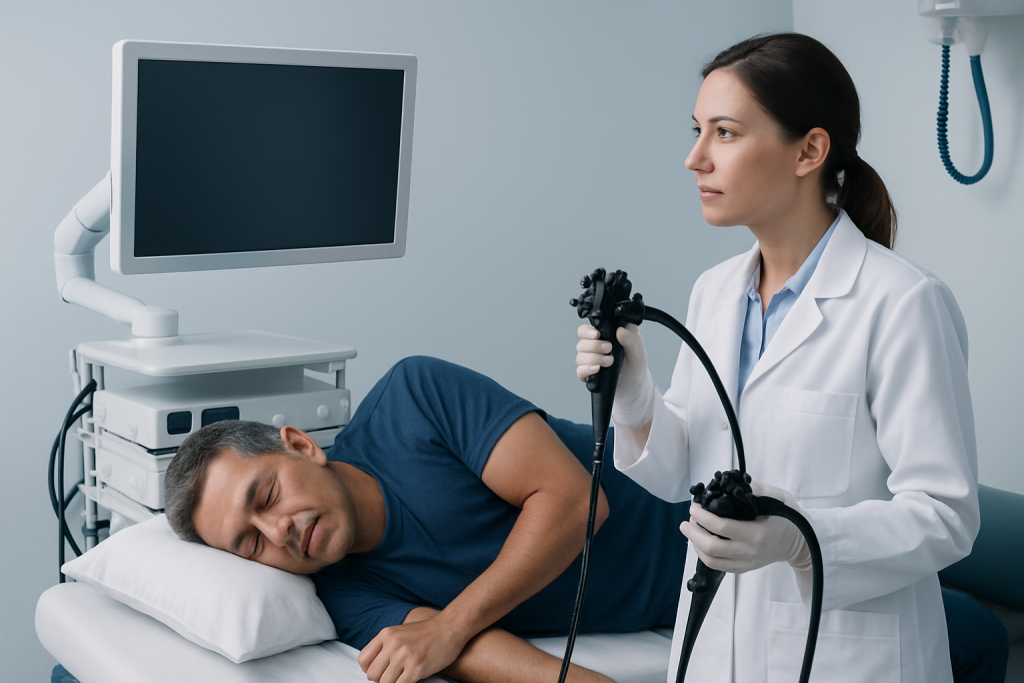
Colonoscopy is the most common way tubular adenomas are found. During the procedure, a doctor examines the full length of the colon with a flexible camera and can remove suspicious polyps at the same time. This makes colonoscopy both a diagnostic test and a treatment step.
If a polyp is removed, it is sent to a pathology laboratory. Under the microscope, the tissue can be classified as tubular adenoma or another polyp type. The pathology report also notes details such as size, whether the polyp was completely removed, and whether there were any higher-risk features.
Sometimes stool-based screening tests or imaging studies prompt a colonoscopy, but they do not confirm tubular adenoma on their own. A final diagnosis depends on tissue analysis. For patients who have received care abroad, it is especially helpful to keep copies of the colonoscopy report, pathology report, and any images so future doctors can plan appropriate surveillance.
Treatment Options
The main treatment for a tubular adenoma is removal, usually during colonoscopy. Most polyps can be removed endoscopically without the need for surgery. The goal is to eliminate the current growth and reduce the chance that it could develop into cancer later.
After removal, treatment usually focuses on follow-up rather than additional therapy. The next colonoscopy interval depends on several features, including the number of adenomas, their size, whether they had advanced microscopic changes, and whether the bowel was completely cleaned before the procedure. A doctor uses these details to decide whether surveillance should be sooner or later.
Surgery is uncommon for a routine tubular adenoma, but it may be considered if a polyp is too large, cannot be fully removed endoscopically, or if pathology shows a concern that requires a broader treatment plan. In such cases, care is individualized and may involve gastroenterology, colorectal surgery, and pathology working together.
Prevention & Self-care
Not every tubular adenoma can be prevented, but a few habits can support colon health and lower overall colorectal risk. Screening remains the most effective preventive step because it can detect and remove polyps before they cause trouble. People with a family history or other risk factors may need earlier or more frequent screening.
Daily choices can also help support the bowel over time. A practical approach includes:
- Eating more fiber-rich foods such as vegetables, fruits, legumes, and whole grains
- Limiting processed meats and moderating red meat intake
- Staying physically active
- Maintaining a healthy body weight
- Not smoking
- Following the doctor’s advice on colonoscopy timing after a polyp is removed
For people managing care across borders, self-care also means staying organized. Keeping procedure reports, pathology results, and follow-up instructions in one folder makes it easier to continue surveillance with a local doctor or specialist after returning home.
When to See a Doctor
A doctor should be consulted if there is rectal bleeding, persistent change in bowel habits, unexplained anemia, ongoing abdominal pain, or any new digestive symptom that does not settle. These symptoms do not always mean something serious, but they do deserve evaluation, especially in adults who are overdue for colorectal screening.
Medical advice is also important after a tubular adenoma is found and removed. Patients should ask when the next colonoscopy is due, what the pathology showed, and whether any family members should discuss earlier screening with their own doctors. Clear follow-up is an important part of long-term care.
For international patients, a coordinated review can make the process simpler. Acibadem Health Point’s multidisciplinary specialists and JCI-accredited hospitals diagnose and treat tubular adenomas for international patients, with care planning that can be shared across borders when needed.
Living With the Result of a Polyp Removal
Finding out that a colon polyp was removed can bring relief, but it may also leave people wondering what happens next. In most cases, the answer is follow-up rather than urgent treatment. The key is to understand that the pathology report is the roadmap: it tells the care team how closely the colon should be watched in the future.
Patients who travel for care may benefit from a simple discharge summary written in clear language. That summary should include the type of polyp, how it was removed, whether it was completely excised, and the recommended timing for the next examination. When this information is easy to carry forward, future appointments tend to be smoother and less stressful.
With screening, removal, and surveillance, tubular adenoma is often managed effectively. The process is usually methodical rather than dramatic, and that is one of the strengths of modern preventive gastroenterology.
What to Ask Your Doctor
Patients often leave the procedure room with more questions than they expected. A short, focused list can help guide the conversation and make follow-up clearer.
- Was the polyp completely removed?
- How many adenomas were found?
- What did pathology show under the microscope?
- When should the next colonoscopy happen?
- Do my family members need earlier screening?
Asking these questions does not mean something is wrong. It is part of making sure the next step is tailored to the person’s actual risk, rather than relying on general advice alone.
When information is shared clearly, people can return to their normal routine with confidence and a sensible surveillance plan.
Frequently asked questions
01Is a tubular adenoma cancer?
No, a tubular adenoma is not cancer. It is a type of colon polyp that can sometimes become cancer over time if it is not removed, which is why doctors recommend removing and monitoring it.
02Can a tubular adenoma cause symptoms?
Often it causes no symptoms at all. When symptoms do happen, they may include rectal bleeding, a change in bowel habits, abdominal discomfort, or anemia, but these signs are not specific to adenoma.
03How is a tubular adenoma treated?
The usual treatment is removal during colonoscopy. After that, the next step is follow-up based on the pathology report and the polyp’s features, such as size and number.
04Will I need another colonoscopy after a tubular adenoma?
Many people do need repeat colonoscopy at an interval recommended by their doctor. The timing depends on the pathology results, how many polyps were found, and whether the colon was fully cleared during the procedure.
05Can tubular adenomas come back?
New adenomas can develop over time, even after one has been removed. That is why surveillance and routine colorectal screening remain important.
06What is the difference between a tubular adenoma and other polyps?
Tubular adenoma is one specific type of adenomatous polyp, and it is the most common form. Other polyps may have different microscopic patterns and different levels of cancer risk, so pathology is important for accurate classification.
This article is for general information only and is not a substitute for professional medical advice. Please consult a qualified doctor about your individual situation.
Persistent digestive symptoms? Get evaluated in Turkey
JCI-accredited · board-certified surgeons · reply within 24h
Add us as a Preferred Source to see more of our trusted health content across Google Search, AI Overviews and Discover.