Triplets: Causes, Risks and Care

Key Takeaways
- Triplet pregnancies are uncommon and are usually managed as high-risk pregnancies from the moment they are identified.
- Early ultrasound helps confirm how many babies are present and whether they share a placenta or amniotic sac.
- Symptoms can resemble a singleton pregnancy but often appear earlier or more intensely because the body is supporting three fetuses.
- Care typically includes frequent monitoring for blood pressure changes, anemia, preterm labor, fetal growth, and placenta-related complications.
- Delivery planning is individualized and often involves a hospital with experience in high-risk obstetrics and neonatal care.
A triplet pregnancy is a multiple pregnancy that deserves careful, early monitoring because the health needs of the parent and all three babies can change quickly. With timely prenatal care, clear follow-up, and an individualized birth plan, many families navigate this journey successfully.
Overview
Triplets are a form of multiple pregnancy in which three babies develop at the same time. For many families, the news arrives during an early ultrasound and immediately shifts the pregnancy into a more closely monitored path. Even when everyone feels well, a triplet pregnancy is usually considered high risk because the mother’s body is supporting three growing babies, and the babies may share space, blood supply, or a placenta in different ways.
That higher level of observation is not meant to create alarm. It simply reflects the fact that triplet pregnancies can change faster than singleton pregnancies. Some triplets are identical, some are fraternal, and some pregnancies combine both patterns. The exact arrangement matters because it affects how often scans are needed, how the babies grow, and what birth planning looks like.
For Myomectomy Recovery: Healing Time, Activity Limits, and Fertility Planning" class="ahp-ilk">Myomectomy Recovery for International Patients: The Usual Travel Timeline" class="ahp-ilk">international patients, a triplet pregnancy can also raise practical questions about where to receive care, how often travel is safe, and which hospital can handle both the pregnancy and the newborns if they arrive early. Those decisions are best made early with a maternal-fetal medicine or high-risk obstetric team, so the pregnancy can be followed with a clear plan rather than last-minute arrangements.
Symptoms and How Triplet Pregnancy May Feel
There is no single symptom that proves a person is carrying triplets. In the early weeks, the pregnancy may look much like any other pregnancy. Over time, however, some people notice that common pregnancy symptoms seem stronger, start earlier, or feel harder to manage.
Possible experiences include more pronounced nausea, quicker abdominal growth, fatigue that feels intense, shortness of breath with ordinary activity, and back or pelvic pressure. Some people also notice early weight gain or a feeling of fullness sooner than expected. These changes are not unique to triplets, but they may be more noticeable when three babies are growing at once.
- More intense morning sickness
- Rapidly increasing abdominal size
- Marked tiredness or reduced stamina
- Pelvic pressure, backache, or difficulty sleeping
- Shortness of breath during routine tasks
Because symptoms overlap with normal pregnancy changes, ultrasound and prenatal follow-up are the reliable ways to understand what is happening. A person should not try to judge the number of babies by symptoms alone.
Causes and Risk Factors

Triplets can happen in different ways. In some pregnancies, one fertilized egg splits into more than one embryo, creating identical babies. In others, more than one egg is released and fertilized, leading to fraternal triplets. Occasionally, a combination of these patterns occurs. Fertility treatment can increase the chance of multiple pregnancy, though triplets can also occur without any fertility care.
Several factors may make a multiple pregnancy more likely. These include a family history of fraternal multiples, advancing maternal age, and assisted reproductive techniques. Even so, many triplet pregnancies arise without a clear reason. It is often not possible to identify a single cause.
What matters most after confirmation is the structure of the pregnancy. Whether the babies share a placenta or amniotic sac influences risk and follow-up. For that reason, early imaging and specialist review are valuable, especially if the pregnancy was conceived with fertility treatment or if there are previous pregnancy complications.
Diagnosis and Early Monitoring
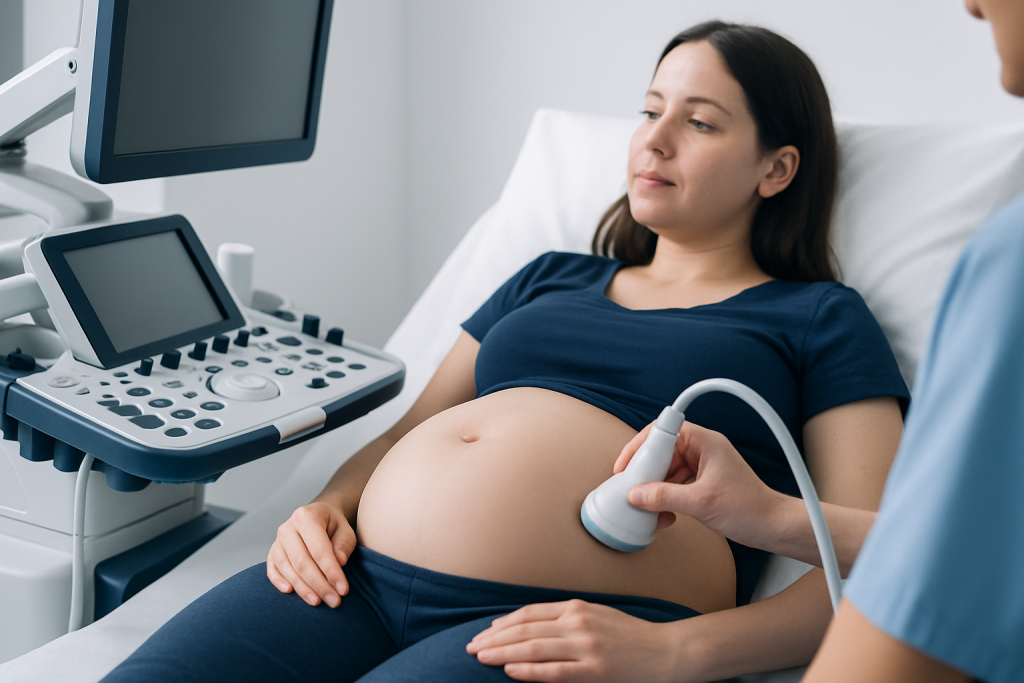
Triplets are usually diagnosed by ultrasound, often in the first trimester. Early scanning helps confirm the number of fetuses and whether they are sharing a placenta or sac. This is more than a counting exercise; it guides the entire care plan, from how often scans are repeated to which complications need closer attention.
After diagnosis, the care team may recommend more frequent visits than in a singleton pregnancy. Monitoring often includes blood pressure checks, weight tracking, blood tests for anemia or other nutritional concerns, and repeated ultrasounds to watch fetal growth. Depending on the pregnancy’s structure, the team may also watch for uneven growth between babies or signs that the placenta is not supporting all three fetuses equally.
Some people are referred to a maternal-fetal medicine specialist, a doctor who focuses on complex pregnancies. That referral is a practical step, not a sign that something has gone wrong. In a triplet pregnancy, having the right team involved early can make planning simpler, especially when the family is balancing work, travel, or cross-border care.
Treatment Options and Pregnancy Management
There is no treatment that changes the fact of being pregnant with triplets. Management focuses on protecting the health of the parent and babies through close observation, timely interventions, and a birth plan that reflects the pregnancy’s risks and the family’s preferences.
Care may include nutritional support, treatment for nausea, iron if anemia develops, and guidance on physical activity and rest. Some people need help managing blood pressure or symptoms of preterm labor. If one or more babies are not growing well, the medical team may adjust monitoring frequency or discuss timing of delivery.
Delivery planning is individual. Many triplet pregnancies do not continue to the due date, because preterm birth is more common in multiples. The mode and timing of birth depend on placental arrangement, baby positions, growth patterns, and the parent’s health. When delivery is expected early, it is especially helpful to plan care in a hospital with neonatal expertise so the babies can be observed and supported immediately after birth if needed.
Prevention and Self-care
Not every triplet pregnancy can be prevented, and some families may already be navigating a conception that happened naturally or after fertility treatment. What can be supported is safer day-to-day care once the pregnancy is known. The goal is to reduce strain, keep appointments, and notice changes early.
Self-care often means eating regularly, staying hydrated, getting enough rest, and avoiding activities that worsen pelvic pressure or fatigue. Many clinicians also advise discussing travel plans carefully, because long trips can be difficult later in a multiple pregnancy. For international patients, this may involve deciding whether follow-up should stay local or shift to a center with high-risk obstetric and neonatal services before the third trimester.
- Attend all scheduled prenatal visits and scans
- Ask early about warning signs of preterm labor
- Keep a record of blood pressure readings if advised
- Discuss work, travel, and lifting plans with the care team
- Follow nutrition advice tailored to multiple pregnancy
Gentle, personalized planning can make the pregnancy feel more manageable. A triplet pregnancy often benefits from a team approach that includes obstetric care, fetal monitoring, nutrition guidance, and newborn planning long before delivery begins.
When to See a Doctor
Medical advice should be sought promptly if there is Common Causes and How Doctors Evaluate It" class="ahp-ilk">vaginal bleeding, fluid leakage, strong or regular contractions, severe abdominal pain, fainting, sudden swelling, intense headache, visual changes, or a noticeable reduction in fetal movement once movements are being felt. In a triplet pregnancy, symptoms that might seem minor in another pregnancy can deserve quicker review because the risks can change rapidly.
It is also important to contact the care team for signs of dehydration, persistent vomiting, or symptoms that suggest high blood pressure, such as unusual headache or right upper abdominal pain. Even if the concern turns out to be mild, a check-in can help confirm that mother and babies are safe.
Families who are planning care across borders should not wait until the last minute to ask about records, emergency contacts, and hospital access. Acibadem Health Point can coordinate international patient pathways, and its multidisciplinary specialists and JCI-accredited hospitals diagnose and treat triplet pregnancies for international patients when a higher level of support is needed.
Recovery After Birth and Follow-up
After a triplet birth, recovery depends on how the delivery occurred, whether there were complications, and how early the babies were born. The parent may need time to heal from vaginal birth or cesarean birth, and the newborns may require observation, feeding support, temperature support, or care in a neonatal unit if they arrived early.
Follow-up should include both physical recovery and practical planning. The parent may need support with pain control, wound care if there was surgery, blood pressure follow-up, and feeding support. Families often benefit from clear discharge instructions, especially if they are returning to another country and need to coordinate postnatal care, pediatric review, and documentation for travel.
Emotional adjustment matters too. Caring for three newborns can be rewarding and overwhelming at once. Asking for help, accepting lactation support if desired, and arranging help at home are not luxuries; they are sensible parts of recovery after a multiple birth.
Frequently asked questions
01How are triplets usually found out about?
Triplets are most often diagnosed by ultrasound, usually early in pregnancy. The scan shows how many babies are present and whether they share a placenta or sac, which helps guide follow-up. Symptoms alone are not reliable enough to confirm a triplet pregnancy.
02Is a triplet pregnancy always high risk?
It is generally managed as high risk because the chances of preterm birth, growth concerns, and pregnancy-related complications are higher than in a singleton pregnancy. That does not mean a problem will definitely happen. It means the pregnancy benefits from closer monitoring and a more detailed birth plan.
03Can triplets be delivered vaginally?
Sometimes, but delivery planning depends on the babies’ positions, placental arrangement, the parent’s health, and the team’s judgment. Many triplet births are planned in a hospital setting with surgical and neonatal support available. The safest option is decided individually rather than by a fixed rule.
04Do triplet pregnancies usually end early?
Preterm birth is more common in triplet pregnancies than in singleton pregnancies. The exact timing varies, and some pregnancies last longer than others. Regular monitoring helps the care team respond if labor starts early or if the babies need closer assessment.
05What kind of specialist should follow a triplet pregnancy?
A maternal-fetal medicine specialist or high-risk obstetric team is often involved, especially after the pregnancy is confirmed. These clinicians are used to planning scans, watching fetal growth, and coordinating delivery. A broader team may also include neonatal specialists if an early birth is possible.
06Should travel be avoided during a triplet pregnancy?
Travel is not automatically forbidden, but it should be discussed early with the doctor because comfort, access to care, and emergency planning become more important as the pregnancy advances. Long-distance or international travel may be less practical later on. The safest decision depends on the individual pregnancy and the availability of follow-up care.
This article is for general information only and is not a substitute for professional medical advice. Please consult a qualified doctor about your individual situation.
Medical weight-loss options in Turkey — costs & eligibility
JCI-accredited · board-certified surgeons · reply within 24h
Add us as a Preferred Source to see more of our trusted health content across Google Search, AI Overviews and Discover.