Tricuspid Valve Function and the Problems That Affect It

Have you noticed your ankles puffing up by evening, or that the stairs leave you more winded than they used to? Sometimes the explanation sits on the right side of the heart, in a valve most people have never heard of.
The tricuspid valve sits between the right atrium and the right ventricle, helping blood move in the correct direction. When it does not open or close properly, it can lead to symptoms such as tiredness, swelling, or breathlessness. The good news: many cases can be monitored or treated effectively.
What the tricuspid valve is and why it matters
Your heart has four valves, and this is one of them. It sits between the right atrium, which receives blood returning from the body, and the right ventricle, which pumps blood to the lungs. Its job is simple but essential: it opens to let blood move forward, then closes to stop blood from flowing backward.
In a healthy heart, this one-way movement helps maintain efficient circulation. If the tricuspid valve becomes leaky, narrowed, stiff, or infected, the right side of the heart may have to work harder. Over time, that can affect how well blood moves through the lungs and back to the body.
Most people have heard of the mitral or aortic valve, so this one can seem unfamiliar. It still matters a great deal, especially because tricuspid valve disease often develops alongside other heart or lung conditions. Once you know what the valve does, it makes sense why swelling, abdominal fullness, and tiredness turn up as symptoms.
How the tricuspid valve works in normal circulation
Blood low in oxygen returns from the body to the right atrium. When the heart relaxes, the tricuspid valve opens and blood passes into the right ventricle. Then, when the ventricle contracts, the valve closes tightly so blood is pushed forward through the pulmonary valve to the lungs.
The tricuspid valve has three leaflets, supported by thin cords and small muscles inside the right ventricle. These structures work together so the valve seals properly with each heartbeat. If any part of this system stretches, scars, thickens, or becomes damaged, the valve may stop working as it should.
The tricuspid valve is also affected by pressure in the lungs and by the size of the right ventricle. For that reason, some valve problems are not due to the leaflets themselves but to changes elsewhere in the heart or lungs that pull the valve open. This is one reason careful diagnosis matters before treatment decisions are made.
Common tricuspid valve disorders and symptoms

The most common tricuspid valve problem is tricuspid regurgitation, which means the valve does not close completely and some blood leaks backward into the right atrium. Another condition, tricuspid stenosis, means the valve opening is narrowed, making it harder for blood to pass through. Less commonly, the valve can be affected by infection, congenital heart differences, or damage related to implanted heart leads.
Symptoms vary depending on how severe the problem is and whether other heart conditions are present. Mild disease may cause no symptoms and may first be found during an examination or an echocardiogram. More noticeable disease can lead to tiredness, reduced exercise tolerance, shortness of breath, ankle swelling, abdominal bloating, or a feeling of fullness in the neck from enlarged veins.
Because tricuspid valve disease often develops gradually, people may adapt to early symptoms without realizing it. In more advanced cases, fluid buildup can occur in the legs, abdomen, or liver. Some people also experience palpitations if an irregular rhythm such as atrial fibrillation is present.
- Tricuspid regurgitation: backward leakage of blood through the valve
- Tricuspid stenosis: narrowing of the valve opening
- Endocarditis: infection involving the valve
- Congenital abnormalities: structural differences present from birth
Causes and risk factors
Tricuspid valve disease can arise from problems in the valve itself or from changes in the surrounding heart structures. Functional tricuspid regurgitation often happens when the right ventricle enlarges or when pressure in the lungs rises, stretching the valve ring. This may be linked to heart failure, lung disease, or left-sided valve disease.
Primary tricuspid valve disease involves direct damage to the valve leaflets or supporting structures. Causes can include rheumatic heart disease, infective endocarditis, congenital heart disease, connective tissue disorders, chest trauma, or complications related to pacemaker or defibrillator leads. Some people with longstanding atrial fibrillation may also develop changes that contribute to tricuspid leakage.
Risk factors depend on the underlying cause but may include older age, a history of valve disease, prior heart surgery, intravenous drug use, certain congenital conditions, or diseases that affect the lungs and pulmonary circulation. Tricuspid stenosis is less common than regurgitation and is often associated with rheumatic disease or, more rarely, carcinoid heart involvement.
Tricuspid valve problems rarely travel alone; they usually come with broader cardiovascular conditions. So your doctor will look at the whole heart — the right ventricle, lung pressures, rhythm disturbances, and the other valves — not just this one valve.
How doctors diagnose tricuspid valve problems
Diagnosis begins with a medical history and physical examination. A doctor may hear a heart murmur, notice swelling, or observe signs of fluid retention or elevated pressure in the neck veins. Symptoms, past infections, lung disease, rhythm problems, and prior cardiac procedures can all offer useful clues.
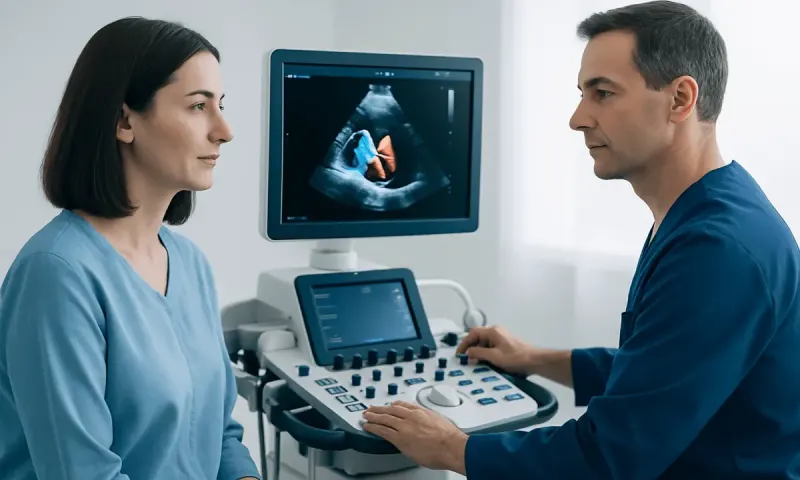
The main imaging test is an echocardiogram, an ultrasound of the heart. It shows the valve leaflets, how blood moves across the valve, whether there is leakage or narrowing, and how the right atrium and right ventricle are functioning. In many cases, echocardiography provides the key information needed to guide monitoring or treatment.
Additional tests may include an electrocardiogram, chest imaging, blood tests, cardiac MRI, or right heart catheterization in selected cases. These tests help clarify the severity of disease, identify its cause, and check for related conditions such as pulmonary hypertension or heart failure. If valve disease is suspected alongside broader structural heart problems, evaluation may also include assessment for heart valve disease affecting other valves.
Treatment options: monitoring, medicines, and procedures
Treatment for tricuspid valve disease depends on the type of problem, its severity, the symptoms it causes, and whether other heart conditions are present. Mild disease without symptoms may only need regular follow-up with repeat echocardiograms. Monitoring is important because the right side of the heart can slowly change over time.
Medicines do not usually fix the valve itself, but they can help control symptoms and treat contributing conditions. Diuretics may reduce fluid buildup and swelling. Doctors may also treat heart failure, rhythm disturbances, lung disease, or high pressures in the pulmonary circulation. When infection is the cause, prompt antibiotic treatment is essential.
If the valve problem is severe or causing right-sided heart dysfunction, a procedure may be needed. Depending on the anatomy and the patient’s overall condition, doctors may recommend heart valve repair or replacement. In some cases, treatment planning also involves managing related conditions such as arrhythmia treatment or, where symptoms reflect broader cardiac weakness, heart failure treatment.
Where it is possible, surgeons often prefer repair over replacement, since it keeps your own tissue. In advanced or complex cases, replacement may be the better choice. Either way, the decision is made for you personally, usually by a multidisciplinary heart team after detailed imaging and clinical assessment.
Living with tricuspid valve disease and reducing complications
Many people with tricuspid valve disease live well for years, especially when the condition is monitored carefully and underlying causes are treated. Follow-up appointments help doctors watch for changes in symptoms, right heart size, rhythm, or fluid balance. Patients are often advised to report increasing swelling, breathlessness, or reduced exercise tolerance rather than waiting for the next visit.
What you do at home supports your treatment, but it cannot stand in for it. Depending on the individual situation, clinicians may recommend limiting excess salt, taking medicines exactly as prescribed, staying physically active within safe limits, and managing blood pressure, lung disease, and sleep-related breathing issues. Good dental hygiene is also important because it helps lower the risk of bloodstream infections that can affect heart valves.
People with implanted devices, a prior history of endocarditis, or congenital heart disease may need more specialized follow-up. For international patients who need advanced evaluation, Acıbadem Health Point’s multidisciplinary specialists in JCI-accredited hospitals diagnose and treat tricuspid valve conditions using individualized care plans.
When to seek medical care
Medical review is appropriate if a person develops persistent fatigue, unexplained ankle swelling, abdominal swelling, shortness of breath, or a new awareness of irregular heartbeats. These symptoms do not always mean tricuspid valve disease, but they deserve assessment, especially in someone with known heart or lung conditions.
Urgent medical care is important for chest pain, fainting, severe shortness of breath, confusion, bluish discoloration, or rapidly worsening swelling. Fever with chills, especially in someone with a heart valve problem or a cardiac device, should also be assessed promptly because it may suggest infection.
Getting checked early often means a valve problem is caught before the right side of the heart is under real strain. A cardiologist can walk you through what the findings mean, whether watchful monitoring is enough, and when treatment should come into the picture.
Frequently asked questions
01What does the tricuspid valve do?
The tricuspid valve directs blood flow from the right atrium to the right ventricle and prevents backward leakage when the heart pumps. This helps blood move efficiently toward the lungs to receive oxygen.
02Can someone have a tricuspid valve problem without symptoms?
Yes. Mild tricuspid valve disease may cause no obvious symptoms and is sometimes discovered during a routine examination or heart ultrasound. Symptoms often appear gradually as the condition becomes more significant.
03Is tricuspid regurgitation the same as heart failure?
No, but the two can be related. Tricuspid regurgitation is a valve problem, while heart failure describes the heart not pumping effectively enough to meet the body’s needs. Either condition can contribute to the other, so both may need attention.
04How is tricuspid valve disease usually diagnosed?
Doctors usually begin with a physical examination and then confirm the diagnosis with an echocardiogram. This test shows the valve’s structure, how well it opens and closes, and whether the right side of the heart is under strain.
05Does every tricuspid valve problem need surgery?
No. Many mild cases are monitored over time and treated by addressing the underlying cause or controlling symptoms. Surgery or another valve procedure is usually considered when the disease is severe, progressive, or causing right heart dysfunction.
06Can lifestyle changes help tricuspid valve disease?
Lifestyle changes can support overall heart health and help manage symptoms, especially when fluid retention or other cardiovascular conditions are present. Useful measures may include limiting excess salt, taking medications as directed, and keeping regular follow-up appointments.
This article is for general information only and is not a substitute for professional medical advice. Please consult a qualified doctor about your individual situation.
Explore treatments in Turkey — costs, top hospitals & a free quote
JCI-accredited · board-certified surgeons · reply within 24h
Add us as a Preferred Source to see more of our trusted health content across Google Search, AI Overviews and Discover.