Transvaginal Ultrasound Price: What Affects Your Bill
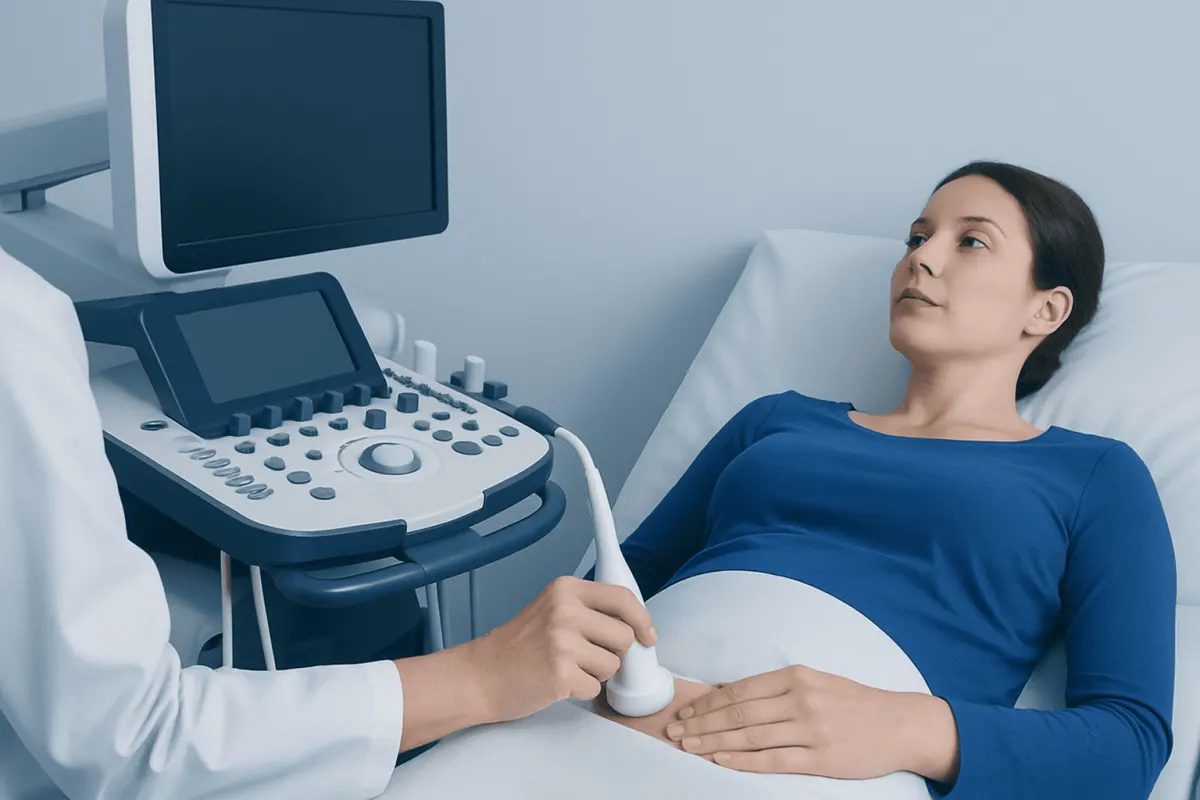
A transvaginal Ultrasound Price: What Shapes Your Final Bill" class="ahp-ilk">ultrasound price cannot be given as one standard figure because charges differ between healthcare systems, facilities, insurance plans and the reason for testing. Asking for an itemised estimate before the appointment can help patients understand what may be included in the bill.
What affects the transvaginal ultrasound price?
A transvaginal ultrasound price depends on where the examination takes place and what services are provided alongside it. A hospital imaging department, private clinic, fertility centre and emergency department may have different charging structures. Costs can also vary substantially between countries and regions, so a price quoted online may not apply to a particular patient or healthcare setting.
The fee may cover more than the scan itself. It can include registration, use of the ultrasound room and equipment, the sonographer’s work, a radiologist’s interpretation, a written report and a consultation with the requesting clinician. If the examination is performed urgently, outside regular hours, or as part of a wider assessment for pelvic pain, bleeding or pregnancy concerns, there may be additional charges.
For patients using private insurance, the final out-of-pocket amount may depend on deductibles, co-payments, prior authorisation requirements and whether the clinic is in-network. Patients paying directly can ask for a written, itemised estimate and clarify whether the estimate includes the scan report, clinician consultation, follow-up discussion and any tests that may be recommended after the result.
- Ask which professional fees are included.
- Confirm whether a radiology report is included in the estimate.
- Check insurance coverage and referral requirements before booking.
- Ask whether follow-up imaging or consultation would be billed separately.
Why is it so expensive to get an ultrasound?
An ultrasound can seem expensive because the charge reflects a clinical service rather than only the use of a machine. Ultrasound equipment requires regular maintenance and quality checks, while trained professionals perform the examination and interpret the images. Imaging facilities also have costs for staff, infection-control procedures, clinical records, scheduling systems and reporting.
The complexity of the clinical question may affect the resources involved. For example, a focused scan may be different from a detailed pelvic assessment that evaluates the uterus, ovaries, surrounding pelvic structures or early pregnancy. In some settings, a specialist may need to review images in real time, compare them with previous examinations or discuss findings with the referring doctor.
Prices may also reflect local healthcare funding systems and whether a service is delivered in a hospital, outpatient centre or emergency setting. Patients can often reduce uncertainty by checking coverage in advance, asking about lower-cost approved imaging centres where appropriate, and requesting a clear explanation of charges. However, choosing a facility should also take account of clinical quality, timeliness and access to qualified imaging professionals.
How a transvaginal ultrasound works
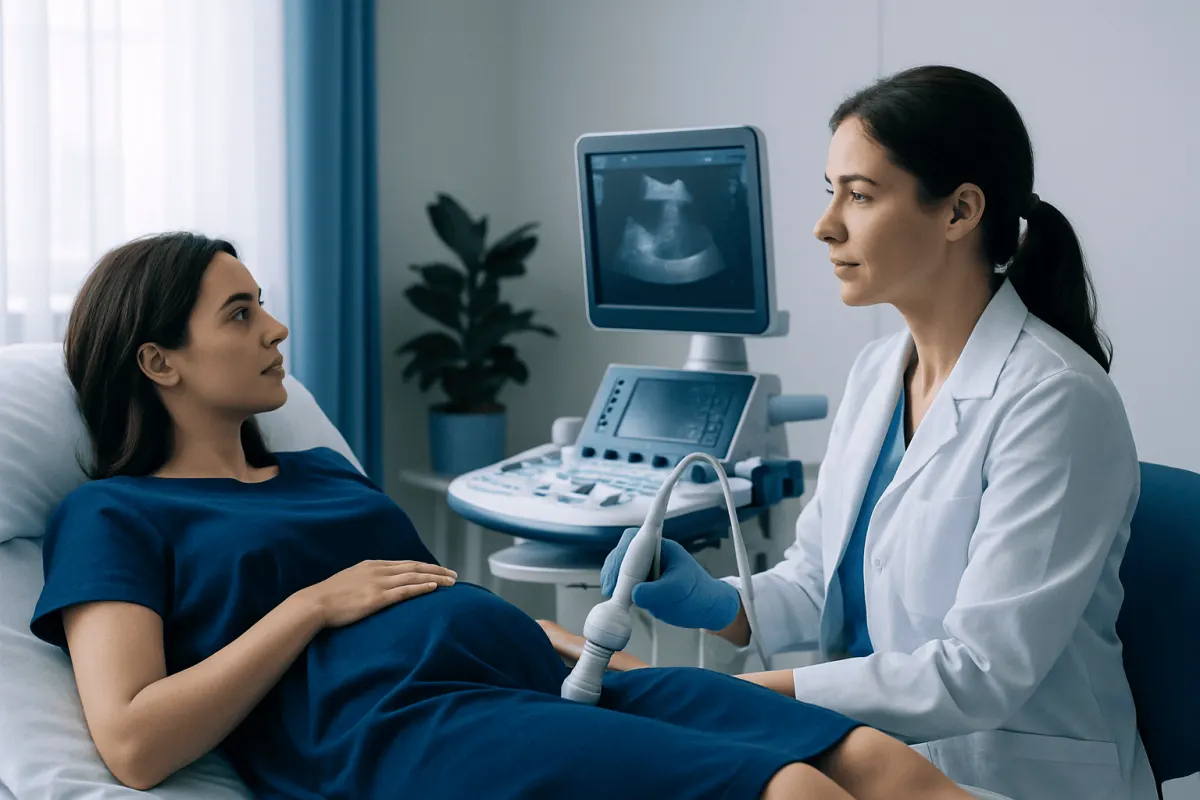
A transvaginal ultrasound is a pelvic imaging examination that uses high-frequency sound waves to create pictures of internal pelvic organs. A slim ultrasound probe is covered with a protective sheath and lubricating gel, then gently inserted a short distance into the vagina. The probe sends and receives sound waves, which are converted into images on a monitor.
Because the probe is close to the uterus and ovaries, transvaginal imaging can provide detailed views that may not be visible on an ultrasound performed over the abdomen. It does not use ionising radiation. The examination may be used to assess pelvic symptoms, investigate abnormal bleeding, examine ovarian or uterine changes, support fertility assessment or evaluate early pregnancy concerns.
Results should be interpreted in the context of symptoms, medical history, physical examination and, when needed, laboratory tests or other imaging. An ultrasound can identify many structural changes, but it does not always provide a complete diagnosis on its own. The referring clinician explains what the findings may mean and whether any further assessment is appropriate.
Who may need this pelvic examination?
A clinician may recommend transvaginal ultrasound for people with a vagina when a closer view of pelvic organs is needed. Common reasons include pelvic pain, irregular or unusually heavy menstrual bleeding, suspected ovarian cysts, concerns about fibroids, difficulty becoming pregnant, or monitoring a known pelvic condition. It may also be used in early pregnancy when clinically indicated.
The test is generally suitable for adults and adolescents when it is medically appropriate and the person is comfortable proceeding. A patient may decline a transvaginal examination, and the care team can discuss whether a transabdominal ultrasound or another approach could offer useful information. A transabdominal scan can be less detailed for some pelvic structures, but may be preferred in certain situations.
Patients should tell the clinician or sonographer about pregnancy, vaginal discomfort, prior pelvic surgery, current bleeding, infections, trauma, cultural or personal concerns, or any past distress related to intimate examinations. These details allow the team to explain options, gain informed consent and adapt the examination to promote comfort and dignity.
What happens during a transvaginal ultrasound?
Preparation is usually simple. The clinic will explain whether the bladder should be empty or partly full; for many transvaginal scans, an empty bladder provides clearer views. Patients may be asked to change into a gown and lie on an examination couch, usually with knees bent. A chaperone may be available according to local practice and patient preference.
The sonographer or doctor explains the examination before beginning and obtains consent. The covered, lubricated probe is inserted gently into the vagina. Patients can ask for the examination to pause or stop at any time. The probe may be moved slightly to obtain different views, and mild pressure or brief discomfort can occur, especially if the pelvis is already tender.
The scan commonly takes around 15 to 30 minutes, although timing varies with the reason for testing and the findings. Images are saved for review and a radiologist or qualified clinician prepares a report. Some facilities can discuss preliminary observations on the day, while others send the formal report to the referring clinician for follow-up.
When pelvic symptoms need evaluation, gynecology assessment and treatment can help place imaging results in the context of the patient’s overall health and care needs.
Benefits, risks and recovery after the scan
The main benefit of transvaginal ultrasound is detailed imaging of the uterus, endometrium and ovaries without radiation exposure. It can help clinicians investigate symptoms and decide whether monitoring, medication, further testing or specialist care is needed. It may also help clarify findings from an abdominal ultrasound.
Transvaginal ultrasound is generally considered low risk. Some people experience temporary pressure, mild discomfort or light spotting, particularly if they are already bleeding or have a sensitive cervix. The protective cover and cleaning procedures are used to reduce infection risk. Serious complications from the ultrasound examination itself are uncommon.
There is usually no recovery period. Most people can get dressed and return to work, exercise, driving, eating and other usual activities immediately. If a patient has ongoing pelvic symptoms, the symptoms may continue independently of the scan and should be discussed with the clinician. The care team will explain when and how results will be available.
Findings such as ovarian cysts or uterine fibroids may require further discussion but are often manageable. If an underlying condition is suspected, a clinician can advise on appropriate next steps, including assessment for endometriosis when symptoms and imaging findings suggest it may be relevant.
When to seek medical care
Patients should contact a doctor if pelvic pain, abnormal bleeding, unusual discharge, pain during sex, missed periods with possible pregnancy, or new abdominal swelling is persistent, worsening or affecting daily life. These symptoms can have many causes, and an ultrasound may be one useful part of an assessment.
Urgent medical care is important for severe or sudden pelvic or abdominal pain, heavy vaginal bleeding, fainting, dizziness, fever with pelvic pain, or possible pregnancy accompanied by pain or bleeding. These symptoms do not always indicate a serious problem, but timely assessment is important, particularly because early pregnancy complications need prompt evaluation.
After an ultrasound, patients should seek advice if they develop severe pain, heavy bleeding, fever, fainting or symptoms that feel significantly worse than before the appointment. For international patients, Acıbadem Health Point’s multidisciplinary specialists and JCI-accredited hospitals can assess pelvic symptoms and coordinate diagnostic care when needed.
Frequently asked questions
01How much does a transvaginal ultrasound cost?
There is no single standard transvaginal ultrasound price. The amount depends on the country, type of facility, reason for the scan, professional interpretation fees and insurance coverage. Patients can request an itemised estimate from the facility before the appointment.
02Does insurance cover a transvaginal ultrasound?
Coverage varies by insurance plan and by the medical reason for the scan. A referral, prior authorisation or use of an in-network imaging provider may be required. Patients should contact their insurer and the imaging facility before booking to understand possible out-of-pocket costs.
03Why is a transvaginal ultrasound more expensive in a hospital?
Hospitals may have higher operating costs and may provide access to emergency care, specialist consultation and more complex diagnostic services. The bill may also include separate facility and professional charges. This does not mean every hospital scan will cost more, but it is useful to ask what is included.
04Is a transvaginal ultrasound painful?
Most people describe the examination as uncomfortable rather than painful, although experiences vary. Mild pressure can occur as the probe is moved to obtain images, particularly when there is pre-existing pelvic tenderness. Patients can ask the clinician to pause or stop at any time.
05How long does it take to recover from a transvaginal ultrasound?
Recovery is usually immediate because the procedure does not require sedation, incisions or radiation. Most people resume normal activities right away. Mild temporary discomfort or light spotting can occur, but severe pain or heavy bleeding should be discussed with a clinician promptly.
06Can a transvaginal ultrasound detect ovarian cysts or fibroids?
It can often provide detailed images of the ovaries, uterus and surrounding pelvic structures, helping clinicians identify cysts, fibroids and other changes. However, results must be interpreted with symptoms, history and other test findings. Further testing may be recommended when the images do not fully explain a patient’s symptoms.
This article is for general information only and is not a substitute for professional medical advice. Please consult a qualified doctor about your individual situation.
IVF & fertility treatment in Turkey — success rates and costs
JCI-accredited · board-certified surgeons · reply within 24h
Add us as a Preferred Source to see more of our trusted health content across Google Search, AI Overviews and Discover.