

Tooth Infection: Symptoms, Causes and Treatment
- 8 min read
- Published November 28, 2026
Key Takeaways
- Tooth infections can begin quietly and then worsen as bacteria spread into deeper tooth structures or surrounding gum tissue.
- Common signs include persistent toothache, sensitivity, swelling, bad taste, and pain when chewing.
- Treatment may involve draining an abscess, root canal therapy, antibiotics in selected cases, or tooth removal if needed.
- Home care can ease discomfort temporarily, but it does not cure the infection.
- Prompt dental evaluation is important if swelling, fever, trouble swallowing, or spreading pain occurs.
A tooth infection usually starts when bacteria reach the inner layers of a tooth or the tissue around it, leading to pain, swelling, and sometimes an abscess. With timely dental care, most infections can be managed effectively and complications can often be prevented.
Overview
A tooth infection is an inflammatory reaction caused by bacteria entering the tooth or nearby tissues. It often starts with decay, a crack, gum disease, or a past dental procedure that left the tooth vulnerable. Once bacteria reach the pulp, the soft inner tissue containing nerves and blood vessels, pain and pressure can build quickly.
Many people think of a tooth infection as one problem, but it can involve different areas. The infection may sit at the tip of the tooth root, within the pulp, or in the gum and bone around the tooth. That difference matters because treatment is chosen according to where the infection has settled and how far it has spread.
For international patients, timing can be especially important. A small dental issue that is easy to treat during a planned visit can become more complicated if care is delayed while traveling. Early assessment helps dentists choose the simplest effective option and reduce the chance of emergency treatment away from home.
Symptoms
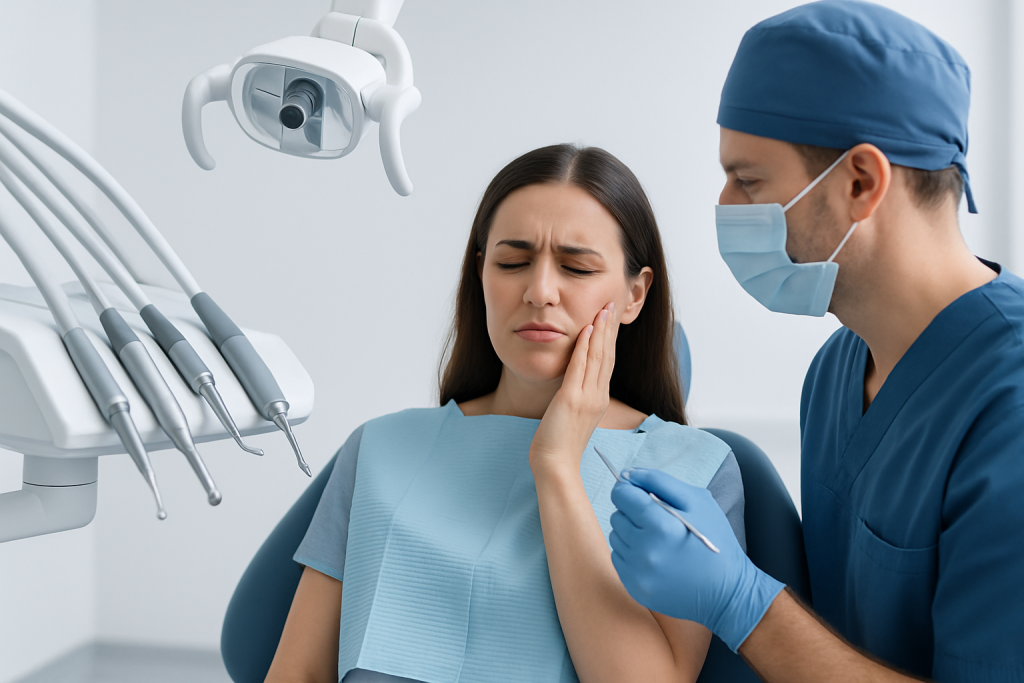
Tooth infection symptoms often start as a dull ache and then become more noticeable with chewing, tapping the tooth, or drinking hot or cold beverages. The pain may stay in one area or radiate to the jaw, ear, or head. Some people notice that the pain is worse at night or when lying down.
Other common signs include swelling of the gums, face, or jaw, a bad taste in the mouth, sensitivity to pressure, and tenderness near the affected tooth. In some cases, a small bump on the gum may appear and drain fluid, which can temporarily reduce pressure while the infection remains active.
- Persistent toothache or throbbing pain
- Swollen, red, or tender gums
- Facial or jaw swelling
- Bad breath or unpleasant taste
- Pain when biting or chewing
- Fever or a general feeling of being unwell in more advanced cases
Symptoms can vary, and some infections do not cause severe pain at first. That is one reason routine dental checkups remain useful: they can identify problems before they become painful or harder to treat.
Causes & Risk Factors

The most common cause of a tooth infection is untreated tooth decay. When a cavity deepens, bacteria may travel through the enamel and dentin into the pulp. A cracked tooth can create a similar pathway, allowing bacteria to enter even if the tooth looks intact from the outside.
Gum disease can also play a role by loosening the support around teeth and creating pockets where bacteria collect. Previous dental trauma, repeated dental work on the same tooth, or a weakened immune system may make infection more likely or make it harder for the body to control.
Risk is often higher when oral hygiene is inconsistent, sugary foods and drinks are frequent, or dental visits have been postponed. Dry mouth, smoking, uncontrolled diabetes, and certain medications that reduce saliva can also increase vulnerability because saliva helps protect the mouth by washing away bacteria.
Diagnosis
Diagnosis usually begins with a careful history and an examination of the teeth, gums, and surrounding tissues. A dentist will ask about pain patterns, swelling, sensitivity, previous dental work, and any fever or difficulty opening the mouth. These details help distinguish infection from other causes of tooth pain.
X-rays are often used to look for decay, bone changes, an abscess, or infection around the root tip. In some situations, additional imaging may be recommended if the dentist needs a clearer view of the surrounding structures or if swelling suggests the infection has moved beyond one tooth.
The evaluation also helps determine whether the tooth can be saved. That decision depends on how much healthy tooth remains, the extent of infection, the condition of the surrounding bone and gums, and the overall health of the patient. For someone arriving from another country, bringing prior dental records or recent imaging can make the assessment more efficient.
Treatment Options
Treatment focuses on removing the source of infection and relieving pressure. If the infection is confined to the tooth, root canal treatment may be recommended to clean the infected pulp, disinfect the canal space, and seal the tooth. A crown is often placed later to restore strength and function.
If pus has collected in an abscess, the dentist may need to drain it. Antibiotics can be useful in selected cases, especially when the infection is spreading or there are signs beyond the tooth itself, but they do not replace dental treatment. The infected tissue still needs to be addressed directly.
When a tooth cannot be saved, extraction may be the safest option. After removal, the dentist may discuss replacement choices such as an implant, bridge, or denture once the area has healed. The best plan is individualized and should take into account the severity of infection, the number of affected teeth, and the patient’s general health.
Care may also include pain relief, bite adjustment, and advice on rinsing and oral hygiene during recovery. If the infection is severe or accompanied by facial swelling, treatment may need to be started promptly to prevent it from spreading further.
Prevention & Self-care
Good daily oral care is the most reliable way to lower the risk of tooth infection. Brushing twice a day with fluoride toothpaste, cleaning between teeth with floss or interdental brushes, and keeping up with regular dental exams can help catch problems early. Small cavities are much easier to manage than deep infections.
Self-care can also reduce strain on an already painful tooth while a person is waiting to see a dentist. Soft foods, careful chewing on the opposite side, and avoiding very hot, cold, or sugary foods may help limit discomfort. Warm saltwater rinses can be soothing for some people, though they do not eliminate the infection.
- Maintain regular brushing and interdental cleaning
- Schedule dental visits even if pain settles temporarily
- Limit frequent sugary snacks and drinks
- Stay hydrated to support saliva flow
- Avoid smoking, which can slow healing and worsen gum health
It is important not to place aspirin or other medications directly on the gum or tooth, as this may irritate the tissue. Home measures should be viewed as temporary support while arranging professional treatment, not as a substitute for it.
When to See a Doctor
A dentist should be contacted promptly when tooth pain lasts more than a day or two, keeps returning, or is accompanied by swelling. Even if the discomfort eases, the underlying infection can remain active and continue to damage the tooth or surrounding bone.
Urgent assessment is especially important if the person has facial swelling, fever, difficulty swallowing, trouble breathing, a hard time opening the mouth, or swelling that spreads toward the eye or neck. These signs can indicate that the infection is no longer limited to a single tooth and needs immediate professional attention.
For travelers, it is wise not to wait until returning home if the symptoms are worsening. A local evaluation can prevent an urgent situation during the journey. Acibadem Health Point’s multidisciplinary specialists and JCI-accredited hospitals diagnose and treat dental infections for international patients, helping coordinate care before, during, and after travel.
After treatment, follow-up is important to make sure the tooth or extraction site is healing as expected. Any new swelling, increasing pain, or fever after the procedure should be reported to the dental team without delay.
Frequently asked questions
01Can a tooth infection go away on its own?
A tooth infection usually does not resolve completely without dental treatment. Symptoms may fluctuate, but the source of bacteria often remains in the tooth or surrounding tissue. Professional care is needed to remove the infection and prevent it from returning.
02Is a tooth infection always an emergency?
Not every tooth infection is a true emergency, but it should still be evaluated promptly. If there is facial swelling, fever, difficulty swallowing, or trouble breathing, urgent care is needed. These signs can mean the infection is spreading beyond the tooth.
03Why does my tooth infection hurt more at night?
Pain often feels worse at night because lying down can increase blood flow and pressure in the area. There are also fewer distractions, so the pain may seem more intense. This pattern is common and still warrants dental assessment.
04Do antibiotics cure a tooth infection?
Antibiotics may help control the spread of infection in certain situations, but they do not remove the source of the problem. A procedure such as drainage, root canal treatment, or extraction is often needed. The dentist decides whether antibiotics are appropriate based on the clinical picture.
05Can I travel with a tooth infection?
Travel is best planned only after a dental professional has assessed the infection, especially if swelling or severe pain is present. Flying or long travel can be uncomfortable and may complicate access to care if symptoms worsen. If travel is unavoidable, arrange evaluation as soon as possible before departure.
06How can someone tell the difference between tooth sensitivity and infection?
Sensitivity is often brief and linked to hot, cold, or sweet triggers, while infection usually causes more persistent pain, swelling, or tenderness. A tooth infection may also produce a bad taste, gum bump, or pain when biting. Because symptoms can overlap, a dental exam is the safest way to tell the difference.
This article is for general information only and is not a substitute for professional medical advice. Please consult a qualified doctor about your individual situation.
Explore treatments in Turkey — costs, top hospitals & a free quote
JCI-accredited · board-certified surgeons · reply within 24h
Add us as a Preferred Source to see more of our trusted health content across Google Search, AI Overviews and Discover.


How can we help you today?
Meet an Acibadem specialist by secure video, before you travel.
Book a video visit