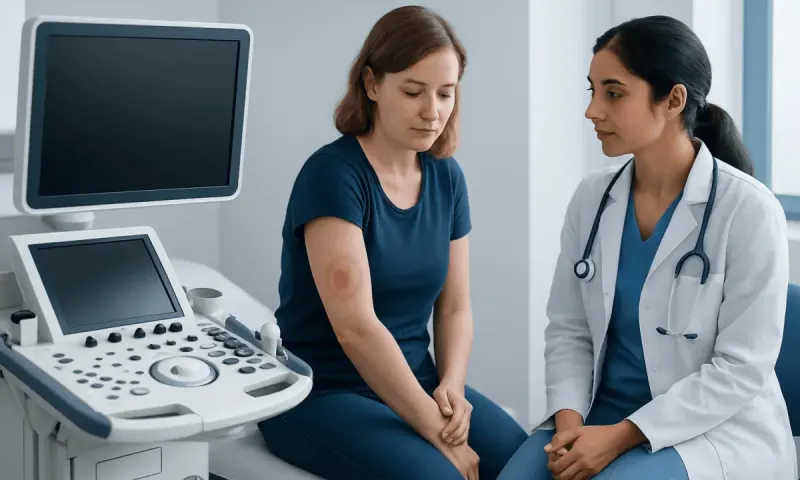
Tiny Black Bugs on My Skin: Possible Causes
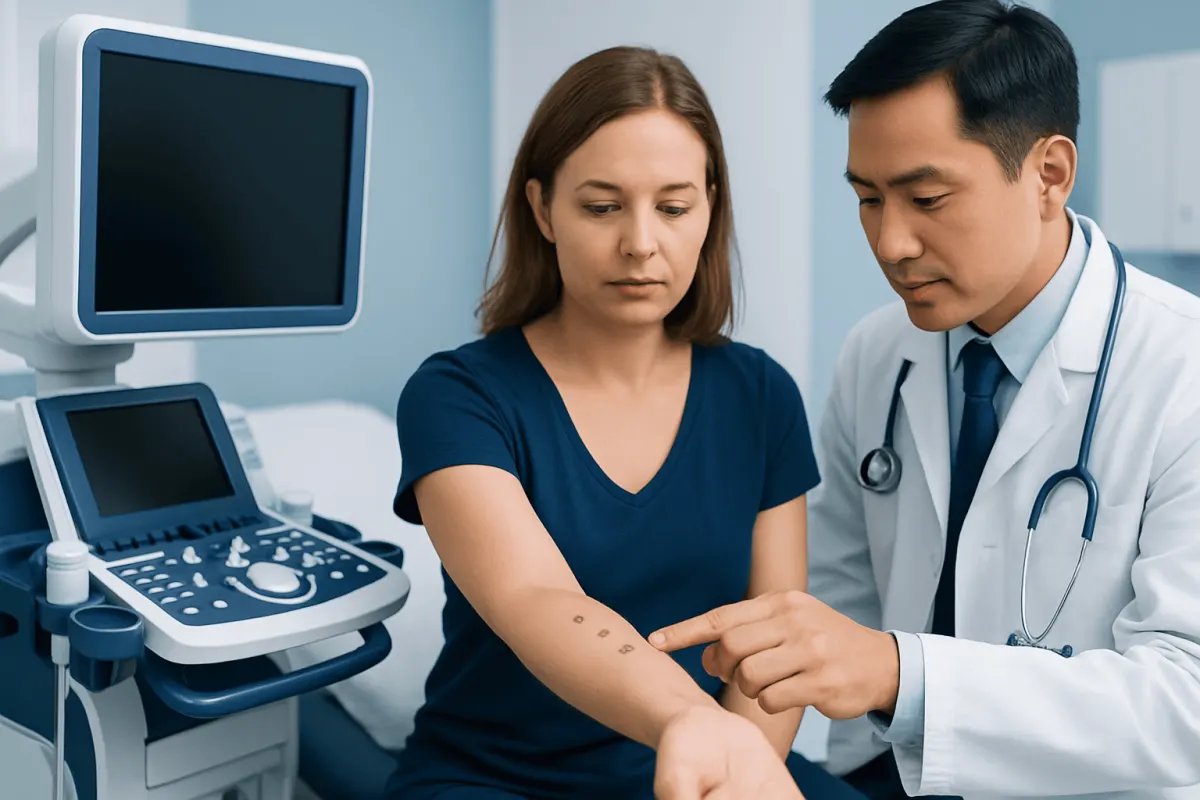
Tiny black bugs on my skin are most often insects from the environment, such as fleas or lice, or non-living material such as lint, dried blood, or skin debris. A careful look at the skin, clothing, bedding, pets, and surroundings can help identify the source and guide appropriate care.
What tiny black bugs on the skin usually mean
Seeing tiny black bugs on the skin can be unsettling, but it does not usually mean that insects are living beneath the skin. In most cases, the explanation is external: an insect has landed on the body, fleas have been brought in by a pet or another animal, or small particles such as fibers, dirt, dried blood, or scab material have been mistaken for bugs.
It is helpful to separate what is actually visible from what is felt. A person may see moving insects, notice dark specks that do not move, develop itchy bites, or experience a crawling or prickling feeling without finding an insect. These situations have different possible causes and may need different responses.
True insect-related skin problems are generally diagnosed by examining the insect, its eggs or droppings, the distribution of the rash, and possible exposures. A clinician can help if the cause remains unclear, symptoms are persistent, or treatment attempted at home has not helped.
Common explanations: insects, bites, and look-alikes
Fleas are very small, dark brown to black, fast-moving insects that can jump. They commonly enter homes through cats, dogs, or wildlife and often bite around the ankles, lower legs, waist, or areas beneath tight clothing. Flea bites may appear as small, intensely itchy red bumps, sometimes in clusters. The flea itself may be seen briefly on skin, bedding, rugs, or pet fur.
Lice are another possibility, although they do not jump. Head lice are usually found close to the scalp, especially behind the ears and at the back of the neck. Body lice typically live and lay eggs in clothing seams and move to the skin to feed, while pubic lice tend to attach to coarse hair. Their eggs, called nits, are firmly attached to hair or fabric and are often easier to find than the insects.
Other small creatures may be noticed around the body but are not necessarily feeding on people. Examples include gnats, mites associated with birds or rodents, and small household insects. Bed bugs are reddish-brown rather than truly black, are usually seen in bedding or furniture rather than continuously on skin, and may leave itchy bites after sleep.
Many non-living items can look like tiny black bugs. These include textile fibers, lint, mascara or cosmetic particles, dried skin, small scabs, and dried blood from scratching. A magnifying glass, a piece of clear tape, or a photo taken in good lighting may help distinguish a moving insect from a particle. Avoid repeatedly picking at the skin, as this can cause injury and infection.
How symptoms and patterns can offer clues

The location and timing of symptoms can be informative, although they cannot confirm a diagnosis by themselves. Itching around the scalp with visible nits may suggest head lice. Itchy papules on the lower legs after contact with a pet or carpeted area may be consistent with flea bites. New bites appearing after sleeping can raise the possibility of bed bugs, particularly if there are signs in mattress seams, bed frames, or nearby furniture.
Some people notice itching before a rash becomes visible. Insect bites can trigger a local inflammatory response, leading to redness, swelling, and scratching. Scratching may make marks look darker, crusted, or more widespread than the original bites. Eczema, contact dermatitis, hives, heat rash, and dry skin can also itch and may be mistaken for bites.
A crawling, tingling, or pinprick sensation on the skin is sometimes called formication. It can occur with dry or irritated skin, anxiety, sleep deprivation, certain medicines, nerve conditions, hormonal changes, or substance use, among other causes. The sensation is real and can be distressing even when no insect is found. It is important not to assume a cause without an examination.
When a person remains convinced that insects are present despite repeated lack of physical evidence, compassionate medical assessment is still appropriate. A doctor can look for dermatologic, neurologic, medication-related, and other health factors while taking the person’s symptoms seriously.
Causes and risk factors to consider
Exposure risk rises when there are pets with untreated fleas, contact with stray animals, wildlife nesting near the home, recent travel, shared living spaces, or close contact with a person who has lice. Fleas can remain in carpets, upholstered furniture, pet bedding, and cracks in flooring. Lice spread most often through close head-to-head contact or, less commonly, through shared personal items and clothing.
Environmental clues may be as important as the skin findings. A pet that is scratching, dark specks in pet bedding, insects in carpeted rooms, or marks appearing after particular activities can help identify a likely source. If possible, a sample collected on clear tape or in a sealed container may be useful for a pest professional or clinician to assess. Do not place chemicals, alcohol, bleach, or pesticides directly on the skin.
Not every itchy rash is caused by a pest. Fragranced products, laundry detergents, new clothing, sweating, and dry indoor air can irritate the skin. Scabies, which is caused by a microscopic mite, can produce intense itching and small bumps but is not usually seen as tiny black insects. It is a different condition that requires clinician-guided treatment.
People with very sensitive skin, eczema, allergies, or a history of strong reactions to bites may develop more noticeable swelling and itch. Children may scratch more because of discomfort, while older adults and people with reduced sensation may not notice minor bites until skin changes develop.
How a doctor identifies the cause
A healthcare professional will usually begin by asking when symptoms started, whether insects have been seen moving, where itching occurs, whether others in the household are affected, and whether there has been exposure to pets, travel, shared bedding, or new products. They will examine the skin and, when relevant, the scalp, hair shafts, body hair, and clothing.
The pattern of bites or rash can help narrow down possible causes, but it is rarely enough on its own to identify a specific insect. If a specimen or clear photograph is available, it may support the assessment. A doctor may also look for signs of secondary bacterial infection, such as warmth, tenderness, pus, or expanding redness caused by scratching.
When no insects are found, evaluation may focus on other explanations for itch or altered skin sensations. Depending on the person’s symptoms and medical history, this may include reviewing medicines and checking for skin conditions, allergic reactions, metabolic conditions, or nerve-related concerns. Testing is not always needed, but it may be considered when symptoms are persistent, widespread, or unexplained.
Safe treatment and practical home measures
Care should address both the skin symptoms and the source of exposure. For mild itchy bites, gentle washing, cool compresses, fragrance-free moisturizer, and avoiding scratching can reduce irritation. A pharmacist or doctor may recommend an appropriate anti-itch treatment based on the person’s age, skin condition, other medicines, and the appearance of the rash. Open or infected-looking skin should be assessed rather than treated with strong over-the-counter products without guidance.
If lice are confirmed, treatment generally includes a suitable medicated product and careful combing or removal of nits as advised. Close contacts may need checking, and recently used items should be cleaned according to public-health guidance. It is best to use lice treatment only when lice or viable nits are identified, since unnecessary insecticide use can irritate the skin and may not solve the problem.
For suspected fleas, pets should be assessed by a veterinarian and treated with a species-appropriate flea-control plan. Washing pet bedding, vacuuming rugs and upholstered furniture, and cleaning areas where pets rest can reduce exposure. If an infestation is substantial or continues despite cleaning, a licensed pest-control professional may be needed.
Do not use household insecticides, essential oils, kerosene, bleach, or veterinary flea products on human skin. These can cause burns, allergic reactions, or poisoning. If symptoms are severe, recurrent, or uncertain, a dermatologist or primary care clinician can recommend safer, targeted care.
When to seek medical care
Medical advice is recommended when itching is severe, lasts longer than a few days without improvement, keeps returning, disrupts sleep, or affects large areas of the body. A clinician should also assess a rash when the cause is unclear, no insect can be identified, or repeated home measures have not helped. This is especially important for infants, older adults, pregnant people, and individuals with weakened immune systems.
Prompt assessment is needed for increasing pain, warmth, swelling, pus, fever, red streaks, or rapidly spreading redness, as these can indicate a skin infection. Emergency care is appropriate for trouble breathing, swelling of the lips, tongue, or throat, faintness, or widespread hives after a bite, as these may be signs of a serious allergic reaction.
People experiencing persistent crawling sensations, distress about possible insects, or repeated skin injury from scratching or attempts to remove material should speak with a doctor. A respectful evaluation can identify treatable skin or health causes and help relieve symptoms. Acıbadem Health Point’s multidisciplinary specialists and JCI-accredited hospitals can assess skin concerns and related conditions for international patients.
Frequently asked questions
01Can tiny black bugs live under the skin?
Common household insects such as fleas, lice, and bed bugs do not live beneath the skin. Some microscopic parasites can affect the skin, but they are different from visible black bugs and need diagnosis by a healthcare professional. If there are persistent skin symptoms, an examination can clarify the cause.
02Are tiny black bugs on skin usually fleas?
Fleas are one possible cause, especially when there are itchy bites on the ankles or lower legs and a pet or home environment with flea exposure. However, dark specks can also be lint, dried blood, scabs, or other debris. Finding a moving insect or evidence on a pet or in bedding makes flea exposure more likely.
03How can someone tell the difference between fleas and lice?
Fleas jump and are often associated with pets, carpets, and bites on the lower body. Lice do not jump; head lice stay close to the scalp and their nits are attached firmly to hair shafts. A clinician, pharmacist, or experienced school health professional can help identify them if there is uncertainty.
04Why does skin feel like bugs are crawling when nothing is there?
A crawling sensation can result from dry or irritated skin, allergies, stress, poor sleep, medicines, or some nerve and medical conditions. The sensation can be very uncomfortable even when no insect is visible. A doctor can assess persistent symptoms and recommend appropriate treatment.
05Should a person use insect spray directly on the skin?
No. Household pesticides and many animal flea products are not designed for human skin and can cause chemical injury or poisoning. Skin symptoms should be managed with products recommended for people, while the environmental source is addressed separately.
06When are bites or itchy skin an emergency?
Emergency care is needed for breathing difficulty, swelling of the face or throat, faintness, or widespread hives after a bite. Urgent medical assessment is also appropriate for fever, rapidly spreading redness, pus, severe pain, or other signs of a skin infection. Most uncomplicated bites are not emergencies but may still benefit from medical advice if they persist.
This article is for general information only and is not a substitute for professional medical advice. Please consult a qualified doctor about your individual situation.
Hair transplant in Turkey — costs, graft counts & a free assessment
JCI-accredited · board-certified surgeons · reply within 24h
Add us as a Preferred Source to see more of our trusted health content across Google Search, AI Overviews and Discover.