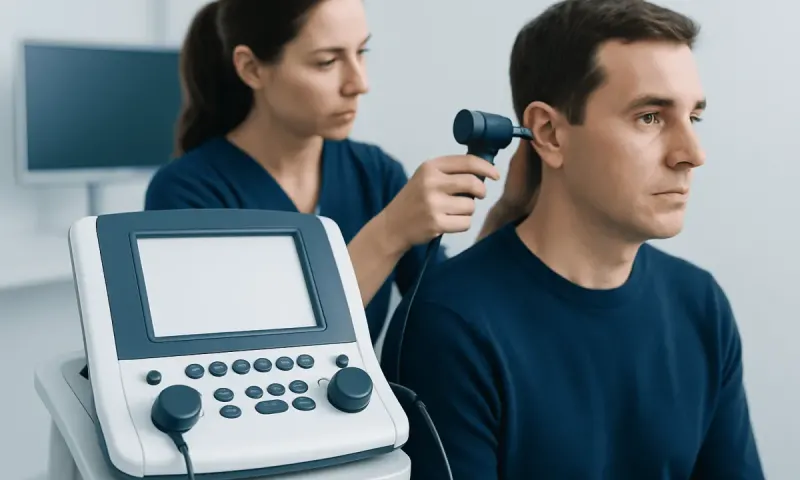
Tinnitus Often Traces Back to Hearing Loss or Ear Problems

Ever noticed a ringing in your ears when the room goes quiet? That’s tinnitus — the perception of sound when no external sound is present. It’s not a disease in itself. It’s a symptom, one that can be linked to hearing loss, noise exposure, ear problems, or other medical conditions. And treatment focuses on finding and addressing the cause whenever possible.
Overview: what tinnitus really means
Tinnitus is the perception of sound without an external source. People often describe it as ringing in the ears, but it may also sound like buzzing, humming, hissing, clicking, roaring, or a pulsing noise. Tinnitus can be heard in one ear, both ears, or seem to come from inside the head.
Tinnitus isn’t a disease on its own — it’s a symptom. Most often, it points to changes in the hearing system, especially hearing loss from aging or noise exposure. It may also occur with earwax blockage, middle or inner ear disorders, certain medications, jaw problems, or conditions that affect blood flow.
Tinnitus is common, and for most people it can be managed. Some barely notice it. For others, it disrupts sleep, concentration, mood, or daily comfort. A careful evaluation helps separate myths from facts by identifying whether tinnitus is likely related to the ear itself, the hearing nerve, or another medical issue that needs attention.
What tinnitus can sound and feel like
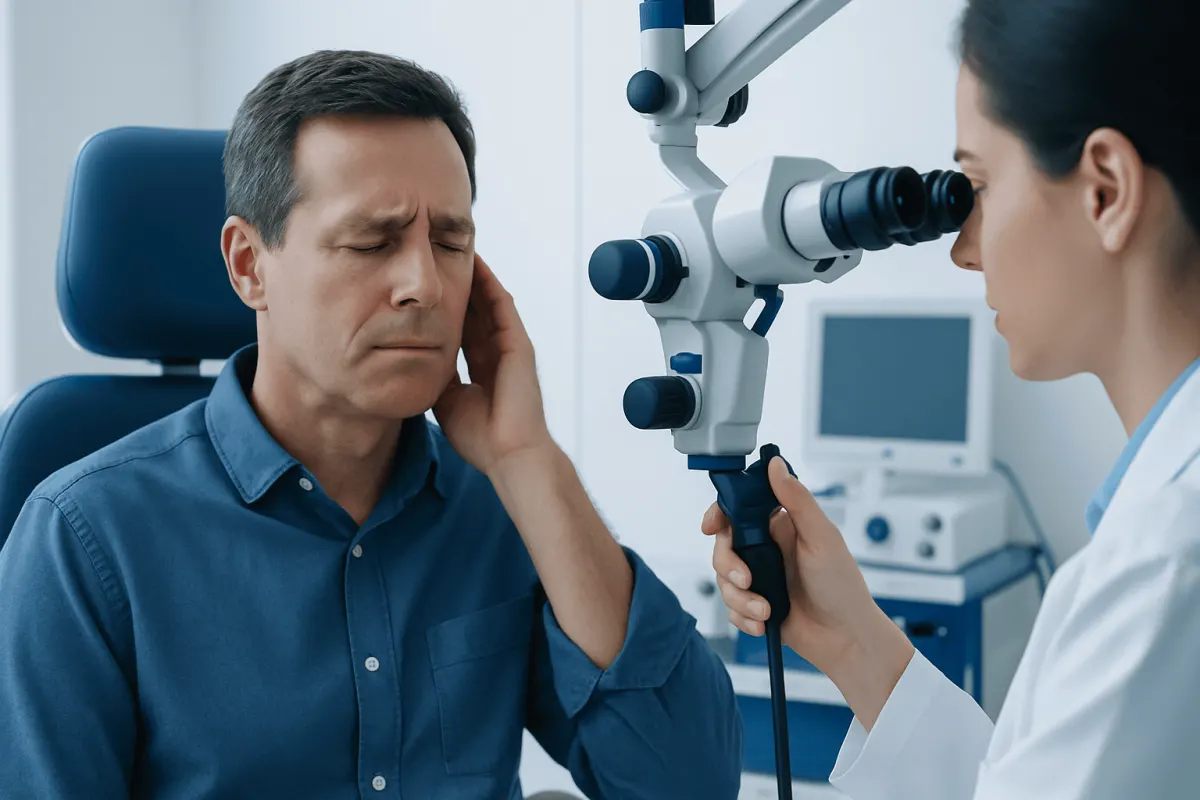
No two people describe tinnitus quite the same way. The sound may be constant or come and go. It can be soft or loud, high-pitched or low-pitched, and it may seem more noticeable in quiet environments, especially at night. Stress, fatigue, caffeine, illness, or recent noise exposure may make it more noticeable in some individuals.
Some people have subjective tinnitus, which means only they can hear it. This is the most common type. A less common form is objective tinnitus, in which a clinician may sometimes detect a sound during examination. Pulsatile tinnitus is a rhythmic sound that often matches the heartbeat and deserves special medical assessment because it can be linked to blood flow changes.
Tinnitus may occur on its own or together with other symptoms. These can include trouble hearing speech clearly, a feeling of ear fullness, sensitivity to sound, dizziness, balance symptoms, or ear pain. If tinnitus starts suddenly or comes with rapid hearing changes, don’t wait — get it checked promptly.
- Common descriptions: ringing, buzzing, hissing, humming, clicking, roaring
- Common patterns: intermittent, constant, one-sided, both ears, or pulsatile
- Common effects: disturbed sleep, difficulty concentrating, anxiety, irritation, or reduced quality of life
Causes and risk factors: evidence-based, not myth-based

The most common association with tinnitus is hearing loss. This can happen with age-related hearing changes or after repeated exposure to loud sound, such as loud music, machinery, power tools, firearms, or noisy workplaces. Even when hearing loss feels mild, subtle changes in the auditory system may contribute to tinnitus.
Other ear-related causes include earwax blockage, middle ear infections, eustachian tube dysfunction, and inner ear disorders such as vertigo-related inner ear conditions or Meniere-type syndromes. Tinnitus may also be related to head or neck injury, temporomandibular joint problems, or pressure changes affecting the ear.
Some medicines are known to trigger or worsen tinnitus in certain people, especially at higher doses or with prolonged use. Examples can include some pain relievers, certain antibiotics, chemotherapy agents, and loop diuretics. Never stop a prescribed medication on your own — but do ask your doctor whether a drug could be playing a part.
Less commonly, tinnitus can be associated with circulation-related issues, thyroid disease, anemia, high blood pressure, or growths involving the hearing nerve or surrounding structures. One-sided tinnitus, pulsatile tinnitus, or tinnitus with asymmetrical hearing loss may lead a clinician to investigate for a structural cause, including conditions such as acoustic neuroma.
How doctors diagnose tinnitus
Diagnosis starts with a detailed history. A doctor will ask what the sound is like, when it began, whether it affects one or both ears, and whether it changes with head position, exercise, stress, or jaw movement. They will also ask about hearing difficulties, dizziness, ear infections, recent loud noise exposure, medical conditions, and current medications.
The physical examination usually includes the ears, head and neck, and sometimes the jaw and neurologic system. A clinician may look for earwax, signs of infection, eardrum changes, or vascular clues. Hearing tests are commonly recommended because tinnitus and hearing loss often occur together, even when the hearing change is not obvious in everyday life.
Further tests depend on the pattern of symptoms. If tinnitus is one-sided, pulsatile, or linked to neurologic symptoms, imaging or vascular studies may be needed. In selected cases, doctors may use MRI or CT scanning to look for structural or vascular causes. This stepwise approach helps avoid unnecessary testing while still identifying conditions that require treatment.
Treatment options and symptom management
No single treatment works for everyone with tinnitus — the right approach depends on what’s behind it. If the symptom is linked to earwax, infection, medication effects, blood pressure problems, or another identifiable issue, treating that problem may reduce or resolve the tinnitus. When hearing loss is present, improving hearing can make tinnitus less noticeable for many people.
Hearing aids are often helpful in people who have both hearing loss and tinnitus. By improving access to environmental sounds and speech, they can reduce the contrast between tinnitus and silence. In some cases, clinicians may suggest sound therapy, such as low-level background sound, tinnitus maskers, or smartphone-based sound programs to help the brain pay less attention to the noise.
Counseling-based approaches can also be effective. Education, tinnitus retraining strategies, and cognitive behavioral therapy techniques may reduce distress, improve sleep, and help a person regain a sense of control even when the sound does not disappear completely. Relaxation methods, stress management, and sleep support are often part of a practical care plan.
If an ear, nose, and throat specialist suspects an underlying ear disorder, treatment may involve targeted ENT care, including ear surgery in selected situations. For some patients, assessment by ENT specialists is the most appropriate next step. Near the end of the care pathway, multidisciplinary centers such as Acıbadem Health Point can evaluate tinnitus for international patients in JCI-accredited hospitals when specialist assessment is needed.
Self-care, prevention, and daily coping
Self-care won’t replace a medical evaluation, but it can make tinnitus easier to live with. Start by protecting your hearing — it’s one of the most important steps you can take. People who work or spend time in loud settings should use properly fitted hearing protection and take listening breaks. Personal audio devices should be kept at a moderate volume.
Good sleep habits can also help. Tinnitus is often more intrusive in silence, so some people benefit from gentle background sound at night, such as a fan, white noise, or soft environmental audio. Regular physical activity, stress reduction, and limiting nicotine may also reduce symptom intensity for some individuals.
Rather than assuming one single trigger, pay attention to patterns. For some people, alcohol, caffeine, salt, or lack of sleep may make symptoms more noticeable, while for others they do not. A symptom diary can help identify personal patterns. Over-the-counter products marketed as tinnitus cures should be approached with caution, because strong evidence for many of these remedies is lacking.
- Use hearing protection in loud environments
- Keep headphone and earbud volume at a safe level
- Use background sound if quiet makes symptoms worse
- Prioritize sleep, stress management, and general health
- Seek medical advice before changing prescription medications
When to seek medical care
Tinnitus should be assessed if it is persistent, bothersome, or affecting sleep, concentration, mood, or daily function. A doctor can help determine whether it is likely related to hearing loss, a treatable ear condition, medication effects, or a less common cause that needs further testing.
Prompt medical attention is especially important if tinnitus starts suddenly, affects only one ear, has a pulsing or heartbeat-like pattern, or occurs with sudden hearing loss, dizziness, severe ear pain, ear drainage, facial weakness, or neurologic symptoms. These features don’t always mean something serious — but they are good reasons not to put off an evaluation.
Children and older adults should also be assessed when tinnitus is suspected, because they may not describe symptoms clearly. Early evaluation can help identify hearing or ear problems and guide support before the symptom causes avoidable distress.
Frequently asked questions
01Is tinnitus a disease?
No. Tinnitus is a symptom, meaning it is a sign that something is affecting the hearing system or another part of the body. Common contributors include hearing loss, loud noise exposure, ear conditions, medications, and sometimes circulation-related problems.
02Can tinnitus go away on its own?
It can, especially if it is related to a temporary trigger such as recent loud noise exposure, an ear infection, or earwax blockage. However, persistent tinnitus should be evaluated because treatment may depend on identifying an underlying cause.
03What causes ringing in one ear only?
One-sided tinnitus may occur with earwax, hearing loss, infection, or inner ear conditions, but it sometimes requires further testing to rule out a structural cause. Because unilateral tinnitus can need a more focused evaluation, it is best assessed by a qualified doctor.
04Is pulsatile tinnitus different from regular tinnitus?
Yes. Pulsatile tinnitus is a rhythmic sound that often follows the heartbeat, while most other tinnitus sounds are non-rhythmic. Pulsatile tinnitus deserves medical assessment because it can be related to blood flow changes or vascular conditions.
05Do hearing aids help tinnitus?
They often do when tinnitus occurs together with hearing loss. By improving hearing and increasing access to everyday sounds, hearing aids can make tinnitus less noticeable and reduce listening strain.
06Are there proven cures for tinnitus supplements?
There is no universally proven supplement that cures tinnitus. Some products are marketed aggressively, but evidence is limited for many of them, so it is wise to discuss any supplement with a doctor before use.
This article is for general information only and is not a substitute for professional medical advice. Please consult a qualified doctor about your individual situation.
Explore treatments in Turkey — costs, top hospitals & a free quote
JCI-accredited · board-certified surgeons · reply within 24h
Add us as a Preferred Source to see more of our trusted health content across Google Search, AI Overviews and Discover.