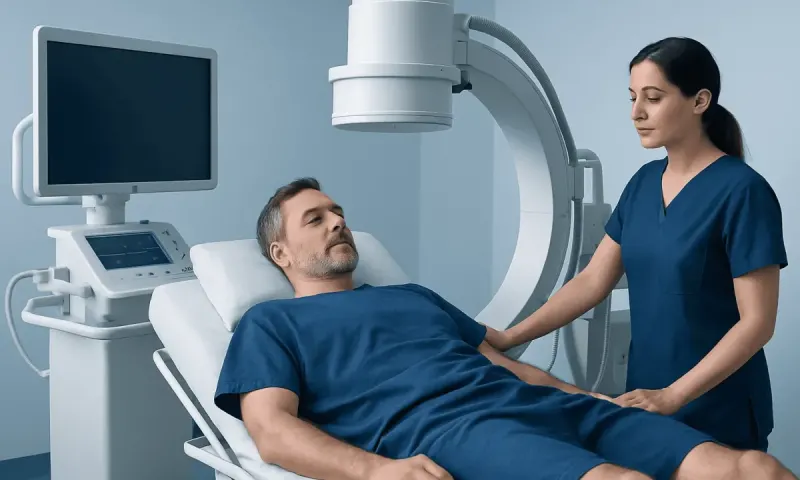
Tib Fib Fractures: Symptoms, Treatment, and Recovery
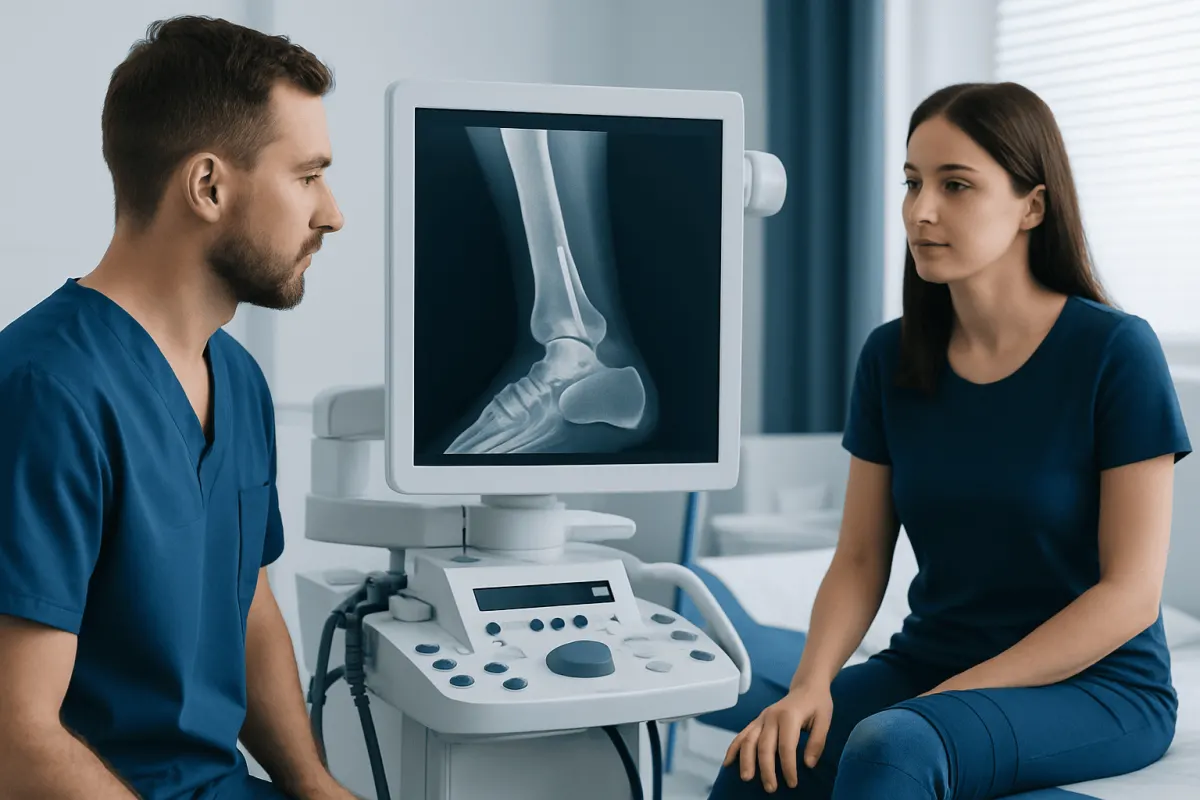
“Tib fib” commonly refers to an injury involving the tibia (shinbone) and fibula, the two long bones of the lower leg. It may describe a fracture of one or both bones, and the right treatment depends on the fracture pattern, alignment, skin condition, circulation and overall health.
Tib Fib: What Does the Term Mean?
“Tib fib” is an informal term used for the tibia and fibula, the two bones between the knee and ankle. The tibia is the larger, inner bone commonly called the shinbone. It supports most body weight and forms part of both the knee and ankle joints. The fibula is the thinner outer bone; although it bears less weight, it helps stabilize the ankle and provides important attachment points for muscles and ligaments.
In medical conversations, a “tib fib fracture” usually means a break in the tibia, the fibula, or both bones at the same time. The phrase alone does not describe how serious the injury is. A small, stable fibular fracture near the ankle differs greatly from a displaced fracture of both bones caused by a high-energy injury.
Lower-leg fractures need careful assessment because nearby skin, muscles, nerves, arteries and veins can also be affected. Prompt evaluation helps clinicians confirm bone alignment, check blood flow and sensation in the foot, and select treatment that supports safe healing and a return to movement.
How Tib Fib Fractures Happen
Tib fib fractures can occur when force exceeds the strength of the bone. Common causes include falls, twisting injuries during sport, direct impact, road traffic collisions and work-related accidents. A twisting force may create a spiral fracture, while a direct blow may cause a transverse or more complex break. High-energy trauma can produce multiple fracture pieces and greater injury to surrounding soft tissues.
Not every fracture follows a major accident. Bones may be more vulnerable in people with osteoporosis, nutritional deficiencies, long-term use of certain medicines, or conditions that affect bone strength. Repeated impact from running, jumping or military-style training can also lead to a stress fracture, which is a small crack that develops gradually rather than a sudden complete break.
Children may sustain different fracture patterns because their bones are still growing and are more flexible than adult bones. In any age group, clinicians consider the location of the break, whether it extends into a joint, the condition of the skin, and whether the fracture is open or closed. An open fracture means there is a wound that communicates with the broken bone and requires urgent treatment because of infection risk.
Signs and Symptoms: Beyond a Sore Shin

Pain after an injury is common, but a tibia or fibula fracture often causes marked pain that worsens with standing or attempting to walk. Swelling, tenderness, bruising and difficulty putting weight through the leg are also frequent. Some people hear or feel a snap at the time of injury, although this does not happen in every fracture.
A leg may look crooked, shortened or unusually rotated when bones have moved out of alignment. However, a fracture can still be present when the leg looks normal, particularly with stress fractures or nondisplaced breaks. Persistent focal pain over the bone after an impact or a period of increased exercise should be medically assessed rather than dismissed as a simple bruise or shin splints.
Changes in the foot require particular attention. Numbness, tingling, weakness, increasing tightness, a pale or blue appearance, or a foot that feels unusually cool can suggest pressure on nerves or impaired circulation. Severe pain that seems out of proportion to the visible injury, especially pain with stretching the toes, may be a warning sign of compartment syndrome, an uncommon but urgent complication caused by rising pressure inside the leg muscles.
- Sudden inability to bear weight after an injury
- Visible deformity or bone seen through a wound
- Rapidly increasing swelling or pain
- Numbness, weakness, or color and temperature changes in the foot
How Clinicians Diagnose a Tib Fib Injury
Diagnosis begins with a description of how the injury happened and a physical examination. A clinician checks where the leg is tender, whether the skin is intact, and whether the knee and ankle may also be involved. They also document pulses, skin color, warmth, movement and sensation below the injury. These checks may be repeated, as swelling and symptoms can change over time.
X-rays from more than one angle are the main test for suspected tibia and fibula fractures. They show the location of the break, whether the fragments are displaced, and whether the fracture reaches the knee or ankle joint. Images often include the joints above and below the painful area because an injury in one part of the leg can be associated with another injury elsewhere.
A CT scan may provide more detailed images for complex fractures, joint involvement, or surgical planning. MRI is more useful when a stress fracture, bone bruise, ligament injury or other soft-tissue problem is suspected but not visible on an initial X-ray. Normal early X-rays do not always exclude a stress fracture; follow-up imaging may be appropriate if symptoms persist.
Treatment Options and the Healing Process
Treatment aims to restore safe bone alignment, protect the surrounding tissues, control pain and support healing. For a stable fracture in a good position, treatment may involve a splint initially, followed by a cast or removable brace. The timing of weight bearing varies widely. Some people may be allowed to place limited weight on the leg, while others need crutches, a walker or a wheelchair until a clinician confirms it is safe.
If bones are significantly displaced, unstable, open, or associated with injury near a joint, surgery may be recommended. Orthopedic surgeons may align and stabilize the bone using an intramedullary nail, plates and screws, or an external fixator. The method is chosen according to the fracture location, soft-tissue condition, overall health and other injuries. Open fractures typically need urgent cleaning of the wound and antibiotics alongside stabilization.
Healing time differs from person to person. It is influenced by the type of fracture, blood supply, smoking status, nutrition, medical conditions and whether the bone remains stable during recovery. Follow-up appointments and X-rays help confirm that healing is progressing. Physiotherapy commonly focuses on restoring ankle, knee and hip movement, rebuilding muscle strength, improving balance and gradually returning to walking or sport.
Pain medicines should be used only as advised by a qualified clinician, especially for people with kidney disease, stomach ulcers, heart conditions, pregnancy, or other medical concerns. Smoking and nicotine products can interfere with bone healing, so stopping or reducing nicotine exposure is an important part of recovery planning.
Practical Self-Care and Common Myths
Until a suspected fracture has been assessed, the safest approach is to avoid putting weight on the injured leg and avoid trying to straighten it. Keeping the leg supported, applying a wrapped cold pack for short periods, and elevating it when comfortable may help limit swelling. Ice should not be placed directly on the skin, and any temporary splint should not be tightened around a swollen limb.
Once treatment has started, following the weight-bearing instructions is essential. Walking too soon on an unstable fracture can shift the bone fragments and delay healing, while prolonged avoidance of activity without medical guidance can lead to stiffness and loss of strength. Patients should keep casts, braces and surgical wounds dry or cared for exactly as instructed, and should attend planned follow-up visits.
One common myth is that a person cannot have a fracture if they can still move their toes or take a few steps. In reality, some nondisplaced fractures allow limited movement and weight bearing. Another myth is that all tib fib fractures need surgery. Many do not, but fractures involving the weight-bearing tibia or poor alignment need careful orthopedic review because their treatment requirements can be more complex.
A balanced diet with enough protein, calcium and vitamin D supports general bone health, although supplements are not a replacement for fracture care and should not be started in high doses without professional advice. Rehabilitation should progress at an individual pace; pain, swelling and imaging results all help guide return to activities.
When to Seek Medical Care
Urgent medical care is needed after a significant lower-leg injury if there is severe pain, inability to bear weight, obvious deformity, a deep wound, or concern that a bone may have broken. Emergency assessment is also important if the foot becomes numb, weak, cold, pale, blue, or increasingly painful. These symptoms can indicate problems with circulation, nerves or pressure within the leg that should not wait.
Medical review should also be arranged for ongoing shin pain that does not improve with rest, especially after a fall, impact, or recent increase in exercise. This is particularly relevant when pain is localized to one spot on the bone, occurs at rest or at night, or returns each time activity resumes. Early assessment can identify stress injuries before they become more serious.
People already being treated for a tib fib fracture should contact their care team if swelling increases suddenly, a cast feels excessively tight, pain is not controlled by the agreed plan, there is fever or wound drainage, or toes become difficult to move. Acıbadem Health Point’s multidisciplinary specialists and JCI-accredited hospitals diagnose and treat orthopedic injuries for international patients, with care plans based on the individual injury and recovery needs.
Frequently asked questions
01Is tib fib the same as a broken leg?
Tib fib usually refers to the tibia and fibula, the two bones of the lower leg. A tib fib fracture is therefore a type of broken leg, but the phrase does not specify whether one bone or both bones are broken, or how severe the fracture is.
02Can a tib fib fracture heal without surgery?
Yes, some stable fractures that remain well aligned can heal with a cast, brace and appropriate protection from weight bearing. Surgery is more likely to be considered when the fracture is displaced, unstable, open, involves a joint, or cannot be held in a safe position without fixation.
03How long does a tib fib fracture take to heal?
Healing varies considerably according to the fracture pattern, treatment, blood supply and the person’s general health. Bone healing often takes weeks to months, and full recovery of strength, movement and confidence with activity may take longer. Follow-up imaging and clinical examinations guide the <a href="https://www.acibademhealthpoint.com/blog/knee-replacement-recovery-timeline-what-to-expect/" title="Knee Replacement Recovery Timeline: What to Expect" class="ahp-ilk">recovery timeline.
04Can a person walk with a fractured fibula?
Some isolated fibula fractures may still allow a person to walk, particularly if the fracture is stable. However, walking does not rule out a fracture, and continuing to bear weight before assessment may worsen some injuries. A clinician should advise when weight bearing is safe.
05What is the difference between shin splints and a tibial stress fracture?
Shin splints usually cause more diffuse pain along the inner edge of the shin and are often related to overuse. A tibial stress fracture more often causes pain in a specific small area of bone and may become painful with normal walking or at rest. Assessment and imaging may be needed because early stress fractures are not always visible on X-ray.
06What complications can happen after a tib fib fracture?
Possible complications include delayed healing, failure of the bone to unite, malalignment, infection after an open fracture or surgery, stiffness, and blood clots related to reduced mobility. Compartment syndrome and circulation problems are less common but urgent concerns. Careful follow-up and reporting new symptoms promptly can help reduce risks.
This article is for general information only and is not a substitute for professional medical advice. Please consult a qualified doctor about your individual situation.
Joint and spine care in Turkey — expert assessment & treatment
JCI-accredited · board-certified surgeons · reply within 24h
Add us as a Preferred Source to see more of our trusted health content across Google Search, AI Overviews and Discover.