Thymus Gland: Function and Disorders

Key Takeaways
- The thymus helps T-cells mature, supporting immune defense.
- The gland is most active in childhood and gradually shrinks after puberty.
- Thymus problems may cause no symptoms or may be found during tests for other concerns.
- Imaging, blood tests, and sometimes biopsy are used to evaluate thymus disorders.
- Treatment depends on the cause and may include monitoring, surgery, medication, or other specialist care.
The thymus gland is a small organ in the chest that helps shape the immune system, especially early in life. Most people never notice it, but changes in the thymus can sometimes be linked to conditions such as myasthenia gravis or thymoma.
Overview
The thymus gland is a small, soft organ located behind the breastbone and in front of the heart. It belongs to the immune system, where it helps train certain white blood cells called T-cells. These cells play an important role in recognizing and responding to germs, while helping the body avoid attacking its own tissues.
The thymus is especially active during childhood and adolescence, when the immune system is still developing. After puberty, it gradually becomes smaller and is partly replaced by fat tissue, though it does not disappear completely. Because of this natural change, many adults go through life without ever thinking about the thymus unless it appears on a scan or becomes part of a medical evaluation.
When people search for information about the thymus gland, they are often trying to understand a finding on imaging, a diagnosis such as thymoma, or a link between the thymus and an autoimmune condition. In those moments, clear information matters. A thorough review by the right specialist can show whether the thymus is simply a normal structure or whether it needs attention.
Symptoms
A healthy thymus usually causes no symptoms. In many people, it is only seen incidentally on a chest scan done for another reason. Symptoms are more likely when the gland becomes enlarged, develops a tumor, or is connected to another condition affecting nearby structures or the immune system.
Possible symptoms can vary widely depending on the underlying problem. Some people may notice chest discomfort, cough, shortness of breath, or a feeling of pressure behind the breastbone. If the thymus disorder is related to myasthenia gravis, symptoms may include drooping eyelids, double vision, muscle weakness that worsens with activity, or trouble speaking, chewing, or swallowing.
- Chest pain or pressure
- Persistent cough
- Shortness of breath
- Swelling or fullness in the face or neck in some cases
- Muscle weakness, eye symptoms, or fatigue if an autoimmune disorder is present
Because these symptoms are not specific to the thymus alone, they deserve medical assessment rather than assumptions. A doctor can help connect the signs to the correct cause and avoid unnecessary worry.
Causes & Risk Factors

Many thymus findings are not caused by illness at all. A prominent thymus in a child or young adult may be a normal part of growth. In adults, however, doctors pay closer attention to thymic enlargement or a mass because the possibilities widen, including inflammation, cysts, thymoma, lymphoma, or other mediastinal growths.
One of the best-known conditions associated with the thymus is myasthenia gravis, an autoimmune disease in which communication between nerves and muscles is impaired. In some people, the thymus may contain abnormal immune tissue that appears to contribute to the condition. The thymus can also be involved in other autoimmune or rare endocrine syndromes, though the exact relationship may differ from one person to another.
Risk factors depend on the diagnosis, not just on the organ itself. Age, a personal history of autoimmune disease, and the appearance of the thymus on imaging all help guide the level of concern. International patients often arrive with prior scans or biopsy reports from home, and comparing those results carefully can make the next steps more precise and less stressful.
Diagnosis
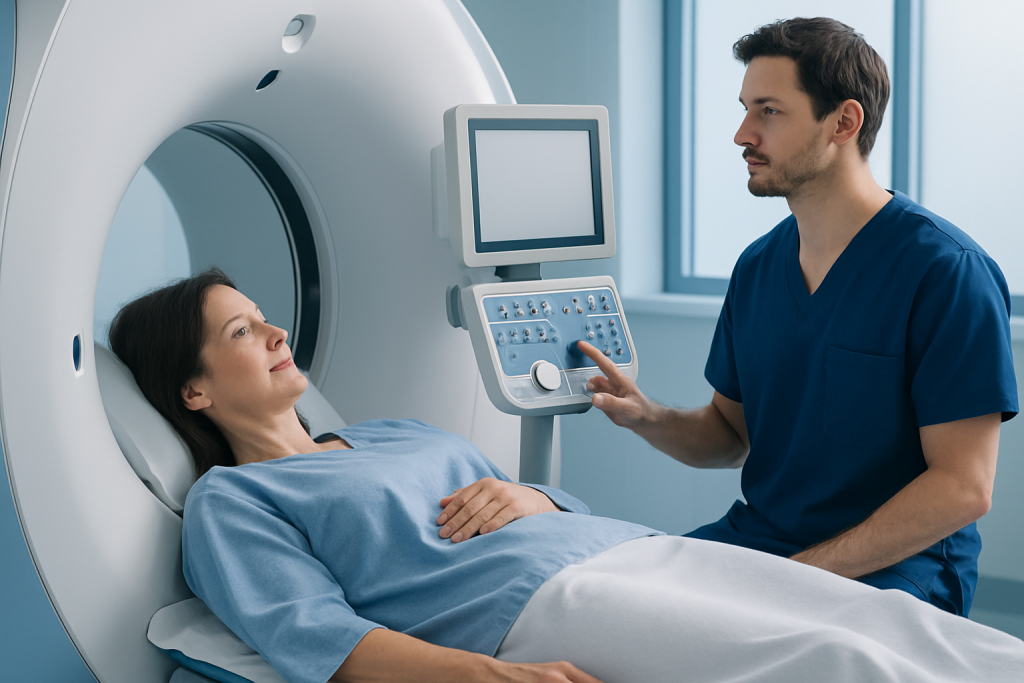
Evaluation usually begins with a medical history and physical examination. If symptoms suggest a thymus-related problem, or if imaging has already shown an abnormality, the next step is often a chest CT scan or MRI. These studies help doctors determine the size, shape, and location of the thymus and whether the finding looks like normal tissue, a cyst, a tumor, or another type of mass.
Blood tests may be used when an autoimmune condition such as myasthenia gravis is suspected. In some cases, doctors may recommend specialized nerve and muscle testing as well. If imaging suggests a tumor or if the diagnosis remains unclear, a biopsy or surgical removal may be needed so that tissue can be examined under a microscope.
The diagnostic path is often more than a single test. Specialists may look at several clues together: symptoms, age, scan features, laboratory findings, and whether the mass seems stable over time. For people traveling for care, it is helpful to bring previous imaging on disk or by file, along with pathology reports and medication lists, so the team can avoid repeating unnecessary tests and can plan care efficiently.
Treatment Options
Treatment for thymus conditions depends on the cause. When the thymus appears normal or only mildly enlarged and there are no concerning features, doctors may simply recommend observation with follow-up imaging. This is common when the goal is to confirm that a finding stays stable over time.
If a thymoma or another thymic tumor is present, surgery may be the main treatment when the growth can be removed safely. Depending on the tumor type and stage, additional treatments such as radiation therapy or chemotherapy may be discussed. The exact plan is individualized, and the best option is usually decided by a team that may include thoracic surgeons, oncologists, radiologists, and neurologists.
When the thymus is linked to myasthenia gravis, treatment focuses on controlling symptoms and the immune response. This may involve medicines prescribed by a doctor, thymectomy in selected cases, and careful follow-up to monitor strength, breathing, and swallowing. For patients who seek care abroad, coordinated planning matters: surgery, rehabilitation, and follow-up should all be organized with enough time to support a safe return home.
Because the thymus sits deep in the chest, treatment decisions are best made by experienced specialists who can balance the benefits of intervention with the risks of surgery or ongoing monitoring. A second opinion can also be helpful when a scan finding is unclear or when more than one treatment path seems reasonable.
Prevention & Self-care
There is no specific way to prevent all thymus disorders, because many are related to development, immune activity, or causes that are not fully understood. Still, general health habits support the immune system and help a person recover well if treatment is needed. Good sleep, balanced nutrition, regular movement, and staying up to date with routine medical care all matter.
Self-care also includes paying attention to symptoms and keeping records organized. People who have a known thymus condition should save copies of scan reports, pathology results, and doctor notes, especially if they may continue care in another country. This makes follow-up safer and helps future doctors compare changes accurately.
- Keep follow-up appointments and imaging schedules
- Ask for copies of all reports and scan images
- Report new weakness, breathing changes, or swallowing trouble promptly
- Follow medication and recovery instructions carefully
- Discuss travel timing with the treating doctor after surgery or treatment
For those recovering after a procedure, rest and gradual return to activity are important. The care team can usually advise when it is reasonable to fly, resume exercise, or restart work, based on the operation performed and the person’s overall condition.
When to See a Doctor
Medical assessment is a good idea if chest imaging shows a thymus mass, if there are unexplained symptoms such as muscle weakness or double vision, or if a person has been told they may have myasthenia gravis or another thymus-related condition. Even when symptoms are mild, it is worth clarifying the cause early so that care can be planned calmly and appropriately.
Urgent medical attention is important for trouble breathing, difficulty swallowing, rapidly worsening weakness, or chest pain that is new or severe. These symptoms do not automatically mean a thymus disorder is the cause, but they should not be ignored.
When the next step is unclear, a specialist evaluation can be reassuring. Acibadem Health Point’s multidisciplinary specialists and JCI-accredited hospitals diagnose and treat thymus conditions for international patients with coordinated, patient-centered care. Clear answers, shared planning, and organized follow-up can make the process easier to navigate across borders.
Living With a Thymus Condition
Many thymus-related conditions are manageable, especially when they are identified early and reviewed by the right team. Some people only need observation, while others need surgery or longer-term treatment for an associated autoimmune condition. In either case, the goal is the same: preserve breathing, strength, and overall quality of life while avoiding unnecessary procedures.
People often feel more at ease once they understand that a thymus finding is not automatically serious. The key is matching the finding to the correct diagnosis and then following a plan that fits the individual’s situation. That may include repeat scans, specialist reviews, medication adjustments, or rehabilitation after treatment.
For international patients, continuity is especially important. A good care plan should make it possible to move from diagnosis to treatment and then back home with a clear written summary, follow-up schedule, and practical guidance for the next doctor.
FAQs
See the questions below for quick answers about the thymus gland and common concerns.
Frequently asked questions
01What does the thymus gland do?
The thymus helps immature T-cells develop into immune cells that can fight infection while recognizing the body’s own tissues. It is most active in childhood, when the immune system is still learning and maturing. After puberty, it becomes less active but still remains part of the body’s anatomy.
02Can adults have thymus problems?
Yes. Although the thymus is most important early in life, adults can still develop thymic cysts, enlargement, thymoma, or autoimmune conditions linked to the thymus. Many adult thymus findings are discovered incidentally on imaging and then evaluated more closely if needed.
03Is a thymus mass always cancer?
No, a thymus mass is not always cancer. Some findings are benign or represent normal tissue, especially in younger people, while others need further testing to rule out thymoma or another tumor. Imaging and sometimes biopsy are used to clarify the diagnosis.
04What is thymectomy?
Thymectomy is surgery to remove all or part of the thymus gland. It may be recommended for certain thymic tumors and, in selected patients, for myasthenia gravis. The decision depends on the diagnosis, the person’s overall health, and whether surgery is expected to help.
05How is thymus disease diagnosed?
Doctors usually combine symptoms, examination, imaging such as CT or MRI, and blood tests when an autoimmune condition is suspected. If the findings are unclear or a tumor is possible, tissue sampling may be needed. The exact workup depends on the individual case.
06When should someone seek urgent care?
Urgent care is important for new or worsening shortness of breath, trouble swallowing, rapidly increasing weakness, or significant chest pain. These symptoms may have several causes, but prompt evaluation helps ensure the person gets the right treatment without delay.
This article is for general information only and is not a substitute for professional medical advice. Please consult a qualified doctor about your individual situation.
Oncology care in Turkey — second opinion and treatment plan
JCI-accredited · board-certified surgeons · reply within 24h
Add us as a Preferred Source to see more of our trusted health content across Google Search, AI Overviews and Discover.