Parathyroid: Function, Disorders and Treatment

Key Takeaways
- The parathyroid glands help keep calcium levels in balance throughout the body.
- Too much or too little parathyroid hormone can cause symptoms that are often vague at first.
- Blood tests and imaging studies help doctors identify parathyroid problems and plan treatment.
- Some cases are monitored, while others benefit from medication or surgery.
- Long-term follow-up matters because calcium and hormone levels may need ongoing adjustment.
The parathyroid glands are small but important endocrine glands that help regulate calcium and bone health. When they do not work properly, they can affect the bones, kidneys, nerves, and overall well-being.
Overview
The parathyroid glands are four tiny glands usually located behind the thyroid in the neck. Even though they are small, they have a major role: they produce parathyroid hormone, which helps regulate calcium, phosphorus, and vitamin D activity in the body.
Calcium is not only a bone mineral. It is also needed for muscle contraction, nerve signaling, and normal heart rhythm. When the parathyroid glands release too much or too little hormone, the body can gradually develop changes in the bones, kidneys, muscles, and nervous system.
Parathyroid disorders are often discovered during routine blood work, sometimes before a person feels clearly unwell. That is one reason a careful, step-by-step evaluation is important. It helps distinguish a temporary lab change from a condition that needs treatment and follow-up.
Symptoms
Some people with parathyroid disease have no obvious symptoms at first. When symptoms do appear, they may be broad and easy to mistake for stress, aging, dehydration, or another common health issue. The pattern of symptoms often depends on whether parathyroid hormone is too high or too low.
With overactive parathyroid glands, people may notice fatigue, bone pain, constipation, frequent urination, increased thirst, kidney stones, or mood and memory changes. Some individuals also describe muscle weakness or a general feeling that their energy is not what it used to be.
When parathyroid hormone is too low, symptoms are usually related to low calcium. These can include tingling around the mouth or in the fingers, muscle cramps, twitching, or numbness. In more significant cases, low calcium can affect heart rhythm and requires prompt medical attention.
- Persistent tiredness or weakness
- Bone discomfort or fractures with minor injury
- Kidney stones or flank pain
- Digestive changes such as constipation
- Tingling, cramps, or muscle spasms
Causes & Risk Factors

The most common parathyroid problem is primary hyperparathyroidism, usually caused by a single benign growth called a parathyroid adenoma. Less often, more than one gland becomes overactive, and in rare situations, the cause may be parathyroid hyperplasia or a parathyroid cancer.
Secondary hyperparathyroidism happens when the parathyroid glands react to another problem, most often chronic kidney disease or long-standing vitamin D deficiency. In that setting, the glands are responding to a body-wide imbalance rather than starting the problem on their own.
Risk is higher in people with a family history of endocrine disorders, certain inherited syndromes, prior neck surgery, radiation exposure to the neck, kidney disease, or conditions that affect calcium and vitamin D handling. Age and sex also play a role, but parathyroid disease can affect adults across a wide range of backgrounds.
Diagnosis
Diagnosis usually begins with a blood test showing abnormal calcium or parathyroid hormone levels. Doctors often review albumin, phosphorus, vitamin D, and kidney function at the same time so they can understand the pattern rather than looking at one result in isolation.
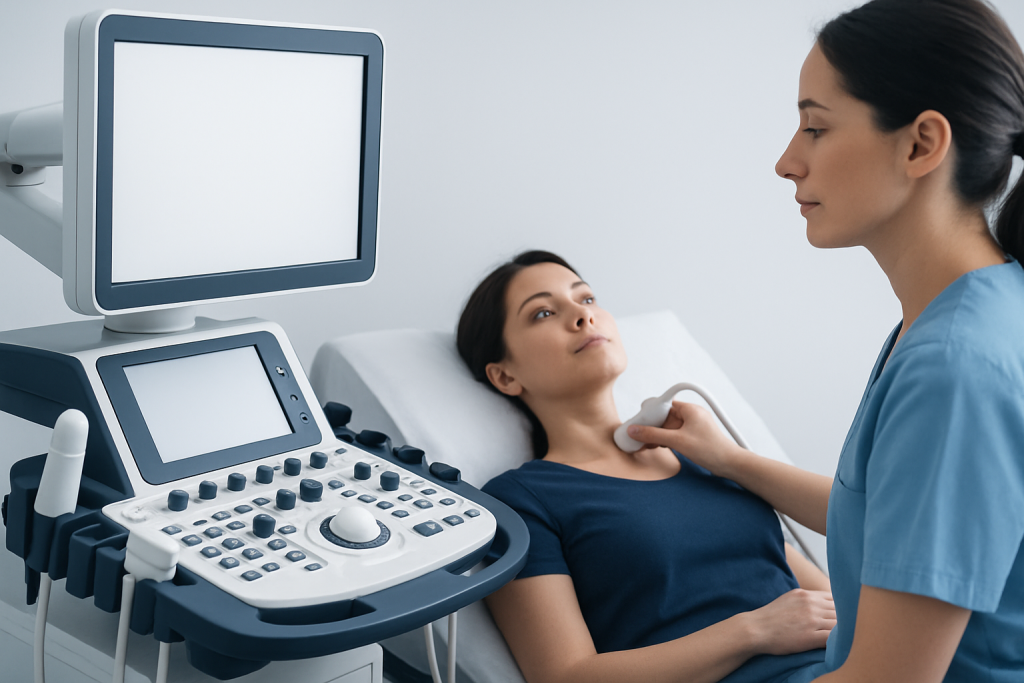
If primary hyperparathyroidism is suspected, imaging may be used to help localize the overactive gland before surgery. Ultrasound, sestamibi scanning, or other specialized imaging can be helpful, but the diagnosis itself is based on laboratory findings and clinical assessment, not imaging alone.
In selected cases, doctors may also request bone density testing, urine calcium testing, or kidney imaging to check for complications. For international patients, it is helpful to bring prior lab reports and imaging records, because a complete timeline often shortens the path to the right plan.
Treatment Options
Treatment depends on the type of parathyroid disorder, the level of calcium abnormality, the presence of symptoms, and whether there are complications such as kidney stones or bone loss. Some people need regular monitoring, while others benefit from targeted medication or surgery.
For primary hyperparathyroidism, surgery is often the definitive treatment when criteria are met. Parathyroidectomy removes the overactive gland or glands and can restore hormone balance. In experienced hands, the procedure is commonly performed with focused techniques when appropriate, which may support a smoother recovery.
When surgery is not the best option, doctors may recommend observation, hydration, vitamin D correction, bone-protective therapy, or medicines that help lower calcium or control bone effects. In secondary hyperparathyroidism, treatment usually centers on the underlying cause, such as kidney disease management or correction of vitamin D deficiency.
After treatment, calcium levels may need close monitoring. Some patients need temporary supplements or adjustments in medication, especially after surgery, while the body adapts to a new hormone balance.
Prevention & Self-care
Not every parathyroid disorder can be prevented, especially when the cause is genetic or related to another chronic illness. Still, day-to-day habits can support bone and mineral health and may reduce the risk of worsening imbalance in people who are already being followed.
Doctors often advise adequate hydration, balanced nutrition, and attention to vitamin D and calcium intake based on individual needs. Because the right amount can vary from person to person, supplements should be used only with medical guidance, particularly when calcium levels are already abnormal.
Self-care also includes keeping follow-up appointments and tracking symptoms that could suggest changing calcium levels. For patients traveling from another country, planning a clear follow-up schedule before returning home can make ongoing monitoring much easier.
- Take prescribed medication exactly as directed
- Bring up new kidney stones, fractures, or muscle symptoms early
- Keep copies of lab results and scans for future review
- Ask whether follow-up can be coordinated with a local physician
When to See a Doctor
A doctor should evaluate persistent symptoms that could be related to calcium imbalance, especially fatigue, unexplained bone pain, recurrent kidney stones, tingling, or muscle cramps. A routine blood test showing high or low calcium is also a strong reason to seek endocrine assessment.
Urgent care is warranted if symptoms are severe, such as marked confusion, dehydration, significant weakness, or signs of very low calcium like intense spasms or numbness. While many parathyroid problems are treatable, the safest approach is to assess them before complications develop.
In international care pathways, a specialist review can help patients understand whether surgery, surveillance, or medical treatment is most appropriate. Acibadem Health Point’s multidisciplinary specialists and JCI-accredited hospitals diagnose and treat parathyroid conditions for international patients with coordinated evaluation and follow-up planning.
Living With Parathyroid Disease
Living with a parathyroid disorder often means learning how calcium balance affects everyday health. Some people need only periodic checkups, while others require a more active treatment plan. In both situations, the condition is usually manageable when care is structured and follow-up is consistent.
People recovering from surgery may need short-term monitoring of calcium levels and symptom changes. Those under observation may be asked to repeat blood tests at intervals and report any new bone, kidney, or neurologic symptoms. The aim is not to focus on the diagnosis alone, but to keep the body functioning comfortably and safely over time.
For patients who receive care away from home, the most helpful plan is often the simplest one: clear test results, a written treatment summary, and a realistic follow-up schedule that can continue after travel. That continuity gives the best chance of stable long-term results.
Frequently asked questions
01What do the parathyroid glands do?
The parathyroid glands help regulate calcium and phosphorus in the blood and support bone, nerve, muscle, and heart function. They do this mainly by producing parathyroid hormone, which acts on the bones, kidneys, and intestines through vitamin D pathways.
02Is parathyroid disease the same as thyroid disease?
No. The parathyroid glands are separate from the thyroid, even though they sit close together in the neck. They have different jobs and are evaluated and treated differently.
03Can parathyroid problems be found on routine blood tests?
Yes. Many cases are first noticed when a blood test shows abnormal calcium, and a follow-up parathyroid hormone test helps clarify the cause. That is why parathyroid disease can be discovered before symptoms become obvious.
04Does everyone with hyperparathyroidism need surgery?
No. Surgery is common and often effective, but not everyone needs it. Doctors consider symptoms, calcium levels, kidney health, bone density, age, and other medical factors before recommending a plan.
05What is recovery like after parathyroid surgery?
Recovery is often straightforward, but calcium levels may need monitoring after the procedure. Some people feel better quickly, while others need time and occasional supplements as the body adjusts.
06Can parathyroid disease come back after treatment?
It can, depending on the cause and the treatment used. Regular follow-up helps doctors watch for recurrence, confirm stable calcium levels, and adjust care if needed.
This article is for general information only and is not a substitute for professional medical advice. Please consult a qualified doctor about your individual situation.
Persistent digestive symptoms? Get evaluated in Turkey
JCI-accredited · board-certified surgeons · reply within 24h
Add us as a Preferred Source to see more of our trusted health content across Google Search, AI Overviews and Discover.