Thrombotic Stroke: Symptoms, Causes, and Urgent Care
A thrombotic stroke is an ischemic stroke caused by a clot that develops within an artery supplying the brain. It is a medical emergency: recognizing symptoms quickly and seeking urgent care can protect brain function and improve recovery.
Overview: What Is a Thrombotic Stroke?
A thrombotic stroke is a type of ischemic stroke. It occurs when a blood clot, also called a thrombus, forms in an artery that supplies blood to the brain. The clot blocks or greatly reduces blood flow, depriving brain cells of oxygen and nutrients. Because brain tissue is highly sensitive to interrupted blood flow, prompt emergency care is essential.
Most thrombotic strokes are linked to atherosclerosis, a process in which fatty deposits called plaques build up inside artery walls. A plaque can narrow an artery over time. If its surface becomes damaged, blood components may gather at the site and form a clot that blocks the vessel.
Thrombotic strokes can affect large arteries outside or inside the skull, as well as smaller arteries deeper in the brain. The effects depend on the location and size of the blocked artery. They may range from mild, temporary symptoms to significant problems with movement, language, thinking, swallowing, or vision.
A thrombotic stroke differs from a hemorrhagic stroke, which is caused by bleeding in or around the brain. It also differs from an embolic stroke, in which a clot or material travels from elsewhere in the body, often the heart, and lodges in a brain artery. All suspected strokes need urgent hospital assessment because symptoms can overlap while treatment decisions depend on the stroke type.
Recognizing Symptoms Quickly
Stroke symptoms usually start suddenly. A person may notice weakness, numbness, or drooping on one side of the face; weakness or loss of coordination in an arm or leg; trouble speaking; difficulty understanding words; sudden confusion; or a new problem seeing from one or both eyes.
The FAST check is a simple way to remember common warning signs: Face drooping, Arm weakness, Speech difficulty, and Time to call emergency services. Other possible signs include sudden dizziness, difficulty walking, loss of balance, or a severe unusual headache. Not every stroke produces every sign.
Symptoms may improve after minutes or hours, but this does not mean they are harmless. A transient ischemic attack, often called a TIA or “mini-stroke,” causes temporary neurological symptoms from a brief interruption in blood flow. It is an important warning sign and needs urgent medical evaluation because a full stroke may follow.
It is helpful for relatives or bystanders to note when the person was last known to be well. This information can guide time-sensitive treatment decisions. They should not drive the person to hospital if emergency medical services are available, and they should not give food, drinks, or medicines unless instructed by a medical professional.
How Blood Clots Form: Causes and Risk Factors
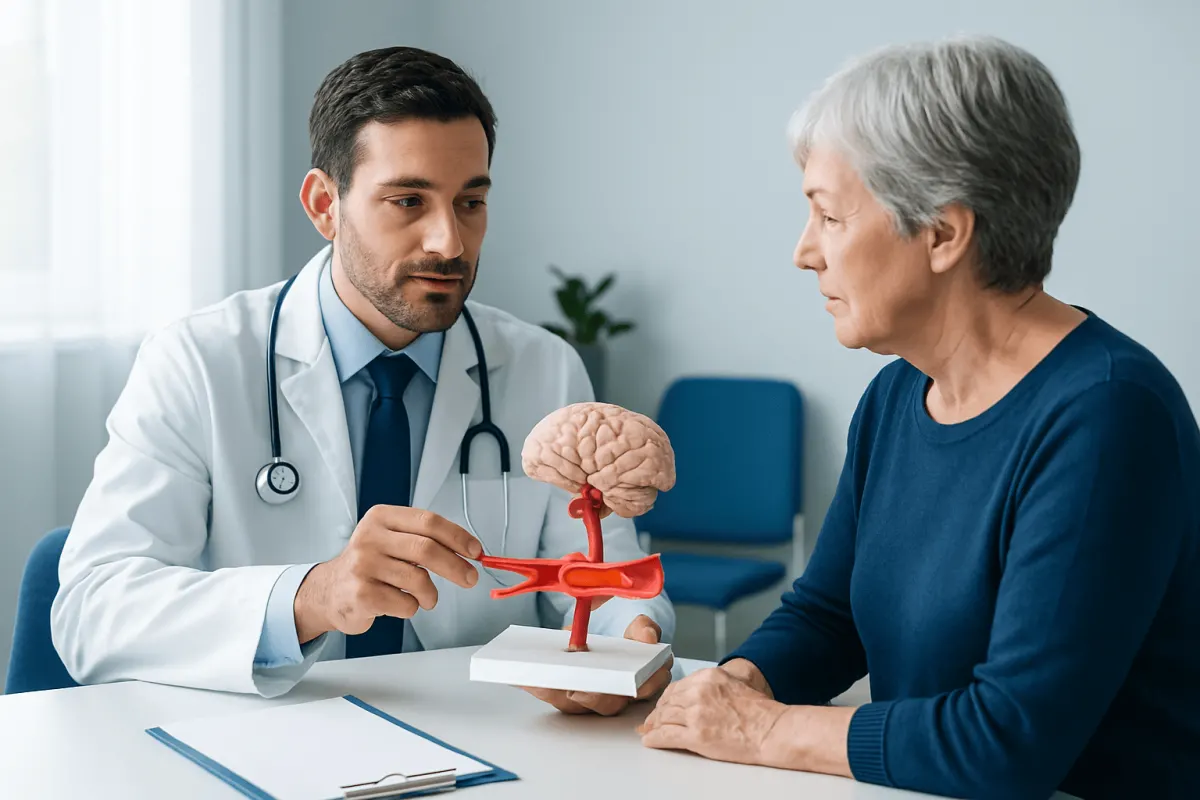
In a thrombotic stroke, the immediate cause is a clot forming in an artery. The underlying problem is often atherosclerosis. Plaque accumulation may affect the carotid arteries in the neck or arteries within the brain. Progressive narrowing can reduce blood flow, while plaque disruption can trigger a sudden clot.
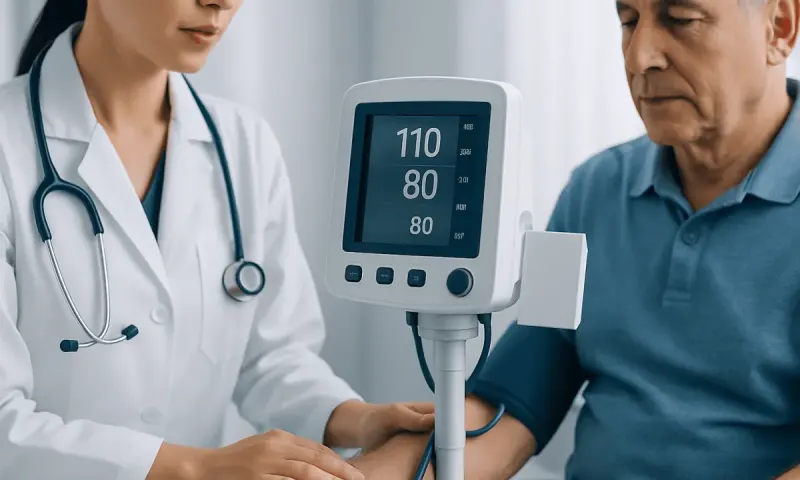
Several health conditions increase the likelihood of artery disease and stroke. High blood pressure is especially important because it damages blood vessels over time. Diabetes, high LDL cholesterol, obesity, kidney disease, sleep apnea, and peripheral artery disease can also add to risk. Previous TIA or stroke substantially increases the chance of another event without preventive care.
Lifestyle factors matter as well. Smoking and exposure to tobacco smoke damage blood vessels and make clotting more likely. Physical inactivity, a diet high in salt or saturated fats, excess alcohol use, and stimulant drug use may contribute to cardiovascular risk. Risk also rises with age and may be higher when there is a family history of premature vascular disease.
Not all risk factors can be changed, but many can be managed. Identifying and treating blood pressure, cholesterol, blood sugar, and other vascular risks is central to preventing both first and recurrent strokes. A clinician can help determine which risks are most relevant for each person.
Diagnosis in the Emergency Department
When stroke is suspected, clinicians act quickly to establish whether symptoms are caused by a blocked artery, bleeding, low blood sugar, seizure activity, migraine, infection, or another condition. A medical history and neurological examination assess speech, strength, sensation, coordination, vision, and level of alertness.
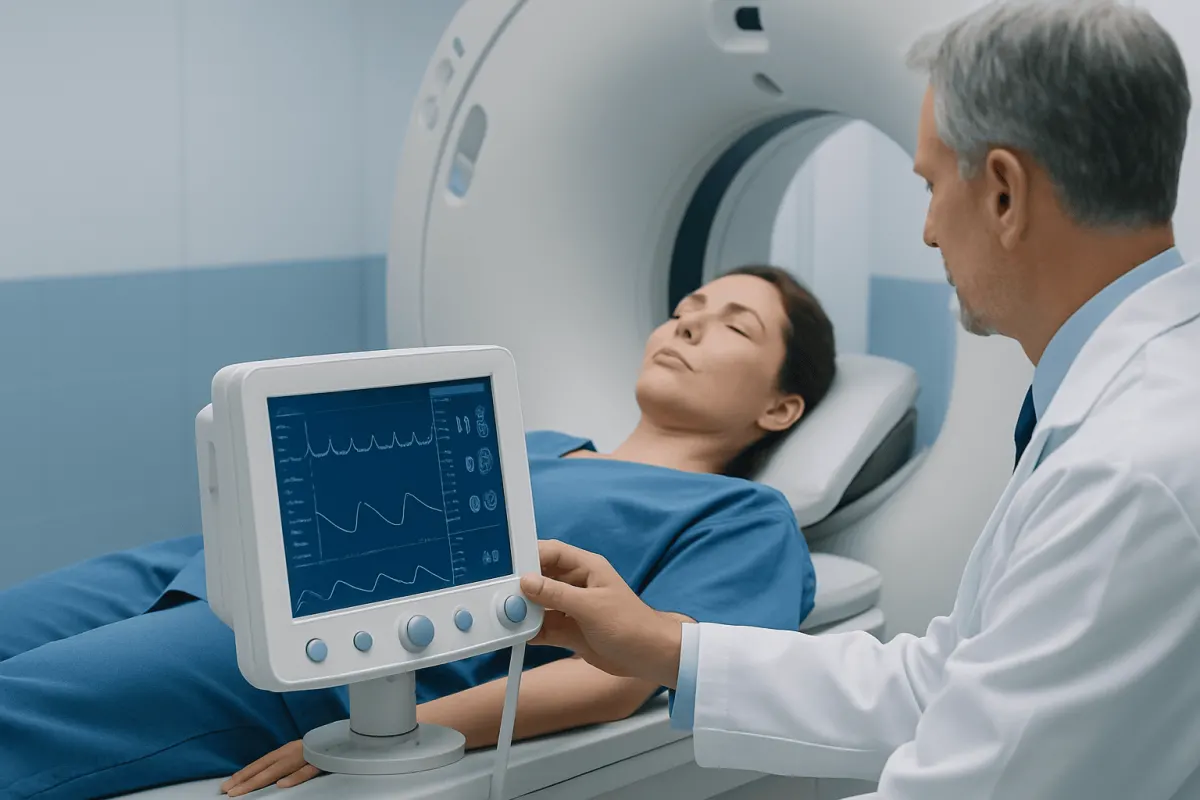
Urgent brain imaging is a key part of evaluation. A non-contrast CT scan is commonly used first to look for bleeding. CT angiography or MR angiography may show blocked or narrowed arteries, while MRI can identify areas of brain injury in greater detail in appropriate circumstances.
Blood tests, heart rhythm monitoring, electrocardiography, and sometimes echocardiography may help identify contributing conditions and guide prevention. Ultrasound imaging of the carotid arteries may be used to assess plaque or narrowing in the neck. These tests are selected according to the person’s symptoms, health history, and initial imaging findings.
Clinicians also consider when symptoms began or when the person was last known to be without symptoms. This timeline, together with imaging results and medical history, helps the stroke team decide whether acute clot-directed treatment is suitable and safe.
Treatment Options and Early Care
Thrombotic stroke treatment begins with emergency stabilization and rapid assessment in a stroke-capable hospital. The care team supports breathing, circulation, glucose levels, temperature, and swallowing safety while determining the stroke type and the best next steps. Treatment is individualized, particularly for people using blood thinners or those with recent surgery, bleeding, or other medical conditions.
For selected patients who arrive within an appropriate time window and meet safety criteria, intravenous thrombolytic medicine may be used to dissolve a clot. In some cases involving a blockage in a large brain artery, mechanical thrombectomy may be considered. This catheter-based procedure removes the clot and is performed in specialized centers after imaging confirms that it is appropriate.
Antiplatelet medicines may be used to reduce the chance of new clots in people with non-cardioembolic ischemic stroke, while anticoagulant medicines are used for certain other clotting mechanisms, such as Neurology for Stroke Prevention: Which Patients May Benefit?" class="ahp-ilk">Stroke Prevention in Atrial Fibrillation: How Doctors Choose Between Drugs and Procedures" class="ahp-ilk">atrial fibrillation. The choice, timing, and combination of medicines require specialist guidance because preventing clots must be balanced against bleeding risk.
Some people with significant carotid artery narrowing may benefit from procedures to restore blood flow, such as carotid endarterectomy, depending on their symptoms, anatomy, and overall health. Treatment planning also addresses conditions such as high blood pressure, diabetes, and high cholesterol to reduce future stroke risk.
Recovery, Rehabilitation and Preventing Another Stroke
Recovery varies widely. Some people regain function quickly, while others need longer-term support. Rehabilitation often begins in hospital once the person is medically stable and may continue at home or in an outpatient setting. It can involve physiotherapy for movement and balance, occupational therapy for daily activities, speech and language therapy, swallowing support, and cognitive or emotional care.
After a thrombotic stroke, the prevention plan usually combines prescribed medication with lifestyle measures. These may include monitoring and controlling blood pressure, managing diabetes, lowering cholesterol when recommended, stopping smoking, being physically active within safe limits, maintaining a healthy weight, and choosing a diet rich in vegetables, fruits, whole grains, and unsaturated fats while limiting salt.
Medication should be taken exactly as prescribed, and follow-up appointments should not be missed. A clinician may adjust treatment based on blood pressure readings, blood tests, side effects, and the cause of the stroke. People should ask before starting over-the-counter medicines, supplements, or herbal products, as some may affect bleeding or interact with prescribed treatments.
Emotional changes, fatigue, depression, anxiety, and changes in thinking are common after stroke and deserve attention. Family support, rehabilitation services, and mental health care can all be valuable parts of recovery. Planning ahead for driving, work, travel, and daily safety is best done with the rehabilitation and medical team.
When to Seek Medical Care
Emergency medical care is needed immediately for any new possible stroke symptom, even if it is mild or goes away. Sudden weakness or numbness on one side, facial drooping, speech or understanding problems, sudden vision loss, severe imbalance, or a sudden unexplained severe headache should be treated as an emergency. Calling local emergency services is safer than waiting to see if symptoms improve.
People who have had a TIA, stroke, or new neurological symptoms should also arrange prompt medical follow-up after emergency assessment. Early evaluation can identify treatable causes such as uncontrolled blood pressure, carotid artery disease, diabetes, or abnormal heart rhythm.
Regular non-emergency appointments are important for anyone with risk factors including hypertension, high cholesterol, diabetes, smoking, or a family history of early cardiovascular disease. These visits offer an opportunity to review prevention measures before symptoms occur.
Acıbadem Health Point’s multidisciplinary specialists and JCI-accredited hospitals diagnose and treat stroke-related conditions for international patients, including assessment, acute care, rehabilitation, and long-term risk reduction planning.
Frequently asked questions
01Is a thrombotic stroke the same as an ischemic stroke?
A thrombotic stroke is one type of ischemic stroke. Ischemic stroke means that blood flow to part of the brain is blocked; in a thrombotic stroke, the clot forms directly in an artery supplying the brain. An embolic stroke is another ischemic type in which material travels from elsewhere and blocks a brain artery.
02Can a thrombotic stroke happen without warning?
Yes. Symptoms often begin suddenly, even when artery narrowing has developed slowly over years. Some people have a TIA beforehand, but many do not notice warning symptoms. Managing vascular risk factors is therefore important even when a person feels well.
03What should someone do if stroke symptoms disappear?
They should still seek emergency medical care immediately. Temporary symptoms may be a TIA, which can indicate a high near-term risk of stroke. Only a medical assessment and appropriate testing can determine the cause and next steps.
04Can a thrombotic stroke be prevented?
Many, though not all, thrombotic strokes may be preventable by reducing vascular risk. Controlling blood pressure, diabetes, and cholesterol; avoiding tobacco; staying active; eating a heart-healthy diet; and taking prescribed medicines can lower risk. A clinician can provide an individualized prevention plan.
05How long does recovery from a thrombotic stroke take?
Recovery depends on the part of the brain affected, the extent of injury, the person’s health before the stroke, and access to rehabilitation. Improvement may be most noticeable in the first weeks and months, but progress can continue over a longer period. Consistent rehabilitation and follow-up support the best possible recovery.
06Why are swallowing checks important after stroke?
A stroke can affect the muscles and coordination needed for safe swallowing. If food, liquid, or saliva enters the airway, it can lead to choking or lung infection. A swallowing assessment helps clinicians decide when and how eating and drinking can be resumed safely.
This article is for general information only and is not a substitute for professional medical advice. Please consult a qualified doctor about your individual situation.
Explore treatments in Turkey — costs, top hospitals & a free quote
JCI-accredited · board-certified surgeons · reply within 24h
Add us as a Preferred Source to see more of our trusted health content across Google Search, AI Overviews and Discover.