Stroke-Level Blood Pressure and When to Seek Emergency Care
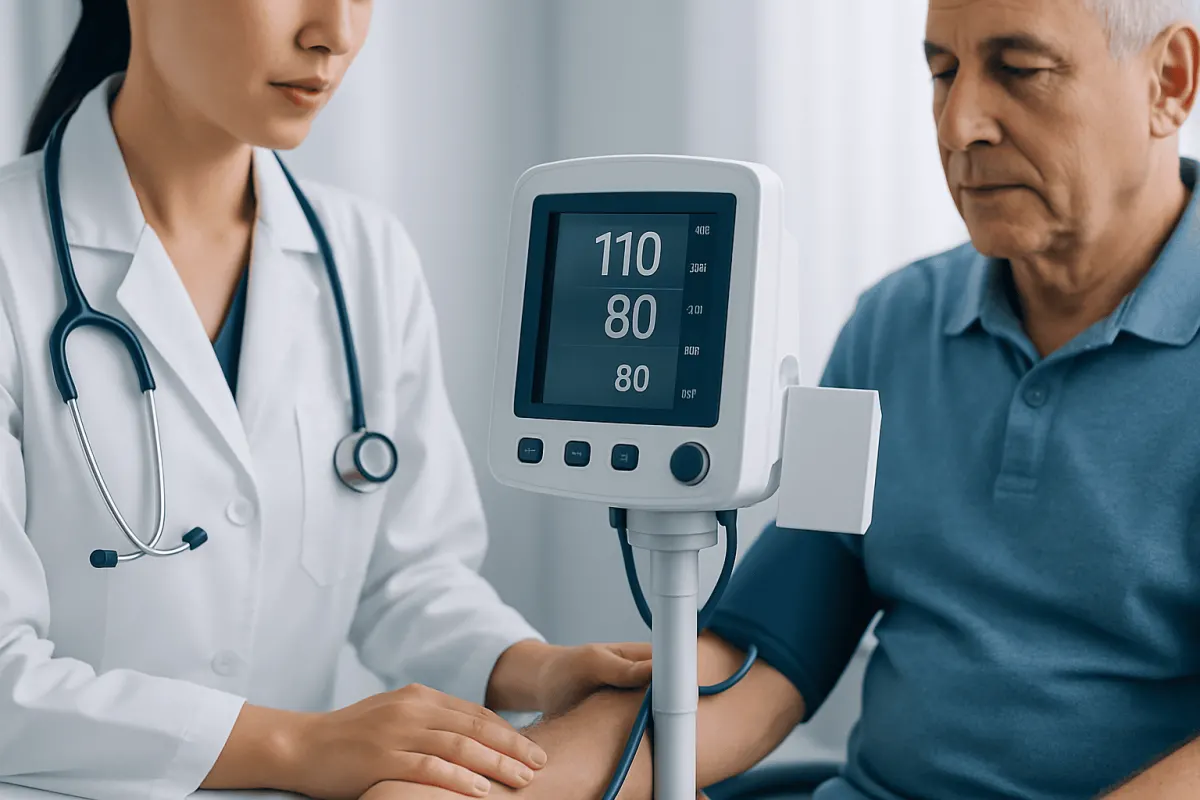
“Stroke level blood pressure” is not a formal medical diagnosis, but it commonly refers to a severely elevated reading of 180/120 mmHg or higher. This level can be a medical emergency, particularly when it occurs with sudden symptoms that may signal a stroke or damage to another organ.
What Does Stroke Level Blood Pressure Mean?
Stroke level blood pressure is an informal phrase rather than a medical term. It usually describes a very high blood pressure reading, often 180/120 mmHg or above, which may be associated with a hypertensive crisis. At this level, blood vessels and organs can be under significant strain, and urgent assessment may be needed.
A high reading does not by itself mean that a person is having a stroke. Many people with severely elevated blood pressure have no immediate symptoms, while some strokes occur in people whose blood pressure is not extremely high. However, very high blood pressure can contribute to stroke risk over time and may also rise during an acute stroke.
The most important distinction is whether there are signs of acute organ damage. If a reading of 180/120 mmHg or above occurs alongside sudden neurological symptoms, chest pain, severe shortness of breath, confusion, or major visual changes, it should be treated as an emergency.
Understanding the Numbers and Why They Matter
Blood pressure is recorded as two numbers in millimeters of mercury, written as mmHg. The top number, systolic pressure, measures pressure in the arteries when the heart contracts. The lower number, diastolic pressure, measures pressure when the heart relaxes between beats.
Blood pressure can rise temporarily because of pain, anxiety, physical activity, caffeine, nicotine, or an incorrectly sized cuff. A single unexpected high reading should be checked calmly and correctly. Still, a value at or above 180 systolic or 120 diastolic should never be dismissed, particularly if it remains high when repeated after a short period of quiet rest.
Clinicians may describe severe blood pressure elevation without acute organ damage as severe asymptomatic hypertension. When there is evidence or concern for immediate injury to the brain, heart, kidneys, eyes, or large blood vessels, it is called a hypertensive emergency. The latter requires hospital-based evaluation and carefully monitored treatment.
Symptoms That May Signal Stroke or a Hypertensive Emergency
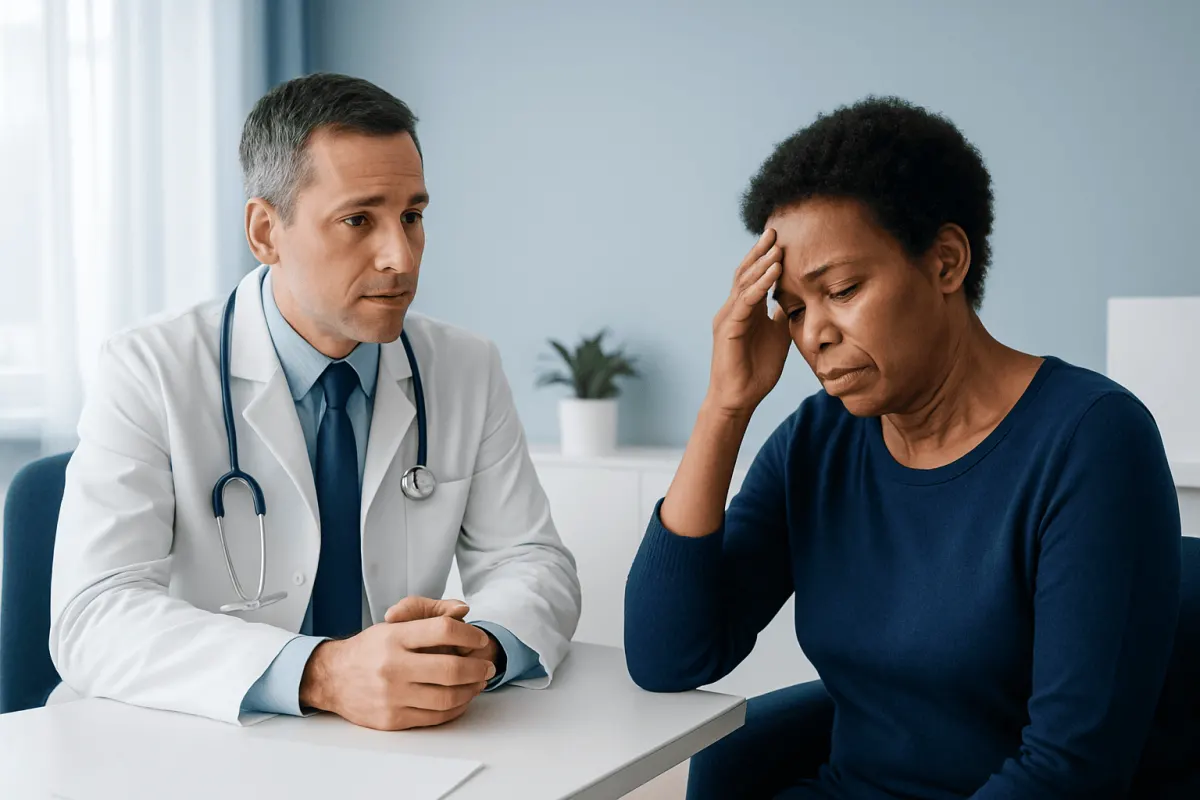
Stroke symptoms typically begin suddenly. A useful way to remember common warning signs is FAST: facial drooping, arm weakness, speech difficulty, and time to call emergency services. A person may also have sudden numbness or weakness on one side of the body, trouble understanding words, new confusion, loss of coordination, dizziness, difficulty walking, or sudden vision loss.
Other concerning symptoms with very high blood pressure include a severe or unusual headache, fainting, seizures, chest pain, severe breathlessness, new back pain, or marked changes in alertness. These symptoms do not always mean stroke, but they need urgent medical assessment because they can indicate another serious condition.
Symptoms of stroke can improve or disappear after a few minutes. This may be a transient ischemic attack, sometimes called a mini-stroke, and still requires emergency evaluation. Early assessment can identify the cause and help prevent a more serious stroke.
- Face: ask the person to smile and look for unevenness.
- Arms: ask the person to raise both arms and look for drifting or weakness.
- Speech: listen for slurred, incorrect, or difficult speech.
- Time: call emergency services immediately and note when symptoms started or when the person was last known well.
What to Do if a Reading Is 180/120 or Higher
If a home blood pressure monitor shows 180/120 mmHg or higher, the person should sit quietly with both feet on the floor and avoid talking. After about five minutes, the reading can be repeated using the correct cuff size, with the arm supported at heart level. The result should be recorded along with any symptoms.
If the repeat reading remains this high and there are any stroke-like symptoms, chest pain, breathing difficulty, confusion, fainting, severe headache, or vision changes, emergency services should be called right away. The person should not drive themselves to hospital. If stroke is possible, emergency transport helps ensure prompt care en route and on arrival.
If there are no symptoms but the repeat blood pressure remains 180/120 mmHg or above, urgent contact with a doctor, urgent care service, or local emergency department is appropriate. The safest next step depends on the person’s medical history, pregnancy status, medicines, and other risks. A clinician can advise where and how quickly they should be assessed.
People should not take an additional dose of blood pressure medicine, use someone else’s medicine, or attempt to bring pressure down quickly unless their own clinician has provided a specific action plan. Rapid, unsupervised blood pressure reduction can reduce blood flow to vital organs in some situations.
Why High Blood Pressure Raises Stroke Risk
Long-term high blood pressure, also called hypertension, is one of the most important modifiable risk factors for stroke. Persistent pressure against artery walls can damage and narrow blood vessels, speed the development of atherosclerosis, and make blood vessels in the brain more vulnerable to blockage or rupture.
Hypertension is linked to both major types of stroke. In an ischemic stroke, a blood clot or narrowed artery blocks blood flow to part of the brain. In a hemorrhagic stroke, a weakened blood vessel bleeds into or around the brain. Blood pressure control is a central part of prevention for both types.
Risk is influenced by more than blood pressure alone. Age, diabetes, high cholesterol, smoking, heart rhythm disorders such as Neurology for Stroke Prevention: Which Patients May Benefit?" class="ahp-ilk">Stroke Prevention in Atrial Fibrillation: How Doctors Choose Between Drugs and Procedures" class="ahp-ilk">atrial fibrillation, kidney disease, sleep apnea, family history, and previous stroke or transient ischemic attack may all affect an individual’s overall risk. A clinician can help assess these factors and develop a prevention plan.
How Doctors Assess Very High Blood Pressure
In an urgent setting, clinicians first assess symptoms, repeat blood pressure measurements, and look for signs that the brain, heart, lungs, kidneys, or eyes may be affected. They will ask about current medicines, missed doses, recent illness, alcohol or substance use, pregnancy, and a history of hypertension, heart disease, kidney disease, or stroke.
If stroke is suspected, rapid neurological assessment and brain imaging are essential. Blood tests, an electrocardiogram, urine testing, chest imaging, or other investigations may also be used depending on symptoms. These tests help identify whether immediate organ injury is present and guide safe treatment.
In hospital, blood pressure is not always lowered to a normal value immediately. During certain types of stroke, the safest target and timing depend on the stroke type, planned treatments, current blood pressure, and the person’s overall condition. This is why emergency stroke care should be directed by trained clinicians.
Lowering Long-Term Risk Through Daily Care
For people diagnosed with hypertension, taking prescribed medicine consistently is one of the most effective ways to lower the risk of stroke and other cardiovascular problems. Medicines should not be stopped because readings improve; improved readings may show that treatment is working. Side effects, cost concerns, or difficulty remembering doses should be discussed openly with a clinician, as there may be practical alternatives.
Healthy habits support medical treatment. These include choosing a diet rich in vegetables, fruits, whole grains, beans, and lean protein; reducing excess salt and highly processed foods; being physically active as advised; maintaining a weight that is appropriate for the individual; limiting alcohol; avoiding tobacco; and getting adequate sleep. Evaluation for sleep apnea may be helpful when symptoms such as loud snoring and daytime sleepiness are present.
Home monitoring can give useful information when done properly. A validated upper-arm monitor is generally preferred. Readings are often taken at the same times each day, after resting, and logged for a clinician rather than interpreted in isolation. Regular follow-up helps ensure treatment remains appropriate as health needs change.
Acıbadem Health Point’s multidisciplinary specialists and JCI-accredited hospitals evaluate hypertension and stroke-related concerns for international patients, with treatment plans tailored to the individual’s clinical needs.
When to Seek Medical Care
Emergency medical care is needed immediately for sudden stroke symptoms, severe chest pain, serious breathing difficulty, loss of consciousness, seizure, or a blood pressure reading of 180/120 mmHg or higher accompanied by concerning symptoms. Calling local emergency services is safer than waiting to see if symptoms improve.
Urgent same-day medical advice is appropriate when blood pressure remains 180/120 mmHg or higher after a careful repeat measurement, even without symptoms. People who are pregnant or recently gave birth should seek urgent assessment for severe blood pressure elevation, headache, visual symptoms, upper abdominal pain, swelling, or shortness of breath.
A routine appointment should be arranged for repeated readings above the person’s treatment target, new difficulties managing medication, or concerns about stroke risk factors. Preventive care before an emergency occurs offers the best opportunity to protect long-term brain and heart health.
Frequently asked questions
01What blood pressure is considered stroke level?
There is no official blood pressure category called “stroke level.” The phrase usually refers to 180/120 mmHg or higher, a level that can indicate a hypertensive crisis. If this occurs with sudden neurological symptoms or other serious symptoms, emergency care is needed immediately.
02Can high blood pressure cause a stroke immediately?
Very high blood pressure can be associated with an emergency and can contribute to blood vessel injury. However, a high reading alone does not prove that a stroke is occurring. Sudden weakness, facial drooping, speech changes, vision loss, severe imbalance, or confusion are the key signs that require emergency assessment.
03What should someone do if their blood pressure is 180/120 but they feel fine?
They should sit quietly, check the reading again after about five minutes, and ensure the cuff is being used correctly. If it remains 180/120 mmHg or higher, they should contact a clinician urgently for advice, even if there are no symptoms. They should not take extra medication unless instructed by a healthcare professional.
04Can anxiety cause a blood pressure reading of 180/120?
Anxiety, pain, and stress can temporarily raise blood pressure, sometimes substantially. Even so, a reading of 180/120 mmHg or higher should be repeated carefully and taken seriously. Persistent severe elevation needs prompt medical guidance because it cannot safely be assumed to be caused by anxiety alone.
05Should blood pressure be lowered quickly during a suspected stroke?
Not without medical supervision. Blood pressure management during stroke depends on the type of stroke, the person’s condition, and whether time-sensitive treatment is being considered. Emergency clinicians use specific targets because lowering pressure too quickly can sometimes reduce blood flow to the brain.
06How can a person reduce their stroke risk if they have hypertension?
The most important steps are following the prescribed treatment plan, monitoring blood pressure as advised, and attending regular reviews. Not smoking, limiting alcohol, eating a heart-healthy lower-salt diet, staying active, and managing diabetes, cholesterol, and sleep apnea can also reduce overall stroke risk.
This article is for general information only and is not a substitute for professional medical advice. Please consult a qualified doctor about your individual situation.
Explore treatments in Turkey — costs, top hospitals & a free quote
JCI-accredited · board-certified surgeons · reply within 24h
Add us as a Preferred Source to see more of our trusted health content across Google Search, AI Overviews and Discover.