Thick Lips: Options for a Fuller Lip Shape
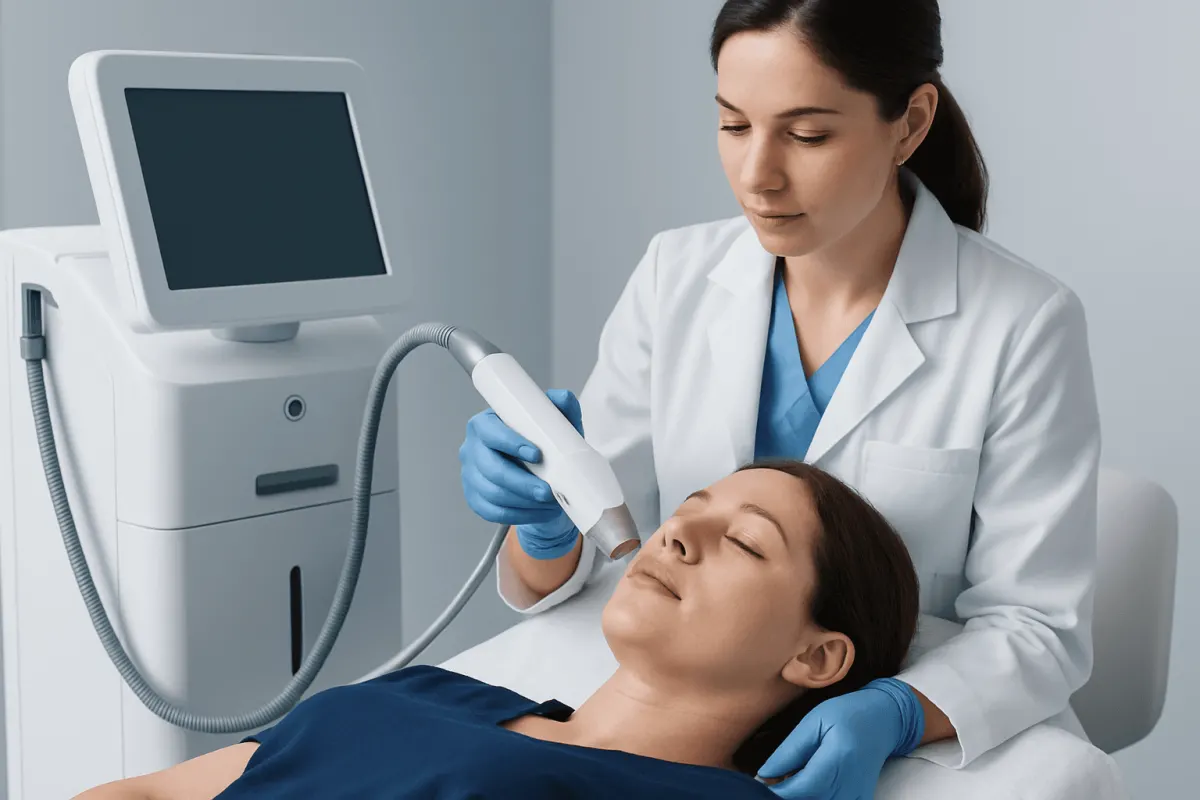
Thick lips may be enhanced temporarily with injectable fillers or more durably with fat grafting or selected surgical procedures. The most appropriate option depends on facial proportions, lip anatomy, health history, desired longevity and tolerance for recovery time.
Overview: options for thicker lips
Thick lips can be created or enhanced through non-surgical and surgical approaches. The most common non-surgical option is hyaluronic acid lip filler, which adds temporary volume and can also improve definition of the lip border. Other approaches include fat grafting, in which purified fat is transferred from another area of the body, and a surgical lip lift, which can increase the visible height of the upper lip.
The best approach is not the same for everyone. Some people primarily want more volume, while others want better upper-lip show, improved symmetry or less distance between the nose and upper lip. A consultation with a qualified plastic surgeon or appropriately trained aesthetic clinician should include discussion of facial balance, prior procedures, medical conditions, medications and realistic expectations.
Results should look proportionate to the individual’s facial features. Even when the goal is fuller lips, gradual enhancement and careful technique help reduce the chance of an overfilled or unnatural appearance.
How each procedure works
Hyaluronic acid fillers are injected in small amounts into selected areas of the lips. Hyaluronic acid occurs naturally in the body and attracts water, creating soft volume. The effect is temporary, and follow-up treatment is commonly needed to maintain it. Because hyaluronic acid fillers can usually be dissolved by a clinician if needed, they are often considered a flexible starting option for people considering lip enhancement.
Fat grafting to lips involves removing a small amount of fat through liposuction, processing it and injecting it into the lips. It is a procedure rather than a simple injection appointment, and healing includes both the lip area and the donor site. Some of the transferred fat is expected to be reabsorbed during healing, so the final result cannot be judged immediately.
A lip lift is a surgical technique that shortens the skin between the nose and upper lip, called the philtrum. By changing this distance, it can show more of the upper lip and sometimes more upper teeth when smiling. It does not replace volume in every case, and it leaves a scar that is usually positioned in the natural crease under the nose. For broader planning about plastic surgery, the surgeon can explain whether a surgical or non-surgical route better matches the person’s goals.
Recovery lip filler, fat grafting and lip lift

Recovery lip filler is usually brief. Tenderness, swelling, firmness and bruising may occur, particularly during the first one to three days. The lips can look uneven or more swollen than expected initially, so it is sensible to avoid judging the final appearance too soon. Many people return to usual daily activities the same day, although strenuous exercise, excessive heat, alcohol and pressure on the lips may be limited for a short period according to the clinician’s instructions.
Recovery after fat grafting is generally longer because there are two treatment areas. The lips may be swollen and bruised, while the fat-harvesting area may feel sore and require compression or other aftercare. It may take several weeks for swelling to settle substantially, and several months can be needed before the retained fat and final contour are clear.
Recovery lip lift requires incision care and patience with swelling. Sutures may be removed or dissolve according to the technique used, and the scar matures gradually over months. People are often advised to avoid stretching the upper lip, strenuous activity and sun exposure on the incision while it heals. Individual instructions vary, so the treating surgeon’s aftercare plan should take priority.
- Use cool compresses only as advised; do not apply pressure or extreme cold directly to the skin.
- Choose soft foods temporarily if chewing or lip movement is uncomfortable.
- Keep follow-up appointments so healing, symmetry and scar progression can be assessed.
- Avoid smoking and nicotine, which can impair wound healing and increase surgical risks.
Expected results, longevity and limitations
With lip filler, early swelling can temporarily make lips appear very full. A more reliable assessment is generally made after swelling has resolved, often around two weeks, although timing differs between individuals. Results fade as the body gradually breaks down the filler. The duration depends on the product, amount used, the person’s metabolism and lip movement, among other factors.
Does fat grafting to lips last? The fat that successfully establishes a blood supply can remain long term, but not all transferred fat survives. Partial absorption is normal, especially during the first months, and some people choose a later touch-up procedure. Weight changes, aging and natural changes in facial tissues can still affect the appearance over time.
A lip lift can produce a lasting change in upper-lip position, but it cannot stop normal aging. Its results may be especially helpful when a long philtrum is the main concern, whereas filler or fat grafting may be better suited to a lip that needs additional fullness. In some circumstances, clinicians may combine approaches cautiously, but this should be individualized rather than assumed necessary.
Risks, safety and choosing a qualified clinician
All cosmetic procedures have risks. For fillers, these can include swelling, bruising, tenderness, asymmetry, lumps, infection, cold sore reactivation and delayed inflammatory reactions. A rare but urgent complication occurs when filler compromises blood flow to the skin. This requires immediate treatment by an experienced clinician.
Fat grafting may cause unevenness, under-correction or over-correction, prolonged swelling, infection, scarring at the donor site and unpredictable fat survival. Lip lift surgery may lead to bleeding, infection, wound-healing problems, changes in sensation, asymmetry or a noticeable scar. A clinician should explain both common temporary effects and less common complications before obtaining informed consent.
People should select a licensed, appropriately trained clinician who can assess facial anatomy, discuss alternatives and provide emergency support if necessary. Avoid unregulated injectables, non-medical settings and procedures performed by people without suitable training. A careful consultation should never feel rushed or pressured.
When to seek medical care
Following filler treatment, urgent medical assessment is needed for severe or increasing pain; pale, blue, gray or blotchy skin; unusual coldness of the skin; vision changes; or rapidly spreading discoloration. These symptoms may indicate a problem with blood flow and should not be watched at home. Contact the treating clinician immediately or seek emergency care if they cannot be reached.
After any lip procedure, medical advice is also important for fever, worsening redness or warmth, pus-like drainage, significant bleeding, a wound that opens, or swelling that is getting worse rather than gradually improving. People with a history of cold sores should mention this before treatment, as preventive medication may sometimes be considered.
Acıbadem Health Point’s multidisciplinary specialists and JCI-accredited hospitals assess and treat aesthetic and reconstructive concerns for international patients. An in-person evaluation is important before deciding whether thicker lips surgery or a non-surgical option is appropriate.
Common questions about recovery and discomfort
What is the hardest plastic surgery to recover from? There is no single procedure that is hardest for every person. Operations involving several body areas, major tissue repositioning, extensive muscle repair or longer anesthesia can require more demanding recovery than small facial procedures. Recovery also depends on overall health, pain control, support at home, the specific surgical technique and whether complications occur.
How painful is lip lift recovery? Lip lift recovery is commonly described as mild to moderate discomfort rather than severe pain, but experiences vary. Tightness, tenderness and discomfort when moving the upper lip are common during the early healing period. The surgeon can recommend safe pain-management measures and explain what level of discomfort is expected.
What are the worst days after lip fillers? For many people, the first 24 to 72 hours are the most noticeable period because swelling, tenderness and bruising can be at their peak. Some swelling may be greater the morning after treatment and can make results look temporarily uneven. Persistent severe pain, skin color changes or worsening symptoms are not typical and require urgent assessment.
Frequently asked questions
01Are thick lips from fillers permanent?
No. Most lip fillers are made with hyaluronic acid and are temporary. The visible effect fades gradually as the filler is broken down by the body, so maintenance treatments may be requested if a person wishes to continue the result.
02Can a lip lift make lips look fuller?
A lip lift can make the upper lip appear more prominent by shortening the distance between the nose and the upper lip. It changes lip position rather than directly adding volume. People who have thin lip tissue may still need a separate discussion about volume enhancement.
03How long does swelling last after lip filler?
Swelling often improves substantially within a few days, but mild residual swelling can last longer. Bruising may take one to two weeks to fade. The treating clinician can advise when to review the result and whether anything is outside the expected healing pattern.
04Does fat grafting to lips feel natural?
When healing is complete, retained fat is the person’s own living tissue and may feel natural. During the early recovery period, swelling and firmness can temporarily change how the lips feel. The final volume is less predictable than with filler because some transferred fat is absorbed.
05Can lip filler be dissolved?
Hyaluronic acid filler can often be reduced or dissolved with an enzyme administered by a qualified clinician. This option does not apply to all filler types, which is one reason it is important to know exactly what product is being used. Any suspected filler complication needs urgent professional assessment.
06Who should postpone a lip enhancement procedure?
A clinician may recommend postponing treatment during an active skin infection, active cold sore outbreak or when there is inflammation near the lips. Pregnancy, breastfeeding, blood-thinning medicines, autoimmune conditions and a history of significant scarring should be discussed individually. The final decision should be made after a medical assessment.
This article is for general information only and is not a substitute for professional medical advice. Please consult a qualified doctor about your individual situation.
Explore treatments in Turkey — costs, top hospitals & a free quote
JCI-accredited · board-certified surgeons · reply within 24h
Add us as a Preferred Source to see more of our trusted health content across Google Search, AI Overviews and Discover.