Lip Enhancement at Home: What Is Safe to Try
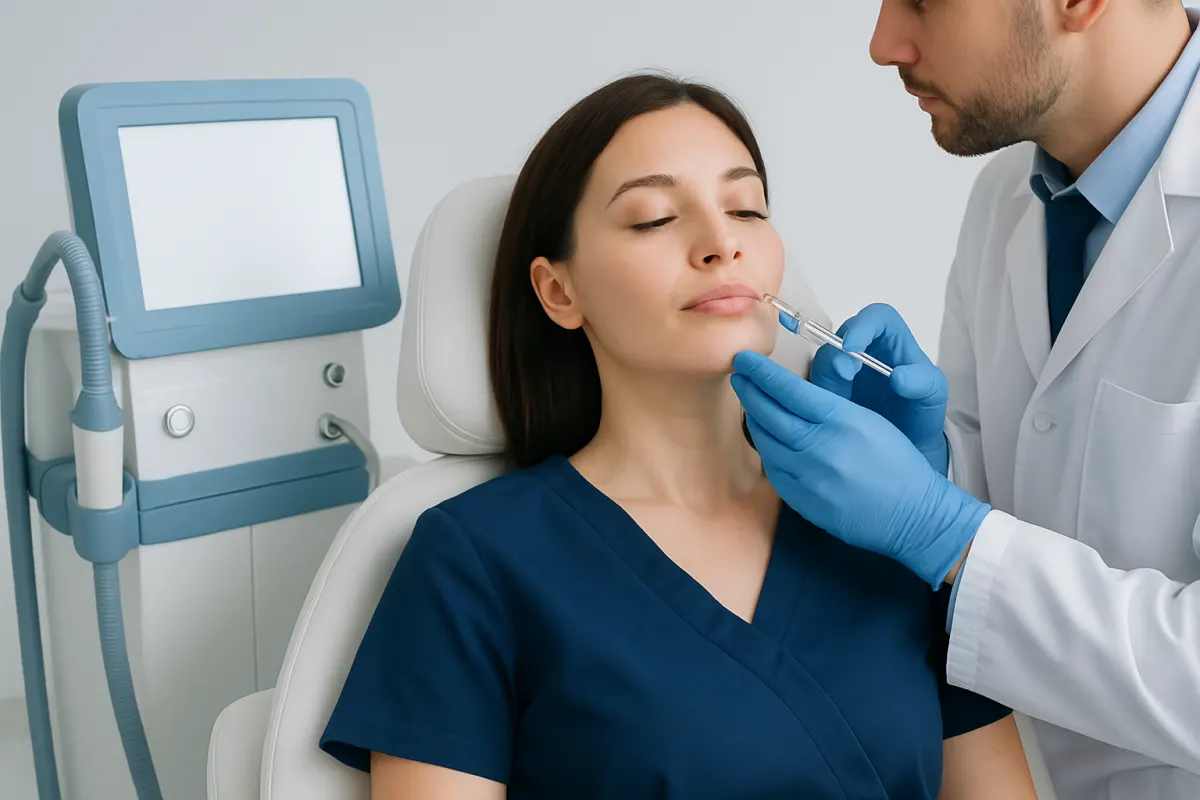
Lip enhancement at home should mean safe aftercare and temporary cosmetic measures, not injecting fillers or using unregulated devices. Lip fillers are medical aesthetic procedures that need assessment, sterile technique and prompt access to clinical care if a complication occurs.
Overview: what lip enhancement at home can safely mean
Lip enhancement at home is safest when it refers to recovery care after a clinician-performed procedure or to non-invasive cosmetic choices such as lip moisturizers and makeup. Injectable lip fillers, fat transfer and other procedures that break the skin should not be attempted at home. These treatments require appropriate product selection, sterile technique, knowledge of facial anatomy and the ability to recognize and treat complications quickly.
For many people, lip enhancement procedures involve hyaluronic acid filler injected by a qualified healthcare professional. Hyaluronic acid is a substance that attracts water and can add volume, improve contour or address age-related thinning of the lips. Results are temporary and vary with the product, treatment plan and individual metabolism.
Lip rejuvenation at home may include protecting the lips from sun and wind, using a bland moisturizer, stopping smoking, and using cosmetics to create the appearance of fuller lips. These measures can improve comfort and appearance but cannot safely reproduce the effects of an injectable procedure.
What happens during professional lip enhancement procedures?
Before lip filler treatment, the clinician should discuss the person’s goals, medical history, allergies, current medicines and previous aesthetic treatments. They should also examine the lips and surrounding facial structure. A cautious, individualized approach is important because lip shape, symmetry and desired fullness differ from person to person.
During treatment, the skin is cleaned and filler is placed in small amounts with a needle or blunt-tipped cannula. A topical numbing cream or a filler containing local anesthetic may be used. The procedure is usually brief, but a careful consultation and safety assessment should not be rushed.
Temporary swelling can make the lips look larger or less even immediately after treatment. The clinician may recommend a follow-up review once swelling has settled. Any decision to add more filler should generally wait until the initial result can be assessed clearly rather than being made on the same day.
People considering injectable treatment can learn more about clinician-led lip filler treatment and the importance of an in-person assessment before deciding whether it is appropriate.
How long should I rest after getting lip fillers?

Most people do not need bed rest after lip fillers and can return to gentle everyday activities on the same day. However, it is sensible to keep the day relatively calm, avoid pressing or rubbing the lips, and follow the treating clinician’s specific instructions. If a person feels uncomfortable, taking time to rest can be helpful.
For the first 24 to 48 hours, clinicians commonly advise avoiding strenuous exercise, high heat exposure such as saunas or hot yoga, and heavy alcohol intake because these may increase flushing, swelling or bruising. It may also be helpful to avoid dental procedures, facial massages and other treatments that put pressure on the mouth area until the clinician says they are suitable.
Sleeping with the head slightly elevated for the first night can reduce morning puffiness for some people. People should avoid sleeping face-down if it places direct pressure on the lips. A clinician can give tailored guidance for work, travel, exercise and events based on the type of filler used and the person’s recovery.
Does lip filler look bad at first?
Lip filler can look noticeably different at first because swelling, mild redness and occasional bruising are common. The lips may appear fuller than expected, uneven, firm or slightly lumpy during the early recovery period. This does not necessarily mean the final result will look unnatural or that something has gone wrong.
Swelling often improves over several days, while the more settled appearance may take around two weeks. It is best not to judge symmetry or request additional treatment while early swelling is still changing. Taking photographs in consistent lighting may help a person compare progress without repeatedly examining the area very closely.
That said, worsening asymmetry, increasing pain, unusual skin color changes or persistent concerns should be discussed with the treating clinician. People should not try to massage, puncture or dissolve filler themselves. Only an appropriately trained healthcare professional should assess whether a visible irregularity needs treatment.
What I wish I knew before getting lip fillers?
A useful point to know before lip fillers is that a natural-looking result often depends on restraint. The goal is not always maximum volume; subtle changes to hydration, border definition or balance may better suit an individual’s features. Bringing reference images can support a conversation, but they cannot guarantee that another person’s lip shape can be reproduced.
It is also important to plan around social events. Bruising and swelling may be visible, and the final appearance may not be clear immediately. Booking treatment well before an important occasion allows time for recovery and a follow-up assessment if needed.
People should share a full health history, including previous cold sores around the mouth, allergies, bleeding tendencies, autoimmune conditions, pregnancy or breastfeeding status, and all medicines or supplements. Certain factors may mean treatment should be delayed or require extra precautions. A qualified clinician will explain realistic benefits, alternatives and possible risks before obtaining informed consent.
At-home filler kits, needle-free injection devices and products sold through unverified online sources can cause infection, scarring, tissue injury and unpredictable results. They are not a safe alternative to properly delivered medical care.
What are the worst days after lip fillers?
For many people, the first one to three days are the most noticeable part of recovery. Swelling may peak during this period, and bruising or tenderness can become more apparent after the initial procedure. The experience varies: some people have only mild puffiness, while others need several days before they feel comfortable with the appearance.
Comfort measures may include using a clean, cool compress wrapped in cloth for short periods, drinking water and choosing soft foods if the lips feel tender. Avoid very hot drinks or foods while numbness is present, as accidental burns are easier to sustain. It is also sensible to avoid smoking and to limit anything that causes repeated stretching, friction or pressure on the lips.
People should use only pain relief recommended by their clinician, especially if they take blood-thinning medicines or have medical conditions that affect medication choices. Aspirin and some anti-inflammatory medicines may increase bruising for certain people, but prescribed medicines should never be stopped without advice from the prescribing clinician.
When to seek medical care
Contact the treating clinician promptly if swelling, pain, redness or bruising is worsening rather than gradually improving, or if there is a new rash, discharge, fever or increasing warmth around the lips. Cold sore symptoms, such as tingling followed by blisters, should also be reported because treatment may be needed.
Urgent medical care is needed for severe or escalating pain, pale or white patches of skin, blue, gray or dusky discoloration, blistering, a cool feeling in the skin, or changes in vision. These can be signs of a rare but serious circulation problem after filler treatment. Breathing difficulty, widespread hives, facial swelling beyond the treatment area, faintness or throat tightness may indicate a severe allergic reaction and require emergency care.
Anyone who has injected a substance at home, received filler from an unlicensed provider, or used an unverified product should seek medical advice even if symptoms initially seem mild. Acıbadem Health Point’s multidisciplinary specialists and JCI-accredited hospitals can assess and treat concerns related to aesthetic procedures for international patients.
Prevention and realistic lip care at home
The safest way to reduce unwanted outcomes is to choose a properly qualified, experienced medical professional who uses approved products obtained through legitimate supply chains. A good consultation includes discussion of risks, aftercare, what to do if symptoms develop and how to contact the clinic outside routine hours.
For everyday lip rejuvenation at home, use a fragrance-free lip balm if the lips are dry, apply sun protection suitable for the lips, avoid picking flaky skin and maintain adequate hydration. Cosmetics such as liner, gloss and color can create temporary definition or fullness without changing the tissue.
People with persistent cracking, recurring sores, unexplained swelling or changing pigmented spots on the lips should have these symptoms assessed rather than covering them with cosmetic products. Healthy lip care can support comfort and appearance, but it should not delay evaluation of a new or concerning change.
Frequently asked questions
01Can lip filler be safely done at home?
No. Injectable lip filler should be performed by a qualified healthcare professional in an appropriate clinical setting. At-home injections and unverified filler products can lead to infection, scarring, blocked blood vessels and other serious complications.
02How long does swelling last after lip filler?
Mild to moderate swelling often improves over several days, although the lips may take up to about two weeks to settle fully. Bruising can also take time to fade. The treating clinician should be contacted if symptoms become worse or do not follow the expected recovery pattern.
03Can I use ice after lip fillers?
A cool compress wrapped in a clean cloth may help with discomfort and swelling when used gently for short periods. Ice should not be placed directly on the skin, and the lips should not be pressed firmly or massaged unless the treating clinician specifically advises it.
04Can I exercise after lip fillers?
Gentle activity is usually possible, but strenuous exercise is commonly postponed for the first 24 to 48 hours. Exercise can increase blood flow, flushing and swelling. The clinician’s aftercare advice should take priority, particularly if there has been notable bruising or swelling.
05Why do my lips feel lumpy after filler?
Early firmness or small uneven areas can occur because of swelling and the filler settling into the tissue. These changes often improve as recovery progresses. A person should not attempt to squeeze or massage lumps unless instructed by the treating clinician.
06When can I wear lipstick after lip filler?
Many clinicians recommend waiting until any puncture sites have closed and the lips are comfortable, often until the next day. Clean products should be used, and application should be gentle. If there is significant swelling, bruising or broken skin, it is best to ask the treating clinician for individualized advice.
This article is for general information only and is not a substitute for professional medical advice. Please consult a qualified doctor about your individual situation.
Medical weight-loss options in Turkey — costs & eligibility
JCI-accredited · board-certified surgeons · reply within 24h
Add us as a Preferred Source to see more of our trusted health content across Google Search, AI Overviews and Discover.