Testicular Cancer Diagnosis: Tests and Next Steps
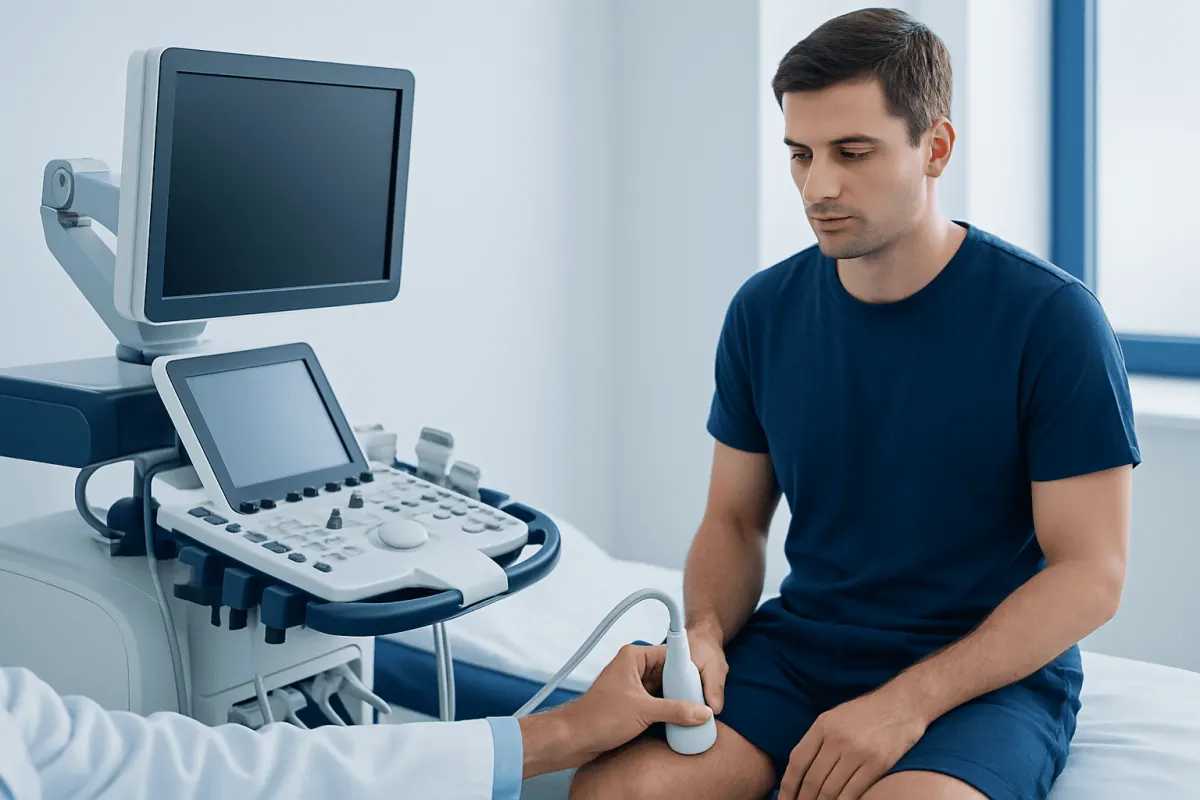
Testicular cancer diagnosis usually begins with a physical examination and scrotal ultrasound, followed by blood tests and, when cancer is suspected, removal of the affected testicle to confirm the diagnosis. The results identify the cancer type and stage, helping a specialist team recommend the most appropriate next steps.
Testicular cancer diagnosis: what happens first?
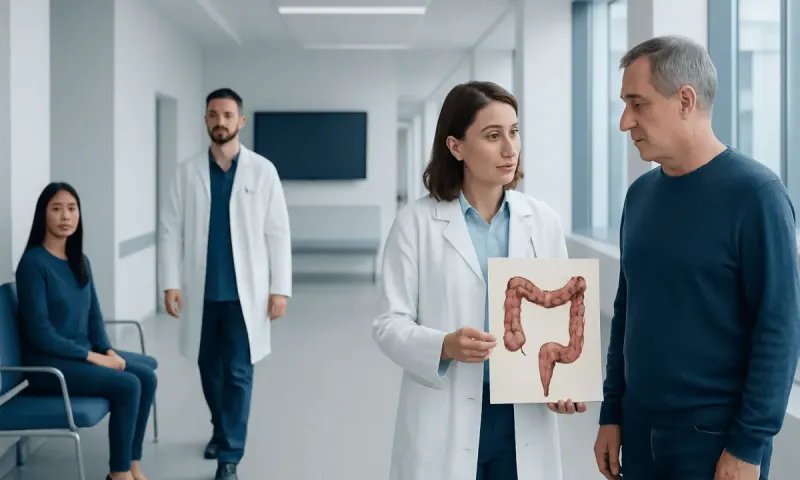
Testicular cancer diagnosis usually starts when a person notices a lump, swelling, heaviness, firmness or other change in a testicle, or when a clinician finds a change during an examination. The first steps are typically a medical history, a careful examination of the scrotum and groin, and an ultrasound scan. These tests can often distinguish a solid mass within the testicle from conditions such as a fluid-filled cyst, varicocele or infection.
If the findings suggest cancer, the person is referred to a urologist and oncology team for prompt assessment. Testicular cancer should not be confirmed by taking a needle biopsy through the scrotal skin because this may alter lymphatic drainage and can complicate care. Instead, removal of the affected testicle through a small groin incision is generally used to establish the exact diagnosis while also treating the primary tumor.
Waiting for results can be difficult. It may help to take a support person to appointments, write down questions in advance and ask the care team when each result is expected. A diagnosis does not automatically mean that chemotherapy or extensive treatment will be needed; the recommended plan depends on the cancer type, stage, tumor markers and individual circumstances.
Testicular cancer diagnostic procedures
A clinician will ask about symptoms, their timing, past testicular problems, undescended testicle history, family history and general health. During the examination, they assess both testicles, the abdomen, groin and lymph nodes. A testicular mass may be painless, so the absence of pain should not delay an assessment.
Scrotal ultrasound uses sound waves to create images of the testicles. It is painless, does not use radiation and is usually the key first imaging test. Ultrasound can show whether a lump is inside the testicle and whether it is solid, which is more concerning for cancer, or cystic, which may have a different cause. It cannot always determine the exact tumor type.
Blood tests may measure tumor markers, including alpha-fetoprotein (AFP), beta-human chorionic gonadotropin (beta-hCG) and lactate dehydrogenase (LDH). These proteins or enzymes may be raised in some germ cell tumors. Normal markers do not rule out cancer, and raised results may occasionally have other explanations, so clinicians interpret them alongside scans and pathology.
If cancer is suspected, an operation called radical inguinal orchiectomy removes the affected testicle through the groin. A pathologist examines the tissue under a microscope to identify the tumor type, such as seminoma or non-seminomatous germ cell tumor. This information is central to treatment planning.
Understanding staging and diagnosis results
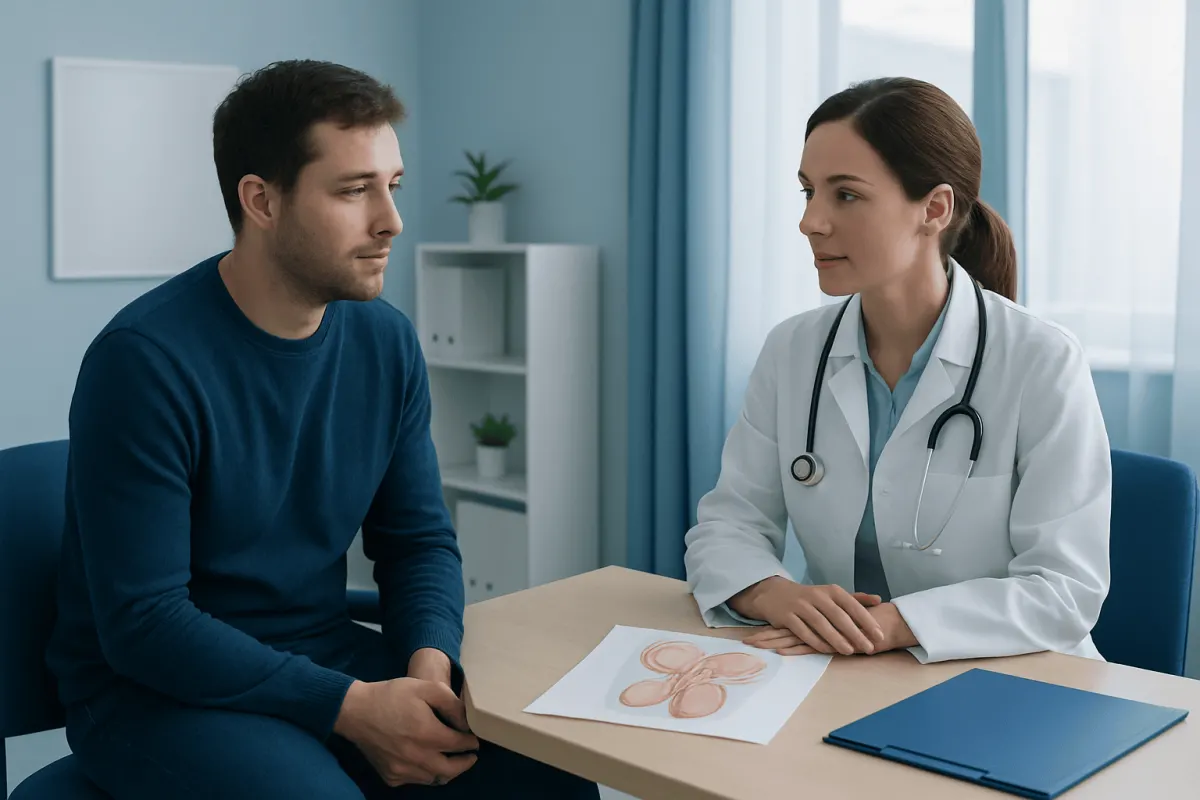
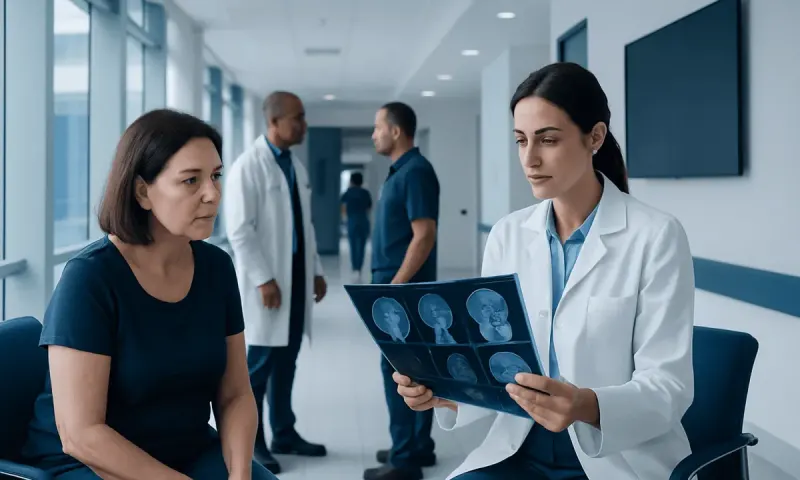
After pathology confirms cancer, further tests determine whether it has spread beyond the testicle. This process is called staging. CT scans of the chest, abdomen and pelvis are commonly used to look for enlarged lymph nodes or spread to other organs. In selected situations, a doctor may recommend other imaging tests, based on symptoms and the initial results.
Doctors combine the pathology report, scan findings and tumor marker levels after surgery to assign a stage and estimate risk. Stage I disease is limited to the testicle. Later stages involve lymph nodes or more distant sites. Staging is not a prediction of one person’s outcome; it is a practical framework for choosing treatment and follow-up.
A pathology report may include the tumor subtype, size, whether blood or lymph vessels are involved and whether the tumor has extended into nearby structures. People should feel comfortable asking their specialist to explain unfamiliar terms, the stage, the treatment goal and whether a second pathology review is appropriate.
For a broader explanation of the condition and its types, symptoms and management, see testicular cancer information.
What to do after testicular cancer diagnosis?
After a testicular cancer diagnosis, the next step is usually consultation with a multidisciplinary team that may include a urologist, medical oncologist, radiation oncologist, radiologist, pathologist and fertility specialist. The team reviews the pathology, tumor markers and staging scans before discussing options. Treatment decisions are individualized, and it is reasonable to ask about the expected benefits, side effects, alternatives and follow-up schedule.
Fertility should be discussed before chemotherapy, radiotherapy or surgery involving lymph nodes, as these treatments can affect sperm production or ejaculation. Sperm banking may be offered when appropriate. Removing one testicle usually does not prevent erections, orgasm or testosterone production if the other testicle is healthy, but each person’s situation is different.
Depending on the stage and tumor type, options may include active surveillance, additional surgery, chemotherapy or radiotherapy. Surveillance means structured follow-up with examinations, blood tests and imaging rather than immediate additional treatment. It is safe only when a person can attend the planned appointments reliably.
Emotional support also matters. Many people experience anxiety about treatment, fertility, body image, relationships or recurrence. Speaking with the clinical nurse specialist, a counselor, a support organization or trusted family members can make the process more manageable.
Is testicular cancer treatable?
Yes. Testicular cancer is generally considered one of the most treatable solid cancers, especially when it is found early. Even cancer that has spread beyond the testicle can often be treated successfully with modern combinations of surgery, chemotherapy, radiotherapy in selected cases and careful monitoring.
The treatment approach depends primarily on whether the tumor is seminoma or non-seminomatous germ cell cancer, the stage, tumor marker levels and a person’s overall health. For some stage I cancers, surgery to remove the affected testicle followed by surveillance may be enough. Others may benefit from treatment intended to reduce the chance of relapse.
When lymph nodes remain enlarged after chemotherapy, surgery to remove residual tissue may be considered in certain non-seminomatous cancers. Specialists balance treatment effectiveness with preserving long-term health, fertility and quality of life whenever possible.
Patients can discuss appropriate testicular cancer cancer Treatment Options: Surgery, Chemo, Radiation & Beyond" class="ahp-ilk">treatment options with their specialist, including the likely purpose and timing of each approach.
Recovery after diagnosis and treatment
Recovery begins at different points for different people. After an inguinal orchiectomy, many people go home the same day or after a short stay, although individual arrangements vary. Temporary groin discomfort, bruising, swelling and tiredness are common. The surgical team gives specific instructions about wound care, lifting, driving, work and return to exercise.
Testicular cancer recovery time depends on the treatment received. Recovery from surgery alone is often measured in weeks, while chemotherapy, radiotherapy or major lymph node surgery may cause fatigue and other effects that take longer to settle. Some effects, such as changes in fertility, nerve symptoms or hearing changes after certain chemotherapy medicines, may require longer-term monitoring and support.
There is no single testicular cancer recovery rate because recovery can refer to physical healing, return to work, fertility, emotional wellbeing or remaining free of cancer. Follow-up visits are an important part of recovery. They may include examinations, tumor marker blood tests and scans at intervals determined by the stage and treatment plan.
A healthy routine can support recovery: gradual physical activity when cleared by the clinical team, balanced meals, avoiding tobacco and keeping follow-up appointments. New or worsening symptoms should be discussed with the treating team rather than managed alone.
How long can testicular cancer go unnoticed?
There is no reliable time limit. Testicular cancer can go unnoticed for weeks or months because a lump may be small, painless or mistaken for a minor change. Some people have no obvious symptoms until a clinician finds an abnormality during an examination or imaging performed for another reason.
Symptoms can also vary. A person may notice a painless lump, a testicle that feels firmer or larger, a dull ache in the scrotum or lower abdomen, a feeling of heaviness, or less commonly sudden pain. Back pain, persistent cough or unexplained weight loss can occur when disease has spread, but these symptoms are not specific to testicular cancer.
Regular awareness of what is normal for the testicles may make changes easier to recognize. However, self-checks do not replace medical assessment and should not cause worry about normal variations. Any new lump, persistent swelling or significant change should be examined promptly.
When to seek medical care
A person should arrange a medical appointment promptly if they find a new lump, hard area, swelling, enlargement, shrinking or persistent heaviness in either testicle. It is also sensible to seek assessment for an ache in the testicle, groin or lower abdomen that does not settle, especially when there is no clear injury or infection explanation.
Sudden, severe testicular pain needs urgent medical evaluation because it can be caused by testicular torsion, where the blood supply to the testicle becomes twisted. Torsion is an emergency and is different from the more commonly painless presentation of testicular cancer. Fever, redness and severe tenderness may suggest infection and also warrant timely care.
Anyone previously treated for testicular cancer should contact their clinical team about new concerning symptoms or difficulty attending follow-up. Acıbadem Health Point’s multidisciplinary specialists and JCI-accredited hospitals diagnose and treat testicular cancer for international patients, with care plans coordinated around clinical findings and follow-up needs.
What is the survival rate for testicular cancer recurrence?
There is not one survival rate that applies to every testicular cancer recurrence. The outlook after relapse depends on the original tumor type, where and when the cancer returns, prior treatments, tumor marker levels and how well the cancer responds to further therapy. A specialist can give the most meaningful estimate after reviewing these details.
Importantly, recurrent testicular cancer can still be treatable. Depending on the situation, treatment may involve further chemotherapy, surgery to remove residual or recurrent disease, and management at a center experienced in germ cell tumors. Some people may be considered for more intensive chemotherapy approaches when clinically appropriate.
Published survival figures are usually based on groups of patients treated over several years, and they may not reflect newer treatments, an individual’s overall health or differences in recurrence patterns. Rather than relying on a single number, patients can ask their oncologist about the treatment goal, available options, likely side effects and the follow-up plan.
Frequently asked questions
01Can an ultrasound diagnose testicular cancer?
Ultrasound is the main first test for a suspected testicular lump and can strongly suggest whether a mass is concerning for cancer. However, the exact cancer type is usually confirmed by examining tissue after the affected testicle is removed through a groin incision. Blood tests and staging scans provide additional information.
02Are tumor markers always high in testicular cancer?
No. AFP, beta-hCG and LDH may be normal in some people with testicular cancer, particularly in certain tumor types or earlier-stage disease. Normal markers therefore do not exclude cancer. Doctors use them together with examination findings, ultrasound, pathology and scans.
03Does removal of one testicle affect fertility or testosterone?
If the other testicle is healthy, removal of one testicle often allows normal testosterone production and may preserve fertility. However, cancer itself and treatments such as chemotherapy, radiotherapy or lymph node surgery can affect fertility. Discussing sperm banking before additional treatment can be helpful.
04How quickly are testicular cancer results available?
Timing varies by hospital and by the tests needed. Ultrasound findings may be discussed soon after the scan, while pathology results after surgery can take longer because the tissue needs detailed examination. The care team should explain the expected timeline and how results will be communicated.
05Can testicular cancer come back after treatment?
Yes, recurrence is possible, which is why scheduled follow-up is important. The risk and usual timing depend on the tumor type, stage and treatment received. If recurrence occurs, there may still be effective treatment options.
06Should a painless testicular lump be checked?
Yes. Testicular cancer often presents as a painless lump or change in firmness, although many lumps have non-cancerous causes. A clinician can arrange an examination and ultrasound to identify the cause safely and accurately.
This article is for general information only and is not a substitute for professional medical advice. Please consult a qualified doctor about your individual situation.
Oncology care in Turkey — second opinion and treatment plan
JCI-accredited · board-certified surgeons · reply within 24h
Add us as a Preferred Source to see more of our trusted health content across Google Search, AI Overviews and Discover.