Tenesmus: Symptoms, Causes and Treatment

Key Takeaways
- Tenesmus is a symptom, not a diagnosis, and it often points to irritation in the rectum or lower bowel.
- It may occur with inflammatory bowel disease, infection, constipation, hemorrhoids, rectal disorders, or certain pelvic conditions.
- Diagnosis usually includes a medical history, physical examination, and sometimes stool tests, blood tests, imaging, or endoscopy.
- Treatment focuses on the cause and may include medication, bowel habit changes, hydration, and dietary support.
- Medical assessment is important if tenesmus is new, persistent, or occurs with bleeding, fever, weight loss, or significant pain.
Tenesmus is the distressing sensation of needing to have a bowel movement even when little or no stool is present. It can be linked to irritation or inflammation in the bowel, rectum, or nearby pelvic organs, so identifying the underlying cause is an important first step.
Overview
Tenesmus describes the feeling that a bowel movement is still needed, even after passing stool or when the rectum is nearly empty. People often describe it as persistent pressure, straining, or an uncomfortable urge that does not fully go away.
Because tenesmus is a symptom rather than a disease, it usually signals that something is irritating the lower part of the digestive tract. The source may be inside the bowel itself, in the rectum, or occasionally in nearby pelvic structures. For an international patient planning care abroad, that distinction matters: the treatment plan depends on finding the cause, not simply calming the sensation.
In some people, tenesmus is brief and related to constipation or a short-lived infection. In others, it can be part of a longer pattern seen with Ulcerative Colitis, and Flares" class="ahp-ilk">inflammatory bowel disease, rectal inflammation, or less commonly a growth or structural problem that needs prompt evaluation.
Symptoms
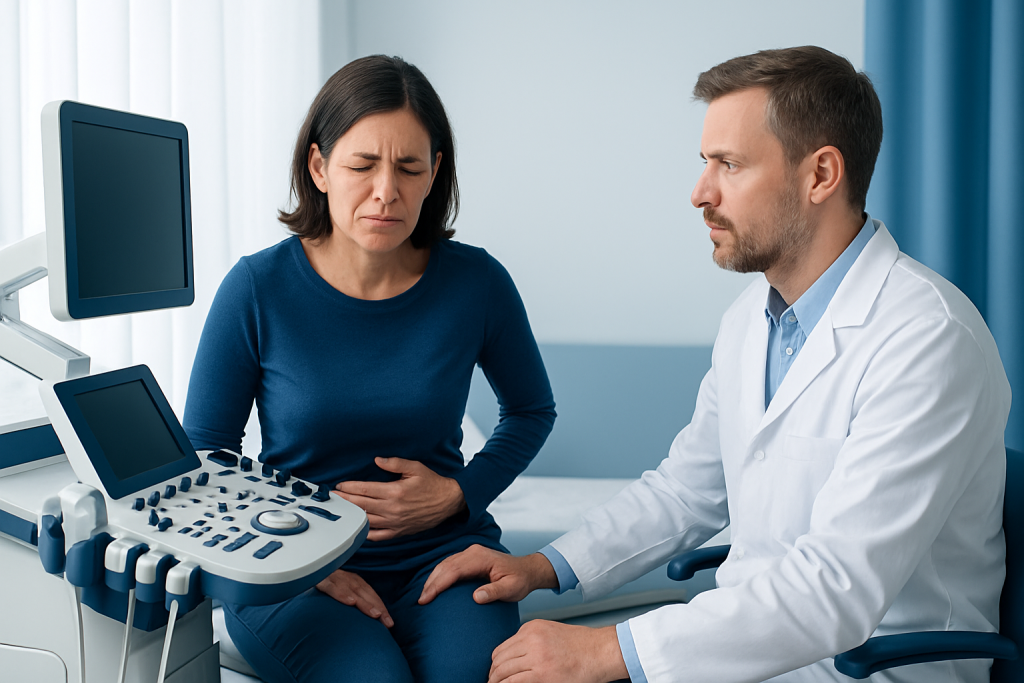
The main feature is the repeated urge to have a bowel movement, often with little relief after trying. The sensation may be present throughout the day or come in waves, and it can be physically tiring as well as emotionally frustrating.
Tenesmus may appear alone, but it often travels with other bowel symptoms that help guide the diagnosis. A person might notice mucus, diarrhea, constipation, abdominal cramping, bloating, or a sense of incomplete emptying. Some people also report pain, urgency, or a feeling of pressure in the rectum.
- Urgent need to pass stool
- Straining with little stool output
- Feeling of incomplete evacuation
- Rectal pressure or discomfort
- Mucus, bleeding, diarrhea, or constipation in some cases
When tenesmus occurs with fever, significant bleeding, or unexplained weight loss, it deserves medical assessment without delay. Those features do not automatically mean something serious, but they do help clinicians rule out problems that need timely treatment.
Causes & Risk Factors

Tenesmus can develop when the rectum or lower bowel becomes inflamed, irritated, stretched, or partially blocked. The list of possible causes is broad, which is why doctors usually think in categories rather than one single explanation.
Common causes include inflammatory bowel disease such as ulcerative colitis or Crohn’s disease, rectal infection, constipation, hemorrhoids, anal fissures, and proctitis, which is inflammation of the rectal lining. Irritable bowel syndrome can also create urgency and incomplete emptying, although it does not usually cause true inflammation.
Less commonly, tenesmus may be related to a rectal or colon polyp, tumor, pelvic mass, or a neurological problem that affects bowel coordination. Risk factors vary with the cause, but prior bowel disease, recent infection, recent pelvic treatment, constipation, and a history of rectal bleeding can all increase the likelihood of symptoms.
Travel, changes in diet, dehydration, and delayed access to bathroom facilities may worsen bowel symptoms, especially for people already prone to constipation or bowel inflammation. That is one reason international patients are encouraged to share the full timeline of their symptoms, including any changes before travel or after arrival.
Diagnosis
Evaluation usually begins with a detailed conversation about the symptom pattern, bowel habits, bleeding, pain, recent infections, medications, and past digestive conditions. A clinician may ask what the stool looks like, how often the urge occurs, and whether the sensation improves after passing stool or gas.
A physical examination often includes an abdominal check and may include a rectal examination, which can help identify stool buildup, tenderness, hemorrhoids, fissures, or other local causes. Depending on the history, further tests may be needed to look for inflammation, infection, anemia, or hidden blood.
Common tests may include:
- Stool tests to look for infection or blood
- Blood tests to assess inflammation, anemia, or dehydration
- Imaging studies when a structural problem is suspected
- Sigmoidoscopy or colonoscopy to examine the rectum and colon directly
The exact workup depends on the likely cause and on warning signs. For some patients, especially those traveling for specialist care, a clear step-by-step plan helps coordinate testing efficiently so treatment can begin without unnecessary delay.
Treatment Options
Treatment is directed at the underlying condition, because tenesmus itself is usually a signal rather than the main problem. Once the cause is identified, the sensation often improves as the inflammation, irritation, constipation, or infection is brought under control.
If constipation is contributing, clinicians may recommend gradual changes in fluids, fiber, physical activity, and bowel routines, along with medicines that soften stool or improve bowel movement regularity when appropriate. If an infection is present, treatment may involve targeted medication based on the suspected organism or test results.
For inflammatory conditions such as ulcerative colitis or Crohn’s disease, management may include anti-inflammatory medicines or other therapies chosen by a gastroenterologist. Rectal inflammation may sometimes be treated with topical therapies, while hemorrhoids or fissures are managed with measures that reduce strain and support healing.
In more complex situations, such as a mass, stricture, or another structural issue, treatment may involve procedures or surgery. The best approach depends on the cause, the severity of symptoms, and the person’s overall health, which is why self-treatment alone is not a good substitute for medical evaluation when symptoms persist.
Prevention & Self-care
Not every case of tenesmus can be prevented, but everyday habits can reduce irritation and make bowel symptoms easier to manage. Regular hydration, balanced meals, and a bowel routine that does not encourage repeated straining are practical first steps.
People with constipation often benefit from gradually increasing fiber and movement, but changes should be individualized, especially if diarrhea or inflammatory bowel disease is present. Sudden, large increases in fiber can sometimes worsen bloating or discomfort, so a paced approach is usually more comfortable.
Helpful self-care habits may include:
- Drinking enough fluids throughout the day
- Responding to bowel urges without prolonged delaying
- Avoiding excessive straining on the toilet
- Keeping track of triggers such as certain foods, stress, or dehydration
- Following prescribed treatment plans consistently
For patients recovering away from home, it can be useful to keep a simple symptom diary in mobile notes or a travel journal. Recording stool frequency, bleeding, pain, and diet changes gives the care team a clearer picture at follow-up, especially when consultations happen across time zones or after an international flight.
When to See a Doctor
Tenesmus should be discussed with a doctor if it lasts more than a short time, keeps returning, or interferes with daily life. A medical review is also important if the symptom is new in someone who has not had bowel trouble before.
Prompt evaluation is especially important when tenesmus is accompanied by rectal bleeding, black stools, fever, severe abdominal pain, persistent diarrhea, unexplained weight loss, or a change in bowel habits that continues. These features can help narrow down the cause and determine how urgently treatment is needed.
People with known inflammatory bowel disease, a history of colorectal disease, or recent pelvic treatment should let their clinician know if tenesmus changes suddenly. Acibadem Health Point’s multidisciplinary specialists and JCI-accredited hospitals can assess and treat tenesmus for international patients, with coordinated gastroenterology and diagnostic support when needed.
Medical advice is also worthwhile if the symptom is affecting sleep, travel, work, or confidence about leaving home. Even when the cause is not serious, tenesmus can be draining; a thoughtful evaluation often brings both clarity and relief.
Living With Tenesmus While the Cause Is Being Found
Waiting for a diagnosis can be frustrating, particularly when bowel symptoms feel unpredictable. A calm, practical approach helps: track the symptom pattern, stay hydrated, avoid straining, and keep any prescribed medicines or bowel regimens consistent.
If travel is involved, it is sensible to plan around bathroom access, carry any medications in hand luggage, and keep copies of prior test results, imaging reports, and pathology if available. Those details can shorten the time needed to build an accurate picture, especially when care is being coordinated across countries.
Tenesmus can feel intrusive, but it is often manageable once the underlying cause is identified. With the right evaluation and follow-up, many people are able to return to normal routines and focus on preventing flare-ups rather than reacting to them.
Frequently asked questions
01Is tenesmus the same as constipation?
No. Constipation means difficulty passing stool or infrequent stools, while tenesmus is the sensation of needing to pass stool even when the rectum may be empty. Constipation can cause tenesmus, but other conditions can as well.
02Can tenesmus happen with diarrhea?
Yes. Some people have tenesmus with diarrhea, especially when the rectum is inflamed or irritated. The combination of urgency, mucus, or bleeding can help doctors identify the underlying cause.
03Does tenesmus always mean something serious?
Not always. It can occur with temporary problems such as constipation or a short infection, but persistent or recurring symptoms should still be evaluated. The goal is to rule out treatable conditions early and reduce ongoing discomfort.
04What kind of doctor should evaluate tenesmus?
A primary care doctor or gastroenterologist is usually a good starting point. If there is rectal pain, bleeding, or a known bowel disorder, a specialist may be especially helpful.
05Can stress make tenesmus worse?
Stress does not usually cause tenesmus by itself, but it can worsen bowel symptoms and make urgency feel more intense. Managing sleep, hydration, and routine can help reduce flare-ups while the underlying cause is being addressed.
06When is tenesmus an emergency?
It is not usually an emergency on its own, but urgent care is needed if it comes with heavy bleeding, severe pain, fainting, a high fever, or signs of dehydration. Those symptoms suggest a more serious problem that should not wait.
This article is for general information only and is not a substitute for professional medical advice. Please consult a qualified doctor about your individual situation.
Medical weight-loss options in Turkey — costs & eligibility
JCI-accredited · board-certified surgeons · reply within 24h
Add us as a Preferred Source to see more of our trusted health content across Google Search, AI Overviews and Discover.