How Long Does It Take for the Liver to Regenerate? Here Is What the Evidence Says
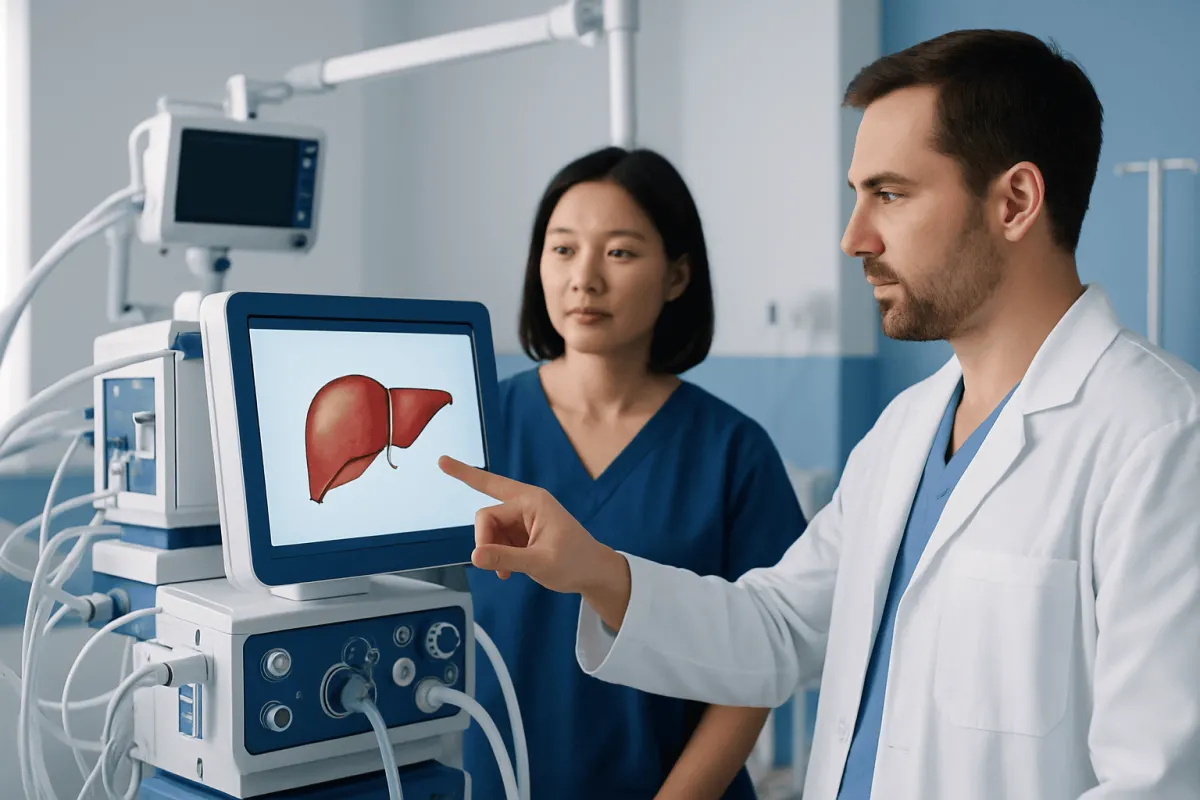
How long does it take for the liver to regenerate? After removal of part of a healthy liver, regrowth begins within days and functional recovery commonly occurs over weeks to a few months. Recovery is highly individual, however, and ongoing alcohol use, Liver Disease: Symptoms, Causes and Treatment" class="ahp-ilk">fatty liver disease, viral hepatitis, scarring, or severe injury can reduce the liver’s ability to repair itself.
How quickly can the liver regenerate?
For many people, the liver has a remarkable capacity to repair after a temporary injury or after a surgeon removes part of it. In a healthy adult, liver cells can begin dividing within days. Following a planned partial liver removal, the remaining liver often regains much of the volume and function needed for the body over several weeks, with continued adaptation over the following months.
There is no single timeline that applies to everyone. The answer depends on how much liver tissue remains, the reason for the injury or surgery, age, nutrition, blood flow, medications, alcohol exposure, and whether chronic liver disease is present. Regeneration means that the remaining tissue enlarges and restores working capacity; it may not mean that the liver becomes identical in shape or microscopic structure to the original organ.
Minor, reversible changes in liver blood tests are often temporary and may settle once the underlying trigger is removed. In contrast, repeated or long-term injury can create scar tissue. Once significant scarring develops, the liver’s repair process becomes less effective, so early assessment and treatment of the cause are important.
What liver regeneration means—and what it does not mean
The liver performs hundreds of essential tasks, including processing nutrients and medicines, making proteins involved in blood clotting, producing bile, storing energy, and helping remove waste products. Its regenerative ability allows it to maintain these functions even when part of the organ has been removed or damaged.
Regeneration is not an unlimited reset. Healthy liver cells may replace lost tissue after a one-time event, but ongoing inflammation can repeatedly activate healing pathways. Over time, this may cause fibrosis, meaning scar tissue replaces normal tissue. Advanced fibrosis is called cirrhosis and can permanently alter the liver’s structure and circulation.
People may hear that the liver “grows back” and assume it can recover from any amount of damage. That is not the case. Severe acute liver failure and advanced cirrhosis are serious conditions that require specialist care. In selected people with irreversible liver failure, liver transplantation may be considered after a full medical evaluation.
Why liver recovery times vary
Recovery tends to be more predictable when the liver was healthy before a planned operation, such as living-donor surgery or removal of a localized lesion. The regenerative response is influenced by the volume and quality of the remaining liver tissue, the complexity of the procedure, and whether complications such as infection or impaired bile flow occur.
Recovery may be slower when liver cells are already affected by fat accumulation, inflammation, alcohol-related injury, chronic viral infection, diabetes, obesity, poor nutrition, or certain inherited conditions. Fatty liver disease is common and may improve with sustained lifestyle changes, especially in its earlier stages, but some people develop inflammation and scarring that need monitoring.
Some medicines, herbal products, supplements, and environmental toxins can also injure the liver. A person should not stop prescribed medication without medical advice, but should tell a clinician about all prescription medicines, over-the-counter products, supplements, and alcohol intake. This information helps identify possible contributors and avoid further harm.
- Short-term injury: may improve over days to weeks once the cause is addressed.
- Post-surgical recovery: commonly progresses over weeks, with longer follow-up to assess healing and liver function.
- Chronic disease: may improve or stabilize with treatment, but established scar tissue may not fully reverse.
Possible signs of liver problems
Liver conditions do not always cause symptoms early on. Some people only learn of an issue after routine blood tests show elevated liver enzymes. When symptoms occur, they can be nonspecific and may include tiredness, reduced appetite, nausea, itching, discomfort on the upper right side of the abdomen, or unintentional weight changes.
Signs that bile is not being processed normally include yellowing of the eyes or skin, known as jaundice, dark urine, pale stools, and generalized itching. These symptoms can have several causes, including problems outside the liver such as gallstones, so they should be assessed rather than self-diagnosed.
Symptoms are not a reliable way to measure whether a liver is regenerating. Feeling better is encouraging, but follow-up tests may still be needed. Conversely, mild abnormalities on a blood test do not automatically mean permanent injury. A clinician can interpret results in the context of symptoms, medical history, examination, and repeat testing when appropriate.
How doctors assess liver healing
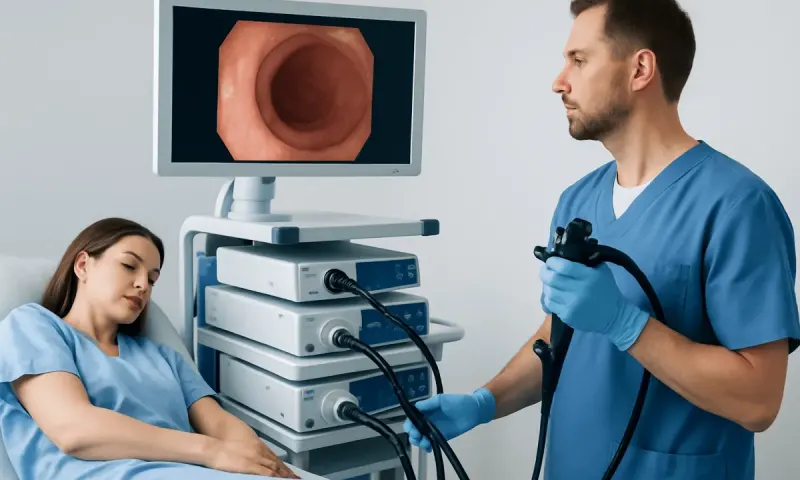
A clinician usually begins by asking about symptoms, alcohol intake, recent illnesses, travel, medicines and supplements, family history, weight changes, and risk factors for viral hepatitis. They may examine the abdomen and look for signs of jaundice, fluid retention, skin changes, or other features that can suggest liver disease.
Blood tests can measure liver enzymes, bilirubin, albumin, blood-clotting function, blood cell counts, and markers of possible viral, autoimmune, or metabolic causes. Liver enzymes reflect cell irritation or injury, but they do not independently show how well the liver is functioning or how much scarring is present.
Imaging may include ultrasound, CT, or MRI to assess the liver, bile ducts, and nearby organs. A specialized ultrasound-based test called elastography can estimate liver stiffness, which may help evaluate fibrosis. In some cases, a liver biopsy is recommended to clarify the cause or stage of disease. These steps allow the care team to identify whether the liver is recovering and what treatment or monitoring is needed.
Supporting liver health during recovery
The safest approach depends on the underlying condition. People recovering after surgery, acute hepatitis, medication-related injury, or another diagnosed liver problem should follow their clinical team’s instructions about activity, food, medicines, blood tests, and appointments. Follow-up is especially important because recovery can continue after symptoms have improved.
For most people, avoiding alcohol during liver recovery is prudent unless a doctor specifically advises otherwise. A balanced eating pattern, adequate protein and calories, regular movement as tolerated, gradual weight management when recommended, and management of diabetes, cholesterol, and blood pressure can support overall liver health. Rapid weight-loss diets and unregulated “liver cleanse” products should be avoided, as some supplements may cause liver injury.
Vaccination against hepatitis A or hepatitis B may be appropriate for some people, depending on their medical history, travel, work, and risk factors. Those who are concerned about chronic infection can discuss testing for hepatitis B or other viral causes with a qualified clinician. Acıbadem Health Point’s multidisciplinary specialists and JCI-accredited hospitals can assess liver conditions and coordinate care for international patients.
When to seek medical care
A medical appointment is appropriate for persistent fatigue, nausea, upper abdominal discomfort, itching, yellowing of the skin or eyes, dark urine, pale stools, or abnormal liver blood tests. It is also sensible to seek review after a suspected reaction to a medication, supplement, alcohol binge, or possible exposure to viral hepatitis. Many causes are treatable, and assessment can clarify whether monitoring alone is sufficient.
Urgent medical care is needed for jaundice with confusion or unusual sleepiness, severe or worsening abdominal pain, repeated vomiting, fever with jaundice, marked abdominal swelling, vomiting blood, or black tar-like stools. These symptoms can indicate a significant liver, bile duct, bleeding, or infection-related problem and should not be managed at home.
After liver surgery or an established liver diagnosis, new fever, increasing pain, jaundice, breathlessness, leg swelling, wound concerns, or a sudden decline in wellbeing should be reported promptly to the surgical or medical team. Timely review helps clinicians look for complications and support a safe recovery.
Frequently asked questions
01How long does it take for the liver to regenerate after surgery?
After partial liver removal in a person with a healthy liver, regrowth begins within days and much of the needed functional recovery often occurs over weeks to a few months. The exact timeline depends on the amount removed, the health of the remaining liver, the type of surgery, and recovery complications. The surgical team uses follow-up visits, blood tests, and sometimes imaging to monitor healing.
02Can the liver regenerate after alcohol-related damage?
The liver can recover from early alcohol-related fat buildup or inflammation when alcohol exposure stops, although the timeframe varies. Continued alcohol use can worsen injury and lead to fibrosis or cirrhosis. Established advanced scarring may not fully reverse, but stopping alcohol and receiving medical care can still protect remaining liver function.
03Does liver regeneration mean cirrhosis can be cured?
Not necessarily. Cirrhosis is advanced scarring that changes the liver’s structure and may impair blood flow and function. Treating the cause can slow or stop further damage, and some earlier fibrosis may improve, but cirrhosis needs ongoing specialist monitoring.
04Can liver blood tests show whether the liver is regenerating?
Blood tests can show whether liver-cell injury, bile flow, protein production, and clotting are improving or worsening. However, no single test directly measures regeneration. Doctors interpret trends in blood tests together with symptoms, imaging, medical history, and, when needed, fibrosis assessment.
05What foods help the liver heal?
There is no single food that regenerates the liver. A varied diet with vegetables, fruit, whole grains, protein sources, and healthy fats can support general health and adequate nutrition. A clinician or dietitian may offer more specific advice for people with liver disease, diabetes, weight concerns, or recovery after surgery.
06Should a person take liver detox supplements?
Detox products are not proven to restore liver function, and some herbal or dietary supplements can cause liver injury. It is safer to avoid unregulated products and discuss any supplement with a doctor or pharmacist. The most effective plan is to identify and treat the underlying cause of liver stress.
This article is for general information only and is not a substitute for professional medical advice. Please consult a qualified doctor about your individual situation.
Explore treatments in Turkey — costs, top hospitals & a free quote
JCI-accredited · board-certified surgeons · reply within 24h
Add us as a Preferred Source to see more of our trusted health content across Google Search, AI Overviews and Discover.