Tendons Connect Muscle to Bone and Can Wear or Tear

Ever felt a sharp twinge in your heel when you pushed off to run, or a nagging ache in your elbow after a long day of gripping and lifting? That pain often comes from a tendon — the strong band of connective tissue that attaches muscle to bone and helps your body move. Tendon problems can range from mild irritation to partial or complete tears, and getting assessed early can help protect your function and recovery.
Overview: what a tendon is and why it matters
A tendon is a tough, flexible cord of connective tissue that links a muscle to a bone. When a muscle contracts, the tendon transmits that force to the bone so a joint can move. Tendons are essential for everyday actions such as walking, lifting, gripping, climbing stairs, and maintaining posture.
Tendons are strong, but they’re not indestructible. Repeated strain, aging, sports injuries, poor movement mechanics, or a direct blow can all irritate or damage them. Some tendon problems develop gradually over weeks or months, while others happen suddenly, such as a tendon rupture during a fall or forceful movement.
When people say “tendon pain,” they may actually mean several different conditions. These may include inflammation around a tendon, long-term tendon degeneration, or a partial or complete tear. Treatment depends on the exact cause, location, and severity — so don’t assume your tendon pain is the same as someone else’s.
How tendons work in the body
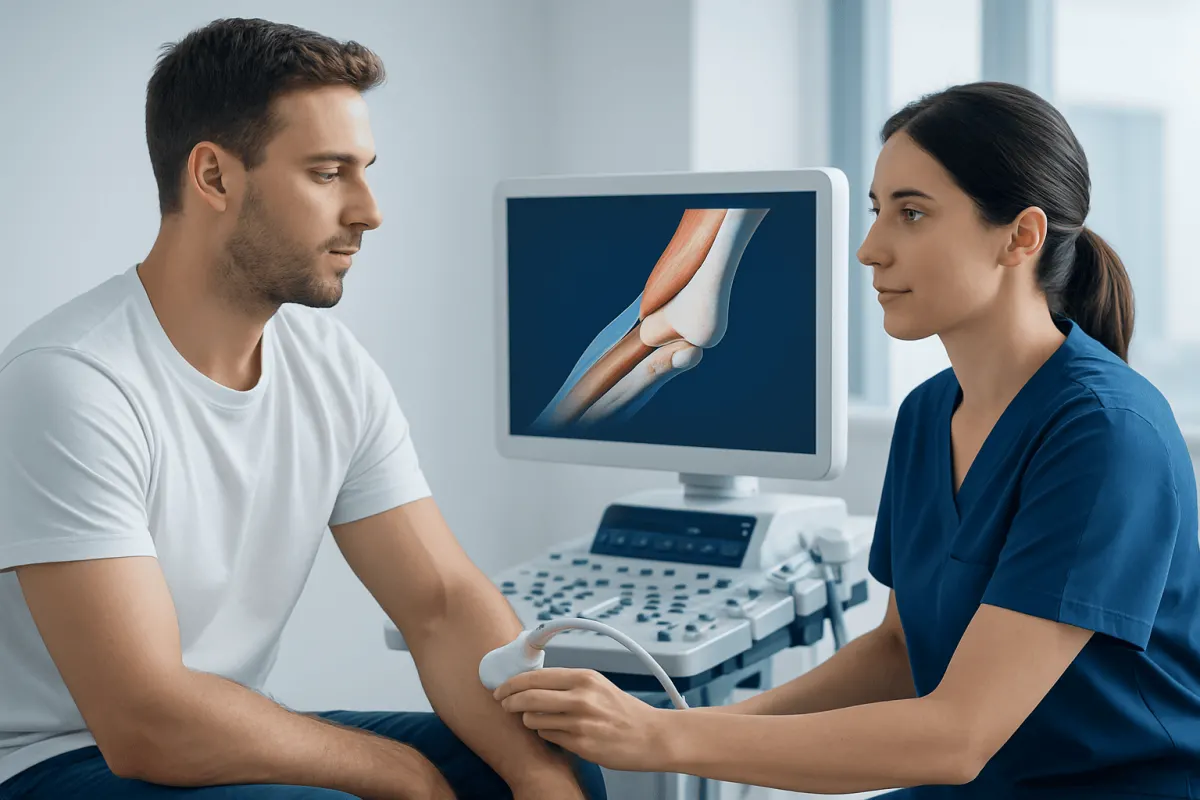
Tendons are made mainly of collagen fibers arranged in parallel bundles. This structure gives them high tensile strength, allowing them to tolerate pulling forces generated by muscles. At the same time, they have limited blood supply compared with many other tissues, which can slow healing after injury.
Healthy tendons store and release energy during movement. For example, the Achilles tendon helps the body push off during walking and running, while the rotator cuff tendons help stabilize and move the shoulder. Tendons also work with ligaments, cartilage, bones, and muscles to keep joints controlled and efficient.
Different tendons face different demands. Some support fine, precise movement in the hand, while others handle high loads in the knee, hip, or ankle. Because of these varied roles, tendon problems can affect function in many ways, from discomfort during sports to difficulty with daily tasks such as dressing, carrying objects, or standing from a chair.
Common symptoms of tendon problems

Tendon symptoms depend on which part of the body is affected, but certain patterns are common. Pain is often felt during movement or after activity and may improve with rest in the early stages. Some people notice tenderness when pressing on the area, mild swelling, stiffness after inactivity, or a feeling that the joint is not working normally.
When tendon damage progresses, symptoms may become more persistent. A patient may develop weakness, reduced range of motion, pain during simple daily movements, or a crackling sensation with motion. In a sudden tear, there may be a sharp pain, a popping feeling, bruising, and immediate difficulty using the affected limb.
Common tendon-related conditions include:
- Tendinitis: short-term irritation or inflammation, often from overuse
- Tendinopathy: a broader term that often reflects chronic tendon overload and tissue change
- Tenosynovitis: inflammation of the sheath around certain tendons
- Partial tendon tear: some fibers are damaged but the tendon remains partly intact
- Complete tendon rupture: the tendon is fully torn, causing major loss of function
Tendon pain around the shoulder, elbow, wrist, hip, knee, ankle, or heel is common. Depending on location, related diagnoses may include rotator cuff tear or Achilles tendon rupture, which need careful evaluation to guide treatment.
Causes and risk factors
Many tendon problems begin with repeated mechanical overload. This may happen when a person suddenly increases exercise intensity, performs the same work movement many times, returns to sport too quickly, or uses poor technique. Even low-grade strain repeated over time can exceed a tendon’s ability to adapt and repair itself.
Age can also affect tendon health. Over time, tendons may lose some elasticity and become more prone to degeneration or tearing. Previous injury, poor muscle conditioning, joint instability, and tight surrounding muscles can increase the forces placed on a tendon and make symptoms more likely.
Certain medical and lifestyle factors may raise risk as well. These can include diabetes, inflammatory diseases, obesity, smoking, and some medications that are known to affect connective tissue. Not every patient with these factors develops tendon disease, but they may influence healing and recovery.
Direct trauma is another cause. A fall, sudden twist, awkward landing, or forceful lifting movement can lead to an acute tear. In some cases, a tendon that has already been weakened by chronic wear is more likely to rupture during an event that would otherwise not cause major injury.
How doctors diagnose a tendon condition
Diagnosis starts with a careful history. The doctor will usually ask when the pain began, whether it followed overuse or a sudden injury, what movements trigger symptoms, and whether there is weakness, swelling, numbness, or loss of function. Understanding work demands, sports activity, and past injuries also helps identify likely causes.
A physical examination tells us a lot: where the tendon is irritated and how well the joint is working. The doctor may assess tenderness, swelling, range of motion, strength, stability, and pain with specific movements. This often gives strong clues about whether the issue is inflammation, overload, or a tear.
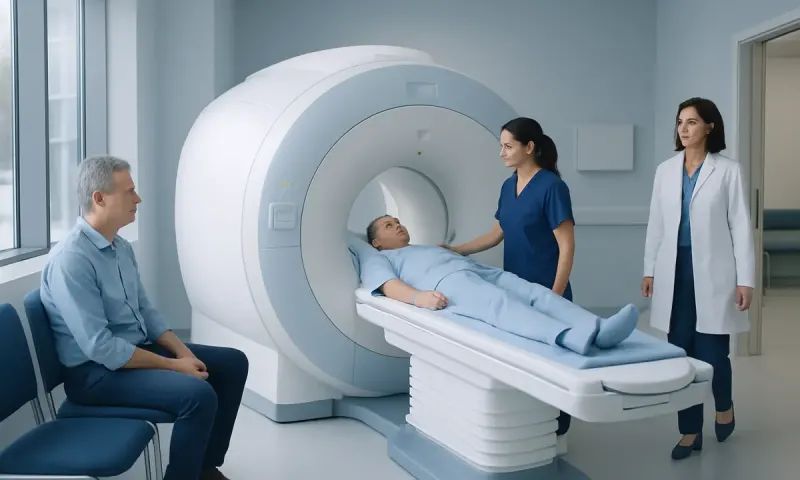
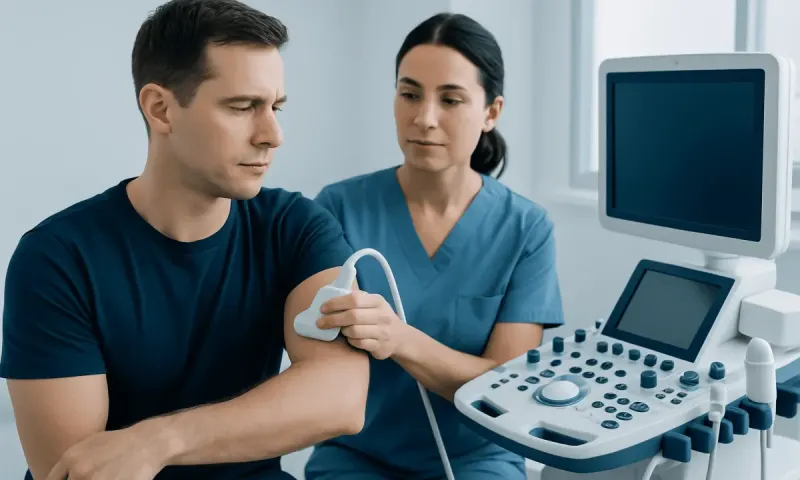
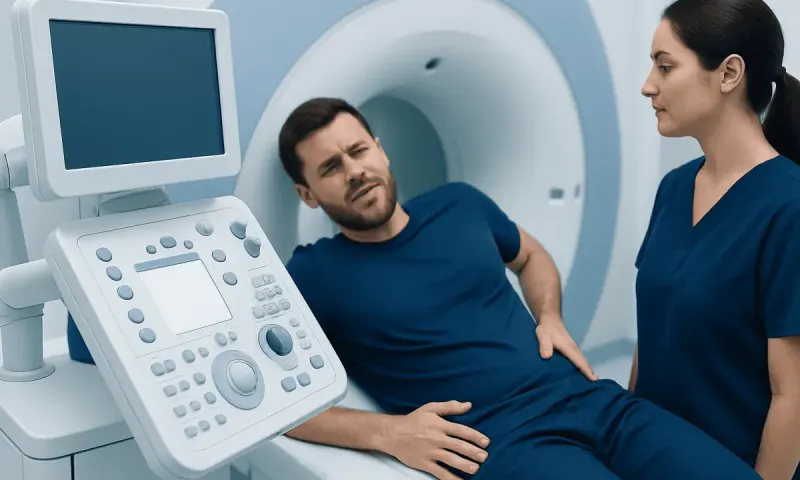
Imaging is not always needed for mild cases, but it can be useful when the diagnosis is uncertain or more severe damage is suspected. Ultrasound can show tendon thickening, tears, and fluid around a tendon in real time. MRI may be recommended when a deeper tendon is involved, surgery is being considered, or associated muscle and joint injuries need to be assessed. In some situations, MRI or ultrasound imaging helps confirm the extent of injury and guide treatment planning.
Treatment options and recovery
Treatment depends on the tendon involved, the severity of damage, the patient’s activity level, and how long symptoms have been present. Many mild to moderate tendon conditions improve with a combination of relative rest, short-term activity modification, ice, and guided rehabilitation. The goal is usually not complete inactivity, but reducing the load enough to allow healing while gradually restoring strength and movement.
Physiotherapy is a central part of care for many tendon problems. Exercises may focus on flexibility, controlled loading, balance, posture, and correcting movement patterns that contributed to the injury. Pain-relieving medicines may be used for short periods when appropriate, though medication alone does not address the mechanical cause of most tendon disorders.
Some patients with persistent symptoms may be considered for additional treatments, depending on the location and diagnosis. Bracing or splinting may be helpful in selected cases. Injections may sometimes be used carefully, but their role varies by tendon and should be individualized because certain injections are not suitable near some tendons.
Surgery is usually reserved for complete ruptures, large tears, failure of well-structured conservative treatment, or cases where function is significantly impaired. Depending on the site, options may include arthroscopic treatment or other tendon repair procedures. Recovery can take weeks to months, and rehabilitation remains important after any procedure. Near the end of care planning, some international patients may choose evaluation at Acıbadem Health Point, where multidisciplinary specialists in JCI-accredited hospitals diagnose and treat tendon conditions.
Prevention and self-care
Not all tendon injuries can be prevented, but sensible habits can reduce risk. A gradual approach to new exercise, proper warm-up, and adequate recovery between high-load activities are helpful. Strengthening the muscles around a joint can improve force distribution and reduce stress on the tendon itself.
Technique also matters. In sports and repetitive work, poor form can increase overload over time. Supportive footwear, ergonomic adjustments, and regular movement breaks may help people whose jobs involve prolonged standing, typing, lifting, or repeated gripping. Small changes made early are often more effective than waiting until pain becomes chronic.
As a rule, don’t push through significant tendon pain. Short-term rest from aggravating activity, ice after flare-ups, and a gradual return to movement are often useful. However, prolonged complete rest can lead to stiffness and weakness, so a clinician-guided plan is often best when symptoms last more than a few days or keep returning.
Be careful with home remedies that promise quick fixes. Tendons usually heal through progressive, structured loading rather than sudden high-intensity stretching or unsupervised exercise. If there is uncertainty about the diagnosis, a medical review is safer than self-treating for long periods.
When to seek medical care
See a doctor if tendon pain lasts more than a short period, keeps coming back, limits your daily activity, or causes weakness. It is also important to seek care if there is visible swelling, bruising, reduced joint movement, or pain that becomes steadily worse despite rest.
Urgent evaluation is recommended after a sudden injury with a popping sensation, immediate loss of strength, inability to bear weight, or inability to lift or grip normally. These features can suggest a significant tear or rupture that may need prompt treatment to preserve function.
Talk to your doctor, too, if you have a condition that may affect healing — such as diabetes or inflammatory disease — or if you take medicines linked to tendon complications. Early evaluation can help confirm the diagnosis, rule out other causes of pain, and start the most appropriate plan before the problem becomes more difficult to treat.
Frequently asked questions
01What is a tendon?
A tendon is a band of strong connective tissue that attaches a muscle to a bone. Its job is to transfer the force created by a muscle so the body can move a joint.
02What is the difference between a tendon and a ligament?
A tendon connects muscle to bone, while a ligament connects bone to bone. Both support movement and joint function, but they have different roles in the musculoskeletal system.
03Can a tendon heal on its own?
Some mild tendon problems can improve with rest, activity changes, and rehabilitation. However, significant tears or persistent symptoms often need medical evaluation, and complete ruptures may require more specialized treatment.
04Is tendon pain always caused by inflammation?
No. While some acute tendon problems involve inflammation, many long-lasting cases are better described as tendinopathy, which often includes tissue degeneration and overload rather than inflammation alone. This is one reason why treatment usually focuses on rehabilitation and load management.
05How long does a tendon take to recover?
Recovery time varies widely depending on the tendon involved, the severity of the injury, and the treatment used. Mild irritation may improve within weeks, while chronic tendinopathy or tendon repair after surgery can take several months.
06Should a patient exercise with tendon pain?
It depends on the cause and severity of symptoms. Gentle, guided exercise is often part of treatment, but painful or high-load activity may need to be reduced temporarily. A clinician or physiotherapist can help decide what level of activity is safe.
This article is for general information only and is not a substitute for professional medical advice. Please consult a qualified doctor about your individual situation.
Joint and spine care in Turkey — expert assessment & treatment
JCI-accredited · board-certified surgeons · reply within 24h
Add us as a Preferred Source to see more of our trusted health content across Google Search, AI Overviews and Discover.