Shoulder Labrum Tear: Symptoms and Treatment Options
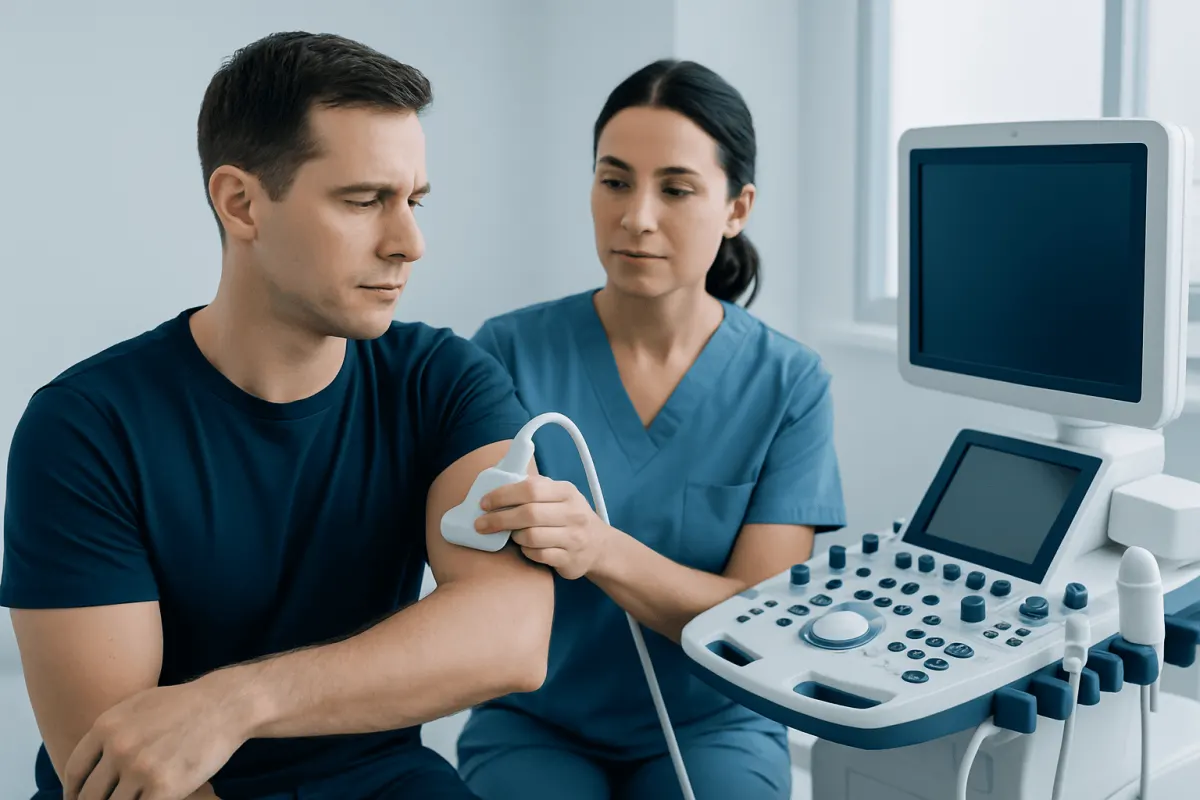
A shoulder labrum tear affects the ring of firm cartilage around the shoulder socket. It can develop after an injury, repeated overhead movement, or gradual wear, and may cause pain, catching, weakness, or a feeling that the shoulder is unstable.
Overview: What Is a Shoulder Labrum Tear?
The shoulder is a ball-and-socket joint. The rounded top of the upper arm bone, called the humeral head, fits into a shallow socket in the shoulder blade called the glenoid. Around the edge of this socket is the labrum, a ring of strong fibrocartilage. It deepens the socket, supports the joint capsule and ligaments, and helps the shoulder remain stable while still allowing a wide range of movement.
A labrum tear shoulder occurs when this cartilage rim is damaged or pulls away from the edge of the socket. Tears vary in size and location. Some are small and cause few symptoms, while others contribute to repeated shoulder slipping, partial dislocation, or dislocation. The best treatment depends on the person’s symptoms, activity needs, tear pattern, and whether other structures have also been injured.
Labral injury can occur in people of many ages. It is often seen after sports injuries or shoulder dislocation, but it may also develop gradually in people who regularly perform overhead work or activities. A tear seen on a scan does not always explain shoulder pain on its own, especially as age-related labral changes can be present without causing symptoms.
Types of Shoulder Labral Tears
Labral tears are commonly described according to where they occur. A SLAP tear affects the upper, or superior, part of the labrum. The term SLAP means “superior labrum anterior to posterior,” indicating that the injury extends from the front to the back of the upper labrum. The tendon of the biceps muscle attaches in this region, so some SLAP tears can cause pain during lifting, throwing, or overhead movement.
A Bankart tear involves the lower front part of the labrum. It often occurs when the shoulder dislocates forward and may make future dislocations more likely. A posterior labral tear affects the back of the socket and can occur after force is applied to the front of the shoulder, repetitive loading, or certain athletic movements.
Some tears affect more than one area of the labrum. Labral damage can also occur alongside ligament injuries, rotator cuff problems, cartilage damage, or bone injuries. A careful assessment is important because the treatment plan should address the full cause of symptoms, rather than only the scan finding.
Symptoms of a Labrum Tear Shoulder

Symptoms can begin suddenly after an injury or develop gradually. Pain is often felt deep in the shoulder and may become more noticeable with reaching, throwing, lifting, or rotating the arm. Some people notice painful clicking, catching, grinding, popping, or a sensation that the shoulder is locking during movement.
A labral tear may also cause weakness, reduced confidence using the arm, or difficulty with sports and daily tasks such as dressing, reaching into a cupboard, or sleeping on the affected side. When the tear is linked to instability, the shoulder may feel as though it is loose, slipping, or about to come out of place. This feeling is sometimes called apprehension.
Symptoms overlap with several other shoulder conditions, including tendon irritation, rotator cuff tears, arthritis, and neck-related pain. For this reason, pain or clicking alone cannot confirm a labral tear. A healthcare professional can help determine whether the labrum is likely to be involved and whether the symptoms need further evaluation.
Causes and Risk Factors
Acute trauma is a common cause of a shoulder labral tear. Examples include falling onto an outstretched hand, a direct blow to the shoulder, a forceful pull on the arm, or a shoulder dislocation. A sudden force during contact sports, cycling, skiing, or a road traffic accident can injure the labrum and nearby stabilizing tissues.
Repetitive overhead activity may also place strain on the labrum. This can affect athletes who throw, swim, play racquet sports, or lift weights, as well as people whose work involves repeated reaching or lifting above shoulder level. Poor shoulder mechanics, muscle imbalance, limited flexibility, and training errors can increase stress on the joint.
With age, the labrum can become less resilient and may develop degenerative fraying. This does not necessarily require treatment, particularly if it is not causing symptoms. Risk may be higher in people with previous shoulder instability, a history of dislocation, joint laxity, or demanding overhead physical activity.
- Falls, collisions, or forceful arm traction
- Shoulder dislocation or repeated partial dislocation
- Repetitive throwing, serving, swimming, or overhead lifting
- Previous shoulder injury or surgery
- Age-related changes in shoulder tissues
How a Shoulder Labral Tear Is Diagnosed
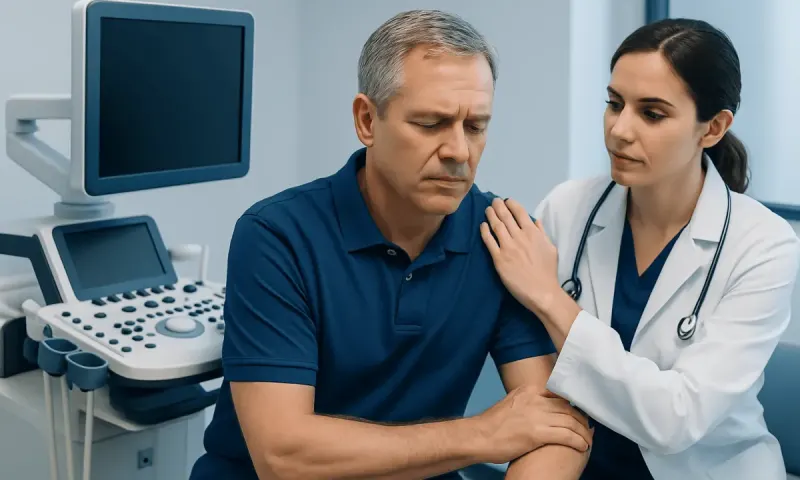
Diagnosis starts with a discussion of symptoms, previous injuries, work and sports activities, and any episodes of the shoulder slipping out of place. During the examination, the clinician checks shoulder movement, strength, tenderness, stability, and pain during specific positions or tests. No single physical test can diagnose every labral tear with certainty, but the overall examination can guide next steps.
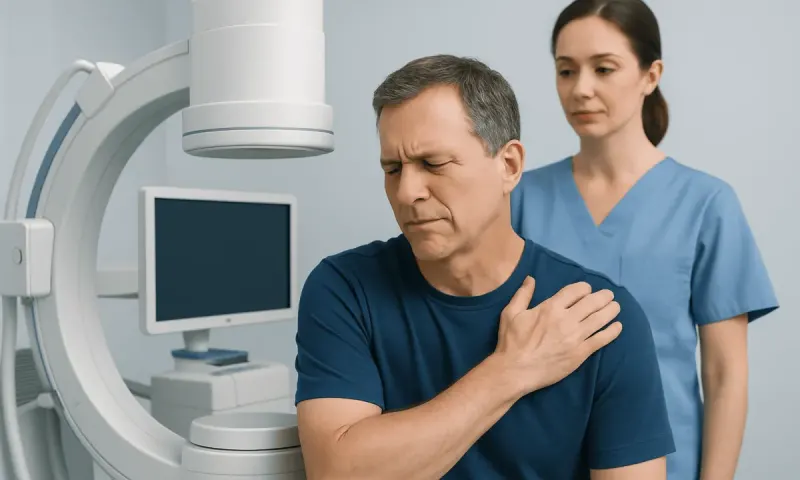
Plain X-rays do not show the labrum directly, but they can help identify fractures, arthritis, joint alignment problems, or changes related to previous dislocation. MRI can provide detailed images of soft tissues, including the labrum, rotator cuff, and surrounding structures. In some cases, MR arthrography, in which contrast material is placed in the joint before MRI, may give a clearer view of certain labral injuries.
Arthroscopy is a minimally invasive procedure in which a surgeon uses a small camera to inspect the inside of the shoulder. It can provide a direct assessment and may be used when surgery is being considered. Imaging results are always interpreted alongside symptoms and examination findings, as not every labral abnormality needs intervention.
Treatment Options
Initial treatment is often non-surgical, particularly when there is no recurrent dislocation or major loss of function. Temporarily reducing painful activities can allow the shoulder to settle. A clinician may recommend appropriate pain-relief options or anti-inflammatory medicines when they are safe for the individual. Ice or heat may help some people manage short-term discomfort.
Physiotherapy is a central part of treatment. A tailored rehabilitation program can improve shoulder blade control, range of motion, rotator cuff strength, posture, and movement patterns. Stronger muscles around the shoulder can improve joint support and help a person return gradually to everyday activities, work, or sport. Rehabilitation needs are individual, especially for throwing athletes and people with physically demanding jobs.
Surgery may be considered when symptoms continue despite appropriate non-surgical care, when instability repeatedly limits activity, or when the tear is associated with a significant injury. Shoulder arthroscopy may allow a surgeon to repair the labrum with anchors, remove unstable damaged tissue in selected situations, or address associated injuries. The operation chosen depends on the tear type, location, tissue quality, age, activity level, and goals.
Recovery after surgery usually includes a period of protection in a sling followed by guided rehabilitation. Return to heavy lifting, contact activities, and overhead sport occurs gradually and only when healing, strength, movement, and shoulder control are appropriate. The treating team can explain expected recovery timelines and restrictions for the individual situation.
Prevention and Self-Care
Not every labral tear can be prevented, especially those caused by an unexpected fall or collision. However, good shoulder conditioning can reduce avoidable stress. Regular exercises that build rotator cuff and shoulder blade strength, maintain flexibility, and support good posture may be helpful, particularly for people who take part in overhead sports or repetitive manual work.
Training should increase gradually. Warm-up routines, attention to technique, adequate rest, and avoiding a sudden major rise in training load can all support shoulder health. Athletes should seek advice from a qualified coach, physiotherapist, or clinician if shoulder pain develops during throwing or other repeated overhead activity rather than continuing through painful movements.
After a shoulder injury, it is sensible to avoid returning to demanding activity until the shoulder has been assessed and function has recovered. Following a prescribed rehabilitation plan consistently is important. If an activity repeatedly produces pain, catching, or an unstable feeling, it should be modified until medical guidance is available.
When to See a Doctor
A person should arrange a medical assessment for persistent shoulder pain, repeated clicking with pain, reduced movement, weakness, or a feeling that the shoulder is unstable. Evaluation is particularly important after a dislocation, a traumatic fall, or an injury that prevents normal use of the arm. Early assessment can help identify associated injuries and guide safe rehabilitation.
Urgent medical care is needed if the shoulder looks deformed, appears to be dislocated, cannot be moved, or is accompanied by severe pain after an injury. Prompt attention is also important for numbness, tingling, a cold or pale hand, marked swelling, or new weakness, as these symptoms may indicate nerve or blood vessel involvement.
For international patients, Acıbadem Health Point’s multidisciplinary specialists and JCI-accredited hospitals can assess shoulder injuries and discuss suitable diagnostic and treatment options. A qualified orthopedic clinician can help balance imaging findings, symptoms, activity goals, and personal preferences when planning care.
Frequently asked questions
01Can a shoulder labrum tear heal without surgery?
Some people manage symptoms well without surgery through activity modification, physiotherapy, and appropriate pain management. The torn labrum itself may not fully reattach in every case, but improved muscle control and shoulder stability can still allow good function. Surgery is generally considered when symptoms persist or instability recurs.
02What does a SLAP tear feel like?
A SLAP tear may cause deep shoulder pain, clicking or catching, and discomfort during overhead reaching, throwing, or lifting. Some people also notice weakness or a reduction in sports performance. These symptoms are not specific to SLAP tears, so a clinical assessment is needed.
03Can a shoulder labral tear cause arm numbness?
A labral tear mainly causes shoulder pain, clicking, weakness, or instability rather than numbness. Numbness or tingling may suggest nerve irritation, neck-related symptoms, or an injury associated with a dislocation. It should be assessed promptly, especially after trauma.
04How long does recovery from shoulder labrum surgery take?
Recovery varies with the type of repair, associated injuries, rehabilitation progress, and the person’s work or sporting demands. A sling is often used early after repair, followed by structured physiotherapy to restore movement and strength. Return to overhead sports or heavy work may take several months and should be guided by the surgical and rehabilitation team.
05Is clicking in the shoulder always a labrum tear?
No. Clicking can occur in a normal shoulder and may also be related to tendons, muscles, joint mechanics, arthritis, or other conditions. Clicking is more concerning when it is painful, follows an injury, is accompanied by weakness, or occurs with instability.
06Can someone exercise with a labrum tear shoulder?
Exercise may be appropriate, but the type and intensity should be adapted to symptoms and clinical advice. Rehabilitation exercises are often helpful, while painful overhead lifting, throwing, contact activities, or movements that make the shoulder feel unstable may need to be avoided temporarily. A physiotherapist can provide a safe, individualized program.
This article is for general information only and is not a substitute for professional medical advice. Please consult a qualified doctor about your individual situation.
Joint and spine care in Turkey — expert assessment & treatment
JCI-accredited · board-certified surgeons · reply within 24h
Add us as a Preferred Source to see more of our trusted health content across Google Search, AI Overviews and Discover.