Teeth Cleaning Before and After: What You Need to Know

Key Takeaways
- Professional teeth cleaning removes buildup that brushing and flossing cannot always reach.
- Before the appointment, it helps to share medical history, medications, and any gum symptoms with the dental team.
- After cleaning, teeth may feel smoother and look brighter, but temporary sensitivity or mild bleeding can occur.
- Good home care between visits is the best way to maintain results and slow new tartar buildup.
- People with gum disease, heavy staining, or dental anxiety may need a more tailored cleaning plan.
Teeth cleaning before and after usually involves a simple dental visit that removes plaque and tartar, refreshes the mouth, and helps protect gum health. Most people return to normal activities right away, though mild sensitivity or gum tenderness can happen briefly.
Overview
Teeth cleaning before and after is usually straightforward: before the appointment, the mouth may contain plaque, tartar, and surface staining; after the appointment, the teeth often feel smoother, the gums are easier to keep clean, and the smile can look fresher. For many people, a routine cleaning is one of the simplest ways to support long-term oral health, because it removes deposits that daily brushing and flossing cannot fully reach.
Dental cleaning is not the same as whitening, although it can make teeth appear brighter when surface stains are removed. In most cases, the visit includes an examination, removal of buildup, polishing, and advice tailored to the person’s risk of cavities or gum disease. For international patients traveling for dental care, the experience often includes a clear treatment plan, short recovery time, and guidance on how to maintain results after returning home.
Acibadem Health Point’s multidisciplinary specialists and JCI-accredited hospitals diagnose and treat dental conditions for international patients, including preventive and restorative oral care when needed. The goal of a cleaning appointment is not only a cleaner smile, but also earlier detection of problems such as inflamed gums, loosened tartar, or areas that need closer monitoring.
What Teeth Cleaning Involves
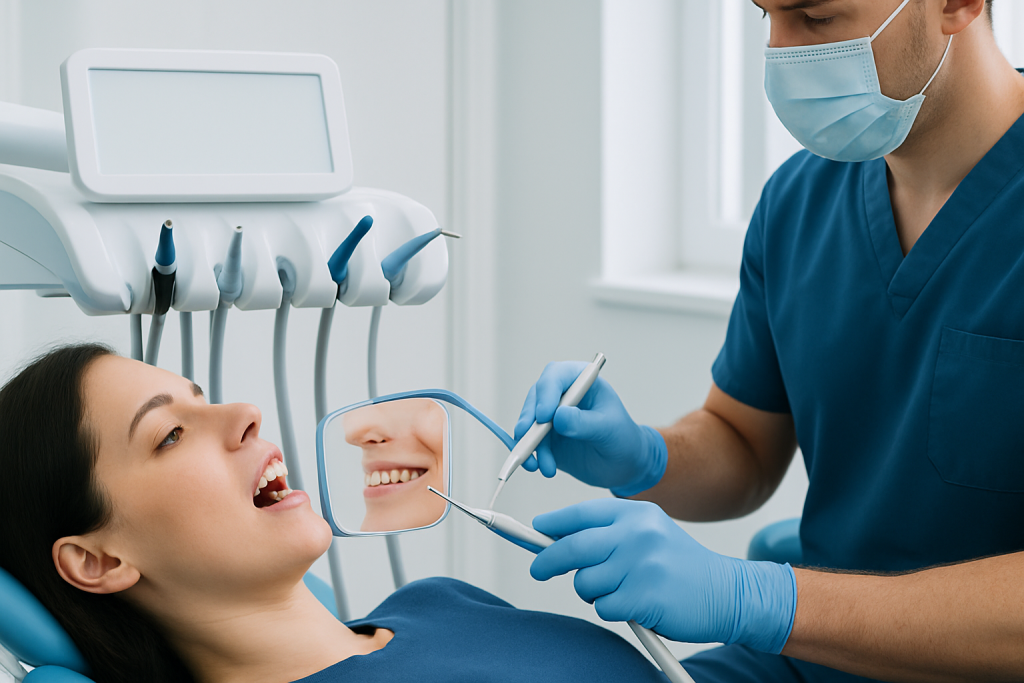
A typical professional cleaning starts with a look at the gums, teeth, and any sensitive areas. The dentist or hygienist may check for bleeding, pockets around the gums, signs of decay, or areas where plaque tends to collect. If the mouth is healthy and buildup is mild, the cleaning is often quick and comfortable.
Scaling is the part that removes hardened deposits, especially near the gumline and between teeth. This may be done with hand instruments, ultrasonic devices, or a combination of both. After that, polishing helps smooth the tooth surface and remove soft stains, which can make it harder for plaque to cling immediately afterward.
Some patients receive additional steps depending on their needs. These can include fluoride guidance, deep-cleaning recommendations if gum disease is present, or advice about flossing technique, mouthwash, or interdental brushes. The exact approach depends on the condition of the gums, the amount of buildup, and the person’s overall oral health history.
Symptoms and Changes to Expect Before and After

Before cleaning, people often notice roughness on the teeth, bleeding when brushing, persistent bad breath, or a dull yellow-brown buildup near the gumline. Some also have no obvious symptoms at all, which is one reason routine dental visits matter. A healthy-looking mouth can still have tartar below the gumline or early gum irritation.
After cleaning, the teeth usually feel smoother and the mouth feels fresher. Mild sensitivity to cold foods or drinks can happen for a short time, especially if tartar had been covering exposed areas of tooth or root surface. Small spots of gum tenderness or light bleeding may also appear briefly if the gums were inflamed before the visit.
These changes are usually temporary and improve with gentle home care. A person should not expect a dramatic medical recovery after a routine cleaning, but rather a gradual return to comfortable brushing and flossing with a cleaner, healthier baseline. If discomfort becomes stronger instead of fading, that deserves dental review.
Causes & Risk Factors for More Buildup
Plaque forms naturally after eating and drinking, and if it is not removed well, it hardens into tartar. Once tartar forms, normal brushing cannot remove it; professional tools are needed. This process happens more quickly in some people than others, depending on saliva, diet, habits, and oral hygiene technique.
Several factors can make cleaning more important or more frequent. These include smoking, dry mouth, crowded teeth, braces or other appliances, a history of gum disease, diabetes, and a diet high in sugary or sticky foods. Some people also have more staining from coffee, tea, red wine, or certain medications.
Risk does not mean certainty. Many of these concerns can be reduced with regular dental visits and consistent home care. What matters most is whether the mouth is regularly receiving the kind of cleaning that prevents plaque from becoming a long-term problem.
- Inconsistent brushing or flossing
- Smoking or tobacco use
- Dry mouth from medications or medical conditions
- Gum disease history
- Orthodontic appliances or crowded teeth
Diagnosis and Assessment at the Dental Visit
Although a cleaning itself is preventive care, the appointment usually includes a basic oral assessment. The dentist or hygienist may look for gum swelling, recession, bleeding, signs of decay, or pockets around the teeth that suggest periodontal disease. This helps decide whether a routine cleaning is enough or whether deeper treatment is needed.
X-rays may be recommended in some cases, especially if the person has not had dental imaging for a while or has symptoms that suggest hidden decay or bone loss. The purpose is not to find problems unnecessarily, but to understand what is happening below the visible surface. For travelers seeking dental care abroad, this first assessment is often the key step in planning time-efficient treatment.
A good evaluation also includes a conversation. The team may ask about medications, heart conditions, pregnancy, previous dental experiences, or anxiety during procedures. These details help make the appointment safer, more comfortable, and better matched to the person’s needs.
Treatment Options and What Happens During Recovery
For routine cases, treatment is usually a standard cleaning and polishing session. If gum disease is present, the dentist may recommend a deep cleaning, also called scaling and root planing, to remove buildup below the gumline and help the gums heal. More advanced gum problems may require follow-up visits and ongoing maintenance.
Recovery after regular teeth cleaning is generally simple. Most people can eat, work, and travel the same day. If teeth feel sensitive, choosing lukewarm foods and avoiding very cold drinks for a short time may be helpful. Gentle brushing with a soft-bristled brush and careful flossing can support comfort while the gums settle.
When deeper cleaning has been done, the aftercare plan may be more specific. The dental team might suggest temporarily avoiding very hard foods, brushing carefully around sore areas, or returning for reassessment. The point of aftercare is to let the gums calm down while protecting the progress made during treatment.
- Use a soft toothbrush and gentle pressure.
- Keep flossing unless the dentist gives different instructions.
- Limit very cold, acidic, or abrasive foods if sensitivity is present.
- Follow any recommended recall schedule for cleaning or gum checks.
Prevention & Self-Care Between Cleanings
The best way to make the next cleaning easier is to slow plaque buildup at home. Brushing twice daily with fluoride toothpaste and cleaning between teeth once a day can significantly improve gum health over time. The exact tools can vary; floss, interdental brushes, or other aids may work better depending on the shape of the teeth.
Diet and habits matter as well. Frequent snacking, sugary drinks, and tobacco use can all worsen buildup or gum irritation. Drinking water regularly, chewing sugar-free gum if appropriate, and staying consistent with home routines can help keep the mouth cleaner between professional visits.
People who travel for dental care often benefit from leaving the appointment with a written maintenance plan. That plan may include the timing of the next cleaning, instructions for sensitivity, and warning signs to watch for once they are back home. Clear follow-up is especially useful when care begins in one country and continues in another.
When to See a Doctor
Routine dental cleaning is preventive care, but some symptoms suggest the need for a dentist sooner rather than later. Bleeding gums that continue, persistent bad breath, loose teeth, gum swelling, pain when chewing, or sensitivity that does not improve should be assessed. These symptoms may indicate gum disease, decay, or another oral health issue that needs treatment beyond a standard cleaning.
Anyone with diabetes, pregnancy-related gum changes, a history of periodontal disease, or a weakened immune system may benefit from closer dental follow-up. It is also sensible to book a dental visit if it has been a long time since the last cleaning, especially if visible tartar has built up or the teeth feel rough.
For people planning treatment abroad, it is useful to bring past dental records if available and ask how follow-up care will be handled after travel. A well-organized dental visit should leave the person with clear next steps, not uncertainty.
If you are unsure whether your symptoms are routine or need evaluation, a qualified dentist can help decide what level of cleaning or treatment is appropriate.
Frequently asked questions
01What should teeth look and feel like after cleaning?
Teeth often feel smoother and cleaner, and the mouth may taste fresher. Some people notice mild sensitivity or slight gum tenderness for a short time, especially if there was a lot of tartar before the visit. These effects usually settle quickly with gentle home care.
02Is it normal for gums to bleed after a dental cleaning?
A small amount of bleeding can happen if the gums were inflamed before the appointment. It usually improves as the gums recover and daily brushing and flossing become more consistent. Ongoing or heavy bleeding should be discussed with a dentist.
03Does a dental cleaning whiten teeth?
A cleaning can remove surface stains and make teeth look brighter, but it is not the same as whitening treatment. Whitening changes the color of the tooth more deeply, while cleaning mainly removes plaque, tartar, and external discoloration. Many people notice an improved appearance even without whitening.
04How often should someone get professional teeth cleaning?
The interval depends on gum health, buildup, and personal risk factors. Many people do well with a routine visit every six months, while others with gum disease or heavy tartar may need more frequent care. A dentist can recommend a schedule based on individual needs.
05Can a person eat right after teeth cleaning?
Yes, most people can eat soon after a routine cleaning. If the teeth are sensitive, it may be more comfortable to choose softer foods and avoid very cold or acidic items for a short time. If fluoride treatment was applied, the dental team may give specific instructions.
06What is the difference between regular cleaning and deep cleaning?
Regular cleaning removes plaque and tartar from the visible surfaces of the teeth and along the gumline. Deep cleaning reaches below the gumline and is used when gum disease has created pockets or more significant buildup. A dentist decides which approach is appropriate after examining the mouth.
This article is for general information only and is not a substitute for professional medical advice. Please consult a qualified doctor about your individual situation.
Explore treatments in Turkey — costs, top hospitals & a free quote
JCI-accredited · board-certified surgeons · reply within 24h
Add us as a Preferred Source to see more of our trusted health content across Google Search, AI Overviews and Discover.