Why Do We Need Wisdom Teeth?

Key Takeaways
- Wisdom teeth are the last molars to develop and erupt, usually in the late teens or early twenties.
- They had a clearer chewing role in early human diets, but many people no longer need them for daily function.
- Not every wisdom tooth needs removal; some can stay if they are healthy, well positioned, and easy to clean.
- Pain, swelling, repeated infection, decay, or pressure on nearby teeth are common reasons dentists recommend treatment.
- Regular dental exams and X-rays help determine whether monitoring or extraction is the safer choice.
Wisdom teeth are the third molars at the back of the mouth. They once helped our ancestors chew coarse foods, but in modern mouths they often have little practical use and may cause crowding, pain, or infection.
Overview
When people ask why do we need wisdom teeth, the short answer is that humans once used them as extra grinders for a tougher diet. These third molars were useful when early diets contained more raw plants, fibrous roots, nuts, and coarse food. In that setting, having an extra set of back teeth made practical sense.
Today, many mouths are smaller and modern food is softer and easier to chew. That means wisdom teeth often have less room to erupt properly and may not add much to day-to-day chewing. For some people, they come in without trouble; for others, they become a source of pain, crowding, or infection.
Because of this, wisdom teeth are not automatically “bad” or “useless.” They are simply the teeth most likely to become a management question in late adolescence or early adulthood. A dental exam helps determine whether they can be watched over time or whether removal is the better option.
What wisdom teeth are, and why they still exist
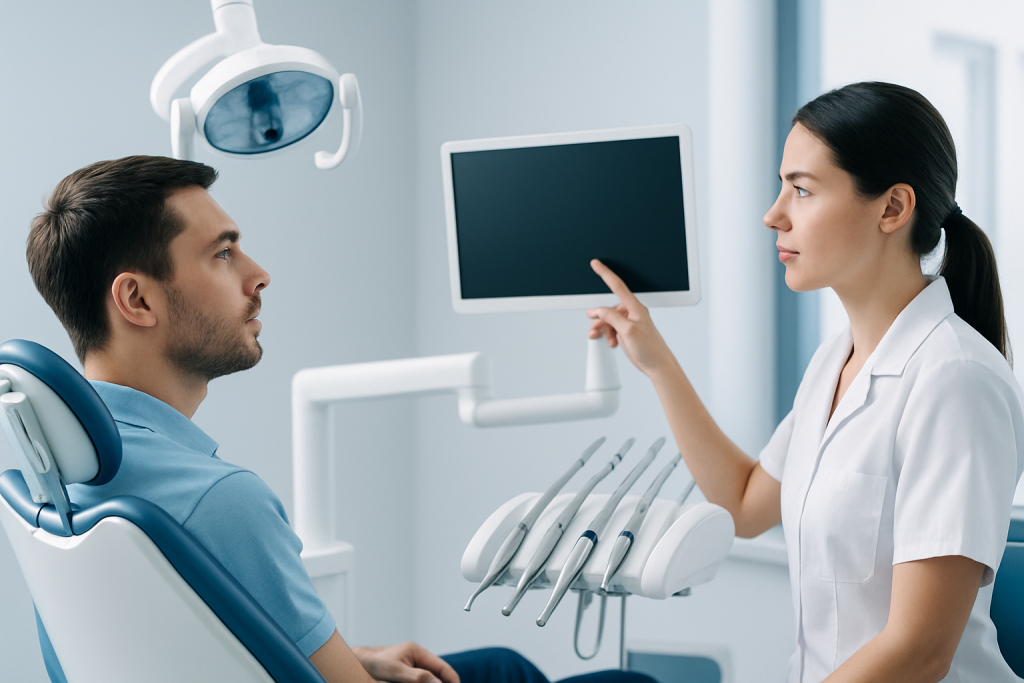
Wisdom teeth are the third and final set of molars, located at the very back of the mouth. They typically develop later than other permanent teeth, which is why they often appear when a person is older and supposedly “wiser,” giving them their common name.
From an evolutionary point of view, these teeth are leftovers from a time when the human jaw was generally larger and the diet required more chewing force. Over many generations, jaws have become smaller, but the genetic pattern that forms wisdom teeth has remained in many people. That is why some individuals have four, some have fewer, and some have none at all.
In practical terms, the presence of wisdom teeth does not mean the mouth needs them today. Their value depends on whether they erupt in a healthy position and can function without creating problems for surrounding teeth or the gums.
Symptoms and signs that wisdom teeth may be causing trouble

Many wisdom teeth never cause noticeable symptoms. Others announce themselves with soreness at the back of the jaw, especially when chewing or opening the mouth widely. The gum tissue around a partially erupted tooth may feel tender or look red and swollen.
Common warning signs include:
- Pain or pressure at the back of the mouth
- Swollen, bleeding, or irritated gums near the last molar
- Jaw stiffness or difficulty opening fully
- Bad breath or an unpleasant taste, especially if food traps around the tooth
- Swelling in the cheek or jaw
- Repeated infections in the same area
Sometimes the issue is not the tooth itself but the space around it. A wisdom tooth that only partially erupts can create a flap of gum tissue where bacteria collect. That makes the area harder to keep clean and can lead to recurring discomfort.
Causes and risk factors for wisdom tooth problems
The biggest reason wisdom teeth become problematic is limited space. If the jaw does not have enough room, the tooth may remain trapped in the bone or erupt at an angle. This is called impaction, and it can range from mild to severe.
Other factors can increase the chance of symptoms or complications. These include the tooth’s angle of growth, whether it presses against the tooth in front of it, and how easily the person can clean the back of the mouth. A partially erupted tooth often sits in a difficult-to-reach position, which raises the risk of decay and gum inflammation.
People with a history of repeated gum problems, crowded back teeth, or limited access to regular dental care may have a harder time keeping wisdom teeth healthy. Travel-related or delayed follow-up can also matter, because these teeth are often monitored over time rather than treated in one visit. That is one reason dentists look at the whole picture, not just the tooth on a single X-ray.
How dentists diagnose whether wisdom teeth are needed or should be removed
A dentist usually starts with a clinical exam, checking the gums, bite, and the amount of space behind the second molars. X-rays are often important because they show whether the wisdom teeth are developing normally, tilted, partially trapped, or close to nearby structures.
The key question is not simply whether wisdom teeth are present, but whether they are likely to stay healthy and function safely. A tooth that is fully erupted, aligned, and easy to clean may not need removal. A tooth that is impacted, repeatedly inflamed, or damaging the neighboring molar is more likely to be recommended for extraction.
For people planning care from another country, this assessment is especially helpful. It allows time to understand whether the issue is urgent, whether observation is reasonable, and what recovery would look like if treatment is chosen during a planned trip rather than during a flare-up at home.
Treatment options: monitoring, removal, and when each makes sense
Not every wisdom tooth needs to come out. If the teeth are healthy, fully erupted, and not crowding other teeth, a dentist may suggest monitoring with periodic exams and X-rays. That approach is often reasonable when there is no pain, no decay, and no sign of pressure on adjacent teeth.
When treatment is needed, removal is the most common option. Extraction may be simple if the tooth is fully erupted, or more involved if it is impacted under the gums or bone. The dentist or oral surgeon explains the procedure, the expected healing time, and how to care for the mouth afterward.
In some cases, treatment can be timed around work, study, or international travel. That planning matters because recovery involves a few days of softer foods, careful oral hygiene, and avoiding actions that could disturb healing. A clear plan before treatment helps reduce stress and makes follow-up easier.
Prevention and self-care for healthy wisdom teeth
Wisdom teeth cannot always be prevented, but their problems can often be reduced. Good daily oral hygiene is the foundation: brushing carefully along the back molars, flossing, and using any cleaning tools recommended by the dental team.
People who know their wisdom teeth are partially erupted or a little crowded should be especially attentive to cleaning that area. Rinsing after meals, avoiding aggressive poking at the gum tissue, and keeping up with regular dental visits can help catch changes early.
If discomfort appears, soft foods and gentle cleaning may make the area more tolerable until a dentist evaluates it. Still, home care is not a substitute for an exam if pain is persistent, swelling develops, or opening the mouth becomes difficult.
When to see a dentist or oral surgeon
A dental review is appropriate if wisdom teeth are causing pain, swelling, or repeated gum irritation. It is also wise to seek assessment if the tooth is only partly visible, if food seems to trap around it, or if there is a bad taste that keeps returning.
Urgent care is important when swelling spreads, fever develops, swallowing becomes painful, or the jaw feels increasingly stiff. Those signs can suggest infection and should not be ignored. Even then, the goal is calm, prompt treatment—not panic.
For patients considering care abroad, a consultation with a qualified dental specialist can clarify whether extraction, monitoring, or a short course of treatment is the best path. Acibadem Health Point’s multidisciplinary specialists and JCI-accredited hospitals diagnose and treat wisdom tooth problems for international patients, with planning that supports both treatment and recovery.
A practical way to think about wisdom teeth
Wisdom teeth are a reminder that not every part of the human body remains equally useful in modern life. Some people keep them without issue, while others need help because the teeth no longer fit comfortably in the mouth. The question is less about whether wisdom teeth have a historic purpose and more about whether they are healthy in a particular person’s mouth.
That is why dentists focus on the individual rather than a one-size-fits-all rule. The best decision depends on position, symptoms, cleaning access, and how the teeth may affect nearby structures over time. With the right assessment, patients can make a choice that is both medically sound and convenient for their routine.
Frequently asked questions
01Why do we need wisdom teeth if many people have them removed?
Wisdom teeth are a leftover third set of molars that were more useful when human diets were tougher to chew and jaws were generally larger. In modern mouths, they often have little extra function and may create more problems than benefits. That is why removal is sometimes recommended when they are painful, impacted, or hard to keep clean.
02Do wisdom teeth always need to come out?
No. Some wisdom teeth grow in straight, stay healthy, and can be cleaned well, so monitoring may be enough. Removal is usually considered when they cause pain, infection, decay, crowding, or pressure on nearby teeth.
03What does an impacted wisdom tooth mean?
An impacted wisdom tooth is one that does not fully erupt into the mouth, often because there is not enough space or because it is angled incorrectly. It may remain partly under the gum or bone. Impacted teeth are more likely to cause discomfort or infection over time.
04Can wisdom teeth cause crowding in front teeth?
They can contribute to pressure in the back of the mouth, but crowding of the front teeth has multiple causes and is not always due to wisdom teeth alone. Dentists evaluate the overall bite and tooth alignment before making recommendations. A professional exam is the best way to understand the real cause of crowding.
05Is recovery after wisdom tooth removal difficult?
Recovery is usually manageable, but it does require a few days of careful self-care. Most people need to rest, eat softer foods, and keep the area clean while it heals. A dentist or oral surgeon will explain what to expect based on the complexity of the extraction.
This article is for general information only and is not a substitute for professional medical advice. Please consult a qualified doctor about your individual situation.
Explore treatments in Turkey — costs, top hospitals & a free quote
JCI-accredited · board-certified surgeons · reply within 24h
Add us as a Preferred Source to see more of our trusted health content across Google Search, AI Overviews and Discover.