Teardrop Implants Before and After: Shape Changes
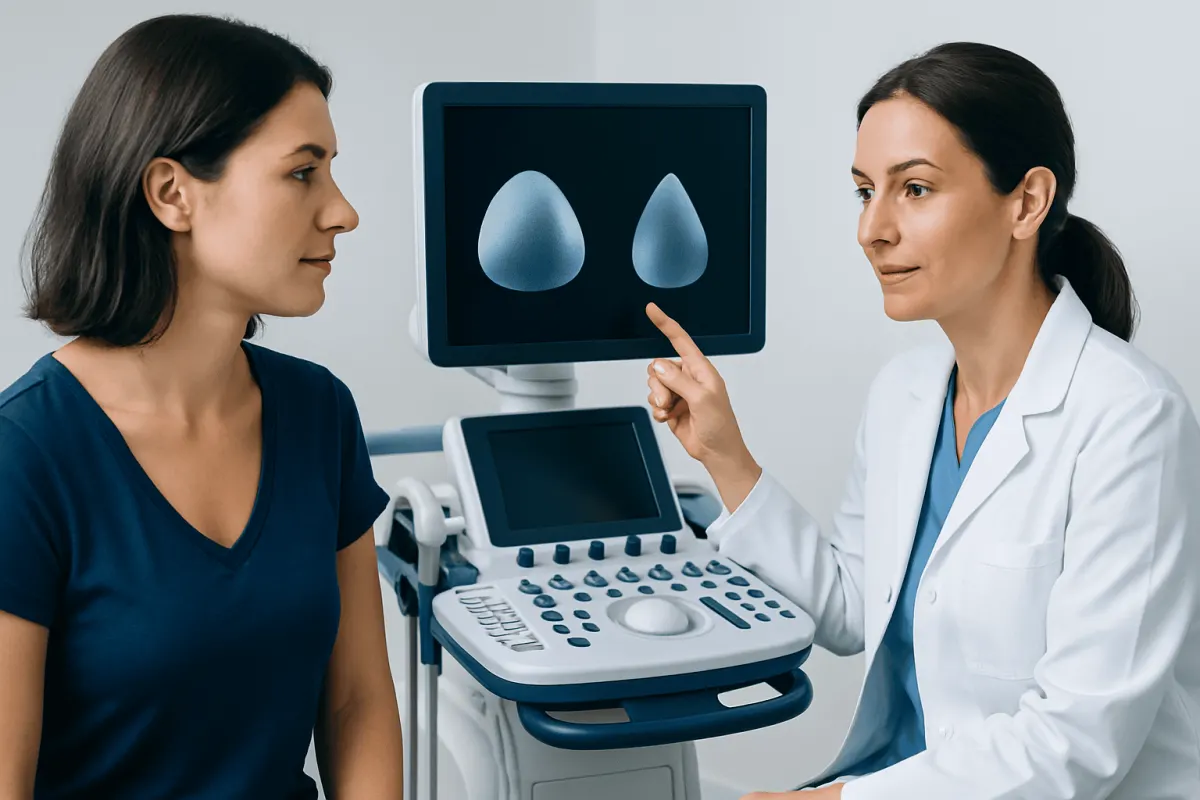
Teardrop implants before and after results usually involve a gradual upper-breast slope and more fullness toward the lower part of the breast. The final result depends on implant selection, breast tissue, skin quality, surgical technique, healing, and whether the implant stays in its intended position.
Overview: what to expect before and after teardrop implants
Teardrop implants before and after surgery commonly show a breast contour with a softer slope at the upper chest and greater fullness in the lower breast. They are also called anatomical implants because their shape is designed to resemble the distribution of volume in many natural breasts. However, the result is not defined by implant shape alone: the person’s chest width, existing breast tissue, skin elasticity, implant placement, and healing all influence the final appearance.
Immediately after surgery, breasts may look swollen, firm, or higher than expected. Over the following weeks and months, swelling reduces and the tissues adapt around the implant. This process is sometimes described as “settling,” although each person’s timeline differs. A surgeon should explain what is realistic for the individual rather than promising a particular look.
Breast augmentation can be performed for cosmetic reasons or as part of reconstruction after breast surgery. For people considering augmentation, breast augmentation surgery should begin with a detailed consultation about goals, implant options, scars, recovery, and long-term follow-up.
How teardrop implants work and who may be a candidate
Teardrop implants are fuller at the bottom and narrower toward the top. They are usually filled with cohesive silicone gel, which helps the implant keep its anatomical shape. Unlike a round implant, a teardrop implant must remain correctly oriented in the breast pocket; if it rotates, the breast shape can change noticeably.
A suitable candidate is generally an adult in good overall health who has stable expectations and understands both the benefits and limitations of surgery. Teardrop implants may be considered for someone seeking lower-pole fullness with less upper-pole fullness, or for selected reconstructive situations. They are not automatically the most natural-looking choice for every body type; round implants can also create a natural contour when selected and placed appropriately.
During consultation, the surgeon assesses breast size and symmetry, skin quality, chest-wall shape, nipple position, medical history, smoking status, and future plans such as pregnancy or weight change. People with significant breast drooping may need a breast lift in addition to implants. The most appropriate plan is individualized and may include discussion of breast lift surgery when repositioning the breast tissue or nipple is needed.
What happens during the procedure
Teardrop implant surgery is usually performed under general anesthesia. Before the operation, the surgeon reviews implant dimensions, projection, incision options, and whether the implant will be placed above or below the chest muscle. Measurements are important because implant width and profile should suit the chest rather than be chosen by volume alone.
During the procedure, an incision is made in a planned location, commonly in the crease beneath the breast, around the areola, or occasionally in the armpit. The surgeon creates a carefully sized pocket, inserts the implant, checks breast shape and symmetry, and closes the incision. In some cases, the surgeon may use supportive materials or adjust the pocket to help maintain implant position.
After surgery, the patient is monitored until it is safe to go home or, when appropriate, stay overnight. Written aftercare instructions typically address wound care, supportive garments, activity limits, pain management prescribed by the clinical team, and follow-up appointments. Any questions about medicines, driving, work, or exercise should be directed to the treating surgeon.
Recovery timeline and how results develop
In the first days after surgery, soreness, pressure, bruising, swelling, and temporary changes in nipple sensation can occur. The breasts may look relatively high on the chest or less soft than expected at this stage. This early appearance is not the final teardrop implants result.
Many people can return to light daily activities within about one to two weeks, depending on their work, comfort, and surgeon’s instructions. Strenuous exercise, heavy lifting, and chest-focused activity are usually restricted for longer. Follow-up visits allow the surgical team to assess healing, scar development, and implant position.
Over several weeks, swelling generally improves and the breast tissues become more relaxed. A more stable shape is often seen over several months, while scars may continue to mature for up to a year or longer. Healing can be uneven between the two sides, particularly when there was pre-existing asymmetry.
- Follow the recommended schedule for wearing a support bra or garment.
- Avoid smoking and nicotine products, which can impair wound healing.
- Attend planned follow-up appointments, even if recovery seems uncomplicated.
- Contact the surgical team promptly if symptoms change or concerns arise.
Benefits, limitations, and risks to consider
The potential benefit of teardrop implants is their shaped profile, which may suit people seeking a subtle upper-breast transition and lower-pole projection. In reconstructive surgery, an anatomical shape may also be useful in selected cases. A successful outcome should be judged by safety, proportion, comfort, and how well the result aligns with the person’s agreed treatment goals—not by a single idealized image.
All breast implants have risks. These include bleeding, infection, changes in sensation, poor scarring, pain, asymmetry, implant displacement, capsular contracture, rupture, and the need for further surgery over time. Breast implants are not considered lifetime devices, so future monitoring and possible revision or replacement should be anticipated.
Because a teardrop implant has a fixed shape, rotation is a particular concern. Rotation may alter breast contour and can require further treatment. Textured implants have been used to reduce movement, but some textured breast implants have been associated with breast implant-associated anaplastic large cell lymphoma (BIA-ALCL), a rare immune-system cancer. The surgeon should discuss implant surface options, regulatory information, symptoms to report, and appropriate follow-up in a balanced way.
Do teardrop implants look saggy?
Teardrop implants are designed to create more volume in the lower breast, but this does not necessarily mean they look saggy. When the implant size, dimensions, and position are appropriate, the lower fullness can produce a gentle, natural-looking contour. A breast may appear lower or less projected at the top than a breast augmented with a high-profile round implant, but this is a difference in shape rather than a sign of drooping.
Existing skin laxity, breast tissue ptosis, weight changes, aging, and implant position can affect whether breasts appear droopy after surgery. An implant alone may not correct significant drooping. In those circumstances, a surgeon may discuss a lift, with or without implants, to improve nipple position and breast shape.
Can you show me pictures of before and after teardrop breast implants?
Teardrop implants before and after photos can help a person understand broad differences in implant shape, incision placement, and recovery changes. However, photographs should be viewed as educational examples rather than a prediction. Lighting, posture, camera angle, image timing, implant size, and the patient’s original breast shape can all affect how results appear.
A qualified surgeon may share consented clinical photographs during a consultation when available and appropriate. The most useful images usually show patients with a similar body frame, amount of existing breast tissue, and treatment plan. It is also helpful to ask when the “after” photograph was taken, since teardrop implants before and after pictures taken soon after surgery may not reflect the settled outcome.
Online image searches may include edited, mislabeled, or unverified content. For safety and realistic expectations, patients should rely on discussions with an accredited surgical team rather than choosing an implant based only on social-media images.
What are the downsides of teardrop implants?
The main downsides of teardrop implants are that they can rotate, may require a more precise surgical pocket, and can be more noticeable if they shift position. If rotation occurs, the breast may look uneven or distorted because the implant is not symmetrical in every direction. A further procedure may be needed to correct persistent malposition.
They may also be less suitable for people who prefer pronounced upper-pole fullness. Depending on the implant and the person’s tissue coverage, the shaped design can feel firmer than some alternatives. The surface characteristics commonly associated with shaped implants also require an informed conversation about known implant-related risks, including BIA-ALCL.
There is no universally best implant shape. A careful comparison of round and anatomical options, including their expected appearance in different positions of the body, can help the patient make an informed decision with their surgeon.
Do teardrop breasts look good?
Whether teardrop breasts look good is personal and depends on the individual’s preferences, proportions, and definition of a pleasing result. Many people appreciate the gentle upper slope and lower-breast fullness associated with anatomical implants. Others prefer the fuller upper-breast contour that may be achieved with a round implant.
Good results are usually those that are balanced with the person’s body, feel comfortable, and meet realistic goals. A thoughtful consultation should include discussion of both clothed and unclothed appearance, possible changes with aging or pregnancy, scar placement, and the likelihood that breast surgery may require future care.
Acıbadem Health Point’s multidisciplinary specialists and JCI-accredited hospitals support international patients through assessment, breast implant surgery, and follow-up planning. A consultation with a qualified plastic surgeon is the best way to determine whether anatomical implants are appropriate for the individual.
When to seek medical care
Anyone considering breast implants should seek care from a qualified plastic surgeon for a full assessment before making a decision. The surgeon should review current health conditions, medicines, past breast procedures, family history, imaging needs, and concerns about breast shape or asymmetry. Regular breast health screening should continue according to the person’s age, risk factors, and local medical guidance.
After implant surgery, urgent medical advice is needed for rapidly increasing swelling, severe or worsening pain, fever, spreading redness, wound drainage, shortness of breath, or a sudden change in breast shape. These symptoms do not always indicate a serious problem, but they should be assessed without delay.
People with implants should also arrange medical review for persistent swelling, a new lump, hardening, lasting pain, or late changes in breast size or shape. These changes can have several causes, and timely assessment helps identify the appropriate next steps.
Frequently asked questions
01How long do teardrop implant results take to settle?
The breasts often look swollen, firm, and higher than expected in the early recovery period. Swelling generally improves over several weeks, while a more stable result often develops over several months. Scar maturation and subtle softening can continue for a year or longer.
02Are teardrop implants more natural-looking than round implants?
Teardrop implants can create a gradual upper-breast slope and fuller lower breast, which some people consider natural-looking. However, round implants can also look natural when their size, placement, and profile suit the person’s anatomy. The best option depends on individual goals and tissue characteristics.
03Can teardrop implants rotate after surgery?
Yes. Rotation is a specific risk because teardrop implants have a fixed anatomical shape. A rotated implant can change the breast contour and may need observation, non-surgical management, or corrective surgery depending on the situation.
04Will teardrop implants correct sagging breasts?
Implants can add volume, but they may not correct significant skin laxity or low nipple position. When drooping is more pronounced, a breast lift may be recommended with or without implants. A surgeon can assess this during an examination.
05Are breast implants permanent?
Breast implants are not lifetime devices. Some people may need removal, replacement, or additional surgery in the future because of complications, implant changes, personal preference, or changes in the breast over time. Ongoing medical follow-up is important.
06Are before-and-after photos reliable for choosing an implant?
They can be helpful for discussing general possibilities, but they cannot guarantee a similar result. Each person has different breast tissue, chest shape, skin elasticity, healing patterns, and surgical needs. A consultation and physical assessment are more reliable guides for implant selection.
This article is for general information only and is not a substitute for professional medical advice. Please consult a qualified doctor about your individual situation.
Explore treatments in Turkey — costs, top hospitals & a free quote
JCI-accredited · board-certified surgeons · reply within 24h
Add us as a Preferred Source to see more of our trusted health content across Google Search, AI Overviews and Discover.