Tear Trough Treatment: Options, Effectiveness and Recovery

Key Takeaways
- Tear trough treatment is not one single procedure; it may include fillers, skin-rejuvenation treatments, or surgery in selected cases.
- Under-eye hollows can be influenced by genetics, ageing, volume loss, pigmentation, swelling, and lifestyle factors.
- A careful examination matters because not every dark under-eye area is caused by a true tear trough.
- Recovery is usually short for non-surgical options, but swelling, bruising, and temporary asymmetry can happen.
- Choosing an experienced doctor is especially important because the under-eye area is delicate and highly visible.
Tear trough treatment refers to medical approaches used to soften under-eye hollows, shadows, and tired-looking contours. The best option depends on facial anatomy, skin quality, and the cause of the concern, and it should always be chosen after a careful assessment by a qualified clinician.
Overview
Tear trough treatment is a general term for approaches used to improve the hollow or shadow that forms between the lower eyelid and the cheek. People often notice it as a tired or sunken look under the eyes, even when they feel well-rested. The right treatment depends on what is actually creating the appearance: a true volume dip, loose skin, pigmentation, puffiness nearby, or a combination of these factors.
In practical terms, the goal is not to make the under-eye area look “different,” but to create a smoother transition from the lower eyelid to the cheek. Some people benefit from subtle filler treatment, while others are better suited to skin-focused therapies or, in selected cases, surgery. Because the area is anatomically complex, a careful diagnosis is more important than choosing a procedure based only on photographs or online trends.
For international patients, this evaluation often starts before travel with a consultation about facial anatomy, medical history, and expectations. A good tear trough plan should be individualized, conservative when needed, and designed with recovery and follow-up in mind.
Symptoms and Common Concerns
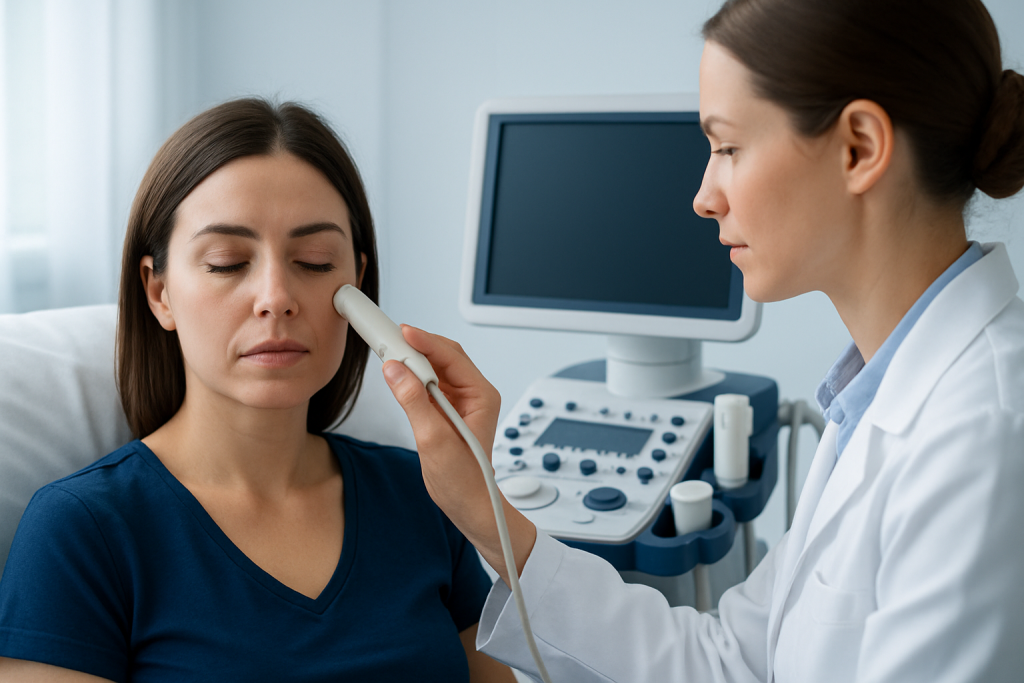
People seeking tear trough treatment usually describe one or more of the following: hollowness under the eyes, dark shadows that worsen with certain lighting, a tired or aged appearance, or a visible groove that becomes more noticeable when the face is relaxed. Some also feel that makeup no longer masks the change as it once did. Others notice the issue mainly in photographs, especially in overhead lighting or after a poor night’s sleep.
It is important to separate a tear trough from other under-eye concerns. Puffiness, fluid retention, under-eye bags, pigmentation, and thin skin can all create a similar appearance. In some cases, the main issue is not a hollow at all, but shadowing from swelling or skin color changes. This is why a clinic visit is usually more useful than self-diagnosis.
Symptoms do not usually indicate a medical emergency. However, if under-eye changes appear suddenly, affect only one side, or come with pain, redness, vision changes, or swelling elsewhere in the face, a medical assessment is appropriate. Those features may suggest a different condition altogether.
Causes and Risk Factors

The tear trough becomes more noticeable when facial volume decreases or when the transition between the lower eyelid and cheek becomes sharper. Ageing is a common reason, because the tissues beneath the skin gradually change and the support around the eye can soften. Genetics also matter; some people notice a prominent tear trough even in early adulthood.
Several factors can increase the appearance of hollowness or shadowing. These include natural facial structure, weight loss, skin thinning, reduced fat padding, and changes in the cheek area that make the under-eye region look deeper. Allergies, chronic rubbing of the eyes, sleep deprivation, smoking, dehydration, and some medications may worsen the overall under-eye appearance, even when they are not the root cause.
Risk factors for choosing the wrong treatment also matter. The under-eye area is delicate, and not every patient is a good candidate for filler. Those with prominent swelling, very thin skin, a tendency toward puffiness, or a complex eyelid shape may need a different plan. A thoughtful clinician will consider both benefit and risk before recommending any procedure.
Diagnosis and Assessment
Diagnosis begins with a face-to-face assessment, usually including careful observation at rest and in different lighting. A clinician will look at the shape of the lower eyelid, cheek projection, skin quality, pigment changes, and whether puffiness or eye bags are contributing to the appearance. In many cases, the key step is identifying what is causing the shadow, not simply confirming that a hollow is present.
Medical history is also important. Previous filler, allergies, bleeding tendencies, eye surgery, autoimmune conditions, and medications can all influence treatment choice. For patients traveling from abroad, the consultation may also include discussion of travel timing, downtime, and whether follow-up care can be arranged locally or remotely.
Photographs may help with planning, but they should not replace examination. A well-structured assessment reduces the chance of overtreatment and helps set realistic expectations. The best results usually come from matching the procedure to the patient’s anatomy rather than trying to force every under-eye concern into the same treatment model.
Treatment Options
Tear trough treatment may be non-surgical or surgical, depending on the cause and the degree of change. The most commonly discussed option is tear trough filler, usually a hyaluronic acid-based filler placed with great precision to soften the hollow. When performed conservatively by an experienced clinician, it can improve the transition between the eyelid and cheek and reduce shadowing. In the wrong candidate, however, filler can worsen puffiness or look heavy, which is why careful selection matters.
Other non-surgical options may be used when the issue is not primarily volume loss. Skin-rejuvenation treatments, such as procedures aimed at improving texture or pigmentation, may help selected patients. If under-eye darkness is linked to blood vessels, pigmentation, or skin thinness, the plan may include topical care, laser-based approaches, or other dermatologist-guided therapies. These are not substitutes for volume correction when true hollowness is present, but they can be useful parts of a broader plan.
Surgery is considered when there are structural concerns that fillers cannot address well, such as prominent fat pads, excess skin, or significant eyelid support problems. In some cases, lower eyelid surgery or a combined eyelid-cheek approach may provide a more durable result. The decision is highly individualized and should be made with a specialist who understands both eyelid anatomy and facial balance.
- Filler: best for carefully selected patients with true volume loss.
- Skin-focused treatments: may help pigmentation or texture concerns.
- Surgery: considered when anatomy, bags, or skin laxity are the main issue.
Effectiveness and What Results to Expect
Effectiveness depends on the underlying problem and the chosen treatment. Tear trough filler can be very effective for the right patient, especially when the hollow is the main reason for the tired appearance. Results are often visible soon after treatment, although the final look may take time to settle once swelling eases. Subtle improvement is usually preferable to an overfilled under-eye area.
Other treatments may work more gradually. Skin-rejuvenation procedures and pigment-focused care usually aim to improve the quality of the under-eye area over time rather than create an immediate change in shape. Surgical options may offer a more definitive correction for structural issues, but they involve longer recovery and a more involved decision-making process.
It is helpful to think of tear trough treatment as a tailoring process rather than a quick fix. The most satisfying outcomes often come from precise, modest adjustments that respect the patient’s facial anatomy. Patients should also know that no treatment can stop natural ageing, so results may need maintenance over time depending on the method used.
Recovery and Aftercare
Recovery is usually straightforward after non-surgical tear trough treatment, but the under-eye area can be sensitive. Mild swelling, bruising, tenderness, or a temporary uneven look are common early reactions and typically settle with time. Patients are usually advised to avoid rubbing the area, strenuous activity, and anything that increases pressure or irritation for the first short period after treatment.
Aftercare instructions may include using a cold compress if recommended, keeping the head elevated when resting, and following any specific guidance from the treating clinician. Makeup, skincare products, and contact lenses may need to be paused briefly depending on the procedure performed. For people traveling internationally, planning a few recovery days before a flight is often sensible so they can be reviewed if needed before returning home.
Recovery after surgery is longer and more variable. Swelling can persist for longer than patients expect, and results may gradually refine over weeks or months. A clear follow-up plan is especially useful for international patients, because it helps coordinate early checks, remote communication, and safe timing for travel.
Prevention, Self-care and When to See a Doctor
Not every tear trough needs a procedure, and some under-eye changes can be softened with simple measures. Good sleep, adequate hydration, sun protection, and allergy management may improve the overall appearance of the eye area. Avoiding frequent rubbing of the eyes can also help protect delicate skin. These steps do not replace medical treatment when structural hollowing is present, but they can support skin health.
Anyone considering tear trough treatment should seek a qualified doctor rather than relying on non-medical providers or heavily edited images. The under-eye region has important blood vessels and delicate tissues, so experience matters. A responsible clinician will discuss both benefits and limitations, explain alternatives, and decline to treat if the anatomy is not suitable.
Medical review is especially important if the under-eye change is sudden, one-sided, painful, or linked with redness, fever, vision symptoms, or facial swelling. It is also wise to seek a specialist opinion if previous filler has created lumps, prolonged swelling, or an unnatural look. Acibadem Health Point’s multidisciplinary specialists and JCI-accredited hospitals diagnose and treat tear trough concerns for international patients with coordinated planning and follow-up.
Frequently asked questions
01What is tear trough treatment used for?
Tear trough treatment is used to improve hollows, shadows, and a sunken appearance under the eyes. The exact approach depends on whether the concern is mainly volume loss, pigmentation, puffiness, or skin laxity. A proper assessment helps match the treatment to the cause.
02Is tear trough filler the same as under-eye filler?
They are often used to mean the same thing. Tear trough filler usually refers to carefully placed dermal filler in the groove between the lower eyelid and the cheek. It should only be done by an experienced clinician because the area is delicate.
03How long does recovery usually take?
Recovery after non-surgical treatment is often short, but mild swelling or bruising can last several days. Surgical treatment takes longer and may involve a more gradual return to normal activities. The exact timeline depends on the method used and the person’s healing response.
04Can tear trough treatment get rid of dark circles?
Sometimes it can help, especially when the darkness is caused by shadowing from a hollow. If pigmentation, visible veins, or thin skin are the main issue, other treatments may be needed as well. Many patients need a combination approach rather than one procedure alone.
05Who is not a good candidate for tear trough filler?
People with significant puffiness, very thin skin, or a complex eyelid shape may not be ideal candidates. In those cases, filler could make swelling more noticeable or create an unnatural result. A specialist assessment is the best way to decide whether another option would be safer and more effective.
06Are the results permanent?
Results are usually not permanent, especially with non-surgical treatments. Filler gradually breaks down over time, and ageing continues naturally. Maintenance or a different treatment plan may be discussed later depending on the result and the patient’s goals.
This article is for general information only and is not a substitute for professional medical advice. Please consult a qualified doctor about your individual situation.
Explore treatments in Turkey — costs, top hospitals & a free quote
JCI-accredited · board-certified surgeons · reply within 24h
Add us as a Preferred Source to see more of our trusted health content across Google Search, AI Overviews and Discover.