Swollen Uvula: Causes and Treatment

Key Takeaways
- A swollen uvula is often caused by irritation, infection, allergies, reflux, snoring, or dehydration.
- Symptoms may include a “something stuck in the throat” feeling, sore throat, gagging, voice changes, or trouble swallowing.
- Breathing difficulty, drooling, or rapidly worsening swelling should be treated as urgent medical symptoms.
- Diagnosis usually focuses on the throat exam, recent exposures, medications, and any signs of infection or allergy.
- Treatment depends on the cause and may include fluids, pain relief, allergy treatment, antibiotics when appropriate, or airway monitoring.
A swollen uvula can be uncomfortable and unsettling, especially when it affects swallowing, speech, or breathing. In many cases it is temporary and treatable, but the cause matters because management can range from simple self-care to urgent medical attention.
Overview
The uvula is the small, soft structure that hangs from the back of the palate. When it becomes swollen, people may notice a strange fullness in the throat, a gagging sensation, or pain Throat Pain When Swallowing: Common Causes, Related Conditions, and When to See a Doctor" class="ahp-ilk">when swallowing. The medical term often used for inflammation of this area is uvulitis, though swelling can also happen from irritation or an allergic reaction.
A swollen uvula is not a diagnosis by itself; it is a sign that something is affecting the tissue. Sometimes the trigger is straightforward, such as a recent sore throat, loud snoring, dry air, or hot food. In other cases, the swelling can be part of a broader problem that needs prompt evaluation, especially if breathing or swallowing is affected.
For international patients, this symptom can be particularly confusing when it appears during travel, after a long flight, or while recovering away from home. A careful evaluation helps distinguish a short-lived irritation from a condition that needs treatment or observation.
Symptoms
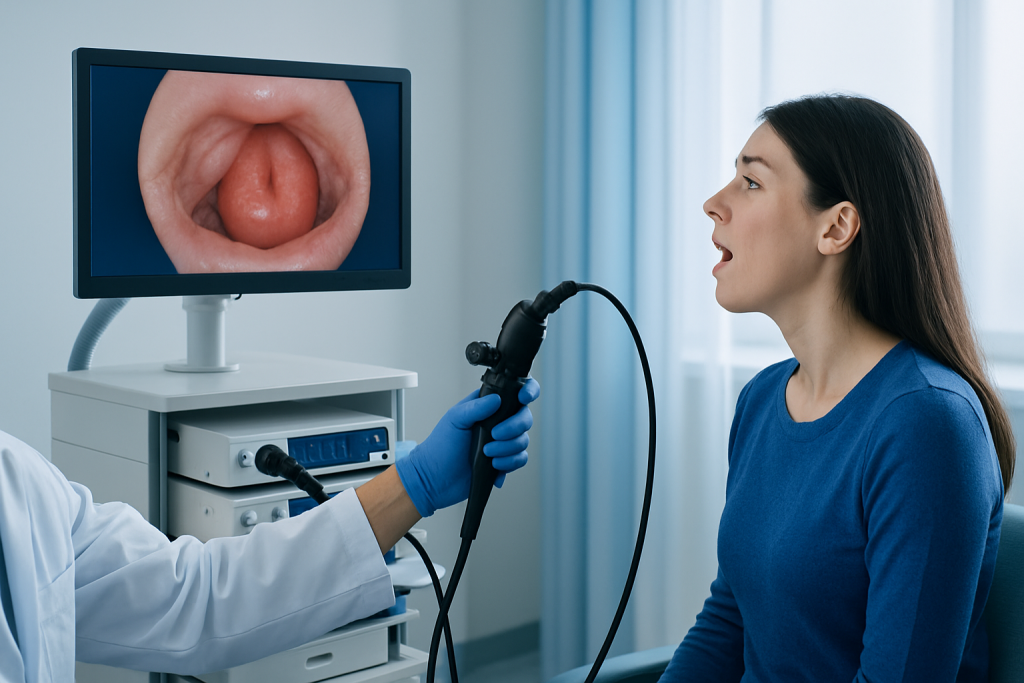
The most common complaint is the feeling that there is something in the throat. Some people describe it as a lump, a tickle, or a constant need to swallow. Others first notice the swelling when speaking, eating, or lying down.
Depending on the cause, symptoms can include:
- Throat discomfort or pain
- Difficulty swallowing
- Gagging or choking sensation
- Changes in voice or speech clarity
- Snoring or noisy breathing
- Redness or visible enlargement of the uvula
- Fever, if an infection is present
- Itching, hives, or lip/tongue swelling if allergy is involved
Symptoms that develop quickly or feel more severe deserve particular attention. Swelling that spreads beyond the uvula, or any sign that airflow is becoming restricted, should not be watched at home without medical advice.
Causes & Risk Factors

There are several reasons a uvula may swell, and the most helpful approach is to look for the trigger. Viral or bacterial infections in the throat can inflame nearby tissues, including the uvula. Irritation from dry air, smoking, alcohol, mouth breathing, or very hot foods can also leave the tissue puffy and sore.
Allergic reactions are another important cause. Food, medication, insect stings, and environmental allergens can lead to rapid swelling, sometimes together with hives, itching, or swelling elsewhere in the mouth. In more serious reactions, swelling may progress quickly and affect breathing.
Other factors may make swelling more likely or more noticeable:
- Snoring or sleep-disordered breathing
- Dehydration, especially during travel or illness
- Recent intubation or throat procedures
- Gastroesophageal reflux that irritates the throat
- Smoking or exposure to irritants
- Certain medications, particularly those associated with angioedema in some people
In some patients, the cause remains unclear at first visit. Even then, a doctor can usually narrow the possibilities by asking about timing, exposure history, recent illness, and any associated symptoms.
Diagnosis
Diagnosis usually begins with a simple but careful look at the throat and a discussion of when the swelling started. Doctors may ask about sore throat, fever, allergy symptoms, snoring, dehydration, recent dental or airway procedures, and any new foods or medicines.
If an infection is suspected, a throat swab or other test may be used to identify the germ involved. If allergy or angioedema is a concern, the clinician will focus on whether the swelling came on suddenly, whether other parts of the mouth are involved, and whether there are breathing symptoms. In some situations, additional observation is needed to make sure the airway remains open and stable.
For patients traveling from abroad, it helps to bring a list of medicines, known allergies, previous throat problems, and any recent treatment received. Those details can shorten the diagnostic process and reduce the chance of unnecessary tests.
Treatment Options
Treatment depends on what is driving the swelling. If the cause is mild irritation or dryness, doctors may recommend fluids, rest, and measures to soothe the throat. If an infection is identified, treatment may include the appropriate medication based on the suspected cause and clinical findings.
When allergy is the likely trigger, care may focus on reducing the reaction and protecting the airway. This can involve antihistamine or other allergy-directed treatment, and in more significant reactions, urgent emergency care and close monitoring. If reflux is contributing, treatment often includes lifestyle adjustments and medical management of reflux symptoms.
Supportive care is often part of recovery across causes. A clinician may recommend:
- Drinking enough fluids
- Avoiding smoking, alcohol, and irritating foods
- Using a humidified environment when air is dry
- Taking pain relief only as advised by a doctor
- Resting the voice if speaking is uncomfortable
Some swollen uvulas improve within a short period once the trigger is treated or removed. Others need follow-up to be sure the swelling does not return, especially if there is a recurring cause such as snoring, reflux, or repeated allergic exposure.
Prevention & Self-care
Not every episode can be prevented, but several practical habits may lower the chance of irritation. Staying well hydrated is especially important during illness, air travel, or time in dry climates. Avoiding smoke exposure and managing reflux can also reduce repeated throat inflammation.
If snoring or mouth breathing is a pattern, it may help to address the underlying sleep-related issue rather than the uvula alone. Similarly, anyone who has had an allergic-type swelling episode should review likely triggers with a doctor and understand which exposures to avoid in the future.
Gentle self-care can support recovery when symptoms are mild and a clinician has ruled out urgent causes. Warm fluids, soft foods, and a calm throat-friendly routine are often better tolerated than spicy, rough, or very hot foods. It is wise not to try to remove or manipulate the uvula, as that can worsen irritation.
When to See a Doctor
A doctor should evaluate a swollen uvula if the swelling is new, lasts more than a day or two, keeps returning, or is accompanied by fever, significant pain, or worsening swallowing problems. A medical assessment is also important if the person has a history of recurrent throat swelling or known allergies.
Urgent care is needed if there is any trouble breathing, noisy breathing, drooling, inability to swallow liquids, blue lips, or rapidly increasing swelling of the tongue, lips, or throat. These symptoms can indicate a more serious allergic reaction or airway problem that should be treated immediately.
For patients seeking care while away from home, prompt evaluation can prevent complications and reduce unnecessary worry. Acibadem Health Point’s multidisciplinary specialists and JCI-accredited hospitals diagnose and treat this condition for international patients, with attention to both immediate symptoms and safe follow-up planning before travel home.
Frequently asked questions
01Is a swollen uvula always an emergency?
Not always. Mild swelling from irritation or a minor infection may improve with supportive care, but breathing trouble, drooling, or rapid worsening should be treated as urgent. When in doubt, a medical evaluation is the safer choice.
02Can allergies cause the uvula to swell?
Yes. Allergic reactions can cause the uvula to swell, sometimes along with hives, itching, or swelling of the lips and tongue. If breathing is affected, emergency care is needed right away.
03How long does a swollen uvula take to improve?
That depends on the cause. Simple irritation may settle within a short time, while infection, reflux, or allergy-related swelling may take longer and may need specific treatment. Persistent or recurrent swelling should be checked by a doctor.
04Can snoring or sleeping with an open mouth cause uvula swelling?
Yes, repeated vibration, dryness, and mouth breathing can irritate the uvula. If this happens often, it may be worth discussing snoring or sleep-breathing issues with a doctor rather than treating only the swelling itself.
05What should someone eat or drink when the uvula is swollen?
Soft, cool, and non-irritating foods are often easiest to tolerate. Water or other fluids can help if swallowing is comfortable, but if liquids are hard to swallow, medical advice is needed. Very hot, spicy, or rough foods may make symptoms worse.
06Can reflux affect the uvula?
Yes. Stomach acid that reaches the throat can irritate the tissues and contribute to swelling or soreness. Managing reflux can reduce repeated throat irritation for some people.
This article is for general information only and is not a substitute for professional medical advice. Please consult a qualified doctor about your individual situation.
Explore treatments in Turkey — costs, top hospitals & a free quote
JCI-accredited · board-certified surgeons · reply within 24h
Add us as a Preferred Source to see more of our trusted health content across Google Search, AI Overviews and Discover.