Swelling Signs of a Bad Tummy Tuck: What You Need to Know

Key Takeaways
- Swelling is common after abdominoplasty, especially in the first weeks and months.
- Uneven, rapidly increasing, or very painful swelling can signal a complication such as seroma, infection, or hematoma.
- Red flags include fever, redness, drainage, shortness of breath, and swelling that suddenly worsens.
- Evaluation may include a physical exam and sometimes imaging to look for fluid buildup.
- Most swelling concerns are treatable when reviewed early by a qualified surgeon.
Swelling is expected after a tummy tuck, but certain patterns can suggest a complication rather than normal healing. Knowing the difference helps patients seek timely advice and avoid unnecessary worry.
Overview
A tummy tuck, or abdominoplasty, usually comes with swelling as part of the normal healing process. The abdomen can feel firm, puffy, tight, or uneven at different points during recovery, and this alone does not mean something is wrong.
The phrase swelling signs of a bad tummy tuck usually refers to swelling that does not match the expected recovery pattern. That may mean swelling that increases instead of slowly improving, swelling on one side only, or swelling that appears with pain, redness, fever, drainage, or breathing trouble.
For people traveling internationally for cosmetic surgery, it is especially important to know what can be monitored at home and what needs prompt review before flying or after returning home. A well-planned follow-up schedule helps the surgical team separate ordinary healing from a complication that needs care.
What swelling is normal after a tummy tuck
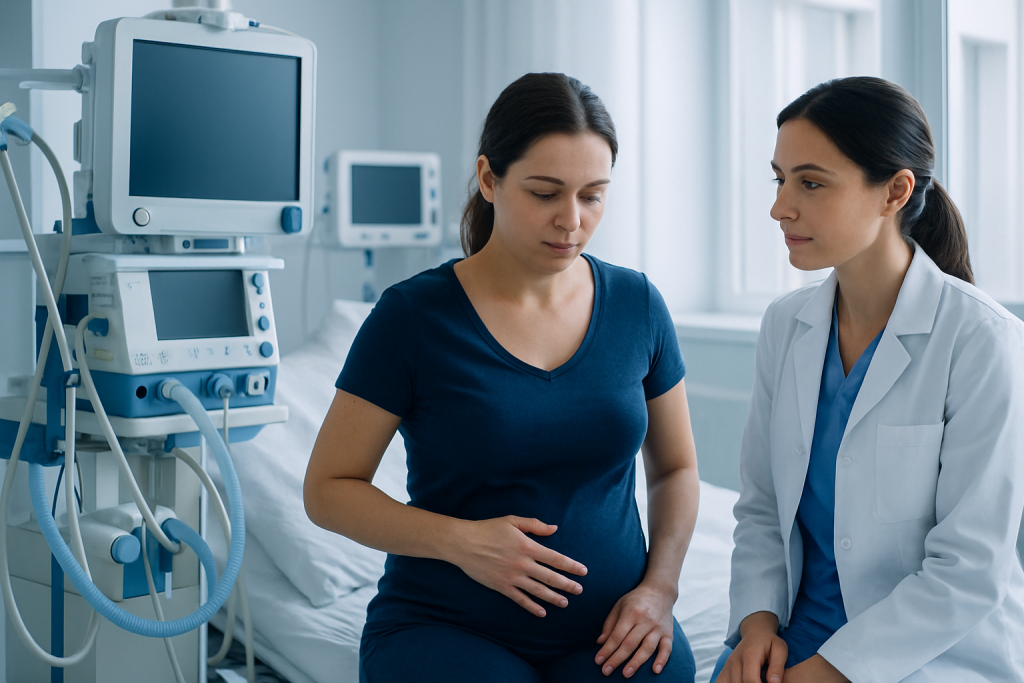
Normal post-operative swelling often starts right away and may become more noticeable over the first days or weeks. The abdomen can look broader than expected, and the skin may feel tight or heavy. Many patients notice that swelling changes during the day, becoming more obvious after standing, walking, or sitting for long periods.
Some unevenness is also common. One side may appear more swollen than the other, especially if the body is still adjusting to surgery, drainage, or compression garments. Mild bruising and firmness around the incision line can occur at the same time.
Healing is gradual, not linear. Swelling often improves slowly over several weeks, but small fluctuations may continue for a longer period, especially after activity, travel, or salt-heavy meals. The key is whether the trend is generally better rather than worse.
Swelling signs that may point to a problem
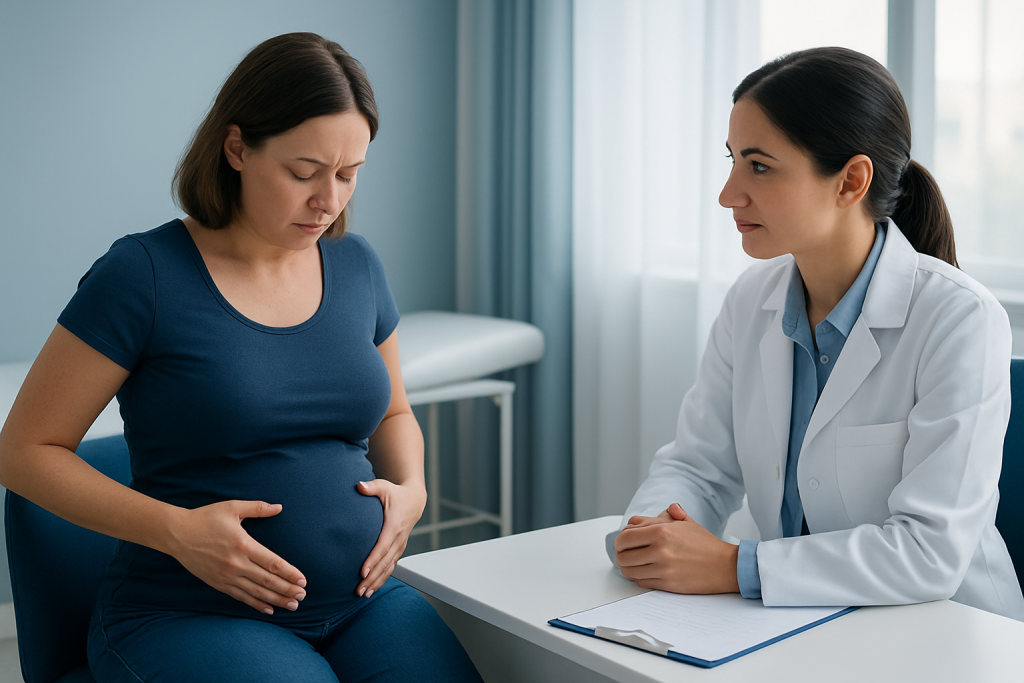
Swelling becomes more concerning when it changes in a way that suggests the body is reacting to bleeding, fluid accumulation, or infection. A seroma, which is a pocket of clear fluid, can cause a soft or shifting bulge. A hematoma, which is a collection of blood, may cause firmer swelling, bruising, and pressure.
Warning patterns can include swelling that increases quickly, swelling that is very localized, swelling that feels hot or increasingly tender, or swelling paired with a new body-wide symptom such as fever or chills. Drainage that becomes cloudy, foul-smelling, or bloody after it had been improving also deserves attention.
Other findings that should not be ignored include:
- One-sided swelling that is clearly larger than the rest of the abdomen
- Swelling with spreading redness or warmth
- Severe pain or a feeling of tight pressure that is worsening
- Swelling together with shortness of breath, chest pain, or calf pain
- Sudden swelling after an initial period of recovery
These signs do not confirm a serious complication on their own, but they do justify a timely check by the surgical team.
Why abnormal swelling happens
After a tummy tuck, tissues have been lifted, reshaped, and secured in a new position. That process temporarily interrupts normal fluid movement and creates an inflammatory response, which is why swelling is expected. When healing is smooth, the body slowly absorbs that fluid and the swelling settles.
Abnormal swelling can develop for several reasons. Fluid may collect under the skin, especially if the body is still producing more fluid than it can absorb. Small blood vessels may continue to ooze after surgery, leading to a hematoma. Infection can also increase swelling by making tissues inflamed and painful.
Other factors can make swelling worse even when there is no major complication. These include early overexertion, not wearing compression as directed, constipation and straining, smoking, dehydration, long flights, and returning to demanding activity too soon. Patients recovering far from home may notice that travel itself temporarily increases swelling because of prolonged sitting and changes in routine.
How doctors evaluate concerning swelling
When a surgeon assesses abnormal swelling, the first step is usually a careful conversation about timing, symptoms, activity level, drainage, and any recent travel. The appearance of the abdomen matters, but so does the pattern: whether the swelling is improving, stable, or escalating.
A physical examination can help identify whether the area feels soft, firm, warm, or fluctuant, which may suggest fluid under the skin. If the diagnosis is unclear, the doctor may order imaging such as ultrasound to look for a seroma, hematoma, or other collection.
In some cases, the team may also review the incision line and the patient’s overall condition to check for signs of infection or impaired healing. For international patients, virtual follow-up can sometimes be useful for early triage, but it does not replace an in-person examination when symptoms are worrying.
Treatment options for abnormal swelling
Treatment depends on the cause. Small seromas may be watched closely if they are not causing pain or wound problems, while larger collections may need drainage in the clinic. Hematomas sometimes resolve gradually, but significant ones may require prompt evaluation and, in some cases, procedural treatment.
If infection is suspected, doctors may prescribe antibiotics and review the incision carefully for any areas that need wound care. Pain control, rest, and temporary limits on activity can also reduce strain on healing tissues. Compression garments may be adjusted if they are too tight or are not helping the swelling pattern.
When swelling is part of ordinary healing, the best treatment is often patience paired with good recovery habits. That may include walking as advised, avoiding heavy lifting, following drainage instructions, and attending scheduled visits so that changes are caught early.
Prevention and self-care during recovery
Good self-care does not prevent every complication, but it can lower the chance that swelling becomes harder to manage. Following the surgeon’s instructions carefully is the most important step, especially regarding compression, wound care, activity limits, and drain management if drains are placed.
Patients are usually advised to keep moving gently, because short walks support circulation, but they should avoid pushing the abdomen with exercise, bending, or lifting too soon. Staying hydrated, eating balanced meals, and avoiding smoking can support wound healing. Long-distance travelers may need extra planning for breaks, hydration, and leg movement during flights.
Practical habits that often help include:
- Wearing the recommended compression garment as instructed
- Tracking changes in swelling, pain, and drainage day by day
- Sleeping and resting in positions recommended by the care team
- Avoiding heavy meals, constipation, and straining
- Keeping follow-up appointments even if the recovery seems to be going well
When to see a doctor
Any swelling that is getting worse instead of better should be discussed with the surgeon, especially if it appears after the initial recovery period. Patients should also seek medical advice if swelling is paired with redness, fever, unusual drainage, increasing pain, or a new asymmetry that was not present before.
Emergency evaluation is important for chest pain, shortness of breath, fainting, or severe leg swelling, because these symptoms may point to a blood clot or another urgent problem. Even if the cause turns out to be minor, it is better to have a concerning change checked promptly than to wait and wonder.
International patients may benefit from arranging a follow-up plan before they travel, including clear instructions on who to contact if swelling changes after returning home. Acibadem Health Point’s multidisciplinary specialists and JCI-accredited hospitals diagnose and treat tummy tuck complications for international patients with coordinated, respectful follow-up.
What to expect if swelling is normal
For many patients, the most reassuring part of recovery is learning that swelling can come and go without meaning the surgery has failed. The abdomen may look different from one day to the next, and the final contour can take time to settle. That slow timeline is part of typical healing, not a sign that the operation was poorly done.
Staying in contact with the surgical team, keeping follow-up appointments, and reporting changes early can make the process much easier. With timely assessment, most swelling concerns can be sorted into normal recovery, a minor issue, or a complication that needs treatment.
When patients understand which swelling patterns are expected and which deserve attention, they can recover with more confidence and less stress, whether they are healing close to home or after surgery abroad.
Frequently asked questions
01How long does swelling usually last after a tummy tuck?
Swelling is common for several weeks after surgery and may continue to improve gradually over a longer period. The exact timeline varies by person, the extent of the procedure, and how closely recovery instructions are followed. A slow reduction in swelling is usually reassuring.
02Is one side of the abdomen being more swollen than the other always a bad sign?
Not always. Mild unevenness can happen during normal healing, especially early on. However, a clearly larger side, especially if it is painful, warm, or increasing, should be reviewed by the surgeon.
03What is a seroma and how would it feel?
A seroma is a pocket of clear fluid that can collect under the skin after surgery. It may feel soft, squishy, or like a moving fluid pocket rather than a hard lump. A surgeon can usually confirm it by examination and sometimes imaging.
04Can normal activity make swelling worse?
Yes, especially if activity is started too soon or is more intense than recommended. Walking is usually encouraged, but heavy lifting, vigorous exercise, and prolonged strain can increase swelling. Following the surgeon’s recovery plan helps reduce that risk.
05When should swelling after a tummy tuck be treated as urgent?
Urgent evaluation is needed if swelling comes with shortness of breath, chest pain, fainting, severe pain, high fever, or rapidly spreading redness. These symptoms can signal a serious problem that should not wait. If in doubt, the patient should contact a doctor right away.
06Can swelling return after a long flight?
Yes, travel can temporarily worsen swelling because of long periods of sitting and reduced movement. This does not always mean there is a complication, but new or worsening swelling after travel should be monitored carefully. Frequent movement, hydration, and following post-travel instructions can help.
This article is for general information only and is not a substitute for professional medical advice. Please consult a qualified doctor about your individual situation.
Explore treatments in Turkey — costs, top hospitals & a free quote
JCI-accredited · board-certified surgeons · reply within 24h
Add us as a Preferred Source to see more of our trusted health content across Google Search, AI Overviews and Discover.