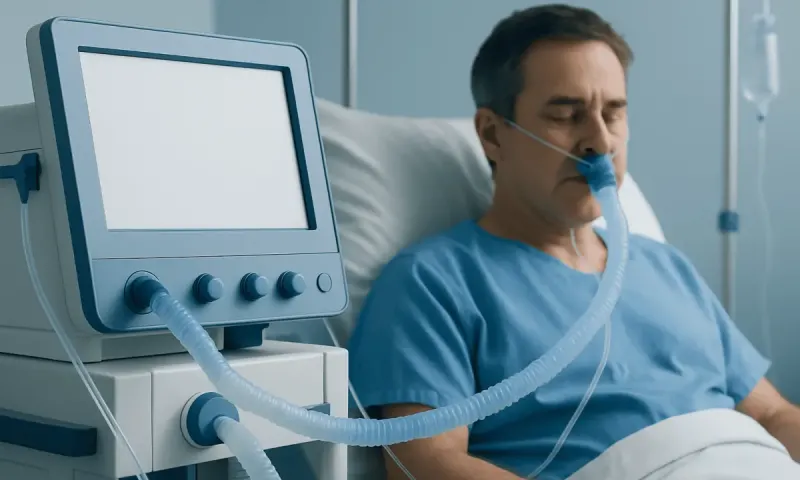
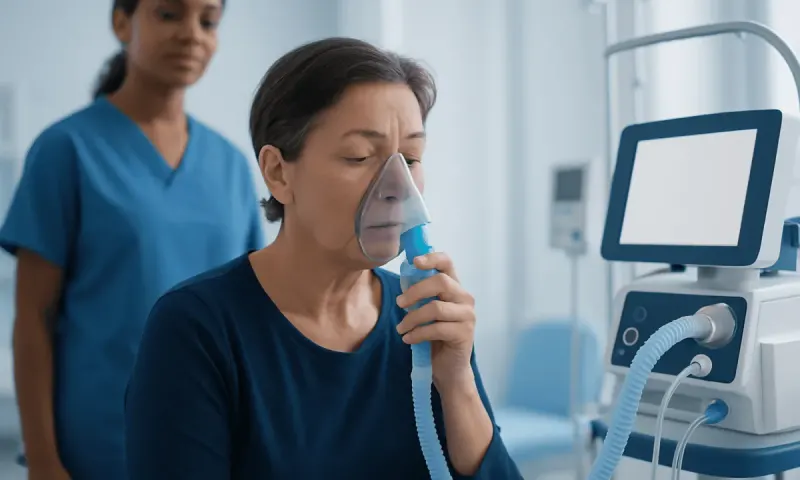
Survival Rate of TB With Early, Complete Treatment
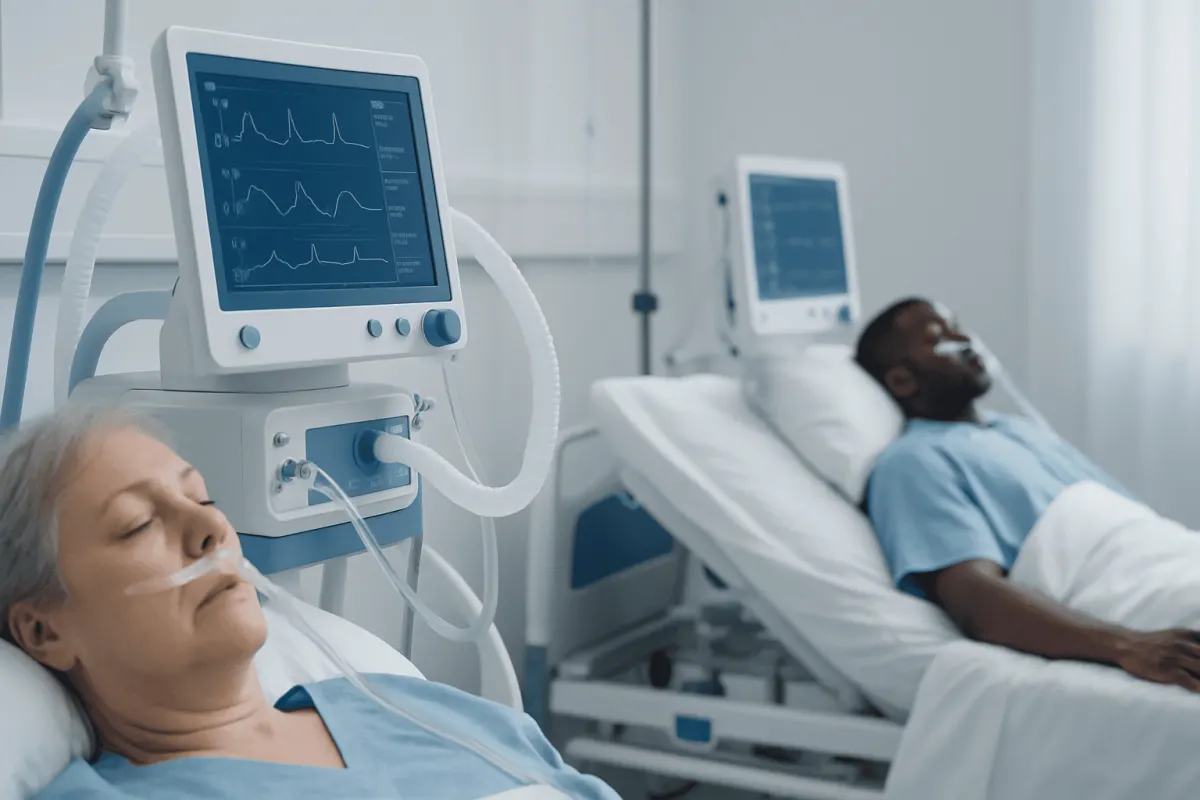
The survival rate of TB is generally high when active tuberculosis is identified promptly and treated with the recommended combination of medicines for the full prescribed course. Outcomes depend on the type and severity of TB, drug resistance, immune health, and access to timely care, while untreated disease can become serious and life-threatening.
Survival Rate of TB: What It Means for Patients
The survival rate of TB is generally high when tuberculosis is diagnosed early and treated fully with the appropriate medicines. There is no single number that applies to every person because TB outcomes differ according to where a person lives, the form of TB, whether the bacteria are resistant to medicines, and the person’s overall health. However, modern treatment can cure most people with drug-susceptible tuberculosis.
Tuberculosis is an infection caused by Mycobacterium tuberculosis. It most often affects the lungs, called pulmonary TB, but it can also affect lymph nodes, bones, kidneys, the abdomen, or the brain and spinal cord. Active TB needs medical treatment. Without it, the infection can damage organs, spread to others when it involves the lungs or throat, and may be fatal.
For an individual patient, the most useful question is often not simply “What is the survival rate?” but “What factors shape my outlook, and what can I do to support treatment success?” A clinician can answer this after reviewing test results, the extent of infection, medication susceptibility results, and any other health conditions.
Why TB Outcomes Differ From Person to Person
TB is not one uniform illness. People with uncomplicated, drug-susceptible pulmonary TB who begin treatment early often have a very favorable outlook. In contrast, delayed diagnosis, widespread infection, serious malnutrition, or severe lung damage can make recovery more difficult. The outlook also depends on whether the person can complete treatment and receive regular monitoring.
Extrapulmonary TB may need more specialized assessment. TB meningitis, which affects the tissues around the brain and spinal cord, and disseminated or miliary TB, where infection spreads through the bloodstream, are medical emergencies because they can cause severe complications. Early recognition and hospital-based care can be especially important in these forms.
A person’s immune system also matters. People living with HIV, those receiving medicines that suppress immunity, very young children, older adults, and people with poorly controlled diabetes may have a higher risk of severe TB. These factors do not mean recovery is impossible; they mean care should be individualized and closely supervised.
- Helpful prognostic factors: early testing, drug-susceptible bacteria, reliable access to medicines, and completion of follow-up.
- Factors requiring closer care: drug resistance, severe illness at presentation, HIV or other immune suppression, pregnancy, diabetes, kidney or liver disease, and previous TB treatment.
Active TB, Latent TB, and Drug Resistance
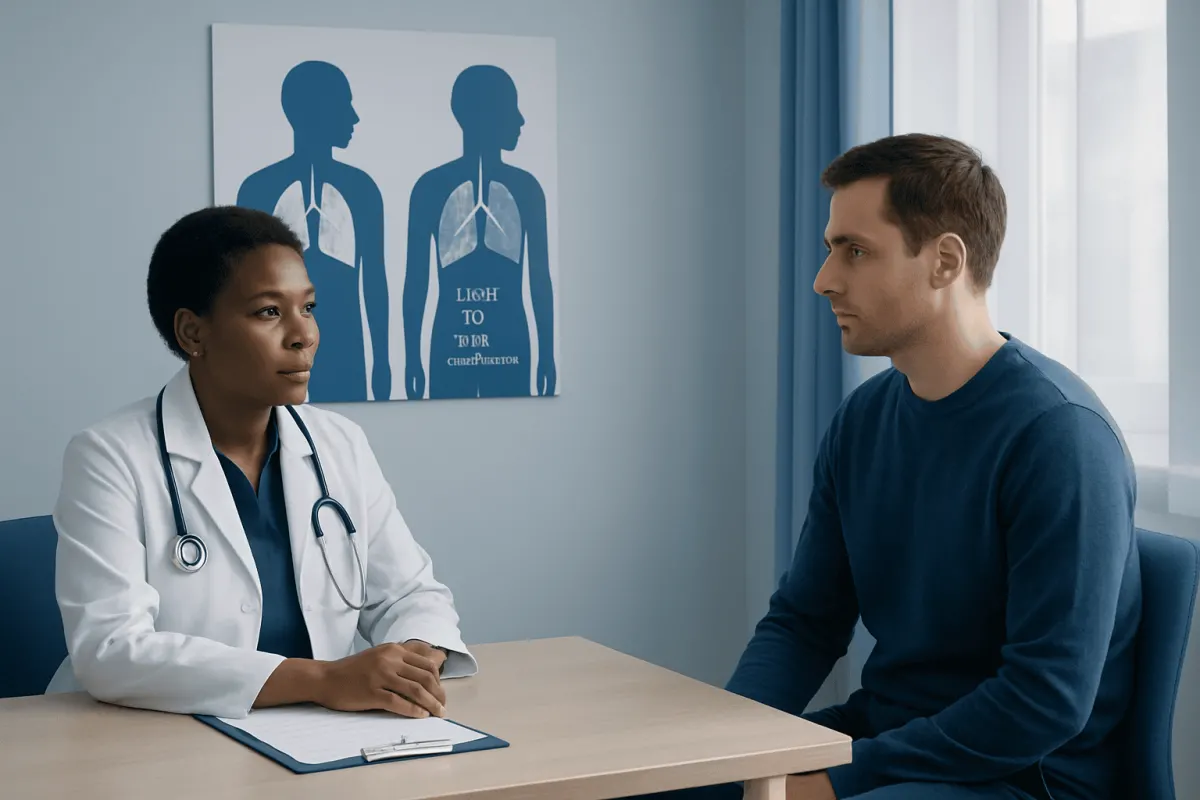
It is important to distinguish active TB disease from latent TB infection. In latent TB infection, the bacteria are present but inactive. The person has no symptoms and cannot spread TB to others, but may benefit from preventive treatment to reduce the chance of future active disease. This is different from active TB, which causes illness and requires a full treatment regimen.
Drug-susceptible TB means testing shows that standard first-line TB medicines are likely to work. Treatment commonly involves several medicines used together, especially early in the course. The exact regimen and duration vary according to the site of disease, local guidance, test results, and individual medical needs.
Drug-resistant TB occurs when the bacteria do not respond to one or more key TB medicines. Resistance can develop when treatment is incomplete or inappropriate, but it can also be acquired from another person with resistant TB. Drug-resistant TB remains treatable, although the regimen is often more complex and requires care from clinicians experienced in TB management. Accurate laboratory testing is central to choosing effective medicines.
How TB Is Diagnosed and Monitored
Symptoms alone cannot confirm TB. For suspected pulmonary TB, clinicians may request a chest X-ray and tests on sputum, the mucus coughed up from the lungs. Molecular tests can rapidly identify TB bacteria and may detect resistance to certain medicines. A culture can confirm the diagnosis and provide more complete medicine susceptibility information, although it takes longer.
When TB is suspected outside the lungs, testing is guided by the affected area. This may include blood tests, urine tests, imaging, sampling fluid or tissue, or examination of lymph node material. A TB skin test or blood test for TB infection can support evaluation, but these tests cannot by themselves distinguish active disease from latent infection.
Follow-up is part of treatment, not an optional extra. Clinicians monitor symptoms, weight, medicine tolerance, laboratory results when needed, and evidence that treatment is working. Repeat sputum testing may be used for pulmonary TB. Patients should tell their care team about side effects, missed doses, new symptoms, or difficulties obtaining medicines rather than stopping treatment on their own.
Treatment and Steps That Support Recovery
TB treatment uses a combination of antibiotics taken exactly as prescribed. Using multiple medicines helps kill bacteria at different stages and lowers the chance that resistance will emerge. Although people may feel better within weeks, bacteria can remain in the body; stopping early can lead to relapse, continued infection, or drug resistance.
Many treatment programs use supported or directly observed treatment approaches, in person or by video, to help patients complete therapy. This is a practical safety measure, not a judgment about the patient. A care team can also help address nausea, other medication side effects, nutrition concerns, work or family barriers, and questions about infection control.
Good general health practices can support recovery: eat regular, nourishing meals when possible, rest as needed, avoid tobacco and recreational drugs, and limit or avoid alcohol because it may increase the risk of medication-related liver problems. Patients should ask before taking herbal products, supplements, or new medicines, as these may interact with TB treatment.
Until a clinician confirms that a person with contagious pulmonary TB is no longer likely to spread infection, precautions may be needed. These can include staying home from work or school, improving ventilation, wearing a mask when advised, and avoiding close contact with vulnerable people. The care team will explain when normal activities can safely resume.
Prevention, Contacts, and Protecting Others
TB prevention includes finding active disease early and treating it effectively. People with cough and other possible TB symptoms should seek assessment rather than waiting for symptoms to settle. Prompt treatment can improve the person’s outlook and reduce the opportunity for TB to spread.
Close contacts of someone with infectious TB may be offered screening. This is particularly important for children, older adults, and people with weakened immune systems. Screening may involve a symptom review, a TB blood test or skin test, chest imaging, and other tests as appropriate. If latent TB infection is found, preventive treatment may substantially lower the likelihood of developing active TB later.
Vaccination with bacille Calmette-Guérin (BCG) is used in many countries, particularly for children at higher risk of severe forms of TB. Its use varies by national policy and it does not eliminate the need for testing or medical evaluation when symptoms suggest TB. Better ventilation, cough etiquette, and following public health advice also help reduce transmission.
When to Seek Medical Care
Medical assessment is recommended for a cough lasting several weeks, coughing up blood, chest pain, fever, night sweats, unexplained weight loss, persistent tiredness, or swollen lymph nodes. These symptoms can have many causes, and only testing can determine whether TB is present. People who have spent time with someone diagnosed with infectious TB should also contact a clinician or local public health service, even if they feel well.
Urgent medical care is needed for severe shortness of breath, confusion, fainting, severe headache with neck stiffness, seizures, new weakness, or coughing up a significant amount of blood. These symptoms may indicate a serious complication of TB or another urgent health problem and should not be managed at home.
People already receiving TB treatment should contact their care team promptly if they cannot keep medicines down, develop yellowing of the skin or eyes, severe abdominal pain, a widespread rash, visual changes, numbness or tingling that is worsening, or any concerning new symptom. Medication changes should only be made with medical guidance.
Acıbadem Health Point’s multidisciplinary specialists and JCI-accredited hospitals diagnose and treat tuberculosis for international patients, with care plans based on the type of TB, laboratory findings, and individual health needs.
Frequently asked questions
01Is TB always fatal if it is not treated?
Untreated active TB can be life-threatening because the infection may progressively damage the lungs or spread to other parts of the body. The risk is not the same for every person, but active TB should always be assessed and treated promptly. Effective treatment greatly improves the outlook.
02Can a person fully recover from tuberculosis?
Many people with drug-susceptible TB recover fully when they take the complete prescribed treatment regimen and attend follow-up appointments. Some people may have lasting effects, such as scarring in the lungs, particularly if disease was extensive or treatment began late. A clinician can explain what recovery is likely to look like in an individual case.
03How long does it take to recover from TB?
Symptoms may begin to improve after treatment starts, but recovery time varies and treatment must continue for the full prescribed duration. The treatment length depends on the type of TB, drug susceptibility, location of infection, and other health factors. Stopping medicines when symptoms improve can cause treatment failure or resistance.
04Does drug-resistant TB have a poor survival rate?
Drug-resistant TB is more difficult to treat than drug-susceptible TB, but it can still be treated successfully with appropriate specialist care and susceptibility-guided medicines. Treatment may be longer and needs careful monitoring for effectiveness and side effects. Starting expert care early is important.
05Can TB return after treatment?
TB can return if treatment was not completed, if the bacteria were resistant to the medicines used, or if a person is infected again after recovery. Follow-up testing and completing every prescribed dose reduce the risk. New symptoms after previous TB should be discussed with a clinician promptly.
06Is someone with latent TB at risk of dying from TB?
Latent TB infection does not cause symptoms or active illness, and it does not spread to others. However, latent infection can become active later, especially when immunity is weakened. A clinician can assess whether preventive treatment is recommended to lower that future risk.
This article is for general information only and is not a substitute for professional medical advice. Please consult a qualified doctor about your individual situation.
Joint and spine care in Turkey — expert assessment & treatment
JCI-accredited · board-certified surgeons · reply within 24h
Add us as a Preferred Source to see more of our trusted health content across Google Search, AI Overviews and Discover.