Proton Therapy Recovery: Expected Effects Over Time
Proton therapy recovery is often manageable because treatment is delivered as an outpatient procedure and does not require surgical healing. Most people can continue many normal routines, although fatigue and treatment-area skin or organ symptoms can develop gradually and may take several weeks or months to settle after the final session.
Overview: What Proton Therapy Recovery Is Like
Proton therapy recovery is usually gradual rather than immediate. Because proton therapy is a form of external-beam radiation, it does not involve an operation, incision, or hospital recovery period. Most people attend treatment as outpatients and return home the same day. However, the body still needs time to respond to radiation, and side effects may develop slowly during treatment or in the weeks after it finishes.
How a person feels depends mainly on the part of the body treated. For example, treatment near the head and neck may affect the mouth, throat, or swallowing; treatment to the chest may cause cough or swallowing discomfort; and treatment to the pelvis may affect the bowel or bladder. Fatigue is common across many treatment sites, although its severity varies considerably.
Proton therapy is planned to deliver radiation to a tumor while reducing exposure to surrounding healthy tissues where possible. This may help limit some side effects, but it does not mean that all side effects are avoided. The care team explains the expected recovery pattern for the individual cancer type and treatment plan. For a broader explanation of the treatment itself, see proton therapy.
How Proton Therapy Works and Who May Be Considered
Proton therapy uses positively charged particles called protons to damage the DNA of cancer cells. A key physical feature is that protons release most of their energy at a planned depth in the body and then largely stop. This differs from conventional X-ray radiation, which continues beyond the target area. The treatment team uses detailed imaging and computer planning to shape and direct the proton beams as precisely as possible.
It may be considered when protecting nearby healthy structures is especially important. This can include selected tumors in or near the brain, spinal cord, eyes, head and neck, chest, abdomen, pelvis, or in children and young adults. Whether proton therapy is appropriate depends on the cancer’s type, location, stage, size, previous treatment, and the likely advantages compared with other effective radiation approaches.
Candidacy is determined by a multidisciplinary cancer team, often including radiation oncologists, medical oncologists, surgeons, radiologists, and other specialists. Proton therapy is not automatically the best choice for every cancer. A personalized discussion should consider expected benefit, possible risks, practical needs, and alternative treatments.
What Happens Before and During Treatment

Before treatment begins, patients undergo a planning process called simulation. This usually includes imaging, such as CT and sometimes MRI or PET imaging, to map the tumor and nearby organs. The team also creates a reproducible treatment position, which may involve a customized mask for head and neck treatment, a body support, or other immobilization equipment. Small skin marks or reference points may be used for accurate daily positioning.
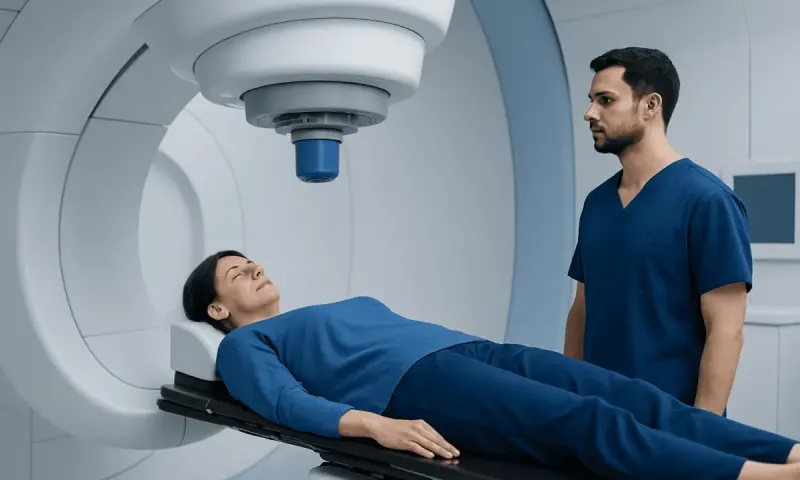
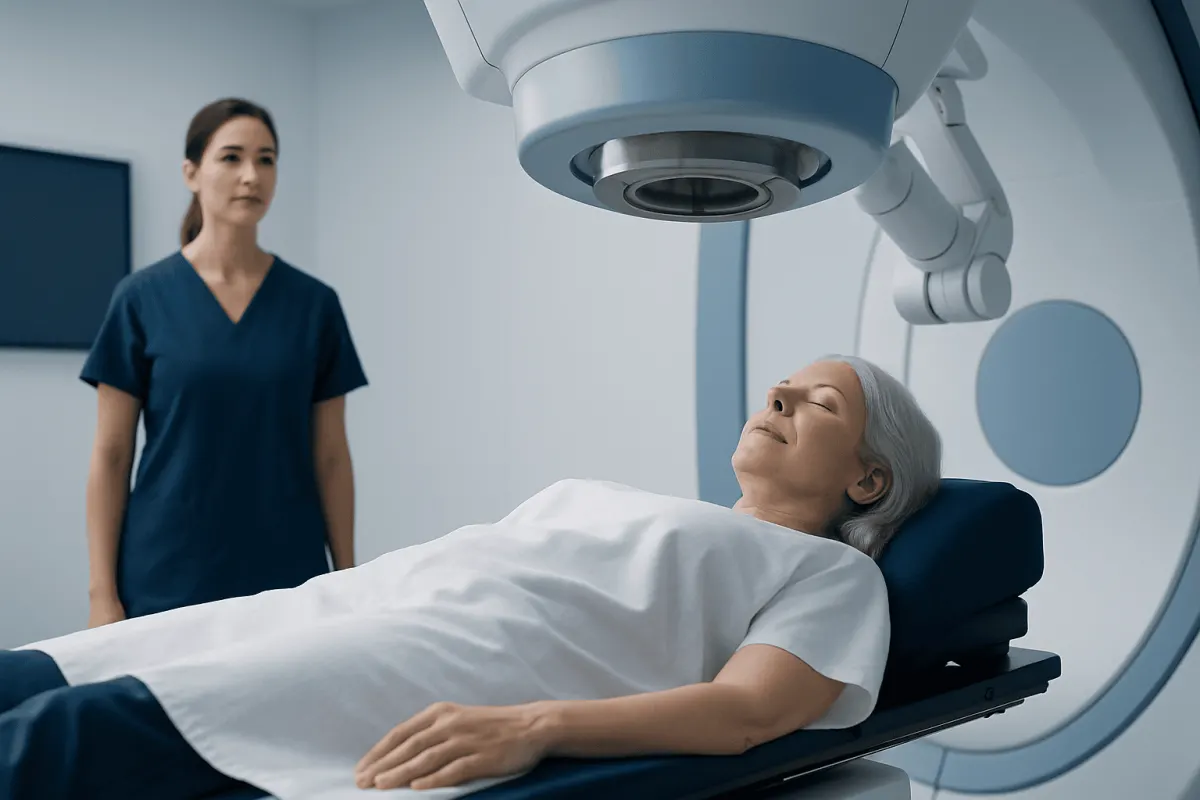
Planning can take time because each treatment plan is carefully designed and checked. Once daily sessions begin, the actual beam delivery may only take a few minutes, although positioning and safety checks make the appointment longer. The patient lies still while the machine moves around them; the treatment itself is painless, and the patient is monitored by the radiation therapy team.
Many courses are delivered Monday through Friday for several weeks, though schedules differ by diagnosis and treatment intent. The person is not radioactive after an external proton therapy session, so it is safe to be around family members, children, and pregnant people. During treatment, regular reviews allow the team to monitor symptoms and offer supportive care.
Proton Therapy Recovery: A Week-by-Week Timeline
Before treatment and the first week: Most people feel much as they did before treatment. There is no anesthesia recovery after a standard session, and daily activities can often continue. Some people experience anxiety, tiredness related to travel and appointments, or discomfort from maintaining the treatment position. Early symptoms are usually related to the location treated rather than the proton beam being felt during the session.
Weeks 2 to 4: Side effects may begin to emerge as treatment continues. Fatigue may become more noticeable, especially toward the end of the week. Depending on the treatment area, people may develop skin redness or dryness, mouth soreness, throat irritation, nausea, changes in appetite, urinary frequency, loose stools, or local tenderness. These effects should be reported early, as the oncology team can recommend measures to improve comfort and nutrition.
Final treatment week and the first 1 to 2 weeks afterward: Radiation effects can continue building even after the last session. For some patients, fatigue and site-specific symptoms are at their strongest during this period. This does not necessarily indicate a complication; it reflects the delayed response of normal tissues to radiation. Follow the care plan, keep scheduled reviews, rest when needed, and contact the team if symptoms become difficult to manage.
Weeks 3 to 8 after completion: Many short-term effects begin to improve gradually. Skin reactions often heal over several weeks, while energy levels may return more slowly. People treated in areas involving swallowing, digestion, bowel, bladder, or breathing may need longer symptom support. Follow-up imaging is not always performed immediately because inflammation and treatment changes can make early scans harder to interpret.
Months after treatment: Recovery continues at an individual pace. Some effects resolve fully, while others may persist or appear later, depending on the tissues treated and whether surgery, chemotherapy, immunotherapy, or other treatments were also used. Long-term follow-up is designed to check cancer control, manage ongoing effects, and identify late changes early.
Benefits, Possible Side Effects, and Longer-Term Follow-Up
The potential benefit of proton therapy is its ability to concentrate radiation dose within the planned target and reduce radiation exposure beyond it. In suitable cases, this may be particularly valuable when tumors are close to sensitive organs. The expected cancer-control benefit depends on the individual diagnosis and is evaluated alongside other established treatment options.
Short-term side effects are generally confined to the treatment region. Common examples include fatigue, temporary skin irritation, and symptoms involving nearby organs or tissues. Hair loss occurs only in the area receiving radiation; proton therapy does not usually cause whole-body hair loss. The risk and type of symptoms should be discussed before treatment, as they differ substantially between, for example, brain, prostate, breast, lung, and head and neck treatment.
Less commonly, radiation can cause later tissue changes, such as scarring, stiffness, hormonal changes, nerve effects, organ-function changes, or a second cancer many years later. These risks are influenced by dose, treated area, age, prior radiation, and other therapies. Proton therapy may reduce dose to certain normal tissues, but long-term monitoring remains essential.
Patients should tell their team about all medicines, supplements, and new symptoms. They should not stop prescribed medication or start unproven supplements for radiation side effects without medical advice, as some products can interfere with treatment or worsen symptoms.
Returning to Work, Exercise, and Everyday Life
There is no single date when everyone can return to work or sport after proton therapy. Some people continue working during treatment, perhaps with shorter hours, remote work, or more rest breaks. Others need time away because of fatigue, frequent appointments, symptom burden, physically demanding work, or the effects of other cancer treatments. The care team can provide individualized guidance and supporting documentation when needed.
Gentle movement, such as walking, stretching, or light strength activities, can support energy, mood, sleep, and physical function when it feels comfortable. It is usually best to start slowly and avoid pushing through marked fatigue, dizziness, pain, fever, dehydration, or shortness of breath. Contact sports, swimming with significant skin reactions, and strenuous exercise may need to wait until the clinical team confirms they are appropriate.
Practical recovery measures include regular fluids, balanced meals with adequate protein, consistent sleep routines, and accepting help with daily tasks when needed. If mouth or throat symptoms make eating difficult, a dietitian and speech and swallowing specialists may be involved. Emotional recovery also matters; counseling, support groups, and open communication with family and the oncology team can be helpful.
Acıbadem Health Point’s multidisciplinary specialists and JCI-accredited hospitals support international patients undergoing cancer assessment, proton therapy planning, and follow-up care.
When to Seek Medical Care
Patients should contact their radiation oncology team promptly if symptoms are worsening, not controlled by the recommended care plan, or preventing normal drinking, eating, sleeping, or taking essential medicines. Early communication often allows symptoms to be addressed before they become more difficult.
Urgent medical assessment is needed for severe shortness of breath, chest pain, confusion, a seizure, sudden weakness or speech difficulty, uncontrolled vomiting, inability to keep fluids down, heavy bleeding, a high fever or chills, severe new pain, or signs of a serious allergic reaction. People should follow the emergency instructions provided by their treatment center and seek local emergency care when necessary.
Follow-up visits should be kept even when recovery seems to be going well. These appointments help the team assess healing, coordinate care with other cancer specialists, and decide when imaging or additional rehabilitation services are needed.
Frequently asked questions
01How long does proton therapy recovery take?
Short-term recovery commonly takes several weeks after the last session, but the timeline varies by treatment area and the person’s overall health. Fatigue and local irritation may be most noticeable near the end of treatment or during the first one to two weeks afterward. Some symptoms, especially those involving swallowing, bowel, bladder, or nerve function, may take months to improve.
02Can a person work during proton therapy?
Many people can work during proton therapy, particularly if their job is flexible and side effects are mild. Others need reduced hours or time away because of daily appointments, fatigue, or symptoms related to the area treated. The oncology team can help guide a safe return-to-work plan.
03When can someone exercise after proton therapy?
Gentle activity is often appropriate during and after proton therapy if the person feels well enough. Walking, stretching, and other low-intensity movement can be increased gradually. More strenuous activity should be discussed with the treatment team, especially after treatment to the chest, abdomen, pelvis, brain, or spine.
04Does proton therapy make a patient radioactive?
No. External proton therapy does not leave radioactive material in the body. After each treatment session, patients can safely be near other people, including children and pregnant family members.
05Are proton therapy side effects less severe than standard radiation?
Proton therapy may reduce radiation exposure to some healthy tissues because of how protons deposit energy. This can lower certain risks in selected situations, but side effects can still occur and depend on the tumor location and treatment plan. A radiation oncologist can explain the expected differences for an individual case.
06Why can symptoms worsen after proton therapy ends?
Radiation effects on normal tissues can be delayed, so inflammation and irritation may continue for a short time after the final session. This is why fatigue, skin reactions, or site-specific symptoms may peak in the first weeks of recovery. The treatment team should be informed if symptoms are severe, sudden, or difficult to manage.
This article is for general information only and is not a substitute for professional medical advice. Please consult a qualified doctor about your individual situation.
Persistent digestive symptoms? Get evaluated in Turkey
JCI-accredited · board-certified surgeons · reply within 24h
Add us as a Preferred Source to see more of our trusted health content across Google Search, AI Overviews and Discover.