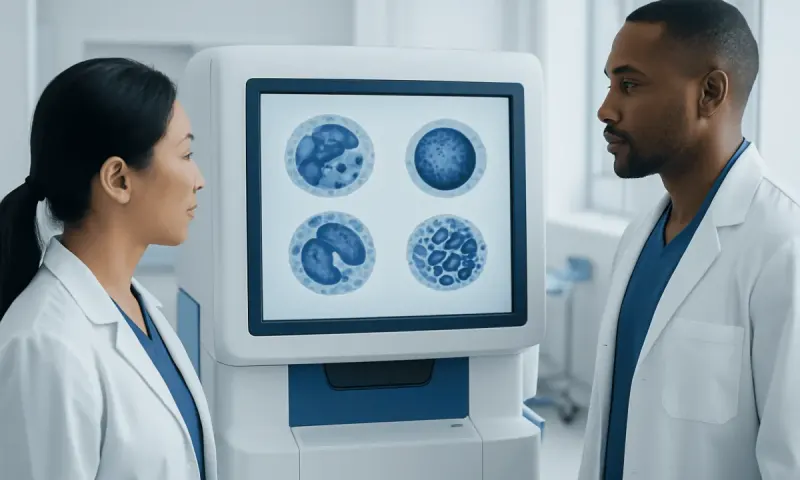
Stem Cells Vs Somatic Cells: Key Differences
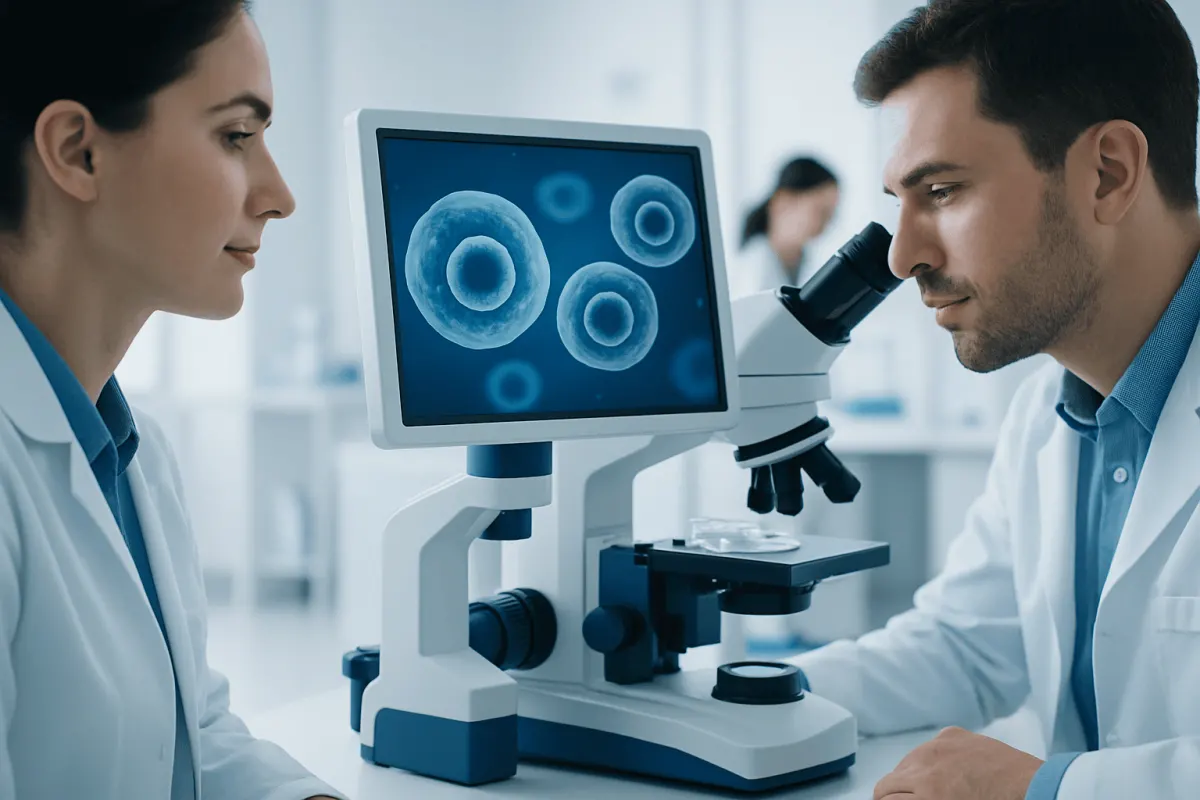
Stem cells and somatic cells are both body cells, but they have different roles. Stem cells can self-renew and may develop into other cell types, whereas somatic cells are specialized cells that carry out defined functions in tissues and organs.
Stem Cells vs Somatic Cells: Overview
Stem cells vs somatic cells can be understood by looking at their level of specialization. Stem cells are cells that can make more stem cells and, in the right biological setting, may mature into specialized cells. Somatic cells are the ordinary non-reproductive cells of the body, such as skin, muscle, nerve and liver cells, which already have specific jobs.
Both cell types are essential for health. Somatic cells form the body’s tissues and support everyday functions, while stem cells contribute to growth, maintenance and repair in selected tissues. Their differences are especially important in regenerative medicine, where clinicians must distinguish between well-established therapies and treatments that remain experimental.
| Feature | Stem cells | Somatic cells |
|---|---|---|
| Specialization | Initially unspecialized or less specialized | Usually specialized for a particular function |
| Self-renewal | Can divide while maintaining stem-cell characteristics | Varies by cell type; most do not have broad self-renewal ability |
| Differentiation | May develop into one or more specialized cell types | Generally maintain their established identity |
| Main role | Development, tissue maintenance and repair | Perform tissue-specific work, such as contraction, protection or signaling |
| Examples | Blood-forming stem cells, skin stem cells | Red blood cells, skin cells, muscle cells and neurons |
The word “somatic” means relating to the body. In this context, it excludes germ cells, which are involved in reproduction. A person’s skin cells, intestinal cells and heart muscle cells are examples of somatic cells.
What are the key differences between stem cells and somatic cells?
The key difference is developmental potential. Stem cells have the capacity to remain in a less specialized state and can produce daughter cells that either retain stem-cell properties or become more specialized. Somatic cells have already followed a developmental pathway and usually carry out a stable, tissue-specific role.
Stem cells also differ in potency, meaning the range of cell types they may form. Embryonic stem cells can develop into nearly all body cell types, while adult or tissue-specific stem cells usually have a narrower range. For example, blood-forming stem cells primarily produce blood and immune cells, rather than nerve or heart muscle cells.
Somatic cells still divide in many tissues, but division is not the same as stemness. A skin cell may reproduce to help replace skin, yet it generally remains a skin cell. In research settings, scientists can reprogram certain adult somatic cells into induced pluripotent stem cells, but this is a complex laboratory process rather than something that normally occurs in the body.
These biological differences matter because a specialized cell cannot automatically replace every kind of damaged tissue. Safe medical care requires matching a treatment to the disease process, the target tissue and the strongest available clinical evidence.
How a clinician tells stem cells and somatic cells apart

Clinicians and laboratory specialists identify cells by considering where the cells came from, their shape, the proteins they express and how they behave in controlled tests. Blood-forming stem cells, for instance, are found in bone marrow, circulating blood and umbilical cord blood, and they are assessed using recognized laboratory markers and functional testing.
Microscopy can show general cell appearance, but it is rarely enough by itself. Laboratories may use methods such as flow cytometry, genetic testing and staining for cell-surface markers. These techniques help confirm the identity, purity and viability of cells before they are considered for established transplantation procedures.
A clinician also evaluates the patient rather than relying only on a cell label. This includes confirming the diagnosis, assessing disease severity, reviewing other treatments and considering whether a cell-based procedure is indicated, available and appropriately regulated.
Cell identification is particularly important because products marketed as “stem cells” may contain mixed cell populations. The source, processing method, infection-control standards and evidence supporting the intended use all affect safety and expected benefit.
How do stem cells know how to differentiate?
Stem cells differentiate in response to biological instructions from their environment and from within the cell. Signals may come from nearby cells, chemical messengers, hormones, oxygen levels, physical forces and the surrounding tissue framework, often called the stem-cell niche.
These signals influence genes that are switched on or off. As patterns of gene activity change, the cell makes different proteins and gradually develops the structure and function of a specific cell type. During normal development, this process is carefully coordinated so that cells form appropriate tissues at the appropriate time.
In adult tissues, local signals help guide repair. For example, tissue damage can activate resident stem cells or progenitor cells to replace cells that are normally lost through wear, injury or inflammation. This process is controlled and does not mean that every stem cell can repair every organ.
Researchers can influence differentiation in laboratories by using defined growth factors and culture conditions. However, directing cells safely and predictably after they are placed in the body remains challenging, which is one reason many regenerative treatments require further study.
What is the best type of stem cell to use for therapy?
There is no single best type of stem cell for every condition. The appropriate approach depends on the diagnosis, the tissue involved, the patient’s overall health and whether a treatment has been shown to be safe and effective for that specific use.
Blood-forming, or hematopoietic, stem cell transplantation is an established treatment for selected blood cancers, bone marrow failure conditions and certain inherited or immune disorders. Depending on the clinical situation, cells may come from the patient or from a carefully matched donor. This is a specialized procedure that requires detailed assessment and monitoring.
For many neurological, orthopedic, cardiac, autoimmune and anti-aging uses, stem-cell interventions are still being researched or may not be approved for routine care. A claim that cells are “from the patient’s own body” does not by itself establish that a procedure is effective or low risk. Unproven products may lead to infection, inflammation, inappropriate tissue growth, delayed diagnosis or financial harm.
People considering cell-based therapy should ask which cells are being used, why they are suitable for the condition, what clinical evidence supports the procedure, what alternatives exist and how complications will be managed. A consultation with a qualified specialist is the safest way to interpret these questions.
Where did Kim Kardashian get stem cells?
Public reports and social-media posts about celebrities may describe cosmetic or wellness procedures using “stem cells,” but they do not provide enough medical information to guide another person’s care. The exact source, formulation, processing, indication, safety oversight and clinical evidence may not be publicly verifiable.
For this reason, a celebrity’s experience should not be used to determine whether a stem cell procedure is appropriate. Cosmetic terminology can also be confusing: some products marketed with stem-cell language may contain growth factors, plant-derived ingredients, processed tissue products or other substances rather than living stem cells intended to regenerate tissue.
Anyone considering a similar procedure should discuss it with a licensed clinician who is independent of promotional claims. They should receive clear information about the product, expected outcomes, possible risks, regulatory status and evidence specific to their own concern.
What to do for each situation
For a routine health concern involving somatic cells, such as skin injury, muscle strain or organ disease, treatment is directed at the underlying diagnosis. This may involve medication, rehabilitation, surgery, lifestyle measures or monitoring. The fact that a condition involves damaged body cells does not automatically mean stem cell therapy is needed.
For conditions affecting blood or bone marrow, a specialist may assess whether transplantation is appropriate. Evaluation can include blood tests, imaging, bone marrow testing and donor-matching studies. Some patients may be referred for bone marrow transplantation after careful review of benefits, risks and other available options.
For people interested in regenerative therapies, it is sensible to seek care through a hospital-based team with expertise in the relevant condition. Acıbadem Health Point’s multidisciplinary specialists and JCI-accredited hospitals assess and treat international patients using evidence-based diagnostic and treatment planning.
Healthy habits can support normal tissue maintenance, although they do not replace medical treatment. These include avoiding tobacco, eating a balanced diet, staying physically active as appropriate, protecting the skin from excessive sun exposure and attending recommended health checks.
When to seek medical care
Medical assessment is important for persistent symptoms such as unexplained fatigue, recurrent infections, unusual bruising or bleeding, ongoing fever, unintentional weight loss, severe bone pain or symptoms that worsen despite basic care. These symptoms can have many causes and should not be self-diagnosed as a “stem cell problem.”
Urgent medical care is needed for severe shortness of breath, chest pain, fainting, sudden weakness, confusion, heavy bleeding or signs of a serious allergic reaction. A clinician can determine whether emergency assessment is necessary.
People should also speak with a doctor before receiving any stem cell injection, infusion or procedure offered outside a recognized indication or clinical trial. Careful review can help distinguish established treatment from interventions with uncertain safety or benefit.
Frequently asked questions
01Are stem cells somatic cells?
Some stem cells are somatic cells because they are found in body tissues rather than reproductive cells. Adult stem cells, such as blood-forming stem cells, are often described as somatic stem cells. However, stem cells are distinguished by their ability to self-renew and differentiate, not only by their location.
02Can somatic cells become stem cells?
In normal circumstances, specialized somatic cells usually retain their established identity. In laboratory research, scientists can reprogram certain somatic cells into induced pluripotent stem cells. This process requires specialized techniques and is not a routine treatment for most patients.
03Are all stem cell therapies proven?
No. Some stem cell transplants are established for specific blood, bone marrow and immune-system conditions, but many other uses remain under research. A clinician should explain whether a proposed treatment is standard care, part of a regulated clinical trial or not supported by adequate evidence.
04Do stem cells come only from embryos?
No. Stem cells may be obtained from embryos, fetal tissue, adult tissues, blood, bone marrow, umbilical cord blood and laboratory-reprogrammed adult cells. Each source has different biological properties, ethical considerations and potential clinical applications.
05Can stem cells repair any damaged organ?
Stem cells do not automatically repair every damaged organ. Their effects depend on the type of cell, the disease, the tissue environment and whether the cells can survive, integrate and function appropriately. Many proposed regenerative applications are still being studied.
06What questions should patients ask about a stem cell procedure?
Patients can ask what condition is being treated, what type of cells are used and whether the treatment is approved or offered through a regulated clinical trial. It is also important to ask about evidence of benefit, potential risks, alternatives, follow-up care and the qualifications of the treating team.
This article is for general information only and is not a substitute for professional medical advice. Please consult a qualified doctor about your individual situation.
Persistent digestive symptoms? Get evaluated in Turkey
JCI-accredited · board-certified surgeons · reply within 24h
Add us as a Preferred Source to see more of our trusted health content across Google Search, AI Overviews and Discover.