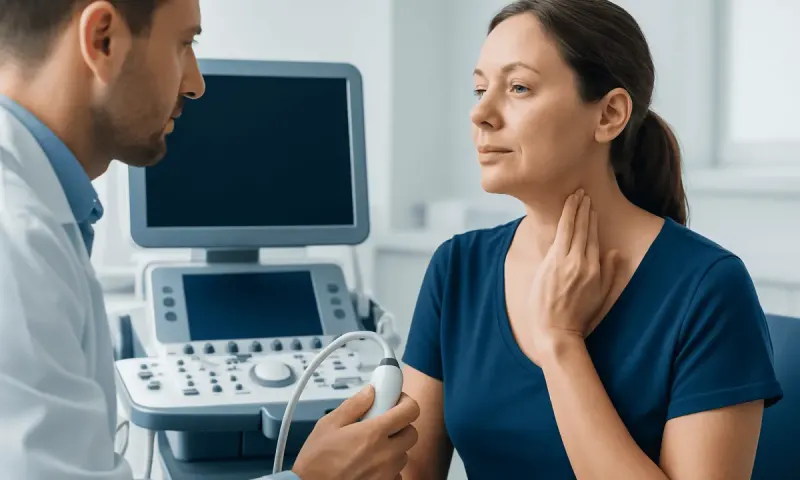
Stem Cell Treatment in Turkey: Safety and Suitability
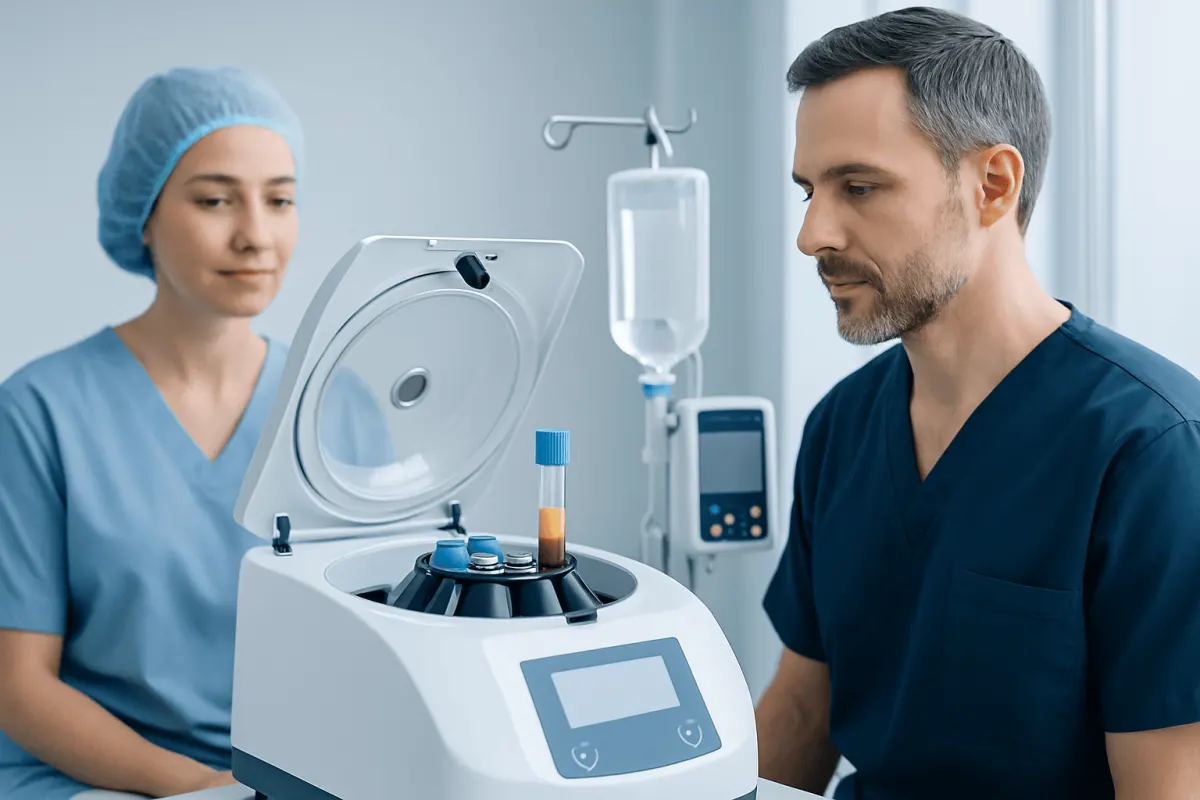
Stem cell treatment in Turkey can refer to several very different medical procedures, from established stem cell transplants for blood diseases to selected regenerative treatments under specialist supervision. The procedure, recovery period, expected results and costs depend primarily on the diagnosis, source of cells and intensity of treatment.
Stem Cell Turkey: What Does Treatment Involve?
For people researching stem cell Turkey, the most important point is that “stem cell treatment” is not one single procedure. It may refer to a hematopoietic stem cell transplant, also called a bone marrow or blood stem cell transplant, used for certain blood cancers and bone marrow disorders. It may also describe regenerative approaches intended to support tissue repair, such as carefully selected orthopedic treatments.
Established stem cell transplantation replaces damaged or diseased blood-forming cells with healthy stem cells. These cells can come from the patient (an autologous transplant), a matched donor (an allogeneic transplant), or in some circumstances stored cord blood. The new cells travel to the bone marrow and begin producing blood and immune cells.
Not every advertised use of stem cells has the same level of clinical evidence. A responsible medical assessment explains whether a proposed treatment is established for the person’s condition, part of a clinical study, or not recommended. Patients should be cautious about broad claims that stem cells can cure unrelated chronic illnesses, reverse aging or provide guaranteed results.
How Stem Cell Treatment Works and Who May Be a Candidate
Blood-forming stem cell transplants are most often considered for conditions in which the bone marrow, blood cells or immune system is severely affected. Examples include leukemia, lymphoma, multiple myeloma, aplastic anemia and some inherited blood or immune disorders. Whether transplantation is appropriate depends on the diagnosis, disease stage, response to prior treatment and the person’s overall health.
For an autologous transplant, clinicians collect the patient’s own blood-forming stem cells before high-dose treatment. For an allogeneic transplant, a compatible donor is sought through family testing or donor registries. Matching is especially important because donor immune cells can react against the recipient’s tissues, causing graft-versus-host disease.
Before treatment, the team reviews blood tests, heart and lung function, infection screening, medicines, nutrition and emotional support needs. Age alone does not determine eligibility, but frailty, organ function, active infection and other health conditions may affect the balance of benefit and risk. People considering transplant for conditions such as leukemia should discuss all standard treatment options with their hematology team.
Stem Cell Procedure: Step by Step

The pathway starts with specialist consultation and a detailed diagnostic review. The team confirms the indication for treatment, explains realistic goals and obtains informed consent. If donor cells are planned, donor matching and collection arrangements are completed before conditioning begins.
For many blood stem cell transplants, patients receive conditioning treatment with chemotherapy, sometimes combined with radiotherapy or immune-suppressing medicines. Conditioning helps eliminate diseased cells, makes space in the bone marrow and, for donor transplants, reduces the chance that the body will reject the new cells. The intensity of conditioning is individualized.
Stem cells are usually infused through a central venous catheter, much like a blood transfusion. The infusion itself generally does not involve surgery. Afterward, the patient is closely monitored while the cells engraft, meaning they settle in the bone marrow and start making new blood cells. This stage may require hospital care, protective infection precautions, transfusions and supportive medication.
For eligible patients, bone marrow transplant care includes coordinated planning before treatment and careful monitoring after the infusion. The exact sequence may differ according to the underlying disease, whether cells are from the patient or a donor, and the transplant protocol selected by the clinical team.
Recovery Timeline and Expected Results
Recovery after stem cell treatment varies considerably. Following an outpatient regenerative procedure, a clinician may advise a short period of relative rest and a gradual return to activity. By contrast, recovery from a hematopoietic stem cell transplant is a prolonged medical process that commonly involves an inpatient phase followed by frequent outpatient visits.
After a transplant, blood counts often fall before the new stem cells begin working. Engraftment commonly occurs over the following weeks, although timing differs among patients and transplant types. Fatigue, reduced appetite, mouth soreness, nausea and changes in taste can occur during this period. The immune system takes longer to recover, especially after a donor transplant, so infection prevention remains important for months.
Results should be judged against the reason for treatment. A transplant may offer the possibility of long-term disease control or cure for selected blood conditions, but it cannot guarantee this outcome. Follow-up tests assess blood count recovery, donor cell engraftment where relevant, disease response, infections and possible late effects.
Recovery also includes rehabilitation, nutrition, emotional wellbeing and return-to-work planning. Patients should follow their transplant team’s advice about food safety, visitors, vaccination, physical activity, sun protection and travel, as these recommendations change throughout recovery.
How Long Should You Rest After Stem Cell Therapy?
The needed rest period depends on the type of therapy. After a minor, outpatient cell-based procedure, some people may resume light daily activities within a few days, but strenuous exercise or impact activities may need to wait until the treating clinician confirms it is safe. The treated body area and the person’s symptoms guide the plan.
After a blood or bone marrow stem cell transplant, “rest” is not limited to a few days. Patients usually need weeks of close monitoring and may experience fatigue for several months. Gentle movement is often encouraged when medically appropriate because it can help maintain strength, sleep and function, but activity should be increased slowly and under clinical guidance.
It is important not to compare recovery timelines from unrelated procedures. A person receiving an injection for a musculoskeletal problem has very different needs from someone recovering from high-dose chemotherapy and a donor stem cell transplant.
Risks, Benefits and the Worst Days After a Stem Cell Transplant
The potential benefit of a stem cell transplant is that it can restore blood formation and immune function or help treat an underlying blood cancer or marrow disorder. In some donor transplants, donor immune cells may also help attack remaining cancer cells. These benefits must always be weighed against significant short- and long-term risks.
The worst days after a stem cell transplant are often during the low-count period after conditioning and before engraftment. White blood cells, red blood cells and platelets may be very low, increasing the risk of serious infection, anemia-related tiredness and bleeding. Mouth and digestive tract inflammation, nausea, diarrhea and profound fatigue can make this phase especially challenging, although supportive care is provided to reduce symptoms and complications.
Additional risks include reactions to medicines, organ effects from conditioning, relapse of the original disease, infertility and, after donor transplant, graft-versus-host disease. Graft-versus-host disease can affect the skin, liver, intestines and other organs. The team monitors closely and uses preventive and treatment medicines when indicated.
Patients should report fever, chills, breathing difficulty, chest pain, confusion, new bleeding, persistent vomiting, severe diarrhea or a rapidly worsening rash urgently. Early assessment is important during transplant recovery because infections and other complications can progress quickly.
How Much Does Stem Cell Therapy Cost in Turkey?
There is no single, medically meaningful price for stem cell therapy in Turkey. Costs vary widely because “stem cell therapy” can describe very different services, from an outpatient procedure to a complex transplant requiring donor testing, cell processing, chemotherapy, hospitalization, transfusions, anti-infective medicines and long-term follow-up.
A personalized estimate should be provided only after a specialist has reviewed the diagnosis and proposed treatment plan. Patients can ask whether the estimate includes consultations, diagnostic testing, cell collection or donor work-up, laboratory processing, hospital accommodation, medicines, management of possible complications and planned follow-up after returning home.
Cost should not be the main factor in choosing care. It is safer to prioritize a clear diagnosis, an evidence-based indication, physician credentials, accredited laboratory and hospital standards, transparent communication and an appropriate plan for complications and follow-up.
When to Seek Medical Care
Anyone considering stem cell treatment should seek medical advice before traveling or committing to a procedure. A qualified specialist can clarify the diagnosis, explain whether stem cell treatment is appropriate and discuss alternatives that may be more suitable. A second opinion can be particularly helpful when the proposed treatment is expensive, broadly marketed or presented as a cure for multiple unrelated conditions.
People who have undergone a transplant should contact their transplant team promptly for fever, chills, cough, shortness of breath, new rash, yellowing of the skin or eyes, severe abdominal symptoms, unusual bruising or bleeding, painful urination, or inability to drink enough fluids. Emergency care is needed for severe breathing difficulty, chest pain, fainting, confusion or uncontrolled bleeding.
Acıbadem Health Point’s multidisciplinary specialists and JCI-accredited hospitals support international patients needing assessment and treatment for stem cell transplant-related conditions, with care coordinated according to individual medical needs.
Frequently asked questions
01How long should you rest after stem cell therapy?
Rest needs vary by treatment type. Some outpatient procedures may require only several days of reduced activity, while a blood stem cell transplant usually requires weeks of close monitoring and a gradual recovery lasting months. The treating team should provide individualized activity guidance.
02How much does stem cell therapy cost in Turkey?
There is no standard cost because stem cell treatments range from outpatient procedures to complex hospital-based transplants. A reliable estimate requires review of the diagnosis, cell source, treatment intensity, hospital stay, medicines and follow-up needs. Patients should request a written breakdown of what is included.
03What are the worst days after a stem cell transplant?
The most difficult phase is often after conditioning treatment and before engraftment, when blood counts are very low. During this time, fatigue, mouth sores, nausea, diarrhea and infection risk can be substantial. Hospital teams provide monitoring, transfusions, infection prevention and symptom treatment throughout this period.
04Can you live 20 years after a stem cell transplant?
Yes, some people live for decades after a successful stem cell transplant. Long-term outlook depends on the disease being treated, transplant type, response to treatment, donor compatibility and whether complications occur. Lifelong or long-term follow-up may be recommended to monitor health after transplant.
05Is stem cell therapy in Turkey regulated?
Medical care should be provided by licensed clinicians in appropriately regulated hospitals or centers, with a clear indication and documented consent process. Patients should ask what regulatory standards apply, how cells are processed and stored, and whether the proposed use is established for their condition. Claims of guaranteed cures or universal benefits should be treated with caution.
06Is a stem cell transplant the same as bone marrow transplant?
The terms are often used interchangeably, although stem cells may be collected from bone marrow, circulating blood or cord blood. All can provide blood-forming stem cells for transplantation. The most suitable source depends on the disease, donor availability and transplant plan.
This article is for general information only and is not a substitute for professional medical advice. Please consult a qualified doctor about your individual situation.
Joint and spine care in Turkey — expert assessment & treatment
JCI-accredited · board-certified surgeons · reply within 24h
Add us as a Preferred Source to see more of our trusted health content across Google Search, AI Overviews and Discover.