Blood Disorders List by Blood Cell Type: Red Cells, White Cells, Platelets, and Plasma

A blood disorders list can be easier to understand when grouped by the part of blood involved: red blood cells, white blood cells, platelets, or plasma. Each group has different functions, symptoms, and treatment approaches, so proper diagnosis is important.
Overview: How Blood Disorders Are Classified
Blood is made up of several important parts that work together to keep the body healthy. Red blood cells carry oxygen, white blood cells help fight infection, platelets help blood clot, and plasma is the liquid portion that carries proteins, nutrients, hormones, and waste products. A blood disorder can affect one or more of these components.
A practical blood disorders list often groups conditions by the blood cell type involved. This approach helps patients understand why symptoms can differ so much from one condition to another. For example, a problem with red blood cells may cause tiredness and shortness of breath, while a platelet problem may lead to easy bruising or bleeding.
Some blood disorders are mild and manageable, while others require specialist care. They may be inherited, develop later in life, or appear as a result of infection, autoimmune disease, nutritional deficiency, cancer, medication use, or chronic illness. Because symptoms can overlap, diagnosis should be based on proper medical evaluation rather than symptoms alone.
Red Blood Cell Disorders
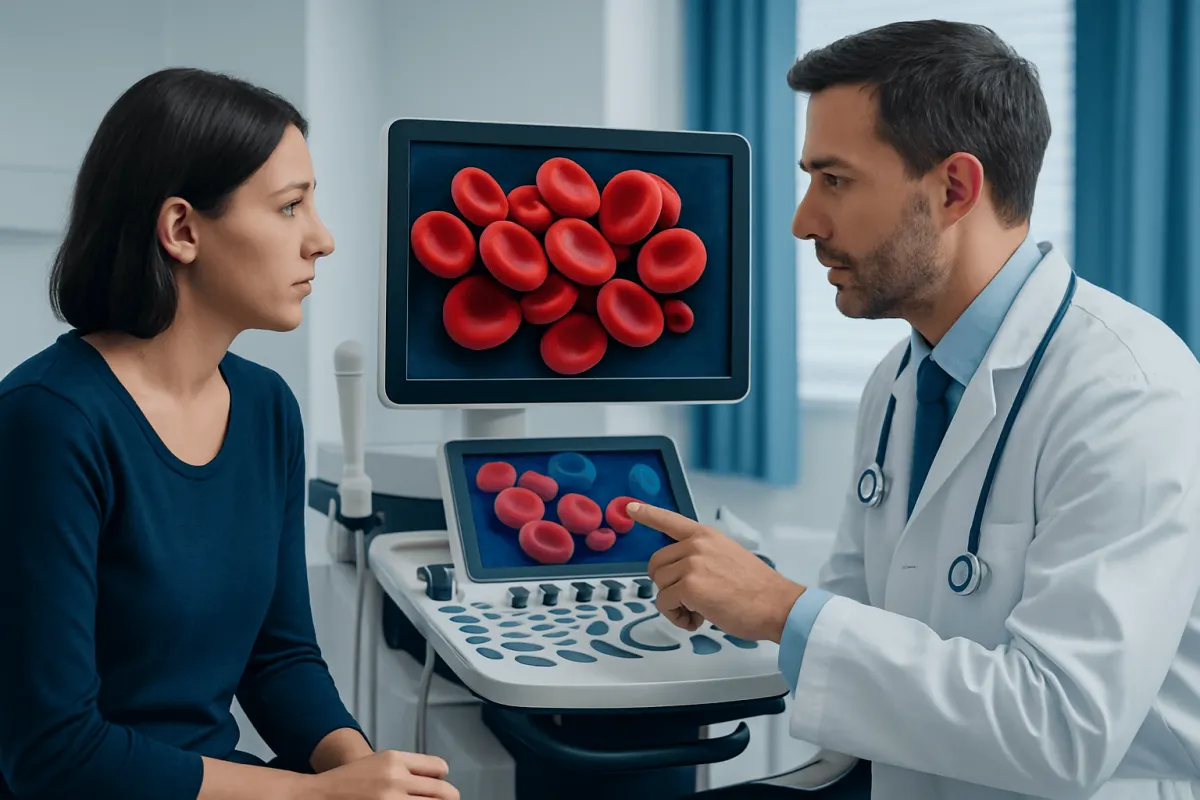
Red blood cell disorders affect the cells that carry oxygen from the lungs to the rest of the body. When there are too few red blood cells, too little hemoglobin, or the cells do not function normally, the body may not get enough oxygen. This can lead to fatigue, weakness, pale skin, dizziness, headaches, reduced exercise tolerance, and shortness of breath.
Common examples include anemia, iron deficiency anemia, vitamin B12 or folate deficiency anemia, hemolytic anemia, sickle cell disease, and thalassemia. Some are caused by poor production of red blood cells, some by blood loss, and others by increased destruction of the cells. Inherited conditions such as sickle cell anemia and thalassemia affect the structure or production of hemoglobin.
Doctors usually evaluate red blood cell disorders with a complete blood count, hemoglobin level, red cell indices, and sometimes iron studies, vitamin levels, reticulocyte count, or tests for hemolysis. Depending on the findings, treatment may include dietary changes, supplements, medicines, treatment of the underlying cause, or blood transfusion when clinically necessary.
- Typical symptoms: fatigue, weakness, pale skin, breathlessness, rapid heartbeat
- Common causes: iron deficiency, chronic disease, inherited disorders, blood loss, autoimmune destruction
- Examples: anemia, sickle cell disease, thalassemia, hemolytic anemia
White Blood Cell Disorders

White blood cells are a key part of the immune system. Disorders in this group may involve having too few white blood cells, too many, or abnormal cells that do not work as they should. When white blood cell function is affected, the body may be less able to fight infections or may produce excessive inflammatory responses.
Low white blood cell counts, such as leukopenia or neutropenia, may increase the risk of frequent or severe infections. High counts can occur with infections, inflammation, smoking, certain medicines, bone marrow disorders, or blood cancers. Examples of white blood cell disorders include neutropenia, eosinophilia, chronic leukemias, and some forms of lymphoma that involve blood and bone marrow.
Symptoms can include recurrent infections, fever, mouth ulcers, swollen lymph nodes, night sweats, weight loss, or sometimes no symptoms at all. Testing often starts with a complete blood count and blood smear, followed by more specialized tests if needed. In some cases, doctors may evaluate for conditions such as leukemia if blood counts or cell appearance suggest a marrow-related disorder.
- Typical symptoms: frequent infections, fever, poor wound healing, swollen glands
- Common causes: infections, autoimmune disease, medications, bone marrow disorders, blood cancers
- Examples: neutropenia, leukocytosis, leukemia-related abnormalities
Platelet Disorders
Platelets are small blood components that help stop bleeding by forming clots at the site of an injury. Platelet disorders can involve a low platelet count, a high platelet count, or platelets that do not function properly. Because platelets are essential for clotting, these conditions may lead to bleeding problems or, in some cases, an increased risk of unwanted clot formation.
Thrombocytopenia means the platelet count is low. This may cause easy bruising, frequent nosebleeds, bleeding gums, heavy menstrual bleeding, or tiny red or purple spots on the skin called petechiae. Causes include viral infections, autoimmune disease, liver disease, certain medications, bone marrow disorders, and inherited conditions. A high platelet count, called thrombocytosis, may be reactive to inflammation or iron deficiency, or it may be linked to a bone marrow problem.
Platelet function disorders can occur even when the platelet count is normal. Doctors may investigate platelet disorders using blood counts, clotting studies, platelet function tests, and sometimes bone marrow evaluation. Treatment depends on the cause and may include monitoring, treating the underlying illness, medications to reduce bleeding or clot risk, or transfusion support in selected situations.
- Typical symptoms: bruising, prolonged bleeding, nosebleeds, gum bleeding, petechiae
- Common causes: immune conditions, infections, medicines, liver disease, marrow disorders
- Examples: thrombocytopenia, thrombocytosis, platelet function disorders
Plasma and Clotting Factor Disorders
Plasma is the liquid part of blood. It carries proteins, including clotting factors that help control bleeding. Disorders involving plasma may affect clotting, immunity, or the balance of proteins in the bloodstream. Although these conditions are sometimes less familiar to patients, they can play a major role in bleeding or clotting problems.
Examples include hemophilia, von Willebrand disease, disseminated intravascular coagulation, and other clotting factor deficiencies. Some disorders are inherited, while others develop due to liver disease, vitamin K deficiency, severe infection, autoimmune disease, or certain medications such as anticoagulants. Plasma protein abnormalities may also occur in conditions involving immune proteins or bone marrow cells.
Symptoms depend on the specific problem. Some people have prolonged bleeding after dental work or surgery, while others may have spontaneous bleeding into joints or muscles. Diagnosis often involves clotting tests such as prothrombin time and activated partial thromboplastin time, along with factor assays and specialized laboratory studies. Management may include factor replacement, plasma products, medicines that support clotting, or treatment of the underlying cause.
Diagnosis: Tests Doctors May Use
Because many blood disorders share similar symptoms, diagnosis usually begins with a careful history and physical examination. A doctor may ask about tiredness, infections, bruising, bleeding, family history, diet, medications, previous illnesses, and exposure to toxins or radiation. Even subtle details can help point toward a specific blood disorder.
The most common first test is a complete blood count, which measures red blood cells, white blood cells, hemoglobin, hematocrit, and platelets. A peripheral blood smear allows doctors to look at the size, shape, and appearance of blood cells under a microscope. Other tests may include iron studies, vitamin B12 and folate levels, clotting tests, inflammatory markers, kidney and liver function tests, and infection screening.
If a bone marrow problem is suspected, additional investigations such as bone marrow aspiration and biopsy, flow cytometry, cytogenetic testing, or molecular studies may be recommended. Imaging can also be useful in some cases, especially when doctors need to assess lymph nodes, spleen size, or complications elsewhere in the body. The goal is not only to confirm a diagnosis but also to identify the cause and guide treatment safely.
Treatment Options and Ongoing Care
Treatment for blood disorders varies widely depending on which blood component is affected and what is causing the problem. Some mild conditions only need monitoring and regular blood tests. Others may require supplements, prescription medicines, infection treatment, immune therapies, or management of an underlying chronic disease such as kidney disease, inflammatory illness, or cancer.
Supportive care is an important part of treatment. This may include iron, vitamin B12, or folate replacement for deficiency states, medicines to stimulate blood cell production, antibiotics for infection risk, or therapies to reduce abnormal clotting or bleeding. In more severe cases, care may involve bone marrow transplant or stem cell transplant for selected bone marrow and blood cancers, or regular transfusion support for chronic conditions.
Long-term follow-up helps doctors monitor response to treatment, adjust medications, and watch for complications. Patients may also need advice on vaccinations, nutrition, safe activity, and when to seek urgent care. Near the end of the care pathway, some people benefit from coordinated specialist evaluation; Acıbadem Health Point’s multidisciplinary specialists in JCI-accredited hospitals diagnose and treat blood disorders for international patients when advanced assessment is needed.
Self-care, Prevention, and When to See a Doctor
Not all blood disorders can be prevented, especially inherited conditions. However, some can be reduced or identified earlier through healthy habits and routine medical care. A balanced diet with enough iron, folate, and vitamin B12 can help prevent some nutritional anemias. Avoiding unnecessary use of medications that affect bleeding, attending regular checkups, and managing long-term illnesses may also support blood health.
People living with a diagnosed blood disorder often benefit from practical self-care. This may include taking medicines exactly as prescribed, keeping follow-up appointments, staying hydrated, reporting unusual bleeding or infections promptly, and discussing vaccinations or pregnancy planning with a doctor when relevant. Those with bleeding risks may need guidance before surgery, dental procedures, or contact sports.
Medical advice should be sought if symptoms such as severe fatigue, unexplained bruising, recurrent infections, prolonged bleeding, black stools, chest pain, or sudden shortness of breath occur. These symptoms do not always mean a serious blood disorder, but they deserve prompt evaluation. Early assessment can provide reassurance, identify treatable causes, and help prevent complications.
Frequently asked questions
01What are the main types of blood disorders?
The main types are disorders of red blood cells, white blood cells, platelets, and plasma or clotting factors. Each group affects the body differently, so symptoms and treatments can vary significantly.
02What symptoms can suggest a blood disorder?
Common symptoms include fatigue, weakness, frequent infections, easy bruising, unusual bleeding, and shortness of breath. Some people may also notice swollen lymph nodes, fever, or symptoms related to blood clots.
03Are all blood disorders inherited?
No. Some blood disorders are inherited, such as sickle cell disease or hemophilia, but many develop later in life. Acquired causes include nutritional deficiencies, infections, autoimmune conditions, medications, chronic disease, and bone marrow disorders.
04How is a blood disorder diagnosed?
Diagnosis usually begins with a medical history, physical examination, and blood tests such as a complete blood count. Depending on the results, doctors may order clotting tests, vitamin and iron studies, genetic tests, or bone marrow evaluation.
05Can blood disorders be treated successfully?
Many blood disorders can be managed effectively, and some can be treated or corrected depending on the cause. Treatment may involve supplements, medicines, transfusions, or specialist therapies, with regular follow-up to monitor progress.
06When should someone worry about bruising or bleeding?
Occasional minor bruising may not be serious, but frequent unexplained bruises, nosebleeds, bleeding gums, or prolonged bleeding should be checked by a doctor. Urgent care is important if bleeding is heavy, does not stop, or comes with dizziness, weakness, or shortness of breath.
This article is for general information only and is not a substitute for professional medical advice. Please consult a qualified doctor about your individual situation.
Oncology care in Turkey — second opinion and treatment plan
JCI-accredited · board-certified surgeons · reply within 24h
Add us as a Preferred Source to see more of our trusted health content across Google Search, AI Overviews and Discover.