Stem Cell Treatment for Autism: What Evidence Shows
Stem cell treatment for autism is being studied, but it remains experimental and has not been shown to safely or reliably improve the core features of autism spectrum disorder. A careful assessment, evidence-based developmental supports and discussion with qualified specialists can help families make informed decisions.
Overview: What Stem Cell Treatment for Autism Means
Stem cell treatment for autism refers to the use of stem cells or stem-cell-derived products in an attempt to change biological processes thought to be involved in autism spectrum disorder (ASD). At present, this approach is experimental. It is not a proven cure for autism, and major health authorities have not established it as a routine autism treatment.
Autism is a lifelong neurodevelopmental difference that affects communication, social interaction, sensory processing and patterns of behavior in different ways. Support needs vary widely from person to person. The most helpful care is individualized and focuses on communication, learning, participation, wellbeing and co-occurring health needs rather than promising to remove autism.
Some clinics market stem cell interventions directly to families, often using terms such as regenerative medicine, cord blood cells or mesenchymal stem cells. Marketing claims can go beyond the available evidence. Families should distinguish between a carefully regulated clinical trial and a commercial intervention offered without strong evidence of safety or benefit.
How Stem Cell Therapy Is Thought to Work
Stem cells are cells with the ability to develop into specialized cell types and, in some settings, influence repair and immune signaling. Researchers have explored whether certain cells might affect inflammation, immune activity, blood flow or signaling in the brain. These theories are still being investigated and do not demonstrate that stem cells can treat the underlying causes of autism.
Autism is highly diverse and is influenced by many genetic and developmental factors. There is no single biological mechanism shared by every autistic person. This makes it unlikely that one cell-based procedure would be appropriate for all people with ASD or would produce predictable results.
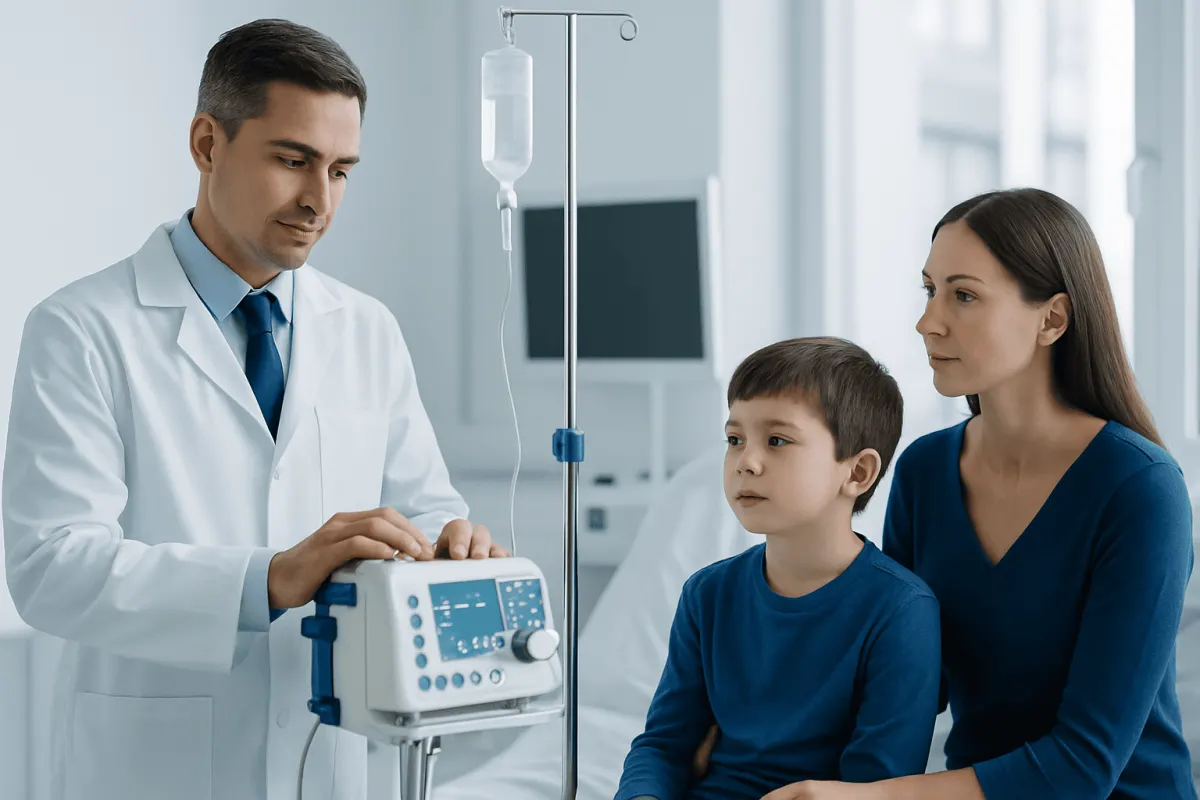
Research has included different cell types, sources and delivery methods, such as cells from umbilical cord tissue or blood and cells given by intravenous infusion. Because methods vary greatly, findings from one small study cannot be assumed to apply to another product, clinic or individual.
Cell-based therapies do have established roles in specific conditions, particularly certain blood and immune disorders. That does not mean they are effective for neurodevelopmental conditions. Families can learn more about established stem cell transplantation uses by discussing their situation with an appropriately qualified medical team.
Candidacy and What a Research Procedure May Involve
There is no standard clinical candidacy pathway for stem cell treatment for autism because it is not routine care. If a person is considering participation in a legitimate clinical trial, eligibility may depend on age, diagnosis, medical history, current medications, co-occurring conditions and the specific research protocol.
A responsible research team should explain the study purpose, alternatives, possible risks, expected visits, privacy protections and the right to withdraw. For children, parents or legal guardians provide consent, while the child’s understanding and agreement should be considered in an age-appropriate way. Independent ethical review and formal trial registration are important safeguards.
The exact procedure depends on the protocol. It may begin with developmental and medical assessments, blood tests and screening for infection or other safety concerns. If cells are administered, this is commonly described as an infusion through a vein in research settings; more invasive routes should prompt especially careful discussion of the rationale and risks.
Families should be cautious if a provider says all autistic people qualify, discourages involvement of the child’s usual clinicians, requires substantial out-of-pocket payment for an unproven intervention, or promises dramatic improvement. These are not features of evidence-based autism care.
Recovery Timeline, Potential Benefits and Risks
There is no established recovery timeline or expected result for stem cell therapy in autism. After an infusion in a research setting, a person may be observed for immediate reactions and given instructions about symptoms that require medical attention. Follow-up may include physical examinations and structured developmental or behavioral assessments over months or longer.
Some early studies have reported changes in selected outcomes, but they have generally been small, limited in size or design, and not sufficient to establish effectiveness. Autism-related development also changes over time, and supportive services, expectations and observer bias can influence reported outcomes. A perceived improvement after a procedure does not by itself show that the cells caused it.
Potential harms depend on the product and method used. They can include fever, allergic or immune reactions, infection, clotting, contamination, pain or complications from sedation or invasive administration. Poorly regulated products can pose additional risks, including transmission of infection or unexpected tissue growth. Long-term safety for autism has not been established.
Evidence-based support should not be delayed while pursuing an experimental option. Communication support, appropriate education, occupational therapy when helpful, mental health care and management of sleep, feeding, gastrointestinal or seizure-related concerns can make a meaningful difference in daily life.
How Successful Is Stem Cell Therapy for Autism?
Stem cell therapy for autism cannot currently be described as successful in a reliable, evidence-based way. Research to date is too limited and inconsistent to show that it safely improves the core characteristics of autism or quality of life across the autistic population. It is therefore not considered a standard treatment.
A well-designed treatment study needs enough participants, a suitable comparison group, clear outcome measures and long-term safety follow-up. Many early cell-therapy studies do not yet provide this level of evidence. Results from testimonials, before-and-after videos or uncontrolled reports are not a dependable way to judge effectiveness.
Families seeking help with ASD may benefit from a comprehensive developmental review and a plan tailored to the individual’s strengths, preferences and support needs. This can include assessment and care for related conditions such as anxiety, attention difficulties, sleep problems, epilepsy or gastrointestinal symptoms when present.
How Long Does It Take for Stem Cell Therapy to Work for Autism?
There is no known timeframe for stem cell therapy to work for autism because no stem cell intervention has been proven to produce consistent benefits. Claims that improvement should occur within days, weeks or months are not supported by established clinical evidence.
In a research study, follow-up periods may be used to look for possible changes and adverse effects. These monitoring schedules are designed for research and safety; they should not be interpreted as proof that an improvement is expected at a particular time.
Developmental support can also take time. Goals such as improving a person’s ability to communicate needs, cope with sensory demands, participate in school or work, or build daily living skills are usually reviewed over time and adjusted in partnership with the person and family.
Can Level 3 Autism Improve? Is There a Cure for Autism Spectrum Disorder?
People described as having level 3 autism have very substantial support needs in the areas assessed, but abilities, comfort and participation can improve with respectful, individualized support. The level can vary by setting and may change over time. Progress does not require a person to become less autistic; meaningful outcomes can include safer communication, greater autonomy, reduced distress and better access to education, relationships and community life.
There is currently no cure for autism spectrum disorder. Autism is not an illness that needs to be cured, and interventions should not aim to erase an individual’s identity. Care should instead address the person’s goals and health needs, while respecting neurodiversity and using supports that are appropriate for their age and circumstances.
Families may wish to ask a pediatrician, developmental specialist, neurologist, psychologist or psychiatrist about a broad care plan. This may include speech and language support, occupational therapy, educational accommodations, family guidance and treatment for co-occurring medical or mental health conditions when needed.
At Acıbadem Health Point, multidisciplinary specialists in JCI-accredited hospitals can assess developmental and co-occurring health needs and help international patients understand appropriate care options.
When to Seek Medical Care
Medical advice is appropriate whenever there are developmental concerns, loss of previously acquired language or skills, difficulty with communication, distressing behavior, feeding problems, sleep disruption or challenges at school, home or work. An assessment can identify strengths, support needs and conditions that may be contributing to discomfort or changes in behavior.
Urgent medical care is needed for a seizure, serious injury, suspected poisoning, severe dehydration, breathing difficulty, thoughts of self-harm, behavior creating an immediate risk of harm, or a sudden major change in alertness or functioning. These symptoms may have causes unrelated to autism and should be assessed promptly.
Before considering any stem cell product, families should seek an independent opinion from a qualified clinician who knows the individual’s medical history. Questions should include whether the intervention is part of a registered, ethically approved clinical trial; what cells are used; how safety is monitored; and what evidence supports the proposed benefit.
- Continue established educational, communication and health supports unless the usual care team advises otherwise.
- Bring advertising materials or trial information to an appointment for review.
- Ask for clear written information about risks, alternatives and follow-up arrangements.
Frequently asked questions
01Is stem cell treatment for autism approved?
Stem cell treatment is not an established, routinely approved treatment for autism spectrum disorder. Some research studies may be conducted under formal oversight, but participation in a study is different from receiving proven clinical care. Families should discuss any offer with an independent qualified clinician.
02Can stem cells cure autism?
No. There is currently no evidence that stem cells cure autism. Autism is a lifelong neurodevelopmental condition, and care should focus on a person’s individual goals, wellbeing, communication and support needs.
03What are the risks of stem cell therapy for autism?
Risks can include infection, allergic or immune reactions, fever, clotting and complications related to the way cells are administered. Products offered outside properly regulated research may also have risks related to contamination, uncertain cell contents and inadequate safety follow-up.
04How can families identify a credible stem cell clinical trial?
A credible trial should have ethical review, clear informed-consent documents, a registered study record and transparent information about eligibility, cell source, potential risks and follow-up. It should not guarantee improvement or pressure families to pay for an unproven treatment. An independent doctor can help review the information.
05What treatments are supported for autism spectrum disorder?
Support is individualized and may include communication support, educational accommodations, occupational therapy, mental health care, family guidance and treatment for co-occurring conditions. The best plan reflects the autistic person’s preferences, strengths, daily challenges and health needs.
06Can an autistic child make progress without stem cell therapy?
Yes. Many autistic children develop skills and improve participation, communication and comfort with appropriate supports over time. Progress differs from person to person and should be measured by meaningful, individualized goals rather than a promise to eliminate autism.
This article is for general information only and is not a substitute for professional medical advice. Please consult a qualified doctor about your individual situation.
Explore treatments in Turkey — costs, top hospitals & a free quote
JCI-accredited · board-certified surgeons · reply within 24h
Add us as a Preferred Source to see more of our trusted health content across Google Search, AI Overviews and Discover.