Tee Heart Test Side Effects: What to Expect and When to Seek Help

Key Takeaways
- Most TEE heart test side effects are mild and temporary, especially throat discomfort from the probe.
- Serious complications are uncommon, but trouble breathing, chest pain, heavy bleeding, or persistent swallowing problems need prompt evaluation.
- Fasting, sedation, and review of medical history help lower risk before the test.
- Recovery usually involves rest, waiting for the throat numbness to wear off, and resuming eating only when the care team says it is safe.
- People with certain conditions, such as esophageal disease, bleeding disorders, or breathing problems, may need extra planning before a TEE.
A transesophageal echocardiogram, or TEE, is a detailed heart ultrasound that is generally safe, but it can cause short-lived side effects such as a sore throat, mild swallowing discomfort, or a dry mouth. Most people recover quickly, yet it is important to know which symptoms are expected and which ones should prompt medical attention.
Overview
A transesophageal echocardiogram, commonly called a TEE, is a heart ultrasound done with a thin probe placed in the esophagus so clinicians can obtain very clear images of the heart and nearby blood vessels. Because the probe passes through the throat and esophagus, people often want to know about TEE heart test side effects before scheduling the exam.
In most cases, the effects are mild and short-lived. A sore throat, temporary numbness from local anesthetic, mild hoarseness, or a dry mouth are among the more common aftereffects. Serious problems are uncommon, but it is still important for patients to understand what is normal, what is not, and how the test fits into a broader cardiac evaluation.
For international patients, a TEE may be part of a planned workup before treatment, surgery, or follow-up care. Knowing what to expect helps with travel planning, medication review, and recovery arrangements, especially when the person will be returning home soon after the procedure.
Symptoms and Common Side Effects After a TEE
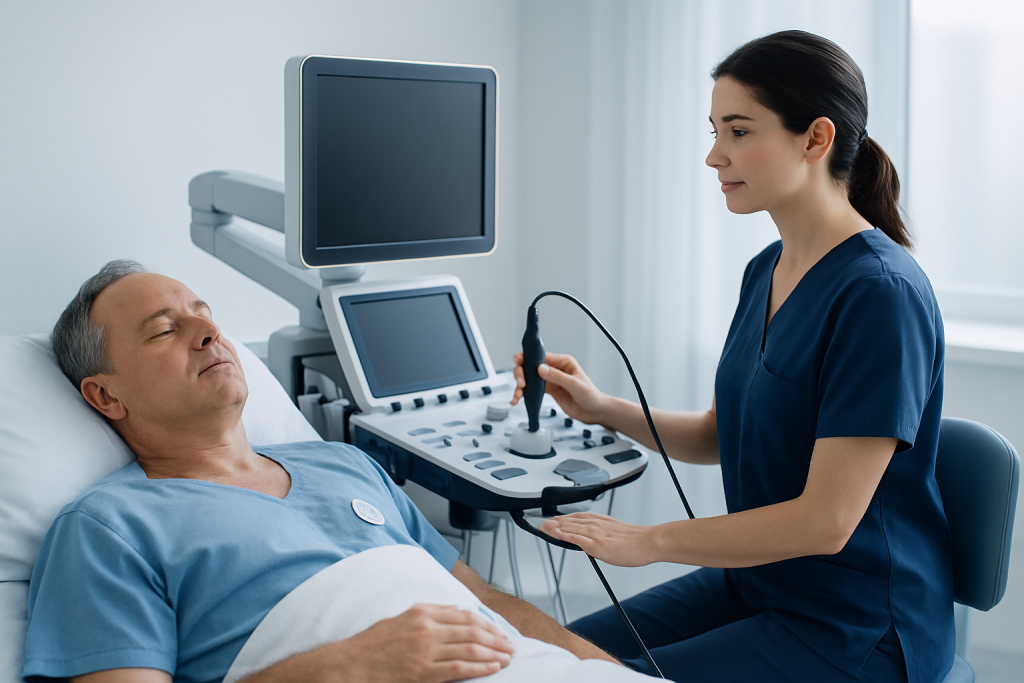
Most people notice the throat first. The scope used during a TEE can leave the throat feeling irritated or scratchy for several hours, and some patients describe mild discomfort when swallowing. A temporary hoarse voice or numb mouth is also common because the throat is usually numbed before the test and sedation may be used to help the person stay relaxed.
Other short-term effects can include sleepiness, lightheadedness, or a feeling of being a little unsteady after sedation. These usually improve as the medicine wears off. Some patients also report minor bloating from swallowed air, although this is typically brief and self-limited.
- Sore or dry throat
- Mild difficulty swallowing for a short time
- Hoarseness
- Sleepiness or slowed reaction time after sedation
- Temporary numbness in the mouth or throat
These symptoms are usually expected and manageable. They should gradually settle over the same day, although throat irritation can occasionally linger a little longer.
Causes and Risk Factors for TEE Side Effects

The main reason for side effects is the physical passage of the probe through the mouth and esophagus. Even though the instrument is designed to be slim and flexible, it can still irritate delicate tissue. Local anesthetic spray or gel, which helps reduce gagging, can contribute to numbness and the feeling that swallowing is “off” for a short period.
Sedation is another factor. It is commonly used to make the test more comfortable, but it may cause drowsiness, slower reflexes, or temporary confusion in sensitive individuals. Older adults and people who already take medications that cause sleepiness may feel these effects more noticeably.
Certain health conditions can increase the chance of more significant issues. These include known esophageal narrowing, severe reflux with tissue damage, swallowing disorders, bleeding problems, a history of esophageal surgery, or respiratory illness that makes sedation more complex. The care team will usually review these factors before deciding whether TEE is appropriate and how to perform it as safely as possible.
Diagnosis and What Happens During the Test
A TEE is ordered when clinicians need images that standard chest ultrasound cannot provide clearly enough. It may help evaluate heart valves, look for blood clots, assess infection of the heart lining, or guide certain procedures. The test is usually chosen for diagnostic clarity rather than convenience, so preparation matters.
Before the procedure, the team typically reviews medical history, allergies, medications, swallowing concerns, and any prior reactions to sedation. Patients are often asked to fast beforehand so the stomach is empty. During the test, monitoring equipment tracks heart rate, blood pressure, and oxygen levels while the probe is gently guided into the esophagus.
The exam itself is usually brief, but the entire visit includes preparation and recovery time. Afterward, patients remain under observation until they are alert enough to go home or return to the hospital room. Because throat numbness and sedation can affect swallowing and coordination, the team will advise when it is safe to drink or eat again.
Treatment Options and How Side Effects Are Managed
Most TEE side effects do not require specific treatment beyond time, rest, and simple comfort measures. Warm fluids may help once swallowing is fully back to normal, and soft foods can be easier on the throat if the care team approves eating. Rest is important if sedation was used, especially because alertness and balance may be reduced for several hours.
If throat discomfort is more than mild, clinicians may suggest routine pain relief that is safe for the individual’s medical history. However, patients should not start new medicines without guidance, particularly if they take blood thinners, have liver or kidney concerns, or were told to avoid certain drugs. The care team can also advise on what to do if nausea, coughing, or prolonged irritation occurs.
Rarely, a TEE can cause more serious problems such as injury to the esophagus, bleeding, aspiration, or a reaction related to sedation. These are uncommon, but they are the reason the test is done with monitoring and trained staff. If an issue is suspected, treatment depends on the symptom and may range from simple observation to more urgent evaluation.
Prevention and Self-care Before and After the Procedure
Good preparation lowers the chance of discomfort and helps the test run smoothly. Patients should follow fasting instructions exactly, bring a complete medication list, and tell the team about any swallowing difficulty, reflux disease, past throat or esophageal surgery, allergies, or previous problems with anesthesia or sedation. For international patients, it is helpful to plan the day so there is time for recovery before travel or sightseeing.
After the test, self-care is mostly about safety and pacing. Do not eat or drink until the throat numbness has worn off and the team says it is safe. Avoid driving, signing important documents, or making major decisions until sedation has fully cleared. If the throat feels sore, use gentle foods and fluids as advised by the clinical team.
Practical planning can reduce stress for patients traveling from another country. It is wise to arrange a companion, keep the procedure report accessible, and confirm how follow-up results will be shared across borders. Acibadem Health Point’s multidisciplinary specialists and JCI-accredited hospitals diagnose and treat heart conditions for international patients, with coordinated care that supports both the procedure and the next steps.
When to See a Doctor
Most aftereffects of a TEE improve on their own, but certain symptoms should not be ignored. Patients should contact a doctor promptly if they develop persistent chest pain, shortness of breath, severe trouble swallowing, vomiting blood, coughing up blood, black stools, or a fever after the procedure.
Medical attention is also important if throat pain becomes worse instead of better, if hoarseness lasts longer than expected, or if the person cannot keep down fluids. Symptoms of aspiration, such as ongoing coughing, wheezing, or breathing difficulty after the test, should be assessed quickly.
If the patient has a history of esophageal disease, bleeding problems, or a complex medical condition, it is reasonable to ask for clear post-procedure instructions before leaving the facility. A well-informed discharge plan can make recovery safer and less stressful.
Frequently asked questions
01Is a TEE heart test painful?
A TEE is usually uncomfortable rather than painful because the throat is numbed and sedation may be used. Most people feel pressure, a gagging sensation at the start, or a sore throat afterward. The discomfort is usually temporary.
02How long do TEE heart test side effects last?
Common side effects such as throat irritation, dry mouth, or sleepiness usually improve within hours, although mild throat soreness can last into the next day. If symptoms are getting worse or do not settle, the patient should contact the care team.
03Can I eat after a TEE?
Patients should wait until the throat numbness has fully worn off and the clinician says it is safe. Eating too early can raise the risk of choking or aspiration. Soft foods and fluids are often easiest at first.
04What are the serious risks of a TEE?
Serious complications are uncommon, but they can include esophageal injury, bleeding, breathing problems, or a reaction to sedation. These risks are one reason the test is done with careful screening and monitoring.
05Who should tell the doctor about swallowing problems before a TEE?
Anyone with trouble swallowing, esophageal narrowing, severe reflux disease, prior esophageal surgery, or a history of bleeding should mention it before the test. These details help the team decide whether extra precautions or another test would be safer.
06Can I travel home after a TEE on the same day?
Many patients can travel home the same day if they are stable and fully awake, but they should not drive themselves after sedation. International patients should confirm the discharge plan, follow-up timing, and who to contact if symptoms occur after they leave.
This article is for general information only and is not a substitute for professional medical advice. Please consult a qualified doctor about your individual situation.
Persistent digestive symptoms? Get evaluated in Turkey
JCI-accredited · board-certified surgeons · reply within 24h
Add us as a Preferred Source to see more of our trusted health content across Google Search, AI Overviews and Discover.