Stem Cell Therapy for Diabetes: Current Research and Limits
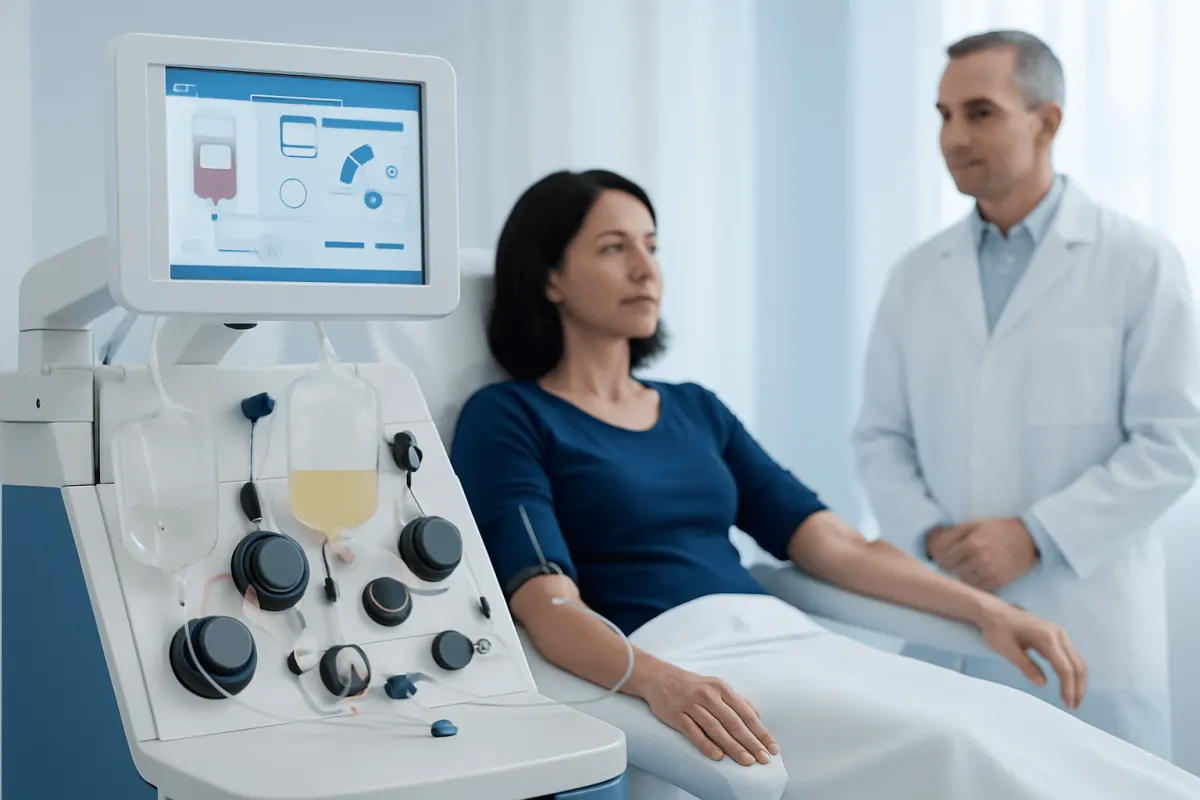
Stem cell therapy for diabetes aims to replace or restore insulin-producing cells, mainly for selected people with type 1 diabetes. Although research results are encouraging in carefully controlled studies, most stem cell-based approaches remain investigational and do not replace established diabetes care.
Overview: What Stem Cell Therapy for Diabetes Means
Stem cell therapy for diabetes is an emerging treatment approach designed to replace, protect or regenerate the pancreatic beta cells that make insulin. It is being studied most actively for type 1 diabetes, an autoimmune condition in which the immune system destroys beta cells. The aim is to help the body produce insulin again and reduce dependence on injected or pumped insulin.
In many studies, researchers grow insulin-producing cells from stem cells in a laboratory and then place these cells into the body through an infusion or implanted device. Other approaches involve donor pancreatic islets rather than laboratory-grown cells. These methods are related but not identical, and each has different eligibility requirements, benefits and risks.
At present, stem cell therapy for diabetes should be viewed as a developing field rather than a standard diabetes cure. Insulin, glucose monitoring, nutrition support and regular medical review remain essential for most people. Established care for diabetes should not be stopped or changed without guidance from a qualified clinician.
How Stem Cell-Based Treatments May Work
The pancreas contains beta cells that release insulin in response to rising blood glucose. In type 1 diabetes, beta cells are greatly reduced or absent. Stem-cell-derived therapies attempt to provide new cells that can sense glucose and release insulin in a more physiologic way.
Scientists may start with pluripotent stem cells, which can be guided in the laboratory to become pancreatic islet-like cells. After quality and safety testing, these cells may be infused into a blood vessel leading to the liver or placed inside a device implanted under the skin. Encapsulation devices are designed to protect cells from immune attack while allowing oxygen, nutrients and insulin to pass through, though this technology is still being refined.
Donor islet transplantation uses islets obtained from a deceased donor pancreas. It can improve severe, recurrent hypoglycemia in a small group of carefully selected adults, but donor tissue is limited and recipients usually need long-term medicines to suppress the immune system. Stem-cell-derived cell products may eventually address the cell-supply limitation, but immune rejection and autoimmune recurrence remain important challenges.
Who May Be Considered a Candidate?

Eligibility depends on the exact therapy and whether it is offered within a clinical trial, an approved specialized program or an experimental protocol. Current research usually focuses on adults with type 1 diabetes, especially those with severe hypoglycemia, impaired awareness of low blood glucose or unstable glucose levels despite optimized insulin treatment and expert support.
Evaluation commonly includes diabetes history, glucose records, insulin requirements, kidney and liver function, heart health, infection screening and immune-system assessment. Teams also consider whether a person can safely attend frequent follow-up visits and take medicines as prescribed if immune suppression is required.
Type 2 diabetes is more complex because insulin resistance, body weight, cardiovascular risk and gradual beta-cell dysfunction may all contribute. Stem cell approaches for type 2 diabetes are being researched, but they are not established routine treatment. People who are pregnant, have active infection, certain cancers, serious organ disease or an inability to use immune-suppressing therapy may not be suitable for some approaches.
- A specialist assessment is needed before considering any cell-based treatment.
- Participation in a regulated clinical trial may be appropriate for some eligible people.
- Promises of a universal cure, especially without clear regulatory oversight, should be treated cautiously.
Stem Cell Therapy Procedure: Step by Step
The process begins with consultation by an endocrinology team and, when relevant, transplant specialists. The team confirms the diabetes diagnosis, reviews current treatment, discusses realistic goals and explains alternatives. If a clinical trial is considered, the consent process should clearly explain that the treatment is investigational and that benefit cannot be guaranteed.
Before cell delivery, patients may have blood tests, imaging, infection screening and medication review. Some protocols include immune-suppressing treatment before or after the procedure to help the new cells survive. This can be a major part of the decision because these medicines carry meaningful long-term risks.
In an infusion-based procedure, cells may be delivered through a catheter into a blood vessel that supplies the liver, where cells can settle and function. In device-based studies, a surgeon places a small cell-containing device under the skin, usually during a minor operation. The specific steps, anesthesia and hospital stay depend on the product and research protocol.
Afterward, glucose is monitored closely. Insulin is generally continued at first and adjusted only by the diabetes team as evidence of cell function develops. People exploring advanced cell or transplant-based care should seek advice through a regulated program such as stem cell therapy evaluation and treatment planning.
Recovery Timeline, Monitoring and Daily Care
Recovery after stem cell therapy is not one fixed timeline. After a simple infusion or minor implant procedure, soreness, tiredness or local discomfort may settle over days to a few weeks. However, the medically important recovery period is much longer because clinicians need to monitor cell function, glucose patterns and possible immune reactions.
Follow-up may include frequent blood glucose reviews, continuous glucose monitor data, HbA1c testing, C-peptide testing to assess insulin production, liver tests and checks for medication side effects. In early stages, people should expect to continue insulin and follow their existing diabetes plan unless their clinical team recommends a carefully supervised adjustment.
When immune-suppressing medicines are used, follow-up also includes monitoring for infection, kidney effects, blood pressure changes and other complications. Patients may be advised to avoid certain exposures, keep vaccinations up to date where appropriate and promptly report fever or other signs of infection.
Acıbadem Health Point’s multidisciplinary specialists and JCI-accredited hospitals support international patients requiring assessment and coordinated care for complex diabetes and transplant-related conditions.
Potential Benefits, Limits and Risks
The potential benefit is improved natural insulin production. In successful early studies, some participants have produced measurable insulin, spent more time within their target glucose range, reduced insulin doses or become temporarily insulin-independent. These outcomes can be especially meaningful for people with difficult-to-manage hypoglycemia.
However, outcomes are not uniform. Cell function may decline over time, and a person may still need insulin. Researchers are still determining how long implanted or infused cells can function, which individuals benefit most and how to protect cells from both immune rejection and the autoimmune process that caused type 1 diabetes.
Risks can include bleeding, clotting or liver-related complications with certain infusion techniques; pain, infection or device-related problems after implantation; and immune rejection of transplanted cells. Immune-suppressing medicines can raise susceptibility to infection and may affect kidney function, blood pressure and cancer risk. These potential harms must be weighed carefully against the expected benefit.
Patients should avoid treatments marketed as stem cell cures when the clinic cannot clearly identify the cell source, regulatory oversight, evidence from peer-reviewed trials, expected risks and follow-up arrangements. A legitimate program should welcome questions and coordinate care with the person’s regular diabetes clinician.
When to Seek Medical Care
Anyone considering stem cell therapy for diabetes should first speak with an endocrinologist or diabetes specialist. A referral to a transplant or clinical-trial center may be considered when type 1 diabetes remains difficult to manage despite modern insulin delivery, glucose monitoring, education and individualized support.
Urgent medical care is needed for symptoms of severe hypoglycemia, including confusion, seizure, loss of consciousness or inability to swallow safely. Prompt assessment is also important for possible diabetic ketoacidosis symptoms, such as vomiting, abdominal pain, deep or rapid breathing, marked drowsiness or very high glucose with ketones.
After any cell-based procedure, patients should contact their care team promptly for fever, worsening pain, redness or drainage at an implant site, unusual bleeding, yellowing of the skin or eyes, severe abdominal pain, breathing difficulty or major unexplained changes in glucose levels. These symptoms do not always indicate a serious complication, but they deserve timely professional assessment.
Frequently asked questions
01How successful is stem cell therapy for diabetes?
Early clinical studies have shown that some people with type 1 diabetes can regain measurable insulin production and, in selected cases, reduce or temporarily stop insulin use. Success varies by treatment method, patient characteristics and the need for immune suppression. Long-term durability and safety are still being studied, so it is not considered a routine cure for diabetes.
02How long is recovery after stem cell therapy?
Physical recovery from an infusion or small implant procedure may take days to a few weeks, depending on the method used. Clinical recovery and monitoring take much longer because the team needs to assess glucose control, new cell function and possible immune or medication-related effects. Insulin is usually continued initially and changed only under close medical supervision.
03Can you live 20 years after a stem cell?
Stem cell therapy does not have a single expected survival timeline, and receiving stem cells does not determine how long a person will live. Some stem cell treatments, such as bone marrow transplantation for blood diseases, have decades of follow-up, but diabetes-specific stem-cell-derived treatments are much newer. Long-term outcomes for these diabetes therapies are still being established.
04Did China reverse diabetes with stem cells?
Research groups in China and elsewhere have reported promising individual cases and early studies involving cell-based approaches for diabetes. These reports are important for research, but they do not prove that diabetes has been broadly or permanently cured. Results need confirmation in larger, well-controlled trials with long-term follow-up.
05Is stem cell therapy approved for type 1 diabetes?
Approval status differs by country and by the specific product or procedure. Some forms of islet transplantation may be available in specialized circumstances, while many stem-cell-derived therapies remain in clinical trials or limited regulatory pathways. A diabetes specialist can help verify whether a proposed treatment is properly regulated in the country where it is offered.
06Will stem cell therapy replace insulin for everyone with diabetes?
No. Even in research settings, not everyone responds in the same way, and some people continue to need insulin. Type 2 diabetes also involves insulin resistance and other metabolic factors that cell replacement alone may not address. Insulin remains a safe, essential treatment for many people with diabetes.
This article is for general information only and is not a substitute for professional medical advice. Please consult a qualified doctor about your individual situation.
Explore treatments in Turkey — costs, top hospitals & a free quote
JCI-accredited · board-certified surgeons · reply within 24h
Add us as a Preferred Source to see more of our trusted health content across Google Search, AI Overviews and Discover.