Diabetes: An Evidence-Based Guide for Patients

Feeling thirsty all the time, or making more trips to the bathroom than usual? These are often the first clues that blood sugar is running high. Diabetes is a long-term condition in which your body can’t regulate blood sugar properly — either because it doesn’t make enough insulin, can’t use insulin effectively, or both.
Here’s the good news: with early diagnosis, regular monitoring, and a care plan built around you, many people with diabetes live active, healthy lives and lower their risk of complications.
Overview
Diabetes is a condition that causes blood sugar, also called blood glucose, to remain too high. This happens when the body does not make enough insulin, cannot use insulin well, or both. Insulin is a hormone that helps glucose move from the bloodstream into the body’s cells to be used for energy.
There are several forms of diabetes. Type 1 diabetes develops when the body’s immune system damages the insulin-producing cells in the pancreas. Type 2 diabetes is more common and usually involves insulin resistance, meaning the body does not respond to insulin effectively. Gestational diabetes develops during pregnancy and needs careful monitoring for the health of both parent and baby.
Diabetes can be managed — but don’t ignore it. Over time, high blood sugar can affect your blood vessels and nerves, raising the risk of eye disease, kidney disease, heart disease, stroke, and foot problems. The earlier you understand what’s happening, the sooner you can take practical steps to protect your long-term health.
How diabetes affects the body

After eating, carbohydrates are broken down into glucose, which enters the bloodstream. The pancreas normally releases insulin to help glucose enter muscle, fat, and liver cells. In diabetes, this process is disrupted, so glucose stays in the blood rather than being used efficiently by the body.
When blood sugar stays elevated for long periods, it can slowly damage small and large blood vessels. This is why diabetes is linked with problems such as retinopathy in the eyes, neuropathy in the nerves, nephropathy in the kidneys, and a higher risk of cardiovascular disease. Some people may also develop wounds that heal slowly, especially on the feet.
Diabetes doesn’t look the same in everyone. Some people have mild symptoms at first; others notice sudden changes. Think of it as a long-term metabolic condition that needs ongoing attention — not a problem one treatment can fix.
Patients who need specialist assessment for complex blood sugar problems or hormone-related concerns may be referred for endocrinology care. If diabetes-related issues involve multiple organs, coordinated care across specialties can be especially helpful.
Symptoms and signs

Diabetes symptoms may develop gradually or appear quite suddenly, depending on the type. Common symptoms include increased thirst, frequent urination, increased hunger, tiredness, blurred vision, and unexplained weight loss. Some people also notice dry mouth, recurrent infections, itchy skin, or cuts and sores that heal slowly.
Type 1 diabetes often develops more quickly and may cause marked thirst, weight loss, and fatigue over a short period. Type 2 diabetes can be more subtle. Many people have no clear symptoms at first and are diagnosed only after a routine blood test or after complications begin to appear.
Sometimes the first clue is something else entirely — tingling or numbness in the feet, repeated urinary tract or yeast infections, or vision that keeps getting worse. Children, adults, and older people can all be affected, though the pattern of symptoms may differ. If you notice a persistent change in your energy, thirst, urination, or vision, get it checked.
- Frequent urination, especially at night
- Increased thirst or dry mouth
- Fatigue or reduced stamina
- Blurred vision
- Slow healing of cuts or skin infections
- Numbness or tingling in the hands or feet
Causes and risk factors
The causes of diabetes vary by type. Type 1 diabetes is considered an autoimmune condition. The immune system mistakenly attacks the insulin-producing beta cells in the pancreas, eventually reducing or stopping insulin production. The exact reason this happens is not fully understood, but genetic and environmental factors are thought to play a role.
Type 2 diabetes develops through a combination of insulin resistance and a gradual decline in insulin production. Risk factors include a family history of diabetes, excess body weight, low physical activity, increasing age, a history of gestational diabetes, high blood pressure, abnormal cholesterol levels, and certain ethnic backgrounds. However, type 2 diabetes can also occur in people who do not fit the typical risk profile.
Gestational diabetes is linked to hormonal changes during pregnancy that can make the body less responsive to insulin. Women who have had gestational diabetes have a higher risk of developing type 2 diabetes later in life. Some patients may also be told they have prediabetes, meaning blood sugar is higher than normal but not yet in the diabetes range. Prediabetes is an important warning sign because early lifestyle changes can reduce progression.
If you have risk factors or borderline blood tests, it’s worth being assessed for related metabolic conditions such as diabetes or obesity — in everyday practice, these often go hand in hand.
Diagnosis and ongoing monitoring
Diabetes is diagnosed with blood tests rather than symptoms alone. Common tests include fasting plasma glucose, HbA1c, and the oral glucose tolerance test. In some cases, a random blood glucose level may support the diagnosis when clear symptoms are present. These tests help doctors determine whether a person has diabetes, prediabetes, or another glucose-related problem.
Once diabetes is diagnosed, further evaluation helps identify the type and guide treatment. A doctor may review medical history, family history, medications, weight changes, blood pressure, and signs of complications. Additional tests can include kidney function tests, cholesterol levels, urine tests for protein, and eye and foot assessments. In selected cases, antibody testing or C-peptide testing may help distinguish type 1 from type 2 diabetes.
Monitoring continues after diagnosis because treatment needs can change over time. HbA1c reflects average blood sugar over the previous two to three months and is widely used to assess long-term control. Daily or periodic home glucose monitoring may also be recommended, depending on the treatment plan.
If symptoms suggest complications or another underlying endocrine condition, clinicians may use targeted testing and imaging. In some situations, a structured medical check-up can help identify diabetes and related cardiovascular or kidney risks before symptoms become advanced.
Treatment options
Diabetes treatment is individualized. The main goals are to keep blood sugar in a healthy range, relieve symptoms, and lower the risk of complications. Treatment usually combines education, nutrition planning, regular physical activity, and medicines when needed. Some people manage with lifestyle changes alone at first, while others need tablets, injectable medicines, insulin, or a combination.
Type 1 diabetes requires insulin because the body no longer produces enough of it. Type 2 diabetes may be treated with lifestyle changes and non-insulin medicines at first, but some patients eventually need insulin as well. Treatment decisions depend on blood sugar levels, symptoms, other medical conditions, and how long diabetes has been present. Doctors also often address blood pressure, cholesterol, and weight as part of complete care.
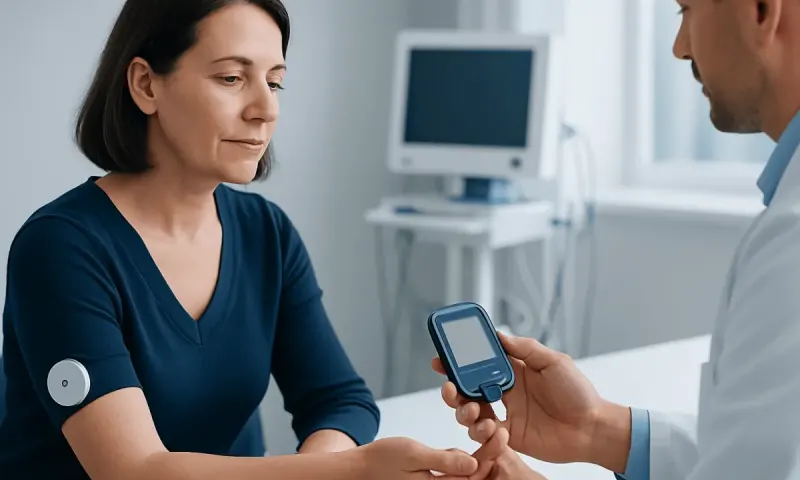
Technology can support treatment. Depending on the patient’s needs, glucose meters, continuous glucose monitoring systems, or insulin delivery devices may be recommended. Education is equally important, including learning how food, activity, illness, and stress affect blood sugar.
Some people with obesity and type 2 diabetes may be evaluated for metabolic or obesity surgery when appropriate, as this can improve blood sugar control in selected cases. Care is usually most effective when guided by a team that may include endocrinologists, dietitians, diabetes nurses, eye specialists, kidney specialists, and cardiologists.
Prevention and self-care
You can’t prevent every form of diabetes, but healthy habits can lower your risk of type 2 diabetes and help you manage the condition well if you already have it. What does that look like in practice? Balanced meals, regular physical activity, a healthy weight, enough sleep, taking your medicines as prescribed, and keeping your follow-up appointments. Small, steady changes usually beat extreme restrictions.
Meal planning doesn’t need to be complicated. Focus on portion sizes, regular meal times, vegetables, whole grains, and lean proteins, and cut back on highly processed foods and sugary drinks. Physical activity improves insulin sensitivity and heart health — and it counts even if you start slowly.
Foot care is another key part of self-management. People with diabetes should inspect their feet regularly, wear well-fitting shoes, and seek care for blisters, wounds, color changes, or numbness. Routine eye exams and kidney checks are also important because early complications may not cause symptoms.
Smoking cessation, blood pressure control, and cholesterol management are essential parts of prevention, as diabetes and cardiovascular disease are closely connected. Patients who need broader support may benefit from coordinated care that includes cardiology evaluation when heart risk factors are present.
When to seek medical care
A doctor should be consulted if symptoms such as excessive thirst, frequent urination, unexplained weight loss, blurred vision, persistent fatigue, numbness in the feet, or recurrent infections develop. Medical advice is also important if blood sugar readings are repeatedly above the target range, medicines seem to cause side effects, or diabetes becomes harder to manage during illness, pregnancy, or major life changes.
Seek urgent care for warning signs of very high or very low blood sugar, severe dehydration, confusion, vomiting, fainting, chest pain, shortness of breath, or a foot wound that looks infected. These can signal a serious problem that needs prompt treatment. If you feel unwell and can’t keep fluids down, or your symptoms are getting worse fast, don’t wait.
Near the end of the care journey, some patients also need multidisciplinary support for complications affecting the eyes, kidneys, nerves, or circulation. Acıbadem Health Point’s multidisciplinary specialists and JCI-accredited hospitals diagnose and treat diabetes for international patients, with care plans tailored to the individual’s medical needs.
Frequently asked questions
01What is diabetes in simple terms?
Diabetes is a condition in which the body cannot keep blood sugar at a healthy level. This happens because the body does not make enough insulin, cannot use insulin properly, or both.
02What are the first signs of diabetes?
Early signs often include increased thirst, frequent urination, fatigue, blurred vision, and slow healing of cuts. Some people also notice unexplained weight loss or repeated infections, while others have no symptoms at first.
03What is the difference between type 1 and type 2 diabetes?
Type 1 diabetes is caused by damage to the insulin-producing cells in the pancreas, so the body makes little or no insulin. Type 2 diabetes usually develops when the body becomes resistant to insulin and later may not make enough of it.
04Can diabetes be cured?
At present, diabetes is usually managed rather than cured. However, many people can achieve excellent blood sugar control, and some people with type 2 diabetes may reach remission with substantial lifestyle change or specific treatments.
05How is diabetes diagnosed?
Doctors diagnose diabetes with blood tests such as fasting blood glucose, HbA1c, or an oral glucose tolerance test. Symptoms alone are not enough to confirm the diagnosis, so proper testing is important.
06Can diabetes be prevented?
Type 1 diabetes cannot currently be prevented. The risk of type 2 diabetes can often be reduced through healthy eating, regular physical activity, weight management, and treatment of related risk factors such as high blood pressure.
This article is for general information only and is not a substitute for professional medical advice. Please consult a qualified doctor about your individual situation.
Heart care in Turkey — expert evaluation and treatment
JCI-accredited · board-certified surgeons · reply within 24h
Add us as a Preferred Source to see more of our trusted health content across Google Search, AI Overviews and Discover.
More from the Health Library
Blood Glucose Monitoring Device: An Evidence-Based Guide for Patients

Low Carb Diet for Diabetics: Evidence-Based Benefits, Risks, and Practical Guidance