Startle Disease (Hyperekplexia): Symptoms and Care
Startle disease hyperekplexia is a rare neurological disorder marked by an unusually strong reaction to sudden sound, touch, or movement, often followed by brief body stiffness. Although symptoms can be disruptive and sometimes lead to falls, specialist assessment and tailored treatment can help many people manage the condition safely.
Overview: what is startle disease hyperekplexia?
Startle disease hyperekplexia is a rare neurological condition in which the nervous system produces an exaggerated response to unexpected stimuli. A sudden sound, touch, movement, or visual event may trigger a powerful whole-body jerk, stiffening, or temporary inability to move normally. The reaction is involuntary and is much stronger than an ordinary startle reflex.
The term hyperekplexia is often used for the inherited form of the condition, also called hereditary hyperekplexia or startle disease. It most commonly begins at birth or in early infancy, although milder forms may be recognized later in childhood or adulthood. Some people have symptoms related to another neurological disorder, medication effect, or acquired brain condition; these situations need a different assessment and management plan.
Hyperekplexia is not simply being nervous or easily startled. It is a neurological problem involving the pathways that normally control the startle reflex and muscle tone. With appropriate evaluation, many people can reduce symptoms, prevent injuries, and better understand what to expect.
How symptoms may appear at different ages
The main feature is an excessive startle response. It may be caused by an abrupt noise such as a door closing, an unexpected touch, or a sudden movement nearby. A person may jerk forcefully, become rigid, lose balance, or fall. Awareness is usually preserved during a typical episode, which can help distinguish hyperekplexia from some seizure types, although a clinician must make that distinction carefully.
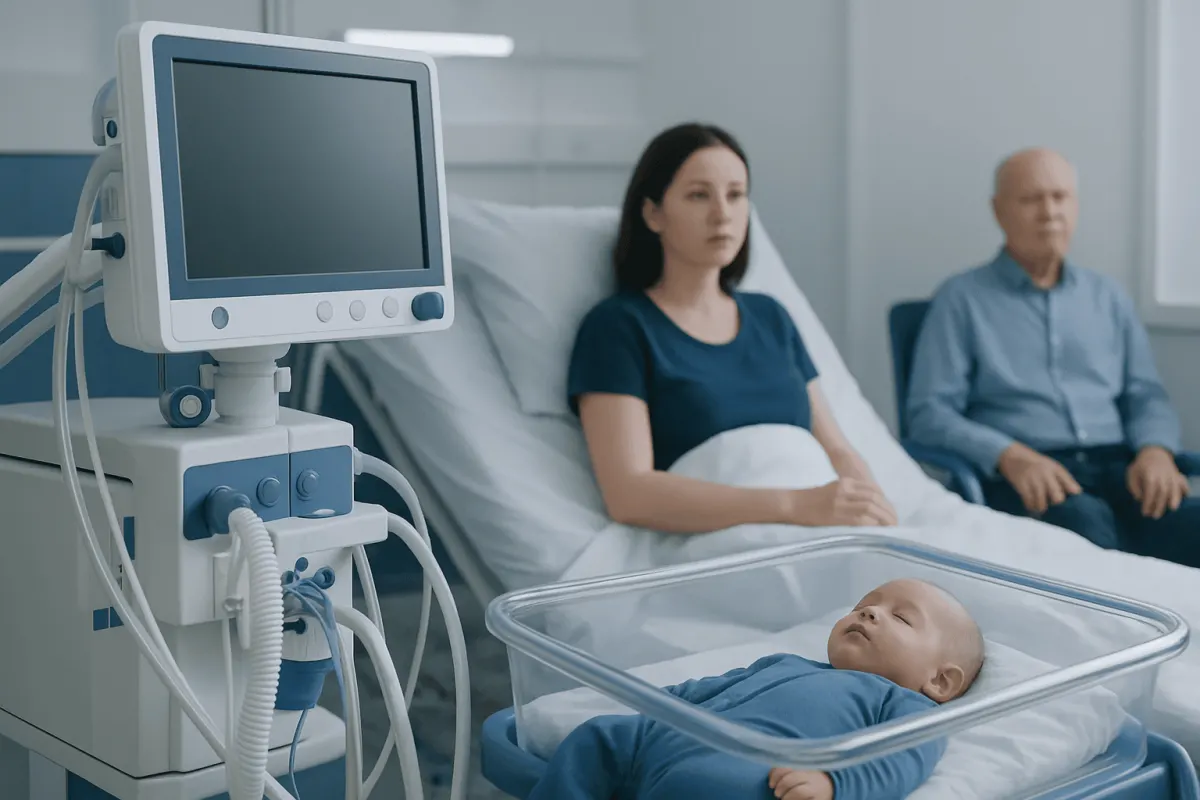
In newborns, symptoms can include generalized stiffness, especially when awake, an unusually strong startle to sound or touch, and short periods of rigid posture. In some infants, severe stiffness may interfere with feeding or breathing. Stiffness often becomes less prominent over time, while startle-triggered episodes and falls may continue in older children or adults.
Symptoms vary considerably. Some people experience only mild startle reactions and manage well with practical adjustments. Others have repeated falls or avoid busy, noisy settings because they anticipate an episode. Anxiety may develop as a consequence of unpredictable symptoms, but anxiety itself is not the underlying cause of hereditary hyperekplexia.
- Sudden, exaggerated jerking after unexpected stimuli
- Brief whole-body stiffness or rigid posture
- Falls without loss of consciousness, particularly after a surprise trigger
- Stiffness in infancy or early childhood
- Sleep disruption, fear of falling, or reduced confidence in daily activities
Why hyperekplexia happens and who may be affected

Hereditary hyperekplexia is usually caused by changes in genes involved in glycine signaling. Glycine is an important chemical messenger that helps dampen excessive activity in parts of the brainstem and spinal cord. When this inhibitory signaling does not work normally, the startle reflex can become unusually strong and muscle stiffness can occur.
Several genes have been associated with hereditary hyperekplexia, including genes that affect the glycine receptor or its related pathways. The condition may be inherited in different ways depending on the gene involved. A detailed family history can be useful, but the absence of affected relatives does not rule it out because a genetic change can occur for the first time in a child.
Not every exaggerated startle response is hereditary hyperekplexia. Similar symptoms may occur in epilepsy, movement disorders, functional neurological symptoms, reactions to medicines or substances, and certain brain or spinal cord disorders. This is why an accurate diagnosis is important before treatment is started. A neurologist may also consider related conditions such as myoclonus, which involves sudden involuntary muscle jerks but has different causes and patterns.
How diagnosis is made
Diagnosis begins with a careful description of the episodes. The clinician will ask what triggers them, how long they last, whether the person remains aware, whether falls occur, and when symptoms first appeared. Videos recorded safely by a family member or caregiver can sometimes help a specialist recognize the movement pattern, especially when episodes are difficult to reproduce in clinic.
A neurological examination assesses muscle tone, reflexes, gait, coordination, and other signs that may suggest an alternative explanation. In suspected hereditary hyperekplexia, the combination of early onset, exaggerated startle, stiffness, and a compatible family history can be highly informative. Genetic testing may confirm a causative gene change, support family counseling, and help clarify the diagnosis.
Additional tests are selected according to the individual situation. An electroencephalogram (EEG) may be used when seizures are a concern, while brain imaging or blood tests may be considered if symptoms started later in life or if there are unusual neurological findings. No single test alone diagnoses every case; clinicians interpret the results alongside the person’s symptoms and examination.
Modern treatment approaches and everyday support
Management is individualized and usually led by a neurologist with experience in movement disorders, epilepsy, or pediatric neurology. Medicines that enhance inhibitory signaling in the nervous system may reduce startle responses and stiffness. Clonazepam is commonly used for hereditary hyperekplexia, but the most suitable medicine, monitoring plan, and possible side effects depend on age, symptoms, other health conditions, and concurrent medicines.
Medication should only be started, adjusted, or stopped under medical supervision. Some treatments can cause drowsiness, affect balance, or require gradual dose changes. If symptoms are caused by another condition rather than hereditary hyperekplexia, treatment focuses on that underlying cause rather than assuming the same approach will be effective.
Practical support is an essential part of care. Physiotherapy may help with balance, mobility, confidence after falls, and safe movement strategies. Occupational therapy can help identify home, school, or workplace adaptations. For a person whose symptoms are associated with falls, a tailored physical therapy and rehabilitation program may support safe activity and function.
For infants with marked stiffness, families should receive individualized guidance from their clinical team on positioning, feeding, and responding to episodes. In some cases, caregivers are taught a brief flexion maneuver to interrupt prolonged neonatal stiffness, but this should only be learned directly from an experienced healthcare professional.
Safety, prevention, and self-care
Because unexpected stimuli cannot always be avoided, prevention focuses mainly on reducing the consequences of an episode. A clinician or therapist can assess personal fall risks and suggest changes based on the home environment, mobility, and symptom severity. Helpful measures may include good lighting, clear walking paths, nonslip footwear, secure handrails, and avoiding situations where a fall could cause serious harm.
Family members, teachers, colleagues, and close friends may benefit from a simple explanation of the condition. Knowing that a sudden touch or loud call from behind can trigger an episode may encourage others to approach calmly, speak before touching, and allow extra time in crowded or unpredictable environments. These adjustments are supportive, not a substitute for medical care.
Keeping a symptom record can help identify patterns, including common triggers, falls, sleep problems, medication effects, and changes over time. Regular sleep, general physical conditioning within safe limits, and attention to emotional wellbeing can also be useful. People should not stop driving, working, exercising, or attending school automatically, but should discuss safety and any needed restrictions with their treating clinician.
When to seek medical care
Medical assessment is recommended for repeated exaggerated startle episodes, unexplained stiffness, sudden falls, or movements that may be seizures. A prompt appointment with a doctor is particularly important when symptoms begin in infancy, when there is a family history of similar episodes, or when symptoms are affecting mobility, feeding, learning, work, or daily confidence.
Urgent medical care is needed if an infant has breathing difficulty, blue or gray color around the lips or skin, prolonged rigidity, feeding problems, or reduced responsiveness. Emergency assessment is also appropriate after a serious fall or head injury, for episodes with loss of consciousness, or if a new neurological symptom such as weakness, severe headache, or persistent confusion occurs.
Long-term outlook is often favorable when the condition is recognized and managed. Infant stiffness may improve with age, while startle sensitivity can persist to varying degrees. Follow-up helps clinicians adjust treatment, review safety, address side effects, and provide genetic counseling when appropriate. Acıbadem Health Point’s multidisciplinary specialists and JCI-accredited hospitals diagnose and treat neurological conditions for international patients.
Frequently asked questions
01Is startle disease hyperekplexia the same as epilepsy?
No. Hyperekplexia and epilepsy are different conditions, although they can sometimes look similar because both may involve sudden movements. In a typical hyperekplexia episode, the person is often aware and the event is triggered by an unexpected stimulus. A clinician may use the history, examination, and sometimes EEG testing to distinguish them.
02Can hyperekplexia be inherited?
Yes. The classic form, hereditary hyperekplexia, is caused by genetic changes that affect nerve signaling. Inheritance patterns differ by the specific gene, so genetic counseling can help families understand recurrence risks and testing options.
03Does hyperekplexia improve with age?
Stiffness that begins in infancy often becomes less severe over time. However, an exaggerated startle response and the risk of falls may continue into later childhood or adulthood. The long-term pattern varies, and follow-up with a neurologist helps guide treatment and safety planning.
04What triggers an episode of hyperekplexia?
Unexpected sound, touch, movement, or visual stimuli can trigger an episode. The trigger is usually suddenness rather than the stimulus being objectively dangerous or very loud. People often learn which situations are most likely to provoke symptoms, but complete trigger avoidance is not always practical.
05Can people with hyperekplexia exercise?
Many people can remain physically active, but the safest activity depends on their symptoms, fall risk, and treatment effects. A clinician or physiotherapist can recommend appropriate exercises and precautions. Activities involving heights, traffic, water, or hard surfaces may require extra planning if sudden falls occur.
06When should a baby with suspected hyperekplexia be seen urgently?
Urgent assessment is needed if a baby has stiffness accompanied by breathing difficulty, color changes, trouble feeding, prolonged episodes, or reduced alertness. These symptoms can have several possible causes and should not be managed at home without medical advice. Parents and caregivers should seek emergency care if they are concerned about the baby’s breathing or responsiveness.
This article is for general information only and is not a substitute for professional medical advice. Please consult a qualified doctor about your individual situation.
Explore treatments in Turkey — costs, top hospitals & a free quote
JCI-accredited · board-certified surgeons · reply within 24h
Add us as a Preferred Source to see more of our trusted health content across Google Search, AI Overviews and Discover.