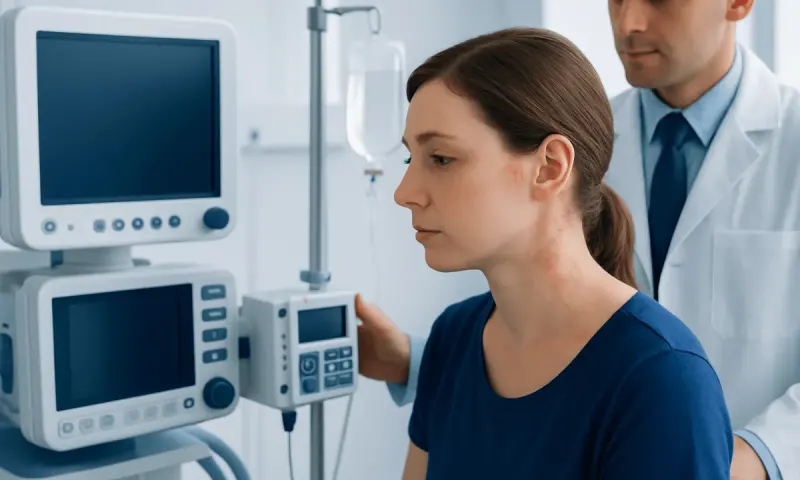
Stage 1 HS in the Groin: Early Signs and Care
Stage 1 hidradenitis suppurativa (HS) in the groin typically involves one or more recurring tender bumps or abscess-like lumps, but no sinus tracts (tunnels under the skin) or extensive scarring. Although it is the mildest Hurley stage, early assessment and a personalized plan can reduce discomfort, support skin healing, and help prevent repeated flares.
What stage 1 HS in the groin means
Stage 1 HS groin refers to early hidradenitis suppurativa affecting the groin, inner thighs, pubic area, buttocks, or nearby skin folds. Hidradenitis suppurativa is a long-term inflammatory condition involving hair follicles in areas where skin rubs together. It can produce tender, deep bumps that may resemble boils, pimples, or ingrown hairs.
Clinicians often describe HS severity using the Hurley staging system. In stage 1, isolated or repeated inflammatory lumps and abscesses may occur, but there are no sinus tracts, also called tunnels, beneath the skin and no widespread scarring. Symptoms can still be painful and disruptive, particularly because walking, exercise, underwear, and sexual activity can create friction in the groin.
Stage 1 does not mean symptoms should be ignored. Some people have occasional mild flares, while others experience frequent recurrences in the same area. Timely care can help confirm the cause of the lesions, address pain and drainage safely, and create a plan suited to the person’s symptoms and health needs.
How groin HS may look and feel
Early HS lesions often begin as sore, firm nodules under the skin. They may be red, swollen, warm, or sensitive to pressure. A lump may resolve over days or weeks, or it may enlarge and drain pus or blood-stained fluid. The drainage can have an odor, which may be distressing but is a recognized feature of inflamed lesions.
A key feature is recurrence. Lumps may return in the same spot or develop repeatedly around the groin and upper inner thighs. Unlike a single ordinary pimple, HS-related lumps tend to be deeper and more painful. However, many other conditions can cause groin lumps, so a clinician should assess persistent or recurring symptoms.
- Tender pea-sized or larger bumps beneath the skin
- Boil-like lesions that may open and drain
- Itching, burning, or discomfort before a flare becomes visible
- Repeated lesions in the groin, inner thigh, pubic, buttock, or underarm areas
- Small marks after healing, without extensive scar bands or tunnels in stage 1
Not every painful bump in the groin is HS. Folliculitis, ingrown hairs, cysts, sexually transmitted infections, and other skin conditions can sometimes look similar. A proper diagnosis is therefore important before starting treatment.
Why stage 1 HS develops and what can trigger flares

The exact cause of HS is not fully understood. It is not an infection caused by unclean skin, and it is not contagious. Current understanding suggests that blockage and inflammation around hair follicles, together with an overactive inflammatory response, contribute to lesion formation.
HS may run in families, and some people have a genetic tendency to develop it. Hormonal influences may also play a role, as symptoms commonly begin after puberty and may change around menstruation. Smoking and higher body weight are associated with more severe or more frequent HS in some people, but neither factor alone explains why a person develops the condition.
Daily factors can aggravate sensitive groin skin or precipitate flares. These can include heat, sweating, tight clothing, skin-on-skin friction, shaving-related irritation, and stress. Identifying personal patterns can be useful, but patients should not blame themselves for flares. HS is a medical inflammatory condition, and triggers vary from person to person.
How doctors diagnose early HS
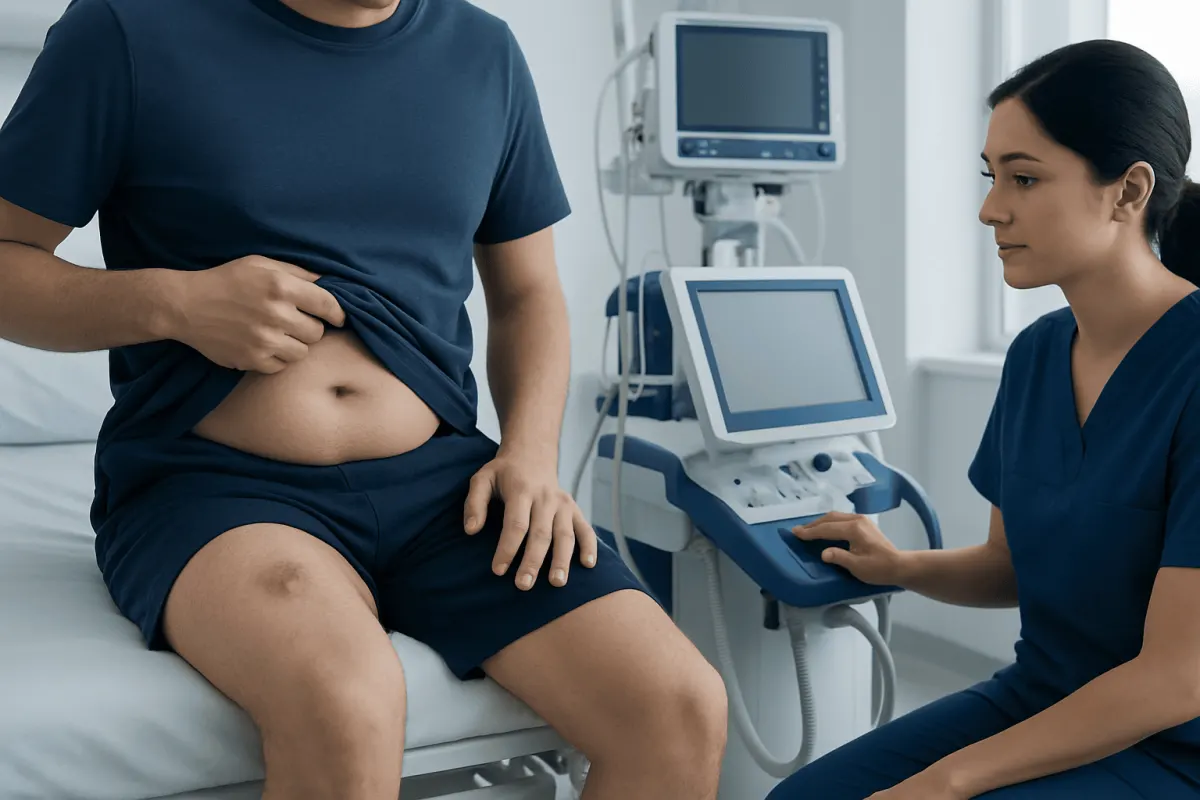
HS is primarily diagnosed clinically. A dermatologist or another qualified clinician will ask about when the lumps started, how often they return, whether they drain, and whether similar lesions occur in other body areas. They will examine the affected skin and look for signs of prior inflammation, scarring, or tunnels.
There is no single blood test, swab, or scan that confirms HS. Tests may be considered when the diagnosis is uncertain, when a lesion appears infected, or when another condition needs to be ruled out. A bacterial swab is not routinely required for every flare because HS itself is inflammatory, although secondary infection can occasionally occur.
Early lesions in the groin can be confused with recurrent boils or folliculitis. Keeping a brief symptom record may help: note the date of each flare, its location, drainage, pain level, menstrual timing where relevant, and possible friction or heat exposure. Photographs taken privately for a medical appointment can also help when lesions have healed before the visit.
Treatment options for stage 1 HS in the groin
Treatment for stage 1 HS aims to calm active inflammation, reduce pain, limit repeat flares, and protect the skin. The best approach depends on how often lesions occur, their location, whether they drain, other medical conditions, and the patient’s preferences. A dermatologist can recommend a plan and adjust it over time.
For localized mild disease, treatment may include a prescription topical antibiotic applied as directed. Some people may need other anti-inflammatory or antibiotic medicines for limited periods, especially when flares are frequent or more extensive. Pain relief, warm compresses, and appropriate wound dressings may also be recommended. Patients should avoid squeezing, cutting, or attempting to drain a lump at home because this can injure the skin and increase complications.
Occasionally, a clinician may provide an injection into a particularly painful inflamed lesion or discuss a procedure when a lesion does not settle. Incision and drainage may give short-term relief for a large abscess, but it does not prevent HS from recurring, so ongoing HS-focused care remains important. Related skin concerns can be evaluated through hidradenitis suppurativa care when specialist assessment is needed.
In complex, recurrent, or treatment-resistant cases, dermatology and surgical teams may work together. Acıbadem Health Point’s multidisciplinary specialists and JCI-accredited hospitals assess and treat HS for international patients, with care planned around the individual’s clinical needs.
Self-care that supports comfort and skin health
Self-care cannot replace medical treatment, but it can support comfort and may reduce avoidable irritation. During a flare, gentle cleansing, patting the area dry, and using a clean non-stick dressing for drainage can help protect the skin and clothing. A clinician or pharmacist can advise on suitable dressings for the groin area.
Loose, breathable underwear and clothing may reduce rubbing and moisture. Some people find it helpful to change out of sweaty clothing promptly after exercise. Avoiding close shaving or other hair-removal methods that trigger irritation may be sensible; a dermatologist can discuss alternatives if hair removal is important to the patient.
Smoking cessation is beneficial for overall health and may be particularly helpful for people with HS. If weight management is relevant, gradual, sustainable support can reduce skin friction and improve general health; it should be approached without stigma. Adequate rest, stress management, and a symptom diary may also help patients recognize individual flare patterns.
There is no proven universal HS diet. Rather than making restrictive changes without guidance, patients can discuss any suspected food-related pattern with their clinician or a registered dietitian. A balanced eating plan that is practical and nutritionally adequate is generally the safest foundation.
When to seek medical care
Anyone with recurrent, painful, or draining groin lumps should arrange a medical assessment, particularly if the lesions return in the same places. Early diagnosis can help distinguish HS from other causes of groin lesions and allows treatment to begin before persistent scarring or tunnels develop.
Urgent medical advice is appropriate if there is rapidly spreading redness, fever, feeling unwell, severe or escalating pain, significant swelling, or difficulty walking, sitting, or passing urine because of the lesion. These symptoms can indicate a complication or another problem that needs prompt examination.
A patient should also seek review if a current treatment is not helping, drainage persists, new areas become involved, or symptoms are affecting sleep, work, movement, relationships, or emotional wellbeing. HS can have a meaningful effect on quality of life, and discussing this openly helps the care team provide more complete support.
Frequently asked questions
01What is stage 1 HS in the groin?
Stage 1 HS is the earliest Hurley stage of hidradenitis suppurativa. In the groin, it usually causes isolated or recurring painful lumps or abscess-like lesions without sinus tracts under the skin or widespread scarring. It can still cause substantial discomfort and deserves medical attention.
02Can stage 1 HS go away?
HS is generally a long-term condition, but symptoms can improve considerably and may remain quiet for long periods with appropriate treatment and self-care. Some lesions heal fully, while others may recur. Early management can help reduce flare frequency and limit skin damage.
03Is stage 1 groin HS caused by poor hygiene?
No. HS is an inflammatory condition related to hair follicles and immune activity, not a result of poor hygiene. Gentle skin care is useful, but excessive scrubbing or harsh products may further irritate sensitive groin skin.
04Is stage 1 HS in the groin contagious?
No, HS is not contagious. It cannot be passed to a partner or another person through skin contact, shared toilets, towels, or sexual activity. However, other causes of groin lesions may be contagious, which is one reason an accurate diagnosis matters.
05Should a stage 1 HS lump be popped or drained at home?
It is best not to squeeze, lance, or pop a suspected HS lump at home. This can worsen inflammation, cause skin injury, and raise the risk of infection or scarring. A healthcare professional can advise on safe pain relief, wound care, and whether a procedure is needed.
06Which doctor should treat stage 1 HS?
A dermatologist is often the most appropriate specialist for diagnosing and managing HS. A primary care clinician, gynecologist, urologist, or surgeon may also be involved depending on the lesion location and symptoms. Coordinated care may be helpful if HS is recurrent or significantly affects daily life.
This article is for general information only and is not a substitute for professional medical advice. Please consult a qualified doctor about your individual situation.
Hair transplant in Turkey — costs, graft counts & a free assessment
JCI-accredited · board-certified surgeons · reply within 24h
Add us as a Preferred Source to see more of our trusted health content across Google Search, AI Overviews and Discover.