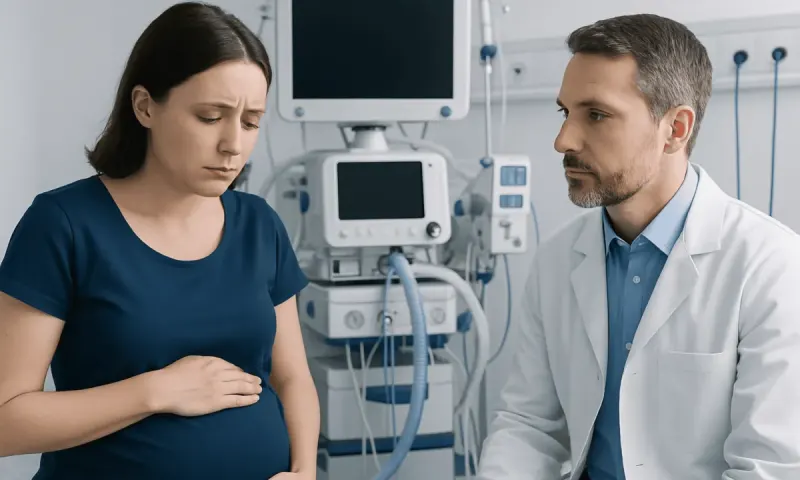
Spotting During Pregnancy: Causes and When to Seek Help

Key Takeaways
- Light spotting can happen in pregnancy for several reasons, including benign ones.
- Any bleeding in pregnancy should be reported to a qualified clinician, especially if it is heavy or painful.
- The timing of the spotting, color of the blood, and accompanying symptoms help guide evaluation.
- Diagnosis may include a medical history, pelvic exam, blood tests, and ultrasound.
- Prompt care is especially important if there is dizziness, severe pain, fever, or tissue passage.
Spotting during pregnancy is a common reason for concern, but it does not always signal a serious problem. Understanding possible causes, warning signs, and when to seek medical advice can help patients respond calmly and safely.
Overview
Spotting during pregnancy usually means a small amount of blood is seen on underwear or toilet tissue, rather than a flow that requires a pad. It can appear pink, red, or brown, and it may happen once or come and go over several days. Because pregnancy changes how the body responds to bleeding, even minor spotting can feel unsettling.
In many cases, spotting is not dangerous. Some people notice it around implantation in early pregnancy, after sexual intercourse, or after a pelvic examination. Still, bleeding in pregnancy is never something to ignore completely, because the same symptom can also appear with conditions that need medical attention.
For Myomectomy Recovery for International Patients: The Usual Travel Timeline" class="ahp-ilk">international patients arranging care from another country, it is helpful to know that pregnancy bleeding is assessed by the timing in pregnancy, the amount of blood, pain level, and other symptoms. A clinician can usually decide whether observation, testing, or urgent evaluation is the safest next step.
Symptoms
Spotting can look different from one person to another. Some notice only a few drops of blood, while others see enough to tint the toilet water or stain clothing lightly. The color may offer clues: brown blood often suggests older blood, while bright red blood may indicate more recent bleeding.
Spotting may occur alone or with other symptoms. Mild cramping can happen without danger in some pregnancies, but cramping that is strong, one-sided, or worsening deserves closer attention. Passing clots, tissue, or a sudden increase in bleeding should also be reported.
- Light bleeding seen on tissue or underwear
- Pink, red, or brown discharge
- Mild pelvic cramping
- Bleeding after intercourse or an exam
- More concerning symptoms such as dizziness, severe pain, or fainting
The overall pattern matters more than a single detail. A small amount of brown spotting with no pain is usually evaluated differently from bright red bleeding with abdominal pain.
Causes & Risk Factors

There are several possible reasons for spotting during pregnancy. In early pregnancy, implantation bleeding may occur when the fertilized egg attaches to the uterine lining. The cervix can also become more sensitive during pregnancy, so light bleeding may follow intercourse, a vaginal exam, or even straining.
Other causes may include hormonal changes, a subchorionic hematoma, cervical irritation, or infection. Later in pregnancy, spotting can sometimes be related to placenta-related concerns, cervical changes, or the onset of labor. Because the cause cannot be determined by appearance alone, medical evaluation is important when bleeding occurs.
Risk factors for more concerning bleeding may include a history of miscarriage or ectopic pregnancy, known placenta problems, pregnancy after fertility treatment, infection, trauma, or a prior cervical procedure. Even without any risk factors, however, bleeding should still be discussed with a doctor.
Diagnosis
Evaluation usually starts with a careful history. A clinician may ask when the spotting began, how much blood was seen, whether the blood was bright red or brown, and whether there is pain, dizziness, fever, or fluid leakage. The week of pregnancy is especially important because the likely causes differ by trimester.
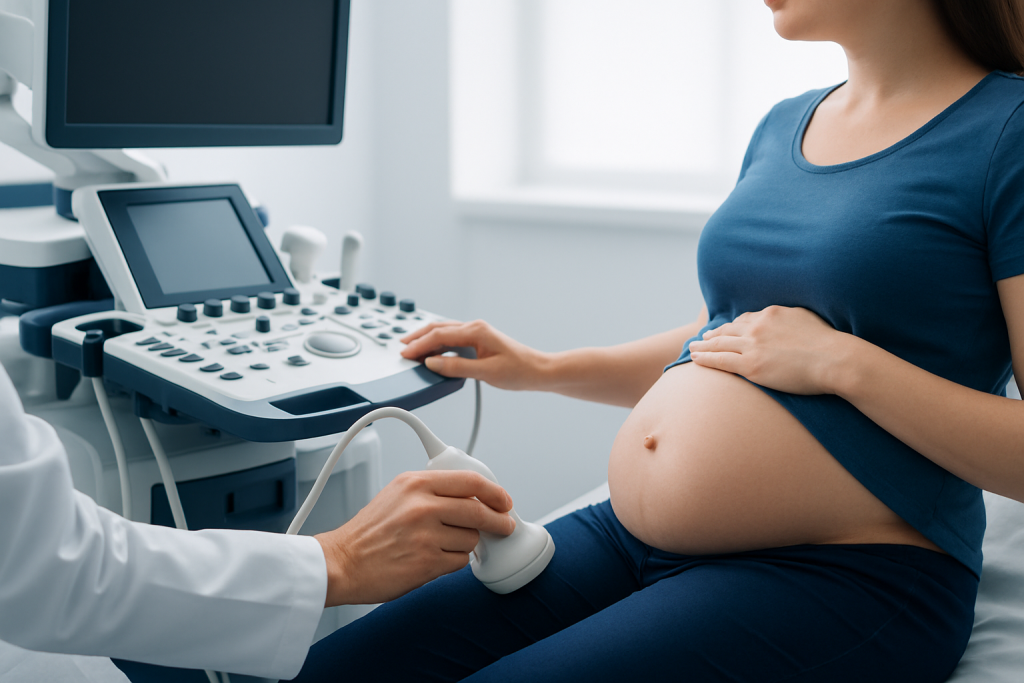
A physical examination may include checking vital signs and, when appropriate, a pelvic exam. Ultrasound is commonly used to confirm the pregnancy location, assess fetal heartbeat when visible, and look for causes such as a subchorionic bleed or placenta-related issues. Blood tests may also be ordered to check pregnancy hormone levels, blood count, or Rh status.
For someone seeking care while traveling, it can help to bring any prior pregnancy records, laboratory results, and ultrasound reports. These documents make it easier for the medical team to compare findings and choose the right follow-up plan.
Treatment Options
Treatment depends on the cause, the amount of bleeding, and how far along the pregnancy is. When spotting is mild and no concerning cause is found, a clinician may recommend observation, rest as appropriate, and follow-up monitoring. In some cases, the pregnancy simply needs time and close supervision.
If an infection is present, treatment may involve medication chosen by the clinician based on the pregnancy stage and the suspected infection. If the patient is Rh-negative, an injectable medicine may be recommended in certain bleeding situations to reduce the risk of sensitization. When bleeding is related to a pregnancy complication such as ectopic pregnancy or miscarriage, more specific treatment is required and should be guided by a doctor.
It is important not to self-treat pregnancy bleeding with over-the-counter medications or herbal products without medical advice. The safest plan is to let a qualified clinician determine whether the situation is benign, needs close follow-up, or requires urgent care.
Prevention & Self-care
Not every cause of spotting can be prevented, but some practical steps may reduce irritation and help the pregnancy stay monitored safely. Patients are often advised to keep track of the amount of bleeding, the color, and any associated symptoms. This record can be very useful when speaking with a doctor, especially if care is being coordinated across borders or time zones.
General self-care may include staying hydrated, resting when advised, and avoiding activities that clearly worsen symptoms until a clinician reviews the situation. If a doctor suggests temporary pelvic rest or changes in exercise, following those instructions closely is important. Routine prenatal visits also matter, because many issues are first identified through regular surveillance rather than by symptoms alone.
- Use pads rather than tampons if bleeding is present, unless a clinician advises otherwise
- Note whether bleeding increases after activity or intercourse
- Keep emergency contact numbers available during travel
- Bring prenatal records to every appointment
Patients should remember that self-care does not replace medical assessment. It is supportive care while the underlying cause is clarified.
When to See a Doctor
Any bleeding during pregnancy should be mentioned to a doctor, midwife, or maternity care team. Even when it turns out to be minor, a professional opinion helps rule out more serious causes and gives the patient a clear plan. Early contact is especially valuable for people who are pregnant for the first time or are receiving care in a new country.
Urgent evaluation is appropriate if spotting becomes heavy, is accompanied by severe or one-sided pain, or occurs with fainting, shoulder pain, fever, or passage of tissue. These symptoms can point to conditions that need prompt treatment. If the person feels unwell or the bleeding is increasing, emergency care is the safest option.
For international patients, coordinated evaluation can be especially reassuring because it combines imaging, laboratory testing, and obstetric review in one pathway. Acibadem Health Point’s multidisciplinary specialists and JCI-accredited hospitals diagnose and treat pregnancy-related bleeding for international patients with a patient-centered approach.
Frequently asked questions
01Is spotting during pregnancy always a problem?
Not always. Light spotting can happen for benign reasons, especially in early pregnancy or after cervical irritation. However, because the same symptom can also appear with more serious conditions, it should always be discussed with a healthcare professional.
02What does brown spotting mean in pregnancy?
Brown spotting often means the blood is older and has taken longer to leave the body. It is sometimes less concerning than bright red bleeding, but the color alone cannot determine the cause. A clinician should still be informed.
03Can spotting happen after sex during pregnancy?
Yes. The cervix becomes more sensitive during pregnancy, so minor bleeding can happen after intercourse or a pelvic examination. If the spotting is heavy, painful, or repeated, medical advice is recommended.
04When should pregnancy bleeding be treated as urgent?
Urgent care is needed if bleeding is heavy, pain is severe, or symptoms include dizziness, fainting, fever, or shoulder pain. These can be signs that need prompt assessment. If there is any doubt, it is safer to seek medical help quickly.
05Will spotting mean a miscarriage?
No, spotting does not automatically mean miscarriage. Many pregnancies continue normally after light bleeding. The best way to understand the situation is through medical evaluation, often including an ultrasound and clinical review.
06What should a patient do while waiting to be seen?
They should note the amount and color of bleeding, rest if advised, and avoid inserting anything into the vagina unless a clinician says it is safe. They should seek urgent care if symptoms worsen. Bringing prior prenatal records can help the doctor evaluate the situation more efficiently.
This article is for general information only and is not a substitute for professional medical advice. Please consult a qualified doctor about your individual situation.
Explore treatments in Turkey — costs, top hospitals & a free quote
JCI-accredited · board-certified surgeons · reply within 24h
Add us as a Preferred Source to see more of our trusted health content across Google Search, AI Overviews and Discover.