An Enlarged Spleen Is a Finding, Not a Disease in Itself

Have you been told your spleen is enlarged? Try not to panic. Splenomegaly — the medical term for an enlarged spleen — is not a disease in itself. It’s a finding, a clue. It often points to an underlying infection, liver disease, blood disorder, or another health condition that needs proper evaluation. The real question isn’t the spleen — it’s what made it grow.
What splenomegaly means
Splenomegaly is the medical term for an enlarged spleen. The spleen sits in the upper left part of the abdomen, under the rib cage, and helps filter blood, recycle old blood cells, and support the body’s immune response. When it becomes enlarged, it usually signals that the body is responding to another health problem rather than developing a problem in the spleen alone.
Forget the myths about “toxins” or vague cleansing — what matters is finding out why the spleen has grown. For some people, the enlargement is mild and turns up by chance during an exam or scan. For others, the spleen becomes large enough to cause discomfort or affect blood cell levels.
A normal spleen is usually not easy to feel on examination. An enlarged spleen may be detected when a clinician gently examines the abdomen, but imaging is often needed to confirm the finding and estimate its size. And since so many different conditions can cause it, careful evaluation matters.
Signs and symptoms of an enlarged spleen

Some people with splenomegaly have no symptoms at all. Others notice a feeling of fullness, pressure, or discomfort in the upper left abdomen. This discomfort can sometimes spread to the left shoulder or become more noticeable after meals.
One common symptom is feeling full quickly when eating. This happens because an enlarged spleen may press on the stomach, reducing the amount of food a person can comfortably eat. Fatigue may also occur, especially if the underlying cause affects red blood cells or if the enlarged spleen starts trapping blood cells more actively than usual.
Symptoms may also reflect the condition causing the splenomegaly rather than the spleen itself. For example, fever may suggest infection, jaundice may point to liver or blood-related conditions, and easy bruising or bleeding may occur if platelet levels fall.
- Fullness or pain in the upper left abdomen
- Feeling full after eating a small amount
- Pain that may spread toward the left shoulder
- Fatigue or weakness
- Fever, weight loss, or night sweats in some underlying conditions
- Easy bruising, bleeding, or frequent infections if blood cell counts are affected
Why splenomegaly happens: common causes and risk factors
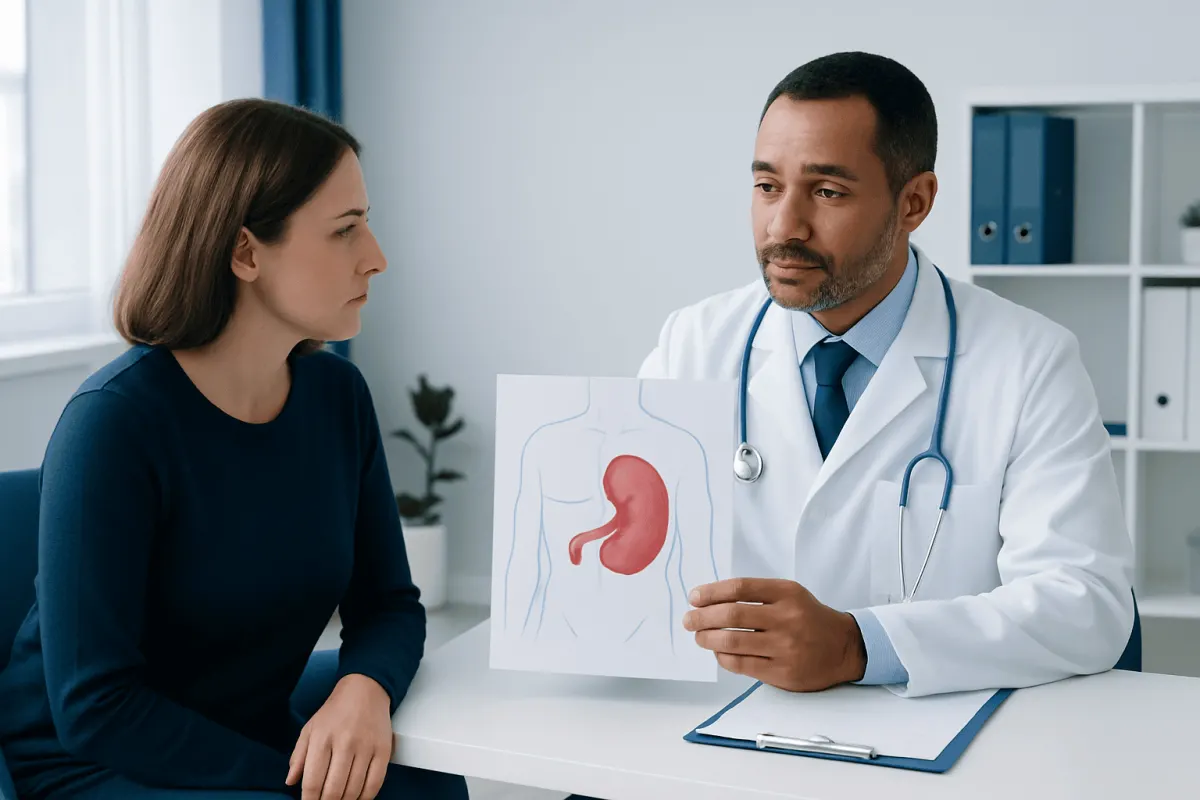
Splenomegaly has many possible causes. Infections are one major group, including viral illnesses such as infectious mononucleosis, as well as bacterial, fungal, or parasitic infections. The spleen may enlarge as part of the immune system’s response to fighting infection.
Liver disease is another important cause. Conditions that affect blood flow through the liver, especially cirrhosis and portal hypertension, can lead to congestion in the spleen and enlargement over time. Blood disorders can also cause splenomegaly, including hemolytic anemias, some inherited conditions, and certain disorders in which abnormal blood cells build up or are destroyed too quickly. In some cases, the evaluation overlaps with broader questions about anemia and other blood-related conditions.
Cancers involving the blood or lymphatic system, such as leukemia and lymphoma, may enlarge the spleen. Autoimmune and inflammatory diseases can do the same, as can storage diseases, although these are less common. Risk factors therefore depend on the underlying condition and may include chronic liver disease, exposure to infections, immune disorders, or a known blood disease.
With such a broad list of causes, don’t jump to any one diagnosis. The finding only makes sense when your doctor puts it together with your symptoms, examination, blood tests, and imaging.
How doctors diagnose splenomegaly
Diagnosis begins with medical history and physical examination. A doctor will ask about abdominal discomfort, fever, infections, weight loss, bruising, alcohol use, travel, family history, and any known liver or blood disorders. During the exam, the abdomen is checked for tenderness and organ enlargement.
Blood tests are central to evaluation. A complete blood count can show anemia, low platelets, or changes in white blood cells. Additional tests may assess liver function, inflammation, infection, or signs of red blood cell destruction. Depending on the clinical picture, testing may also look for viral infections, autoimmune conditions, or specific blood cancers.
Imaging helps confirm spleen size and identify related findings. Ultrasound is often the first test because it is widely available and avoids radiation. CT or MRI may be used when doctors need a more detailed view of the spleen, liver, lymph nodes, or blood vessels. In some cases, imaging also helps assess nearby structures if a person has abdominal pain or possible complications.
Further evaluation depends on what the initial tests show. Some people may need referral to specialists in hepatology, infectious diseases, or hematology. If blood disorders are suspected, doctors may perform more advanced studies and sometimes investigate conditions linked to leukemia or other hematologic disease.
Treatment options and what recovery depends on
There is no single treatment for splenomegaly because the enlarged spleen is usually a sign of another disorder. The main goal is to identify and treat the cause. For example, bacterial infections may require antibiotics, inflammatory or autoimmune diseases may need targeted medicines, and liver-related causes are managed by addressing the underlying liver disease and complications.
If the spleen is only mildly enlarged and the cause is temporary, doctors may recommend monitoring with repeat exams or blood tests. When blood disorders are responsible, treatment may involve specialist care and therapies directed at the condition itself. In selected cases, care may include chemotherapy or other oncology treatments if a blood cancer is diagnosed.
Sometimes an enlarged spleen becomes overactive and starts removing too many blood cells from circulation, a problem called hypersplenism. This can contribute to anemia, low white blood cells, or low platelets. Management then focuses on the underlying reason for the overactivity while also protecting the person from complications.
Surgery to remove the spleen, called splenectomy, is generally reserved for specific situations, such as severe hypersplenism, certain blood disorders, splenic rupture, or when other treatments are not effective. If surgery is on the table, your doctors will also talk you through vaccination and infection prevention, because the spleen matters for your immune defense.
Daily precautions, prevention, and self-care
Prevention depends on the underlying cause, so there is no universal way to prevent all cases of splenomegaly. Still, practical steps can lower risk in some people. These include reducing exposure to infections, managing chronic health conditions, moderating alcohol use, and seeking treatment for liver disease or blood disorders when advised.
People with an enlarged spleen are often advised to avoid activities that could cause abdominal injury, especially contact sports or situations with a risk of a blow to the left upper abdomen. This matters because a significantly enlarged spleen can be more vulnerable to rupture, which is a medical emergency.
Be honest with yourself about self-care: no detox, supplement, or diet alone has been proven to shrink an enlarged spleen. Balanced nutrition, hydration, rest, and sticking to your prescribed treatment can support recovery — but none of it replaces a proper medical assessment.
If the enlargement is related to a condition such as chronic liver disease, management may include coordinated specialist care. Depending on the cause, some patients may benefit from evaluation in services connected to liver transplant programs or other advanced care pathways, although this applies only to selected cases.
When to seek medical care
Medical review is appropriate for ongoing fullness or pain in the upper left abdomen, unexplained fatigue, fever, easy bruising, early satiety, or unexpected weight loss. Even mild symptoms deserve a check — an enlarged spleen can be the first clue to another condition that needs treatment.
Urgent care is needed for sudden severe pain in the left upper abdomen, pain after trauma, dizziness, fainting, shortness of breath, or signs of internal bleeding. These symptoms can suggest splenic injury or rupture and should not be ignored.
People who have already been told they have splenomegaly should follow their clinician’s advice about activity restrictions, follow-up blood tests, and imaging. If symptoms change or new symptoms appear, reassessment is important. Near the end of the care journey, some international patients choose centers such as Acıbadem Health Point, where multidisciplinary specialists in JCI-accredited hospitals diagnose and treat conditions associated with splenomegaly.
Frequently asked questions
01Is splenomegaly a disease or a symptom?
Splenomegaly is a clinical finding, not a disease by itself. It means the spleen is enlarged, usually because of another condition such as an infection, liver disease, or a blood disorder.
02Can splenomegaly go away on its own?
Sometimes it can, especially if it is caused by a temporary infection that resolves. However, the spleen should still be evaluated because treatment depends on the cause and some conditions need closer follow-up.
03How serious is an enlarged spleen?
The seriousness varies widely. In some people it is mild and temporary, while in others it reflects a significant underlying illness or increases the risk of complications such as low blood counts or splenic rupture.
04What foods should be avoided with splenomegaly?
There is no single splenomegaly diet. Doctors usually advise a balanced diet and may recommend limiting alcohol or following condition-specific guidance if liver disease, anemia, or another disorder is involved.
05Can exercise make splenomegaly worse?
Heavy physical activity or contact sports may increase the risk of injury if the spleen is enlarged. A doctor can advise when exercise is safe and what type of activity is best during recovery.
06Will a person always need surgery for splenomegaly?
No. Most people do not need surgery just because the spleen is enlarged. Splenectomy is usually considered only in selected situations, such as certain blood disorders, severe hypersplenism, trauma, or when other treatments are not suitable.
This article is for general information only and is not a substitute for professional medical advice. Please consult a qualified doctor about your individual situation.
Persistent digestive symptoms? Get evaluated in Turkey
JCI-accredited · board-certified surgeons · reply within 24h
Add us as a Preferred Source to see more of our trusted health content across Google Search, AI Overviews and Discover.