Spinal Surgeon: When Back or Neck Surgery Is Considered
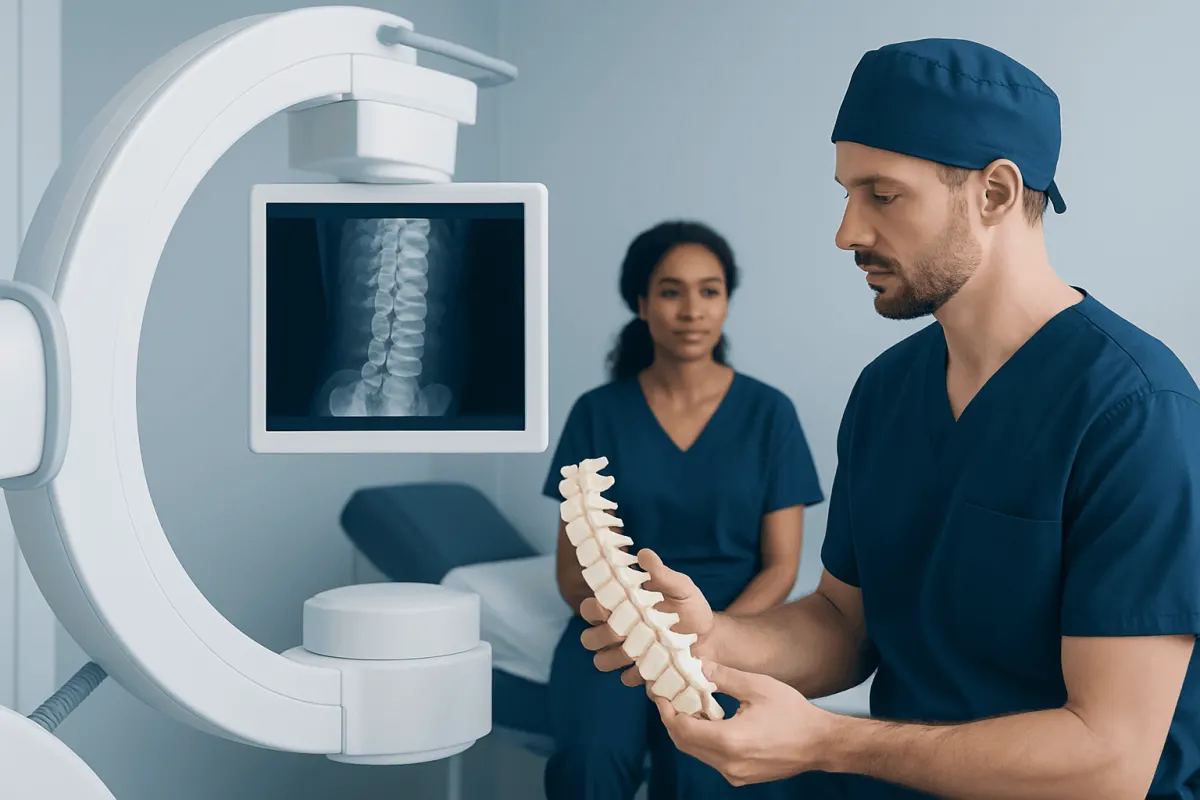
A spinal surgeon is a specialist who assesses conditions affecting the spine, nerves, discs, and spinal stability, and helps determine whether non-surgical care or an operation is appropriate. Surgery is usually considered when a clear structural problem causes persistent pain, neurological symptoms, or loss of function despite suitable conservative treatment.
Overview: what does a spinal surgeon do?
A spinal surgeon is a physician with advanced training in diagnosing and treating conditions of the spine. These specialists may come from orthopedic surgery or neurosurgery, and both can perform spine operations. Their role is not simply to operate: they review symptoms, physical findings, scans, and previous treatment to decide whether surgery is likely to offer meaningful benefit.
Many spinal problems improve with time and non-surgical care such as guided exercise, activity adjustment, medicines, injections in selected cases, and rehabilitation. A spinal surgeon may recommend an operation when pressure on a nerve or the spinal cord, spinal instability, a fracture, infection, tumor, or a persistent structural problem is clearly linked to symptoms and has not responded adequately to appropriate conservative care.
The most useful consultation is a shared decision-making discussion. The surgeon should explain the likely diagnosis, realistic goals of treatment, alternatives to surgery, expected recovery, and possible complications. For example, surgery may be more reliable for relieving leg pain caused by nerve compression than for treating long-standing back pain without a clear pain source.
Conditions a spinal surgeon commonly evaluates
Spinal surgeons assess conditions throughout the cervical, thoracic, and lumbar spine. Common reasons for referral include a herniated disc causing sciatica, spinal stenosis that narrows the spaces around nerves, degenerative spondylolisthesis, spinal deformity, compression fractures, and persistent neck or back symptoms with neurological changes.
A disc herniation may irritate or compress a nearby nerve root, causing pain, tingling, numbness, or weakness in an arm or leg. Spinal stenosis can cause leg pain, heaviness, numbness, or reduced walking tolerance, often relieved by sitting or bending forward. These symptoms may be evaluated alongside related conditions such as herniated disc disease and spinal stenosis.
Not every abnormality seen on an MRI scan is the cause of pain. Age-related disc changes and joint changes are common, including in people without symptoms. A careful surgeon matches scan findings to the person’s symptom pattern and examination rather than basing a treatment recommendation on imaging alone.
How a spinal surgeon decides whether surgery is appropriate
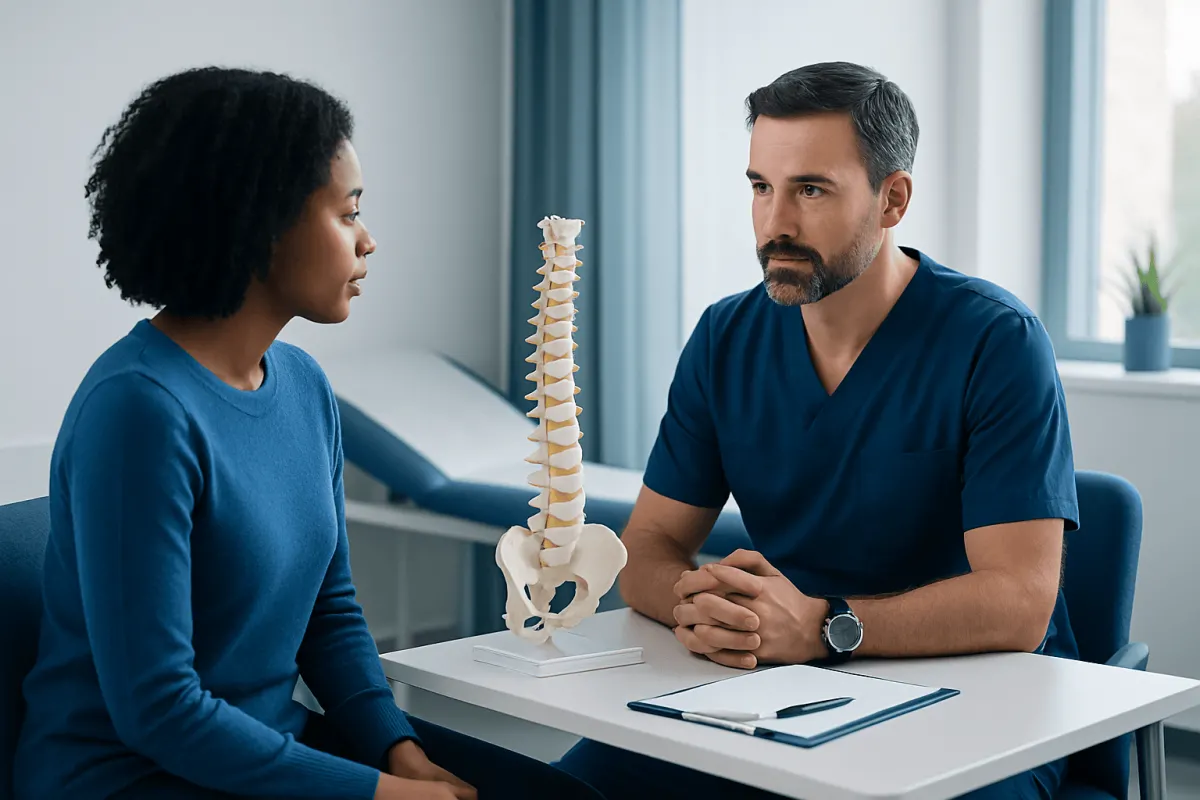
The assessment usually begins with a detailed history. Important details include where symptoms travel, whether there is numbness or weakness, what activities worsen or ease symptoms, how long symptoms have lasted, previous treatments, medical conditions, smoking status, and personal goals such as walking farther, returning to work, or improving hand function.
A physical examination may assess posture, walking, spinal movement, muscle strength, sensation, reflexes, balance, and signs of nerve irritation. Imaging may include X-rays to evaluate alignment or movement, MRI to view nerves and soft tissues, or CT when detailed bone imaging is needed. Blood tests may be used when infection, inflammation, or other medical conditions are suspected.
Candidacy for surgery depends on more than a scan result. The strongest candidates generally have symptoms that fit a treatable anatomical finding, significant impact on daily life, and goals that surgery can reasonably address. General health, bone quality, weight, diabetes management, nicotine use, medicines, emotional wellbeing, and the ability to take part in recovery also influence planning and safety.
When surgery is not clearly indicated, the surgeon may advise continued non-surgical management, referral to rehabilitation or pain specialists, further tests, or monitoring. Seeking a second opinion can be reasonable before elective surgery, particularly if a fusion or extensive reconstruction has been proposed.
Spine procedures: how they work and what happens step by step
The operation is chosen to address the diagnosed problem. A discectomy removes the portion of a disc pressing on a nerve. A laminectomy removes part of the bony arch at the back of the vertebra to create more room for nerves. Decompression may combine removal of bone, thickened ligament, or disc material. Spinal fusion joins two or more vertebrae using bone graft and implants when instability, deformity, or certain other conditions require stabilization.
Before surgery, the team reviews imaging, anesthesia needs, medicines, allergies, and preparation instructions. On the day, anesthesia is provided and the patient is positioned carefully. The surgeon makes an incision, reaches the affected spinal level using open or minimally invasive techniques when appropriate, confirms the level with imaging, and performs the planned decompression, disc removal, stabilization, or repair. The incision is then closed and the patient is monitored in recovery.
Minimally invasive approaches may reduce disruption to some tissues for selected procedures, but they are not automatically safer or better for every condition. The right approach depends on the spinal level, anatomy, degree of compression or instability, previous surgery, and the procedure’s goals. Relevant options may include spine surgery and orthopedic care.
For some people, an operation is planned after weeks or months of symptoms. In others, urgent or emergency surgery may be needed, such as severe spinal cord compression, an unstable fracture, or cauda equina syndrome. The surgical team tailors timing and technique to the clinical situation.
Benefits, risks, and recovery after spine surgery
The possible benefit of spine surgery depends on the diagnosis and procedure. Decompression procedures can relieve nerve pressure and may improve radiating arm or leg pain, walking tolerance, and weakness when nerve damage is not permanent. Fusion may improve stability and help selected patients with pain related to movement at an unstable spinal segment. Surgery cannot always eliminate every symptom, particularly if nerves have been compressed for a long time or pain has several causes.
All operations have risks. Possible spine-surgery complications include bleeding, infection, blood clots, anesthesia-related problems, spinal fluid leak, nerve injury, persistent or recurrent symptoms, incomplete bone healing after fusion, and the need for further treatment or surgery. The chance and seriousness of complications vary with the procedure, spinal level, age, overall health, smoking, prior surgery, and the complexity of the condition.
Recovery begins with pain control, safe movement, wound care, and early walking when advised. Some patients go home the same day or after a short hospital stay, while larger procedures need longer monitoring. Light activities may resume over days to weeks, but return to lifting, driving, sports, and physically demanding work should follow the individual surgeon’s instructions. Rehabilitation may focus on walking, posture, strength, flexibility, and gradual return to daily activities.
Acıbadem Health Point’s multidisciplinary specialists and JCI-accredited hospitals assess and treat spinal conditions for international patients, with care plans based on the individual diagnosis and recovery needs.
When to seek medical care
Medical assessment is appropriate for back or neck pain that persists, repeatedly limits daily activities, radiates into an arm or leg, or is accompanied by numbness, tingling, or weakness. A clinician can help identify whether symptoms are likely to improve with conservative care or whether specialist assessment is needed.
Urgent medical care is important for new difficulty controlling the bladder or bowel, numbness around the groin or inner thighs, rapidly worsening weakness, trouble walking that develops quickly, severe pain after significant trauma, fever with severe spinal pain, or back pain in a person with a history of cancer or a weakened immune system. These symptoms do not always indicate a serious problem, but they require prompt evaluation.
People preparing for elective surgery should contact their team if they develop a new illness, skin infection near the planned incision area, chest symptoms, or a medication change. After an operation, increasing redness or drainage from the wound, fever, severe uncontrolled pain, shortness of breath, new neurological symptoms, or calf swelling should be reported promptly.
What not to do after laminectomy?
After a laminectomy, patients should not resume bending, twisting, heavy lifting, high-impact exercise, or strenuous household work until their surgeon says it is safe. These movements can place stress on healing tissues and may worsen pain. Specific restrictions vary, especially when laminectomy is combined with a fusion or other stabilization procedure.
It is also important not to stay in bed for prolonged periods unless specifically instructed. Short, frequent walks and gradual activity are commonly encouraged because they support circulation, mobility, and recovery. Patients should avoid driving while taking sedating pain medicines or before they can comfortably control a vehicle and perform emergency movements.
Wound-care instructions should be followed closely. Patients should not soak the incision in a bath, pool, or hot tub until the surgical team confirms it is healed. Smoking and nicotine products should be avoided because they can impair wound healing and, particularly after fusion, bone healing.
What are the worst days after back surgery?
For many people, the first several days after back surgery are the most uncomfortable. Incision pain, stiffness, tiredness, sleep disruption, and temporary changes in appetite or bowel habits can be noticeable as anesthesia effects wear off and normal movement begins. The exact pattern varies greatly by procedure and by the person’s health, pain sensitivity, and support at home.
Some patients experience a temporary increase in nerve-related symptoms as irritated tissues settle, while others notice relief quickly. Pain should generally become more manageable over time with the prescribed recovery plan. A sudden major change, progressive weakness, fever, wound drainage, or pain that is not controlled by the agreed plan should be discussed with the surgical team.
Recovery is rarely a perfectly straight line. A gradual improvement in walking, mobility, and ability to complete daily tasks is often more meaningful than day-to-day symptom changes. Keeping follow-up appointments and communicating concerns early helps the team adjust recovery advice when needed.
How risky is spine surgery?
Spine surgery carries real risks, but the overall risk is different for each operation and individual. A straightforward single-level decompression in a healthy person is generally very different from complex surgery for a deformity, infection, fracture, or multi-level instability. The surgeon can explain the risks that apply to the planned procedure and why the anticipated benefits may or may not outweigh them.
Factors that can increase complication risk include smoking or nicotine exposure, poorly controlled diabetes, obesity, osteoporosis, heart or lung disease, blood-thinning medicines, poor nutrition, advanced age, and previous spine surgery. Some risks can be reduced before an elective operation through medical optimization, stopping nicotine, reviewing medications, improving nutrition, and planning rehabilitation.
No operation can promise complete pain relief or prevent future spinal changes. Asking about the expected benefit for the main symptom, alternatives, complication prevention, recovery restrictions, and the possibility of future treatment can help a person make an informed decision.
When is L5 S1 surgery necessary?
L5-S1 is the lowest motion segment of the lumbar spine, where the fifth lumbar vertebra meets the sacrum. Surgery at L5-S1 may be considered when a disc herniation, narrowing around a nerve, instability, spondylolisthesis, fracture, infection, or another identified problem causes symptoms that fit the imaging and examination findings.
Common examples include persistent sciatica from an L5-S1 disc herniation that has not improved with suitable non-surgical treatment, progressive weakness caused by nerve compression, or disabling symptoms from instability. A discectomy or decompression may be considered for nerve pressure; fusion may be considered when stabilization is necessary. The presence of low back pain alone does not automatically mean L5-S1 surgery will help.
Emergency assessment is required if symptoms suggest cauda equina syndrome, including new bladder or bowel dysfunction, saddle-area numbness, or rapidly progressive leg weakness. For non-emergency symptoms, a spinal surgeon considers the full clinical picture before recommending surgery at this level.
Frequently asked questions
01Should a person see an orthopedic spine surgeon or a neurosurgeon?
Both orthopedic spine surgeons and neurosurgeons can have extensive specialist training in spinal surgery. The most important considerations are the clinician’s experience with the specific condition, a careful diagnostic process, and clear communication about expected outcomes and alternatives. Patients can ask about the surgeon’s relevant training and approach to their condition.
02Will a spinal surgeon always recommend surgery?
No. Most people referred to a spinal surgeon do not necessarily need an operation. The surgeon may recommend exercise-based rehabilitation, medication review, injections in selected cases, further testing, observation, or referral to another specialist when surgery is unlikely to help.
03How long does recovery from spine surgery take?
Recovery depends on the procedure, the spinal level treated, overall health, and work or activity demands. Recovery after a small decompression may take weeks, while healing and rehabilitation after fusion or complex reconstruction can take months. The surgical team provides individualized milestones and activity guidance.
04Can spine surgery make pain worse?
Persistent pain or a change in pain can occur after spine surgery, although many people improve when the operation addresses a well-defined cause of nerve compression or instability. Risks include scar tissue, recurrent disc herniation, adjacent-level changes, or pain from another source. A thorough preoperative assessment helps set realistic expectations.
05What questions should a patient ask a spinal surgeon?
Useful questions include what diagnosis explains the symptoms, what non-surgical choices remain, what the operation is intended to improve, and what risks apply personally. It is also reasonable to ask about the recovery plan, activity restrictions, rehabilitation, and what symptoms should prompt urgent contact after surgery.
06Is a second opinion appropriate before spine surgery?
A second opinion can be helpful before elective spine surgery, especially if symptoms and scans do not clearly match or if a major fusion procedure is proposed. It can confirm the diagnosis, review alternatives, and help the patient feel confident in an informed treatment decision. Urgent neurological problems may require more immediate assessment and treatment.
This article is for general information only and is not a substitute for professional medical advice. Please consult a qualified doctor about your individual situation.
Joint and spine care in Turkey — expert assessment & treatment
JCI-accredited · board-certified surgeons · reply within 24h
Add us as a Preferred Source to see more of our trusted health content across Google Search, AI Overviews and Discover.