Spermatocele vs Varicocele: How They Differ

Spermatocele and varicocele are different, usually non-cancerous scrotal conditions: a spermatocele is a fluid-filled sac near the testicle, whereas a varicocele is a group of enlarged veins. Both can cause a feeling of fullness or discomfort, but their examination findings, potential fertility effects, and treatment decisions differ.
Spermatocele vs Varicocele: Side-by-Side Comparison
Spermatocele vs varicocele can be confusing because both may be noticed as a change in the scrotum. However, they arise from different structures. A spermatocele is a benign, fluid-filled cyst connected to the epididymis, the coiled tube behind the testicle where sperm mature. A varicocele is a widening of veins in the spermatic cord, the structure that carries blood vessels and other tissues to and from the testicle.
| Feature | Spermatocele | Varicocele |
|---|---|---|
| What it is | A fluid-filled epididymal cyst, sometimes containing sperm | Enlarged veins in the scrotum |
| Typical location | Above or behind the testicle | Usually above the testicle, more often on the left |
| How it may feel | A smooth, separate, round or oval lump | A soft, compressible “bag of worms” or fullness |
| Effect of standing | Usually little change | May become more noticeable when standing or straining |
| Common concerns | Size, discomfort, uncertainty about a lump | Heaviness, pain, testicular size changes, fertility concerns |
| Typical approach | Observation unless troublesome | Observation or treatment when symptoms or fertility concerns are present |
Neither condition can be reliably diagnosed by self-examination alone. The important first step is to have a clinician confirm the source of a new lump or swelling, particularly because some testicular conditions require different and more urgent care.
Overview: What Are Spermatoceles and Varicoceles?
A spermatocele, also called an epididymal cyst, is a sac filled with clear or milky fluid that forms in the epididymis. The precise cause is often unknown. It is not usually linked to cancer, and small spermatoceles often cause no symptoms. Some people only become aware of one during bathing, dressing, or a routine examination.
A varicocele develops when one-way valves inside the scrotal veins do not work effectively, allowing blood to pool and the veins to widen. This is similar in principle to varicose veins in the legs. Varicoceles commonly develop around puberty and may remain stable, although some gradually become more noticeable over time.
Because the left testicular vein has a different drainage pathway than the right, varicoceles are more common on the left. A sudden new right-sided varicocele, or one that remains prominent when lying down, deserves medical assessment to identify any less common underlying cause.
How to Differentiate Between Spermatocele and Varicocele?
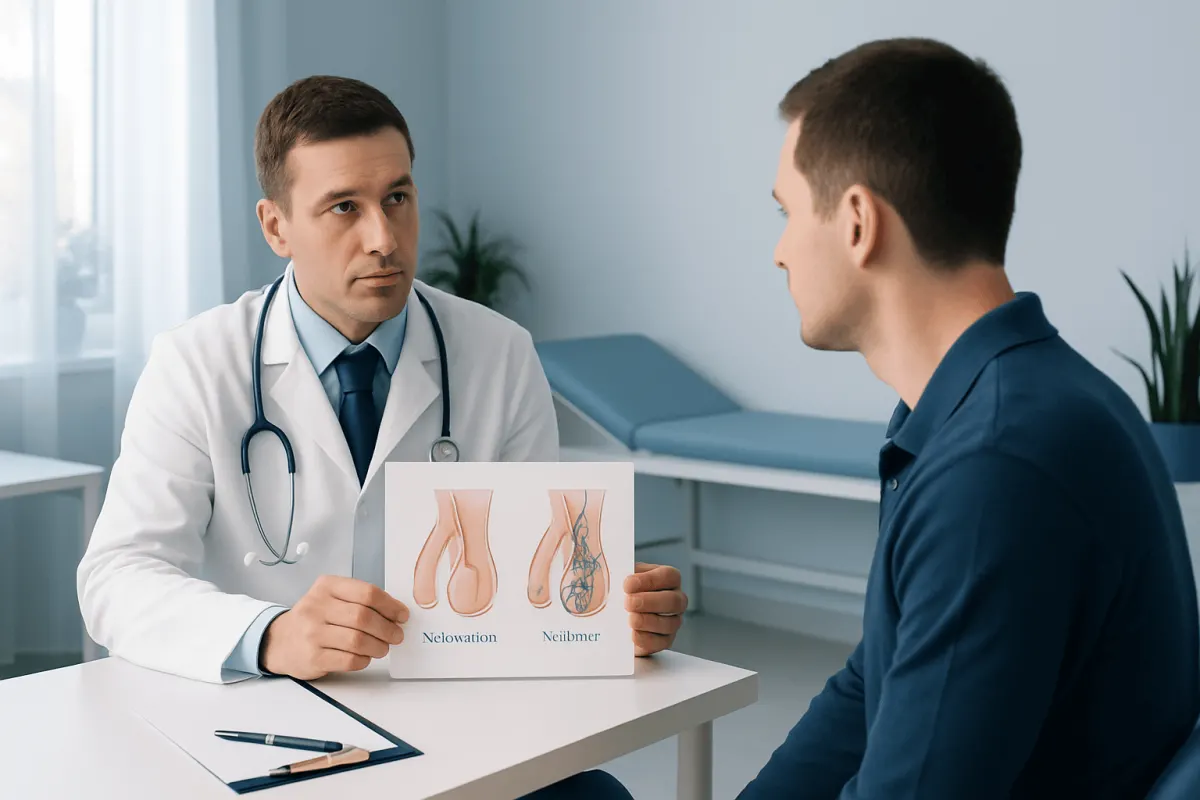
A spermatocele is more likely to feel like a distinct, smooth lump located separately from the testicle, often at its upper or back edge. It may feel firm or softly fluid-filled, but it generally does not disappear when a person lies down. It may slowly enlarge and create a sense of weight, although it is often painless.
A varicocele often feels less like one defined ball and more like a cluster of soft cords or veins. It can become more obvious while standing, coughing, exercising, or bearing down, and it may lessen when lying down. Some people describe a dull ache or dragging sensation that worsens later in the day and improves with rest.
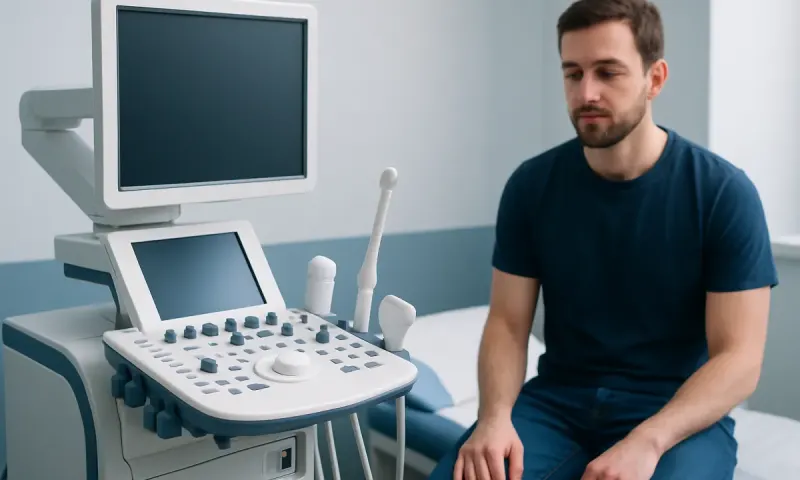
These features are useful clues but not a substitute for an examination. A clinician may examine the scrotum while the person is standing and lying down, sometimes asking them to bear down briefly. A scrotal ultrasound with Doppler imaging can show whether an area contains fluid, as with a spermatocele, or blood flow in enlarged veins, as with a varicocele.
How a Clinician Confirms the Diagnosis
Evaluation usually begins with a discussion about when the swelling was noticed, whether there is pain, whether it changes with activity or position, and whether there have been injuries, infections, fertility concerns, or prior scrotal surgery. The clinician will examine the testicles and surrounding structures carefully, often in both standing and lying positions.
Scrotal ultrasound is a painless imaging test commonly used to clarify uncertain findings. It can identify a cyst near the epididymis, assess the size and appearance of each testicle, and use Doppler technology to demonstrate blood flow and reflux in a suspected varicocele. Ultrasound is also important for excluding a testicular mass when a lump cannot confidently be identified by examination.
For someone with a varicocele who is trying to conceive, a clinician may recommend a semen analysis and, when appropriate, hormone tests. These results are interpreted alongside the couple’s wider fertility history rather than in isolation. Information about varicocele may help patients understand this condition in more detail.
How Do I Know What Grade My Varicocele Is?
Varicoceles are often described using a clinical grading system based on examination. A grade 1 varicocele is felt only when a person bears down or coughs. A grade 2 varicocele can be felt without bearing down but may not be visible. A grade 3 varicocele is large enough to be visible through the scrotal skin as well as felt during examination.
Some varicoceles are found only on ultrasound and cannot be felt on examination. These are sometimes called subclinical varicoceles. The ultrasound report may describe vein diameter and blood reflux, but an imaging finding alone does not automatically mean treatment is needed.
Grade does not fully determine symptoms, fertility impact, or whether repair is appropriate. A small varicocele can occasionally be uncomfortable, while a larger one may cause no concerns. Decisions are usually based on pain, testicular development or size, semen findings, reproductive goals, and the individual clinical picture.
What to Do for Each Condition
Most spermatoceles do not require treatment. If a confirmed spermatocele is small and painless, periodic observation and supportive underwear may be all that is needed. Surgery to remove the cyst, called spermatocelectomy, may be considered when it causes persistent discomfort, substantial enlargement, or interferes with daily life. Because surgery near the epididymis can affect sperm transport, people who may want children should discuss this risk with a urologist.
For a varicocele with mild discomfort, supportive underwear, avoiding activities that consistently provoke symptoms, and clinician-approved pain relief may be helpful. Repair may be discussed when pain persists despite conservative measures, when there is evidence of impaired testicular growth or size, or when a clinically significant varicocele is present alongside infertility and abnormal semen findings. Options may include varicocele treatment through microsurgical repair or a minimally invasive radiological procedure, depending on the situation.
Not every spermatocele or varicocele needs intervention, and treatment does not guarantee improved fertility or complete pain relief. A urologist can explain the expected benefits, limitations, and possible complications of observation or a procedure for the individual concerned.
Am I Supposed to Feel a Little Ball Lump With Varicocele?
A varicocele usually does not feel like a single, clearly defined little ball. More commonly, it feels like soft, twisting cords, a small bundle of veins, or a generalized fullness above the testicle. It may be easier to notice when standing and may reduce in size or become less noticeable when lying down.
A round lump that feels separate from the testicle is more suggestive of a spermatocele or another epididymal cyst, but only an examination and, if needed, ultrasound can determine this. A lump that feels hard, is attached to the testicle itself, or does not have a clear explanation should not be assumed to be a varicocele.
Regular self-awareness is useful, but repeated squeezing or checking can increase anxiety and tenderness. If a person notices a new change, it is reasonable to arrange a non-urgent medical review rather than trying to identify it alone.
Should I Marry if I Have Varicocele?
Having a varicocele is not a reason to avoid marriage. Many people with varicoceles have normal sexual function and conceive naturally. A varicocele is not contagious, and it does not determine a person’s ability to have a relationship or family.
If future fertility is an important concern, it can be sensible to discuss it openly with a urologist before or while trying for pregnancy. A semen analysis may be considered, especially if there is a known varicocele and a couple has been unable to conceive after an appropriate period of regular unprotected intercourse. Fertility assessment is ideally shared by both partners, as infertility may have male, female, combined, or unexplained factors.
When treatment is appropriate, it is based on clinical findings and personal reproductive goals, not marital status. Emotional concerns are also valid; clear information from a qualified clinician can help people make informed decisions without unnecessary worry.
When to Seek Medical Care
Any new scrotal lump, swelling, or persistent discomfort should be assessed by a doctor or urologist, even though many causes are benign. Timely evaluation can distinguish a spermatocele or varicocele from other conditions and provide reassurance or treatment when needed.
Urgent medical assessment is important for sudden severe testicular or scrotal pain, rapid swelling, nausea or vomiting with testicular pain, fever with scrotal redness, or a testicle that appears unusually high or rotated. These symptoms can occur with conditions that need prompt treatment, including testicular torsion or infection.
A clinician should also review a lump that is hard, enlarging, located within the testicle, or associated with unexplained weight loss or persistent symptoms. Acıbadem Health Point’s multidisciplinary specialists and JCI-accredited hospitals diagnose and treat scrotal and fertility-related conditions for international patients.
Frequently asked questions
01Can a spermatocele turn into a varicocele?
No. A spermatocele and a varicocele involve different structures and one does not transform into the other. A spermatocele is a cyst near the epididymis, while a varicocele involves enlarged veins.
02Can spermatocele or varicocele cause infertility?
Varicoceles can affect sperm production or semen quality in some people, but many people with a varicocele remain fertile. Spermatoceles rarely affect fertility unless they are very large or treatment affects the epididymis or sperm transport. A fertility evaluation should be individualized.
03Is a spermatocele painful?
Many spermatoceles are painless. Larger cysts may cause a feeling of heaviness, pressure, or mild discomfort. Sudden severe pain is not typical and should be assessed promptly.
04Does a varicocele go away when lying down?
A varicocele often becomes smaller or less noticeable when lying down because blood drains more easily from the veins. It may become more apparent while standing or straining. A varicocele that does not reduce when lying down should be evaluated by a clinician.
05Can ultrasound tell spermatocele from varicocele?
Yes, scrotal ultrasound can usually distinguish the two conditions. A spermatocele appears as a fluid-filled cyst near the epididymis, while Doppler ultrasound can show enlarged veins and abnormal blood flow associated with a varicocele.
06Do all varicoceles need surgery?
No. Many varicoceles need no treatment if they do not cause pain, testicular changes, or fertility concerns. Repair may be considered for persistent symptoms, selected fertility situations, or testicular growth concerns after assessment by a urologist.
This article is for general information only and is not a substitute for professional medical advice. Please consult a qualified doctor about your individual situation.
IVF & fertility treatment in Turkey — success rates and costs
JCI-accredited · board-certified surgeons · reply within 24h
Add us as a Preferred Source to see more of our trusted health content across Google Search, AI Overviews and Discover.