Vasectomy Clamps: How They Seal Sperm Tubes
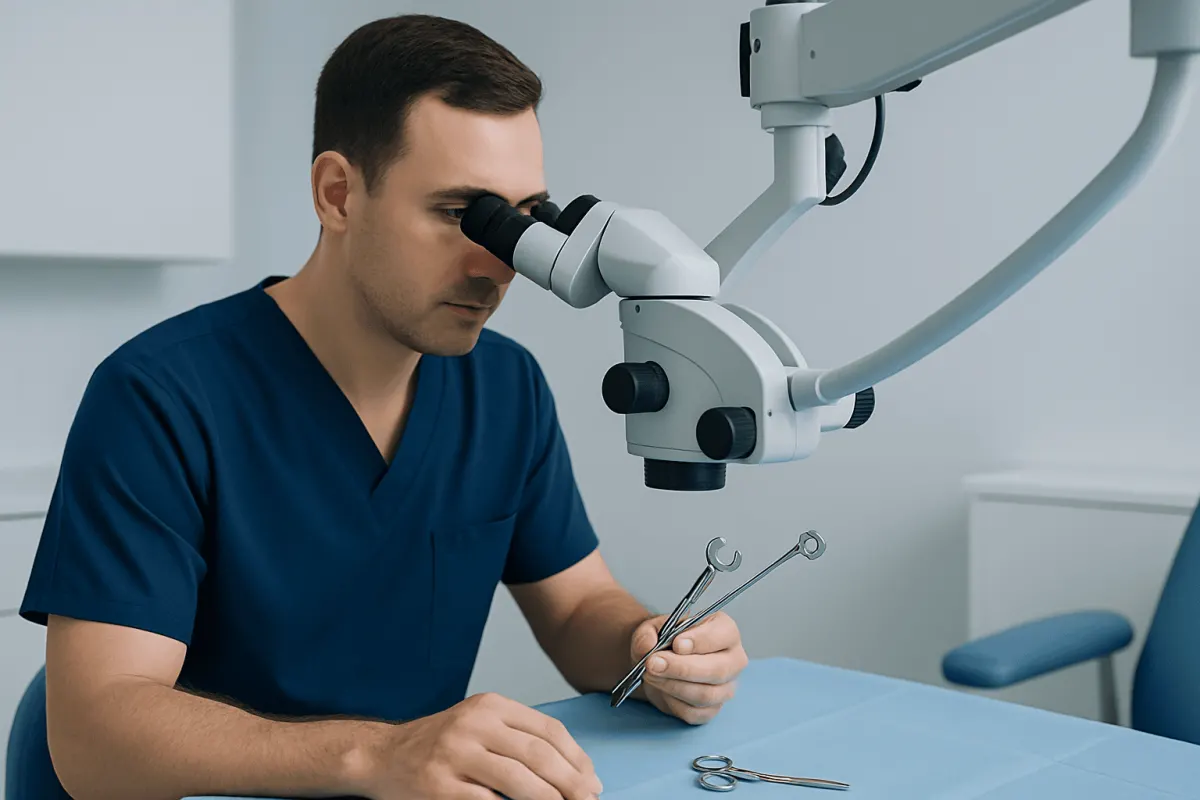
Vasectomy clamps are small surgical clips that may be used to close the vas deferens, the tubes that carry sperm, during a vasectomy. They are not used in every technique, and a clinician can explain whether clips, cautery, sutures, or another method is appropriate for an individual’s planned permanent contraception.
Overview: what are vasectomy clamps?
Vasectomy clamps are small clips that a surgeon may use during a vasectomy to help close the vas deferens, the pair of tubes that transport sperm from the testicles. In a vasectomy clamp procedure, each vas deferens is accessed through a small opening, divided or sealed, and then closed using clips, cautery (heat sealing), sutures, tissue placement between the cut ends, or a combination of these methods.
The term can be confusing because it may describe either clips left inside the body or instruments temporarily used during surgery to hold the tube. Not every vasectomy uses permanent clips. The most suitable technique depends on the surgeon’s training, the patient’s anatomy, and the clinical approach used to achieve reliable blockage of sperm.
Vasectomy is intended as permanent contraception. It prevents sperm from entering semen but does not affect the production of testosterone, urine flow, erections, ejaculation volume in a noticeable way, or the ability to have an orgasm. It also does not protect against sexually transmitted infections, so condoms may still be needed depending on a person’s circumstances.
How vasectomy clamping works and who may consider it
After a vasectomy, sperm are still produced in the testicles, but they cannot travel through the sealed vas deferens. The body gradually absorbs the sperm. Semen continues to be produced mainly by the prostate and seminal vesicles, which is why ejaculation still occurs after the procedure.
Vasectomy may be appropriate for adults who are confident that they do not want future biological children or do not want more children. It is important to view the decision as permanent, even though reversal surgery may sometimes be possible. A consultation should explore family-planning goals, the possibility of future life changes, current contraception, medical history, allergies, medications, and previous scrotal or groin surgery.
A clinician may recommend postponing the procedure if there is a skin infection in the genital area, an active urinary or sexually transmitted infection, uncontrolled bleeding risk, or another issue that needs treatment first. People who are uncertain about permanent contraception may wish to discuss reversible alternatives or sperm freezing before proceeding.
For patients considering permanent male contraception, vasectomy treatment and planning can include counseling about technique options, follow-up testing, and long-term expectations.
Step by step: the vasectomy clamp procedure

Vasectomy is usually performed as an outpatient procedure under local anesthetic. The person remains awake, but the scrotal skin and tissues are numbed. Sedation may be considered in selected situations, such as substantial anxiety or a complex clinical history, based on the treating team’s assessment.
In a conventional approach, the surgeon makes one or two small skin incisions. In a no-scalpel approach, a small puncture is made instead. The surgeon gently brings each vas deferens to the opening, separates a short section or divides the tube, and seals the ends. Vasectomy procedure clips may be placed on one or both ends of the tube in some techniques. Cautery and fascial interposition, in which surrounding tissue is positioned between the ends, may also be used to reduce the chance that the tubes reconnect.
The openings are then closed with dissolvable stitches if needed or allowed to heal naturally after a puncture technique. The procedure itself is commonly brief, although preparation and recovery time at the clinic add to the visit. Patients should arrange transport home if they receive sedating medication or if their clinician advises against driving.
A vasectomy does not produce immediate sterility. Sperm can remain beyond the point of blockage for a period of time. Another reliable contraceptive method must be used until a follow-up semen analysis confirms that sperm are absent or present only at an acceptably low non-moving level, according to the treating clinician’s instructions.
Recovery timeline, comfort and daily activities
During the first 24 to 48 hours, rest, supportive underwear, and wrapped cold packs applied intermittently can help limit swelling and discomfort. Mild bruising, tenderness, and a pulling sensation in the groin or scrotum are common. The care team will provide individualized guidance on bathing, wound care, work, exercise, and suitable pain relief.
Many people return to desk work and gentle daily activities within a few days, while physically demanding work, cycling, heavy lifting, and vigorous exercise may require a longer pause. Sexual activity and ejaculation are usually resumed only when the area feels comfortable and the clinician’s recommended recovery period has passed. Protection is still required until semen testing confirms success.
How painful is a vasectomy recovery? Recovery is usually described as manageable rather than severe. Local anesthetic limits pain during the procedure, and many people have soreness similar to a minor injury or ache for several days afterward. Pain that becomes stronger rather than gradually improving, or discomfort that interferes significantly with normal recovery, should be discussed with a doctor.
Some people notice a small firm area near the treatment site as healing occurs. This may reflect scar tissue or a sperm granuloma, a usually benign inflammatory lump caused by sperm leakage. A clinician can assess any persistent lump, new swelling, or ongoing pain rather than assuming it is part of normal healing.
Benefits, risks and long-term results
The main benefit of vasectomy is dependable, hormone-free, permanent contraception after semen clearance has been confirmed. It does not require ongoing daily action, does not alter testosterone levels, and avoids the hormonal effects associated with some other contraceptive methods. For many couples, it can simplify long-term family planning.
Potential short-term risks include bleeding under the skin, bruising, swelling, infection, and discomfort. Less commonly, a collection of blood called a hematoma, persistent pain, or inflammatory lumps can occur. Rarely, the vas deferens may reconnect, allowing sperm to return to semen. Follow-up semen testing is the practical way to confirm that the procedure has achieved its intended result.
Can you feel vasectomy clamps? Most people cannot feel internal clips after the area has healed. In the early recovery period, it may be possible to notice local tenderness, scar tissue, or a small firm spot near the vas deferens, but this does not necessarily mean the clips themselves are being felt. New, focal, or persistent pain should be evaluated by a urologist.
What happens 10 years after a vasectomy? For most people, nothing unusual happens: the vasectomy continues to provide contraception, sperm continue to be absorbed naturally by the body, and sexual function remains unchanged. Late failure is uncommon but can occur if the tubes reconnect. Anyone with concerns about a possible pregnancy after vasectomy should seek medical advice and may need semen testing.
Sexual health, libido and reversal considerations
Why am I hornier after a vasectomy? A person may feel an increase in desire or sexual confidence after vasectomy because anxiety about an unintended pregnancy is reduced and intimacy feels more spontaneous. The operation does not typically raise testosterone or directly increase libido. Changes in desire can also be influenced by relationship factors, stress, mood, sleep, health, and expectations.
Vasectomy should not reduce erection quality, orgasm, or masculine characteristics. Semen appearance and volume generally remain very similar because sperm make up only a small portion of ejaculate. If erectile difficulties, reduced desire, pain with sex, or other sexual concerns develop, they deserve a medical assessment rather than being automatically attributed to the procedure.
A vasectomy clamp reversal involves microsurgery to reconnect the vas deferens or, in selected cases, connect the vas deferens to a structure near the testicle. Reversal can be technically complex, and pregnancy is not guaranteed even when sperm return to the semen. The chances are influenced by the time since vasectomy, the original procedure, scar formation, sperm factors, and the reproductive health of both partners.
Because fertility after reversal is uncertain, people should make the initial decision with the expectation that vasectomy is permanent. For international patients, Acıbadem Health Point’s multidisciplinary specialists and JCI-accredited hospitals can assess contraception choices, vasectomy concerns, and appropriate urology care.
When to seek medical care
Contact the treating clinic promptly if there is increasing redness, warmth, swelling, pus-like drainage, fever, or worsening pain after a vasectomy. These symptoms may indicate infection or another complication that should be assessed. A rapidly enlarging scrotum, severe swelling, or significant bleeding also needs urgent medical advice.
Medical review is also appropriate for pain that persists beyond the expected healing period, a new or enlarging lump, pain during ejaculation, or symptoms that affect daily life or sexual wellbeing. Persistent scrotal pain has several possible causes, and careful evaluation helps guide treatment.
Anyone who has stopped using contraception without receiving semen-analysis clearance should contact their clinician for advice. If pregnancy occurs or is suspected after a partner’s vasectomy, the couple should seek timely medical care for pregnancy testing and discussion of whether repeat semen testing is needed.
- Seek urgent care for severe pain, rapidly increasing swelling, faintness, or heavy bleeding.
- Use backup contraception until the clinician confirms that semen testing shows vasectomy success.
- Attend all recommended follow-up appointments, even when recovery feels uncomplicated.
Frequently asked questions
01Are vasectomy clamps permanent?
If surgical clips are used to seal the vas deferens, they are generally left in place permanently. They are made from materials intended for use in the body and usually do not cause awareness or symptoms after healing. A clinician can explain the closure method planned for an individual procedure.
02Do all vasectomies use clamps or clips?
No. Surgeons use different techniques to block the vas deferens, including cautery, sutures, removal of a small segment, tissue interposition, and clips. The method used may vary by surgeon, clinical setting, and individual circumstances.
03When is a vasectomy effective?
A vasectomy is not effective immediately because sperm may remain in the reproductive tract after surgery. Backup contraception is needed until a follow-up semen analysis confirms that it is safe to stop. The timing and number of tests are determined by the treating clinician.
04Can vasectomy clips set off airport security scanners?
The small clips used in some vasectomy techniques are not generally expected to trigger airport security systems. They are much smaller than many orthopedic implants. People who have concerns about a specific implant can ask their surgeon for details.
05Can vasectomy be reversed if clips were used?
A reversal may be possible after a clipped vasectomy, but it is not guaranteed. The procedure requires specialized microsurgery, and the likelihood of sperm returning to the semen varies between individuals. Anyone considering vasectomy should treat it as permanent contraception.
06Does vasectomy affect testosterone or ejaculation?
Vasectomy does not usually affect testosterone production, erections, orgasm, or visible ejaculate volume. The testicles continue producing hormones and sperm, while the sperm are prevented from entering the semen. Changes in sexual function should be discussed with a healthcare professional.
This article is for general information only and is not a substitute for professional medical advice. Please consult a qualified doctor about your individual situation.
Explore treatments in Turkey — costs, top hospitals & a free quote
JCI-accredited · board-certified surgeons · reply within 24h
Add us as a Preferred Source to see more of our trusted health content across Google Search, AI Overviews and Discover.