Small Lumps on the Penile Head: When to Seek Care

Small lumps on the penile head are commonly harmless normal structures, such as pearly penile papules, or benign skin cysts. However, new, painful, changing, ulcerated or persistent lumps should be assessed by a qualified clinician to identify the cause and discuss whether treatment is needed.
Overview: What Small Lumps on the Penile Head May Mean
Small lumps on the penile head can have several causes, and many are not harmful. Tiny, smooth, skin-coloured bumps arranged in one or more rows around the edge of the glans are often pearly penile papules. These are a common normal anatomical variation, are not caused by poor hygiene and are not sexually transmitted.
Other possibilities include blocked skin glands or cysts, irritation, fungal or viral infections, genital warts and inflammatory skin conditions. Less commonly, a persistent abnormal lump may be associated with penile cancer. Appearance alone cannot always confirm the diagnosis, particularly when a lump is new or changing, so a doctor or urologist can provide reassurance and appropriate care.
The best approach is not to squeeze, scratch, shave over or self-treat a lump on this sensitive area. The correct treatment, if any, depends entirely on what is causing it.
Are Tiny Bumps on the Tip Normal?
Yes, tiny bumps on the tip or rim of the penis can be normal. Pearly penile papules are typically small, smooth, dome-shaped bumps that are white, cream or skin-coloured. They commonly form a symmetrical ring around the corona, the raised border where the penile head meets the shaft.
These papules are benign, non-contagious and not related to sexual activity. They do not develop into cancer and do not require removal for medical reasons. Some people mistake them for genital warts, but warts are more likely to have an irregular, rough or cauliflower-like surface and may occur in uneven clusters.
A clinician should examine any bumps that are asymmetrical, itchy, painful, fluid-filled, rough, spreading or different from the surrounding skin. An in-person assessment is especially useful if there has been a recent sexual exposure or if the person is unsure whether the bumps have changed.
Causes and Risk Factors
Benign cysts can form when a skin gland or hair follicle becomes blocked, although cysts are more common on the penile shaft than directly on the glans. They may feel like a rounded lump under the skin and are often painless unless inflamed or infected. Friction, shaving, trapped moisture and local irritation can contribute to some skin changes.
Sexually transmitted infections can cause bumps as well. Genital warts, caused by certain strains of human papillomavirus, may appear as small raised lesions that gradually multiply. Herpes may begin with painful blisters that break into sores. Other infections and inflammatory conditions can cause redness, swelling, cracks, discharge, itching or sores alongside lumps.
Risk factors for infectious causes include unprotected sexual contact, a new sexual partner or a partner with a known infection. Persistent inflammation, smoking, certain HPV infections and immune suppression can increase the risk of penile cancer, although this condition is uncommon. A medical examination is important because the same symptom can have very different explanations.
- Normal papules are generally stable, smooth and symmetrically distributed.
- Benign cysts tend to be localized and slow-growing.
- Infections may cause pain, itching, discharge, blisters, rough growths or spreading lesions.
- Persistent ulcers, bleeding areas or changing lumps require urgent assessment.
How to Get Rid of Bumps on a Penile Head?
How to get rid of bumps on a penile head depends on the diagnosis. Normal pearly penile papules do not need treatment and cannot be safely removed at home. If they are causing considerable cosmetic concern, a dermatologist or urologist may discuss a carefully selected office procedure after confirming the diagnosis.
For genital warts, clinicians may recommend prescription topical treatment, freezing treatment, minor surgical removal or other targeted methods. Cysts that are small and symptom-free are often observed. A cyst that repeatedly becomes irritated, infected or uncomfortable may be removed or drained by a clinician, but it should not be squeezed because this can cause infection, scarring and delayed healing.
Any infection should be treated according to its cause. This may involve medication, testing for sexually transmitted infections and advice about partner notification or sexual activity. A urology or dermatology assessment helps avoid unnecessary procedures and ensures that treatment is appropriate for the delicate skin of the glans.
Procedure for Benign Penile Lumps: How It Works and Who May Be Suitable
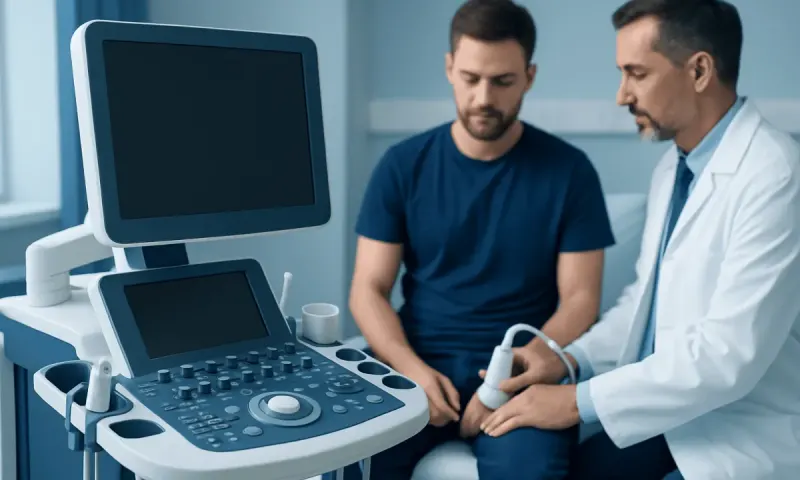
Procedural treatment is not necessary for most small lumps on the penile head. It may be considered when a doctor has confirmed a benign diagnosis and the lesion causes persistent symptoms, repeated inflammation, practical discomfort or significant distress about appearance. The specialist will first rule out an infection, a suspicious lesion or another condition that needs different care.
Before treatment, the clinician reviews medical history, medications, allergies, bleeding risk and any symptoms such as pain, discharge or recent changes. An examination is often sufficient, but a swab, urine test, blood test or biopsy may be needed when the cause is uncertain. A biopsy involves removing a very small tissue sample for laboratory examination.
Depending on the lesion, options may include cryotherapy, electrosurgery, laser treatment, curettage or small surgical excision under local anaesthetic. The choice depends on the diagnosis, number and position of lesions, skin characteristics and the person’s preferences. Procedures should be performed only by an appropriately trained healthcare professional.
Step-by-Step Procedure, Recovery Timeline and Expected Results
For a minor removal procedure, the area is cleaned and local anaesthetic is used to numb the skin. The clinician then treats or removes the confirmed lesion using the planned technique. Small excisions may require a tiny incision and occasionally dissolvable stitches. If a biopsy is needed, the sample is sent to a laboratory, and the clinician explains when results are expected.
Afterward, mild tenderness, swelling, redness or a small scab can occur. Keeping the area clean and dry as advised, wearing loose underwear and avoiding friction can support healing. The clinician may recommend avoiding sexual activity and masturbation until the treated area has healed, especially if there is an open wound, scab or stitches.
Recovery time varies with the procedure and the size and number of lesions. Superficial treatments often heal over days to a few weeks, while an excision may take longer. Benign lesions can often be removed successfully, but recurrence is possible depending on the underlying condition. For example, HPV-related warts can recur even after visible lesions have been treated.
Acıbadem Health Point’s multidisciplinary specialists and JCI-accredited hospitals can assess penile skin concerns and provide individualized urology, dermatology and sexual health care for international patients.
Benefits, Risks and Safer Self-Care
The possible benefit of a procedure is removal of a confirmed benign lesion, relief of irritation or improved comfort with appearance. It is important to have realistic expectations: treatment is not always needed, may not prevent recurrence, and does not replace testing or treatment for an infection when this is the cause.
Potential risks include pain, bleeding, infection, pigment change, scarring, altered sensitivity and incomplete removal or recurrence. These risks are generally reduced when the diagnosis is confirmed and treatment is performed by an experienced clinician. Contact the treating team if increasing redness, severe pain, fever, pus-like discharge, heavy bleeding or difficulty passing urine develops after a procedure.
Until assessment, gentle washing with water or a mild fragrance-free cleanser is usually sufficient. Avoid harsh antiseptics, perfumes, exfoliants and non-prescribed wart-removal products, which may burn genital skin. Condoms can reduce the risk of many sexually transmitted infections, although they do not eliminate all risk from skin-to-skin contact. Vaccination against HPV may be appropriate for some people and can be discussed with a healthcare professional.
When to Seek Medical Care
Arrange a medical appointment for any new lump that does not settle, or whenever there is uncertainty about its cause. A clinician can usually distinguish common benign findings from conditions that need treatment through a focused history and examination. Sexual health testing may be recommended when there is a possibility of an infection.
Seek prompt medical care if a lump is growing, hard, irregular, bleeding, ulcerated, painful, foul-smelling, associated with discharge or accompanied by swollen groin lymph nodes. Medical review is also important for a sore or skin change that does not heal, changes in colour, or new difficulty retracting the foreskin or passing urine.
Emergency assessment is appropriate for severe swelling, severe pain, inability to urinate, fever with a rapidly worsening genital infection, or an erection that is prolonged and painful. These symptoms may have causes unrelated to small lumps but should not be delayed.
Frequently asked questions
01How to get rid of bumps on a penile head?
The right treatment depends on the cause. Normal pearly penile papules do not need removal, while cysts, warts or infections may need monitoring, medication or a clinician-performed procedure. It is safest not to pop bumps or use over-the-counter wart removers on penile skin.
02How long do penile cysts last?
A small benign penile cyst may remain stable for a long time and may not disappear without treatment. Some can become less noticeable, while others persist or occasionally become inflamed. A clinician should assess a new or changing lump to confirm that it is a cyst and decide whether observation or removal is appropriate.
03What does a cancerous penile lump look like?
A cancerous penile lesion may appear as a persistent lump, thickened area, sore, ulcer, bleeding patch or skin change that does not heal. It can occur on the glans or under the foreskin and may be painless at first. These features can also occur with non-cancerous conditions, so prompt medical assessment is important rather than self-diagnosis.
04Are tiny bumps on the tip normal?
They can be normal, particularly when they are smooth, small, evenly arranged and located around the rim of the penile head. This pattern is commonly seen with pearly penile papules, which are harmless and not sexually transmitted. A doctor should check bumps that are new, painful, rough, spreading or accompanied by sores or discharge.
05Can genital warts appear on the penile head?
Yes, genital warts can occur on the penile head, shaft, foreskin or surrounding genital skin. They may be raised, irregular or rough and can occur alone or in clusters. A sexual health clinician can confirm the diagnosis and discuss suitable treatment options.
06Should a penile lump be biopsied?
Not every penile lump requires a biopsy. A biopsy may be recommended if the diagnosis is unclear, if a lesion is persistent or suspicious, or if it has not responded as expected to treatment. It is a small procedure that allows a laboratory to identify the tissue accurately.
This article is for general information only and is not a substitute for professional medical advice. Please consult a qualified doctor about your individual situation.
Hair transplant in Turkey — costs, graft counts & a free assessment
JCI-accredited · board-certified surgeons · reply within 24h
Add us as a Preferred Source to see more of our trusted health content across Google Search, AI Overviews and Discover.