Slight Bleeding After Smear Test: Purpose, Procedure and Results

Key Takeaways
- Light spotting after a smear test is usually due to minor cervical irritation and often settles quickly.
- A smear test checks for abnormal cervical cells and helps detect changes before they become serious.
- Bleeding that is heavy, persistent, or accompanied by pain, fever, or unusual discharge should be reviewed by a clinician.
- Certain factors, such as cervical inflammation, infection, or hormonal changes, can make the cervix easier to bleed.
- Most people can return to normal activities after the test, with simple self-care if mild spotting occurs.
Slight bleeding after a smear test is usually mild and short-lived, often caused by the cervix being gently touched during the procedure. This article explains why it happens, what results mean, and when follow-up care is sensible.
Overview
A slight bleeding after smear test is a common and usually short-lived experience. In many cases, the cervix is simply a little more sensitive than expected, so a few drops of blood or light spotting can appear after the sample is taken.
A smear test, also called a cervical screening test or Pap smear, is designed to look for abnormal cells on the cervix before they cause symptoms. The test itself is brief, but because the cervix has many small blood vessels, even gentle contact can sometimes lead to minor spotting.
For most people, this does not mean that anything is wrong. Still, it is useful to understand the test’s purpose, what a normal recovery looks like, and which changes deserve medical attention.
What a smear test is designed to find
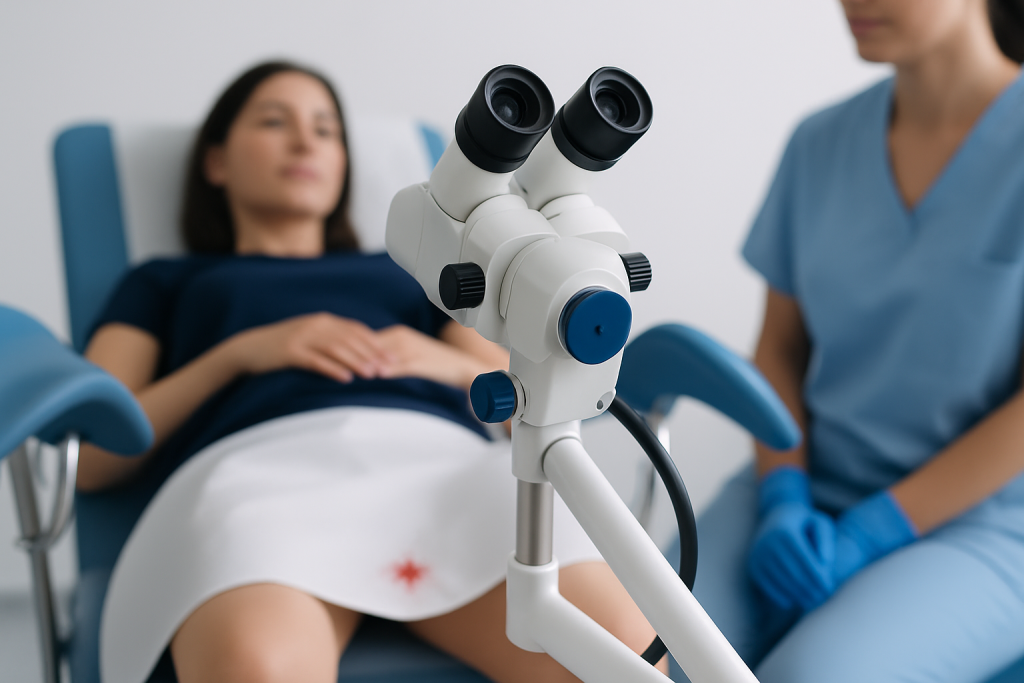
The purpose of a smear test is to collect a small sample of cells from the cervix, the lower part of the uterus that opens into the vagina. Those cells are examined for early changes that may need monitoring or treatment.
Screening is important because many cervical cell changes do not cause symptoms at first. Detecting them early gives a clinician the chance to follow up in a calm, planned way rather than waiting for problems to appear later.
Depending on the screening programme, the sample may be checked for abnormal cells alone or may also be tested for human papillomavirus (HPV), a common virus linked to cervical cell changes. The exact process can vary by country and clinic, but the goal is the same: to protect cervical health through early detection.
Why slight bleeding can happen after the procedure

A little spotting after a smear test usually happens because the swab or brush has touched the surface of the cervix. The tissue is delicate, and minor irritation can lead to a small amount of bleeding without causing any lasting harm.
Some people are more likely to notice this than others. The cervix may bleed more easily if there is inflammation, an active infection, pregnancy-related changes, hormonal shifts, or cervical ectropion, a common and benign condition in which the softer inner lining of the cervix is more exposed.
Other factors can also make spotting more noticeable, including having the test near a menstrual period, using blood-thinning medicine, or having a recent vaginal procedure. In most situations, the bleeding is light and settles on its own within a short time.
- Minor cervical irritation during sampling
- Sensitivity related to the menstrual cycle
- Cervical inflammation or infection
- Benign cervical changes, such as ectropion
- Use of medicines that affect clotting
What is normal after the test, and what is not
Normal after-effects are usually mild. A person may notice a small amount of spotting, slight cramping, or a brief feeling of discomfort after the examination, especially if the cervix was sensitive during sampling.
Bleeding should generally stay light, similar to spotting on underwear or toilet tissue. It is also reasonable for the area to feel a little tender for a short period, but this should not interfere with daily activities.
Some changes are less typical and deserve attention. Heavy bleeding, bleeding that continues for more than a day or two, strong pelvic pain, fever, or foul-smelling discharge are not expected after a routine smear test and should be discussed with a clinician.
How results are usually explained
The presence of slight bleeding after a smear test does not determine the result of the screening. The bleeding is a response to the procedure, while the result depends on what the laboratory sees in the collected cells.
Results may be reported as normal, unclear, or showing changes that need repeat testing or further assessment. If HPV testing is included, the report may also indicate whether a high-risk HPV type was found.
If follow-up is recommended, it does not automatically mean cancer is present. Many abnormal or unclear results reflect temporary cell changes, infection, or HPV-related changes that can be monitored safely over time.
Causes and risk factors that may make bleeding more likely
Although the smear test itself is the most common reason for spotting, some underlying factors can make bleeding more likely. A cervix that is already inflamed or irritated may respond more easily to even gentle contact.
In some people, bleeding is more likely around pregnancy, after recent childbirth, during menopause, or while using hormonal contraception. A history of cervical polyps, infection, or prior procedures on the cervix may also matter.
It can be helpful for the clinician performing the test to know about recent bleeding, current medication use, and any symptoms such as discharge, pain, or itching. This context helps them decide whether the spotting is likely routine or whether additional evaluation is needed.
What to expect during and after the procedure
A smear test is typically quick. A clinician gently places a speculum in the vagina to see the cervix and then uses a soft brush or spatula to collect cells. The sensation is often described as pressure rather than pain, though it can feel uncomfortable for some people.
After the test, most people can leave immediately and continue normal activities. If slight bleeding after smear test occurs, a panty liner is usually enough, and the spotting often fades without treatment.
Helpful post-test steps are simple: avoid vaginal products unless advised otherwise, note the amount and duration of bleeding, and seek guidance if the bleeding becomes heavier rather than lighter. If the test was done while traveling for care, it is sensible to keep the clinic’s contact details available in case follow-up is needed after returning home.
Prevention, self-care, and when to see a doctor
There is no guaranteed way to prevent all spotting after cervical screening, because some minor irritation can occur even with careful technique. Still, a relaxed pelvic floor, good communication with the clinician, and booking the appointment when the cervix is not especially sensitive may make the experience easier.
For mild spotting, self-care is usually straightforward. Rest is not usually required, but it may help to avoid intercourse or vaginal products for a short period if the clinician suggests it or if spotting is ongoing. Drinking fluids and watching for changes in symptoms can also be reassuring.
Medical advice should be sought if bleeding is heavy, persists, or comes with concerning symptoms. A doctor should also be contacted if the person has severe pain, dizziness, fever, or a known bleeding disorder. When screening or follow-up is being planned from another country, Acibadem Health Point’s multidisciplinary specialists and JCI-accredited hospitals can help international patients diagnose and treat cervical concerns in a coordinated way.
Frequently asked questions
01Is slight bleeding after a smear test normal?
Yes, a small amount of spotting can be normal after a smear test. It is often caused by mild irritation of the cervix during sampling and usually settles quickly.
02How long should bleeding last after a smear test?
In most cases, spotting is brief and improves within a day. If bleeding continues, becomes heavier, or does not seem to be easing, medical advice is sensible.
03Does bleeding mean the smear test result is abnormal?
No. Slight bleeding after the procedure does not tell the clinician anything about the test result itself. The result depends on the laboratory analysis of the collected cells.
04Can I have sex after a smear test if I am spotting?
Many people can return to normal activities, but it may be more comfortable to wait until spotting stops. If a clinician gave specific instructions, those should be followed.
05Should I worry if I have pain as well as bleeding?
Mild discomfort can happen, but significant pain is not typical. If pain is strong, persistent, or accompanied by heavy bleeding or fever, a doctor should review the symptoms.
06What if I have frequent bleeding after smear tests?
Repeated spotting after screening may suggest a sensitive cervix, inflammation, or another cause that deserves assessment. A clinician can check for infection, cervical changes, or other reasons and advise the next steps.
This article is for general information only and is not a substitute for professional medical advice. Please consult a qualified doctor about your individual situation.
Explore treatments in Turkey — costs, top hospitals & a free quote
JCI-accredited · board-certified surgeons · reply within 24h
Add us as a Preferred Source to see more of our trusted health content across Google Search, AI Overviews and Discover.