Sleep Apnea Surgery: When It Is Considered and How Recovery Works

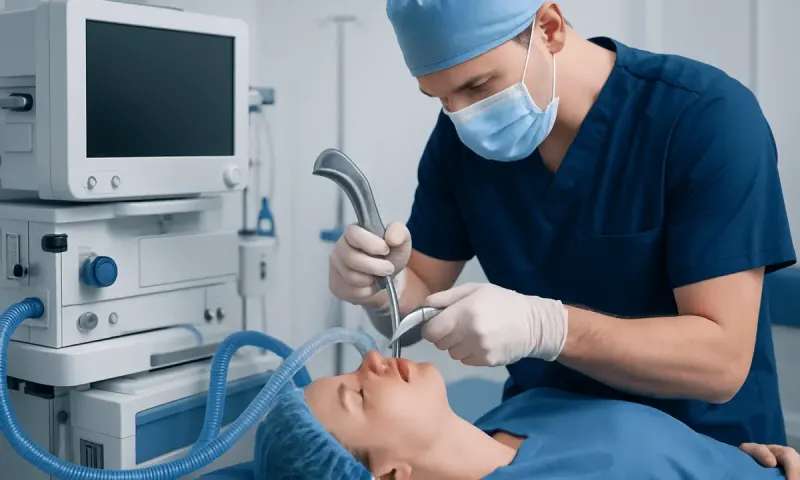
Sleep apnea surgery is usually considered when obstructive sleep apnea does not improve enough with treatments such as CPAP, weight management, or oral appliances. The right procedure depends on where the airway is narrowing, and recovery varies with the type of surgery performed.
Overview
Sleep apnea surgery refers to a group of procedures used to improve airflow during sleep. It is most often discussed for people with obstructive sleep apnea, a condition in which the upper airway repeatedly narrows or closes during sleep. This can lead to loud snoring, pauses in breathing, fragmented sleep, and daytime tiredness.
For many people, surgery is not the first treatment. Doctors usually begin with non-surgical options such as continuous positive airway pressure (CPAP), lifestyle changes, positional therapy, or an oral appliance. Surgery may be considered when these approaches are not tolerated, do not work well enough, or when there is a clear anatomic blockage that is unlikely to improve without an operation.
There is no single “sleep apnea surgery” that suits everyone. Some procedures are designed to improve nasal breathing, while others remove or reshape tissue in the throat or address tongue and jaw position. In some cases, more than one area contributes to airway collapse, so a staged or combined treatment plan may be recommended.
When surgery is considered
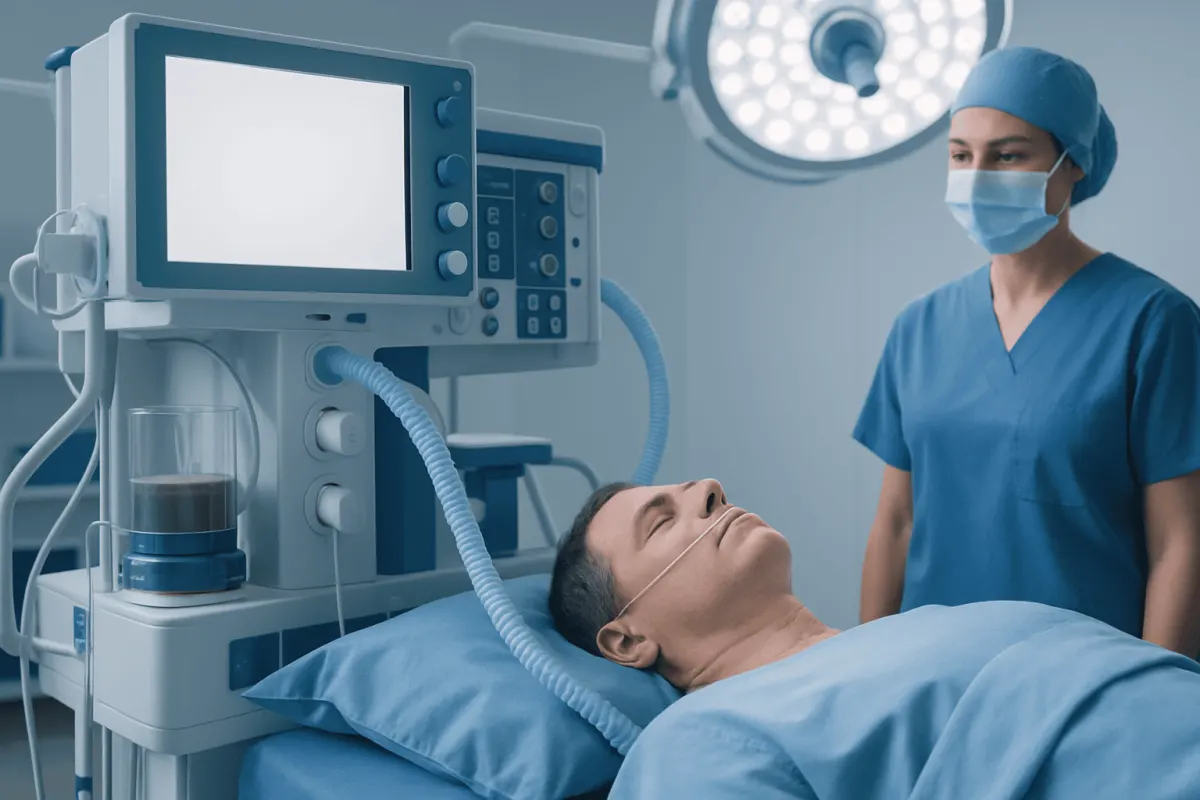
Doctors consider sleep apnea surgery after confirming the diagnosis and reviewing how severe the condition is. A sleep study is usually needed to measure breathing interruptions, oxygen levels, and sleep disruption. Surgery is more likely to be discussed when symptoms remain significant despite standard treatment, or when CPAP cannot be used consistently.
Specific situations may make surgery more appropriate. Enlarged tonsils, blocked nasal passages, a deviated septum, excess soft palate tissue, or tongue-base collapse can all contribute to airway obstruction. In children, enlarged adenoids and tonsils are a common reason surgery is considered. In adults, the decision is often more individualized and may involve multiple structures.
Surgery may also be considered when severe snoring is a major concern, especially if it occurs together with obstructive sleep apnea. However, snoring alone is not always treated with the same procedures used for sleep apnea. The main goal in sleep apnea care is not simply to reduce noise, but to improve breathing and sleep quality safely.
Before recommending an operation, specialists typically discuss expected benefits, possible limitations, and whether surgery is likely to reduce symptoms, lower apnea severity, or improve CPAP tolerance rather than fully replace other treatment.
Types of sleep apnea surgery

The type of surgery depends on where the airway is narrowed. Nasal procedures can help people breathe more easily through the nose and may improve comfort with CPAP. These may include septal reduction techniques such as submucous resection of the septum, or endoscopic sinus and nasal surgery in selected patients, especially when conditions such as nasal polyps or chronic nasal blockage contribute to poor airflow.
When enlarged adenoids or tonsils are the main problem, especially in children and some adults, surgery may involve adenoidectomy or tonsil removal. These procedures can create more space in the throat. For some people, surgery may also target the soft palate and nearby tissues to reduce collapse in the upper throat.
Other operations address the tongue base or deeper airway structures. Depending on the anatomy, doctors may consider procedures that reposition tissue, reduce tongue-base volume, or support the airway in a more stable position. In selected cases with significant facial skeletal contribution, jaw advancement surgery may be discussed with a maxillofacial team.
Some people have more than one blocking site, so multilevel surgery may be recommended. This means combining procedures in the nose, palate, and tongue region to improve airflow more effectively. A specialist may also discuss whether surgery is intended as primary treatment or as part of a broader plan that still includes CPAP or weight management.
How doctors evaluate a patient before surgery
Preoperative assessment is important because the best results come from matching the procedure to the person’s airway anatomy and sleep study findings. Evaluation often begins with a medical history, symptom review, and physical examination of the nose, mouth, throat, and neck. Doctors also ask about daytime sleepiness, headaches, witnessed breathing pauses, and any history of cardiovascular or metabolic conditions.
A sleep study confirms the diagnosis and measures severity. This may be a laboratory polysomnography or, in appropriate cases, a home sleep test. Doctors then combine these results with the airway examination to decide whether surgery is likely to help. Nasal endoscopy and imaging may be used in some patients to assess structural blockage.
In selected cases, specialists use sleep endoscopy, sometimes called drug-induced sleep endoscopy, to observe how the airway collapses during a sleep-like state. This can help identify whether obstruction occurs mainly at the nose, palate, tongue base, or multiple levels. Understanding the pattern of collapse allows a more personalized recommendation.
Doctors also review general health factors that affect safety and recovery, such as body weight, smoking, heart and lung conditions, bleeding risk, and previous surgery. For many adults, surgery works best as part of a broader treatment plan that may still include weight management, positional therapy, and ongoing follow-up for sleep apnea care.
Recovery after sleep apnea surgery
Recovery varies widely depending on the procedure. After nasal surgery, people may have congestion, mild bleeding, crusting, or pressure for several days. After throat surgery, sore throat, swallowing discomfort, changes in diet, and tiredness are common early on. More extensive surgery, especially if it involves multiple areas, usually requires a longer recovery period.
Most patients are advised to rest, stay well hydrated, and follow instructions carefully about pain control, wound care, and diet. Soft foods may be recommended after throat procedures. It is important to avoid smoking, alcohol, and strenuous activity until the surgical team says it is safe, because these can slow healing or increase irritation and bleeding risk.
Sleep quality may not improve immediately. Swelling can temporarily affect breathing, snoring, or comfort in the short term. For that reason, doctors often explain that final results may take time to judge. Some people also need temporary adjustments in CPAP use after surgery, depending on the procedure and their specialist’s advice.
Follow-up visits help monitor healing and identify any concerns such as dehydration, infection, or bleeding. In some cases, a repeat sleep study is arranged weeks or months later to see how much the apnea has improved. A good recovery plan includes realistic expectations: surgery may significantly help some people, but others still need additional treatment.
Benefits, risks, and long-term results
The potential benefits of sleep apnea surgery include better airflow, less snoring, improved sleep quality, and reduced daytime fatigue. In some people, surgery also makes CPAP easier to tolerate by relieving nasal blockage or reducing pressure needs. For children with enlarged tonsils and adenoids, surgery can be especially effective when these tissues are the main cause of obstruction.
Like any operation, sleep apnea surgery has risks. These vary by procedure but may include pain, bleeding, infection, swelling, voice changes, difficulty swallowing, persistent nasal dryness or crusting, and incomplete improvement. More extensive surgery can involve a longer healing period and a greater need for close follow-up.
Long-term results depend on several factors, including body weight, age, anatomy, severity of sleep apnea, and whether there are multiple sites of airway collapse. Some people experience lasting improvement, while others may have partial benefit or recurrence over time. That is why ongoing assessment remains important even after an apparently successful procedure.
Because obstructive sleep apnea is a complex condition, treatment is often most effective when coordinated across specialties. Near the end of the care pathway, patients may benefit from a team approach involving ENT, sleep medicine, pulmonology, and dental or maxillofacial experts. Acıbadem Health Point’s multidisciplinary specialists in JCI-accredited hospitals diagnose and treat sleep apnea for international patients when this type of coordinated evaluation is needed.
Self-care and when to see a doctor
Self-care remains important whether or not surgery is chosen. Healthy weight management, regular sleep habits, limiting alcohol near bedtime, and avoiding sedative medications unless prescribed can all help reduce airway collapse. Some people benefit from sleeping on their side rather than on their back. Keeping the nose clear and treating allergies can also improve nighttime breathing, sometimes with support from care for conditions such as allergic rhinitis.
People should speak with a doctor if they snore loudly, wake up choking or gasping, feel unusually sleepy during the day, or have witnessed pauses in breathing during sleep. Morning headaches, poor concentration, irritability, and unrefreshing sleep can also be signs that warrant evaluation. Symptoms in children may include restless sleep, mouth breathing, behavior changes, or poor school performance.
After surgery, it is important to contact the surgical team if there is heavy bleeding, dehydration, fever, worsening breathing difficulty, severe uncontrolled pain, or trouble swallowing liquids. A doctor should also be informed if symptoms return after an initial improvement, because further testing or additional treatment may be needed.
Choosing surgery is a personal decision that should be made with a qualified specialist. The most helpful question is not simply whether surgery is available, but whether a specific procedure is likely to improve the individual patient’s airway problem safely and meaningfully.
Frequently asked questions
01Is sleep apnea surgery a cure?
Sleep apnea surgery can improve breathing during sleep, but it is not a guaranteed cure for everyone. Some people have major improvement, while others still need CPAP, an oral appliance, or other treatments afterward.
02Who is a good candidate for sleep apnea surgery?
A good candidate is someone with confirmed obstructive sleep apnea and a clear anatomic cause of airway blockage, or someone who cannot tolerate standard treatment such as CPAP. Suitability depends on sleep study results, airway anatomy, overall health, and treatment goals.
03How painful is recovery after sleep apnea surgery?
Recovery discomfort depends on the type of procedure. Nasal surgery is often associated with congestion and pressure, while throat surgery commonly causes more soreness and swallowing discomfort for a period of time.
04How long does it take to recover?
Mild procedures may allow recovery within days, while more extensive throat or multilevel operations can take several weeks for full healing. The doctor usually explains when eating, exercise, travel, and work can safely resume.
05Will surgery stop snoring completely?
Surgery may reduce snoring, especially if it improves airflow through the nose or throat. However, complete elimination of snoring is not always possible, and the main medical goal is to improve breathing and sleep quality.
06Do patients still need a sleep study after surgery?
In many cases, yes. A repeat sleep study helps show whether the apnea has improved and whether additional treatment is still needed.
This article is for general information only and is not a substitute for professional medical advice. Please consult a qualified doctor about your individual situation.
Explore treatments in Turkey — costs, top hospitals & a free quote
JCI-accredited · board-certified surgeons · reply within 24h
Add us as a Preferred Source to see more of our trusted health content across Google Search, AI Overviews and Discover.