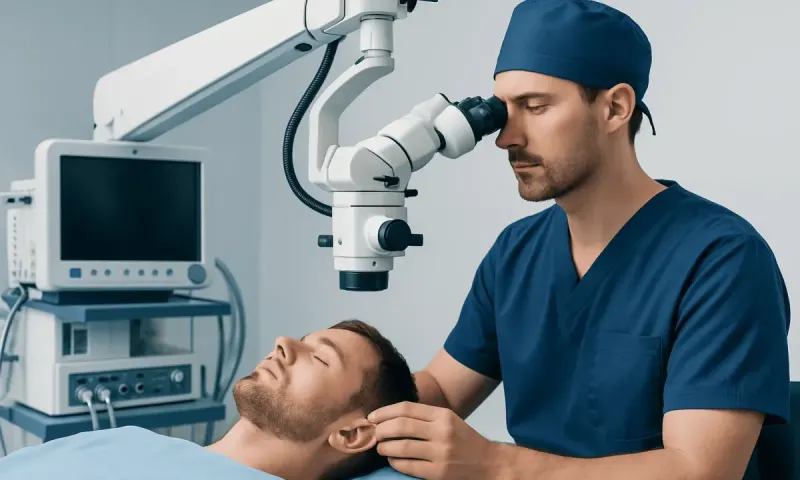
Otoplasty ear surgery Recovery: Week-by-Week Timeline

Otoplasty ear surgery recovery is usually gradual: most people return to light daily activities within several days, while swelling, tenderness and final contour changes continue to settle over the following weeks and months. Following the surgeon’s instructions for headband use, wound care, sleep position and activity restrictions helps protect the ears as they heal.
Overview: What to Expect During Otoplasty Recovery
Otoplasty ear surgery recovery commonly involves a short period of protection followed by several weeks of gradual settling. The ears may feel sore, tight, itchy or numb at first, and they can appear swollen or temporarily uneven while healing takes place. These changes are expected for many patients and usually improve progressively.
Otoplasty, sometimes called ear pinning or ear reshaping surgery, changes the position, shape or prominence of one or both outer ears. It may be performed for ears that project noticeably from the head, for asymmetry, or to address selected shape concerns. The operation does not typically affect hearing because it involves the external ear rather than the hearing structures inside the ear.
Recovery varies with the surgical technique, the extent of reshaping, a person’s age, general health and how closely aftercare guidance is followed. A surgeon can provide the most reliable individual timeline after examining the ears and explaining the planned procedure. More information about the procedure itself is available through otoplasty ear surgery.
How Otoplasty Works and Who May Be a Candidate
The outer ear is supported by flexible cartilage covered with skin. During otoplasty, a plastic surgeon may reshape or bend cartilage, use internal stitches to hold it in a less prominent position, remove a small amount of cartilage in selected cases, or combine these approaches. Incisions are often placed in the natural crease behind the ear to make scars less noticeable once healed.
Suitable candidates generally have fully developed enough ear cartilage, are in good overall health and have realistic expectations about what surgery can achieve. Children are often considered once ear growth is largely complete, while adults may choose surgery at any age if they are medically suitable. The decision is individualized and should include discussion of appearance goals, symmetry and possible limitations.
During a consultation, the surgeon reviews medical history, medications, allergies, smoking or nicotine use, previous ear operations and any tendency toward raised scars or bleeding problems. Clear communication is important: ears are naturally not identical, and surgery aims for improved balance and proportion rather than perfect symmetry.
What Happens on the Day of Surgery

Otoplasty is commonly an outpatient procedure, meaning the patient usually goes home on the same day. Depending on age, the complexity of surgery and clinical circumstances, it may be performed with local anesthesia and sedation or with general anesthesia. The care team explains fasting instructions, transport arrangements and medication guidance beforehand.
After anesthesia is given, the surgeon makes planned incisions and reshapes or repositions the cartilage as needed. Permanent or long-lasting internal sutures may be used to maintain the new contour. The incisions are then closed, and a padded dressing is placed around the head to protect the ears and limit early swelling.
It is normal to feel tired or mildly nauseated after anesthesia. A responsible adult should usually accompany the patient home and remain available during the first night, particularly after sedation or general anesthesia. The surgeon’s written aftercare instructions should take priority over general advice, as dressings and recovery plans can differ.
Otoplasty Ear Surgery Recovery: Week-by-Week Timeline
Days 1 to 3: The bulky surgical dressing is usually in place during this period. Mild to moderate discomfort, pressure, throbbing, swelling and bruising may occur. The head should be kept elevated when resting, and the dressing should remain clean and dry unless the surgical team gives different instructions. Patients should avoid touching, bending or sleeping on the ears.
Days 4 to 7: At a follow-up visit, the surgeon may remove or change the initial dressing and check the incision sites. A lighter elastic headband is often recommended, especially at night, to prevent accidental folding of the ears while sleeping. Many adults can return to desk-based work and many children can return to school when they feel comfortable, often within about one week, provided they can avoid rough activity.
Week 2: Bruising and obvious swelling often continue to improve. Stitches may dissolve on their own or be removed if non-dissolving sutures were used. The ears can remain sensitive, slightly numb or itchy, and sleeping on the back may still be advised. Hair washing and other routine care should follow the surgeon’s specific instructions.
Weeks 3 to 6: Most people feel increasingly comfortable in social and work settings. Gentle walking and other low-impact activity may be resumed when approved, but exercise that raises the risk of contact, pressure or trauma to the ears should still be avoided. The ears may look close to their new position, although residual swelling and stiffness can remain.
After 6 weeks and beyond: Many patients can gradually return to fuller exercise and sports after surgical clearance. Contact sports, ball sports, martial arts and swimming may require a longer pause or protective measures because an impact can disrupt healing. Scar appearance and ear softness continue to mature over several months, and final results should be judged only after this longer settling period.
Aftercare, Work and Return to Exercise
Careful aftercare supports uncomplicated healing. Patients are usually advised to wear the prescribed dressing or headband exactly as directed, avoid sleeping on the side, keep follow-up appointments and take only medications approved by the surgeon. Ice should not be placed directly on the skin or dressing unless the clinical team has specifically advised how to do so.
Return to work depends on the job and the patient’s comfort. People with sedentary work may return after several days to around one week, while roles involving lifting, physical exertion, dust exposure, helmets or a risk of being bumped may require more time. Children should avoid playground rough play and activities where the ears could be pulled or struck until their surgeon says it is appropriate.
Light walking is often encouraged as recovery progresses, but strenuous exercise should be reintroduced gradually. Running, weight training, swimming and contact sports require specific guidance because sweating, pressure, accidental trauma and water exposure can affect incisions or healing tissue. Nicotine products should be avoided, as nicotine can impair wound healing; patients should ask their clinician for support if stopping is difficult.
- Do not remove or adjust dressings without clinical advice.
- Choose loose, front-opening clothing to avoid catching fabric on the ears.
- Avoid eyeglasses or sunglasses that press on the incision area if the surgeon advises this.
- Protect the ears from sun exposure after healing, as scars may darken with ultraviolet light.
Benefits, Risks and Expected Results
Potential benefits of otoplasty include ears that sit closer to the head, improved contour, better balance between the ears and greater comfort with appearance. For some people, this can reduce self-consciousness related to prominent or asymmetrical ears. Results are intended to be long-lasting because the cartilage is reshaped and supported internally.
As with any operation, otoplasty has possible risks. These include bleeding or a collection of blood under the skin, infection, delayed wound healing, visible or raised scars, numbness, stitch-related irritation, asymmetry, overcorrection, undercorrection and the need for revision surgery. Rarely, changes in skin or cartilage blood supply can cause more significant healing problems.
Many complications can be managed successfully when identified early. Choosing a qualified surgeon, sharing complete health information, avoiding nicotine and following restrictions can reduce avoidable risks, although no operation can eliminate risk completely. A patient should discuss their personal risk profile and expected outcome before deciding whether surgery is right for them.
When to Seek Medical Care
Patients should contact their surgical team promptly if pain becomes severe or suddenly worsens, especially if one ear becomes much more swollen, tight or painful than the other. Other reasons to seek advice include increasing redness or warmth, fever, foul-smelling drainage, persistent bleeding, a dressing that feels excessively tight, or an incision that opens.
Urgent medical assessment is important for breathing difficulty, facial swelling, signs of a serious allergic reaction, fainting or other severe symptoms. These are uncommon, but they should not be managed at home. If the surgical team cannot be reached and symptoms are urgent, local emergency services should be used.
Routine follow-up is also an important part of recovery, even when healing seems straightforward. Acıbadem Health Point’s multidisciplinary specialists and JCI-accredited hospitals can assess and treat otoplasty concerns for international patients, including planned follow-up and recovery guidance.
Frequently asked questions
01How long does otoplasty ear surgery recovery take?
Most people recover enough for light daily routines within several days to around one week. Swelling and tenderness commonly improve over several weeks, while scars and the final softness of the ears may continue to settle for several months. The surgeon’s advice is the best guide for an individual recovery.
02When can a person return to work or school after otoplasty?
Many people return to desk work or school within about one week, as long as they feel comfortable and can protect their ears. More physically demanding work may require additional time away. A surgeon can advise based on the job, dressing needs and healing progress.
03When can someone exercise after otoplasty?
Gentle walking may be appropriate early in recovery if approved by the surgical team. Strenuous exercise and activities that risk sweating, impact or bending the ears are usually postponed until healing is more established. Contact sports often need the longest restriction and should only resume after surgical clearance.
04Is pain normal after otoplasty?
Mild to moderate discomfort, pressure and tenderness are common in the first days after surgery and usually become easier to manage over time. Pain medication should only be taken as recommended by the surgeon. Severe, increasing or one-sided pain should be reported promptly because it may need assessment.
05How long must a headband be worn after otoplasty?
Many surgeons recommend a supportive headband after the first dressing is removed, often especially during sleep. The duration varies by surgical technique and healing progress, so patients should follow their own surgeon’s instructions. The headband helps protect the ears from being folded or pulled during early recovery.
06Will the ears look uneven during recovery?
Temporary uneven swelling, bruising and stiffness can make the ears look different from one another early on. This often improves as inflammation settles and tissues adapt to their new position. Persistent or marked asymmetry should be discussed at a follow-up appointment rather than judged in the first weeks.
This article is for general information only and is not a substitute for professional medical advice. Please consult a qualified doctor about your individual situation.
Explore treatments in Turkey — costs, top hospitals & a free quote
JCI-accredited · board-certified surgeons · reply within 24h
Add us as a Preferred Source to see more of our trusted health content across Google Search, AI Overviews and Discover.