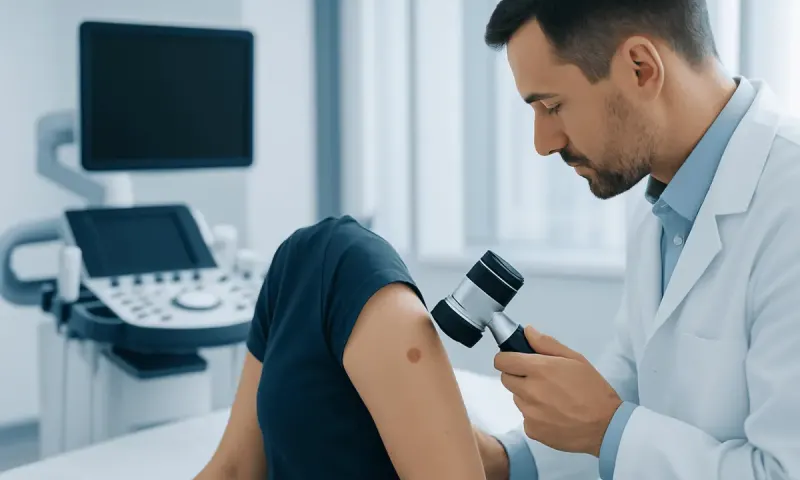
Skin Whitening for Scars: Safe Ways to Fade Color

Skin whitening for scars is usually a gradual process in which a scar’s color changes as it heals and matures; it cannot be safely rushed or guaranteed. Consistent sun protection, appropriate scar care and assessment by a dermatologist can help a scar become less noticeable over time.
Overview: What Skin Whitening for Scars Means
Skin whitening for scars generally refers to making a scar’s color less noticeable, rather than bleaching the skin. Scars often begin red, pink, purple or dark brown, then gradually fade as blood flow, inflammation and collagen activity reduce. Some scars ultimately become pale or white, while others remain darker or lighter than the surrounding skin.
There is no single treatment that safely makes every scar match the surrounding skin exactly. The best approach depends on whether the scar is new or mature, raised or indented, and darker or lighter than nearby skin. A dermatologist can distinguish scar-related pigment change from other skin conditions and recommend realistic options.
Skin whitening scars should be approached carefully. Products intended to lighten pigment may be helpful for certain dark marks after inflammation, but they do not remove scar tissue itself and may irritate healing skin if used incorrectly.
How Scar Color Changes During Healing
A wound heals through several overlapping phases. In the early weeks, increased blood flow and inflammation can make the area red, pink, purple or darker than the person’s usual skin tone. Over time, the body reorganizes collagen within the scar, a process called scar maturation.
During maturation, which can continue for a year or longer, many scars flatten and fade. However, pigment-producing cells may respond unevenly after injury. This can lead to post-inflammatory hyperpigmentation, where a scar or surrounding mark looks darker, or hypopigmentation, where it looks lighter or white.
Scar color is influenced by the original injury, infection or delayed healing, sun exposure, individual skin tone, genetic tendency, location on the body and treatments used during recovery. Raised scars, including hypertrophic scars and keloids, may stay red or darker for longer and require specialized care.
How Long Does It Take for a Scar to Whiten?

Many scars begin to fade within several months, but it commonly takes 12 to 18 months for a scar to reach its more mature appearance. Some scars may become pale or white as they mature because they have fewer pigment cells or blood vessels than the surrounding skin. This outcome is more common after deeper injuries, burns, surgery or trauma.
A white scar is not always a sign that healing is complete or that a treatment is needed. It can be a stable color difference caused by reduced pigment, and lightening creams generally cannot restore pigment to a scar that has become pale. In selected cases, dermatologists may discuss camouflage, light-based treatments, microneedling or other options depending on the scar.
It is important not to use harsh bleaching products in an attempt to make a scar whiten faster. Irritation can worsen discoloration, delay healing and make the scar more noticeable.
How Long Does It Take to Lighten Scars?
Dark scars and dark marks around healed injuries may improve gradually over months. The timeline varies considerably: superficial discoloration may fade sooner, while deeper pigment changes and scars exposed to sunlight can take longer. Some discoloration does not fade fully without treatment.
For a scar that is fully closed and healed, a dermatologist may recommend measures such as daily broad-spectrum sunscreen, silicone gel or sheets for certain scars, and carefully chosen topical treatments for excess pigment. A skin whitening cream for scars should only be used when it is appropriate for the type of discoloration and the skin is no longer open, infected or actively irritated.
Prescription or clinic-based treatments may be considered for persistent dark marks. These can include topical pigment-modifying medicines, chemical peels, microneedling or laser-based approaches. Treatment decisions should account for skin tone, because some procedures can temporarily darken or lighten the skin if not carefully selected.
How Long Does It Take for a Scar to Match Skin Color?
A scar may never match the surrounding skin color perfectly. Even when redness or dark pigment improves, differences in texture, thickness, reflectivity and pigment can remain. This is normal and does not mean the scar has failed to heal.
Newer scars are generally more responsive to treatment than long-standing scars, but mature scars can still improve. A clinician considers the scar’s color, depth, location and symptoms, as well as a person’s skin type and expectations, before recommending care. The aim is usually improvement in color, texture and comfort rather than complete scar removal.
People seeking skin whitening scar removal should be aware that cosmetic products cannot erase scar tissue. For scars that remain prominent, specialist procedures may be discussed, including scar Acne Treatment Options: Topical, Oral, and Procedure-Based Care" class="ahp-ilk">treatment options tailored to the scar’s features.
Treatment Options: How They Work and Who May Benefit
Scar treatment is individualized. Sun protection is appropriate for nearly all healing scars because ultraviolet exposure can deepen discoloration and make color changes persist. Silicone gel or silicone sheets may help flatten and soften certain raised scars when used consistently on healed skin.
For darker scars or post-inflammatory hyperpigmentation, a dermatologist may recommend topical medicines that reduce pigment production or increase skin-cell turnover. These products should be used under professional guidance, particularly on the face, in pregnancy, on sensitive areas or in people prone to irritation. Unregulated lightening products should be avoided because they may contain unsafe ingredients or cause skin damage.
Clinic procedures can address selected concerns. Chemical peels may help superficial discoloration, while microneedling or laser treatments may improve texture, redness or pigment in suitable patients. Surgical scar revision is sometimes considered for wide, contracted or poorly positioned scars. Procedures work by stimulating controlled remodeling or targeting color, but they may require more than one session and do not guarantee complete color matching.
Candidacy depends on whether the wound is fully healed, the scar’s behavior over time, current medicines, history of abnormal scarring, active acne or infection, and skin tone. A consultation with a dermatologist or plastic surgeon helps identify the safest approach.
What to Expect During Treatment and Recovery
Before a procedure, the clinician examines the scar, asks how it developed and reviews medical history, current skin products and prior treatments. Photographs may be taken to document change. The plan may begin with home care and observation, particularly for a new scar that is still naturally maturing.
For in-clinic treatment, the skin is cleansed and the selected technique is performed. Depending on the procedure, topical numbing medication, cooling or local anesthetic may be used. Laser treatment, peels and microneedling are typically outpatient procedures, while scar revision may involve a more formal surgical visit.
Recovery can include temporary redness, swelling, tenderness, peeling or darkening of the treated area. The clinician provides individualized aftercare, often including gentle cleansing, moisturizer, sun avoidance and broad-spectrum sunscreen. Picking, scrubbing or restarting strong active skincare products too soon can delay recovery.
Results develop gradually. Redness may settle over days to weeks after a procedure, while collagen remodeling and pigment changes can take several months. Follow-up allows treatment to be adjusted and helps identify side effects early.
How to Get Scars to Turn White Faster?
It is not possible to safely force a scar to turn white faster, and a white scar is not necessarily the desired outcome. The safer goal is to support healthy healing and prevent avoidable darkening or irritation. Scars naturally change at different rates, and aggressive attempts to bleach or exfoliate them can worsen uneven color.
Helpful care includes protecting the scar from sunlight with clothing and broad-spectrum sunscreen once the skin has healed, keeping the area moisturized if advised, avoiding picking or friction, and using silicone products when recommended. If a clinician has prescribed a topical treatment, it should be used exactly as directed and stopped if significant burning, rash or blistering develops.
A person should avoid home remedies such as lemon juice, abrasive scrubs, strong acids or unregulated bleaching creams. These can irritate the skin and contribute to further post-inflammatory pigmentation. Patience and professional guidance are more effective than attempting to accelerate color change.
When to Seek Medical Care
Medical assessment is advisable if a scar becomes increasingly painful, warm, swollen, drains fluid, opens, or is associated with fever. These signs can suggest infection or a wound-healing problem and should not be managed with cosmetic skin-lightening products.
A dermatologist should also assess a scar that is rapidly thickening, growing beyond the original wound, severely itchy, restricting movement, changing unexpectedly or causing significant distress. Early care can be particularly helpful for raised scars and scars on areas prone to tension, such as the chest, shoulders and joints.
For international patients, Acıbadem Health Point’s multidisciplinary specialists and JCI-accredited hospitals can assess scars and discuss appropriate dermatology or plastic surgery care. Treatment planning should always be based on the scar type, skin characteristics and individual health needs.
Frequently asked questions
01Can a scar be whitened permanently?
A scar may naturally become lighter or white as it matures, but this cannot be reliably controlled. Treatments may improve uneven pigment or texture in some cases, but complete and permanent matching to surrounding skin cannot be guaranteed. A dermatologist can explain which changes are realistic for a particular scar.
02Do skin whitening creams remove scars?
Skin whitening creams do not remove scar tissue. They may help certain dark marks caused by excess pigment when used appropriately on fully healed skin. They are generally not useful for a scar that is already white or lighter than the surrounding skin.
03When is it safe to start treating a scar?
Treatment depends on the method, but the wound should generally be fully closed and free from infection before topical scar care begins. Some interventions are started relatively early, while others are best delayed until the scar has matured. A clinician can recommend the right timing after examining the area.
04Does sunscreen help scars fade?
Yes. Sun protection can help prevent a healing scar from becoming darker and may reduce contrast with surrounding skin. Broad-spectrum sunscreen and protective clothing are especially useful for exposed scars once the skin has healed.
05Why is my scar darker than my normal skin?
Injury and inflammation can trigger increased pigment production, especially in people with medium to dark skin tones. Sun exposure, irritation and picking can make this darkening more persistent. The color often improves gradually, although some cases benefit from dermatology-guided treatment.
06Can laser treatment make a scar match my skin color?
Laser treatment may improve redness, dark pigmentation or texture in selected scars, but it cannot guarantee an exact skin-color match. The best laser type and settings depend on the scar and the person’s skin tone. A qualified clinician should assess potential benefits and pigment-related risks before treatment.
This article is for general information only and is not a substitute for professional medical advice. Please consult a qualified doctor about your individual situation.
Explore treatments in Turkey — costs, top hospitals & a free quote
JCI-accredited · board-certified surgeons · reply within 24h
Add us as a Preferred Source to see more of our trusted health content across Google Search, AI Overviews and Discover.