Skin Cancer Merkel Cell Carcinoma: Diagnosis and Care
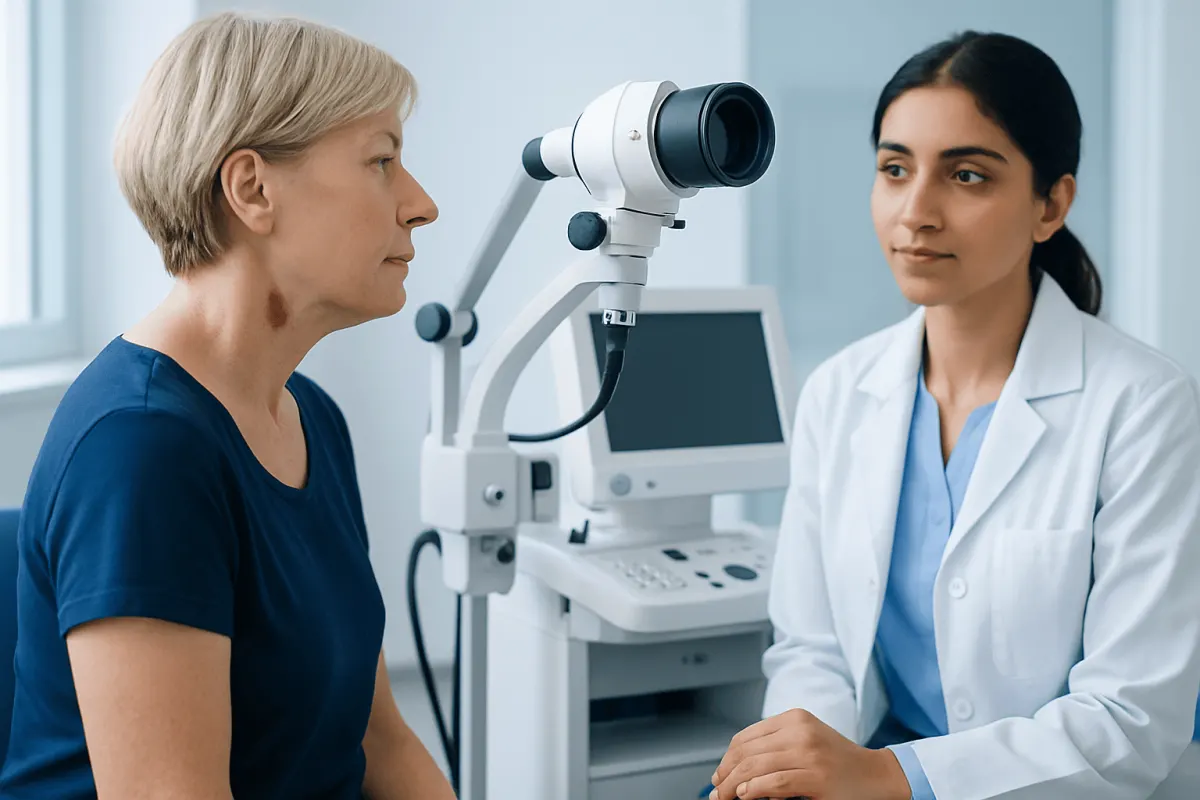
Skin cancer Merkel cell carcinoma is an uncommon but aggressive cancer that begins in the skin’s Merkel cells. Prompt assessment of a new or changing painless skin lump is important because early diagnosis and specialist-led treatment can improve disease control.
Overview: what is skin cancer Merkel cell carcinoma?
Skin cancer Merkel cell carcinoma (MCC) is a rare type of skin cancer that develops from Merkel cells, which are skin cells involved in the sense of light touch. It most often forms on sun-exposed areas such as the face, scalp, neck, arms or legs, although it can occur anywhere on the body. It typically grows more quickly than many other skin cancers and may spread to nearby lymph nodes or other organs.
MCC often first looks like a firm, painless bump that may be skin-colored, red, pink, purple or bluish. Because it can resemble a cyst, insect bite, scar or other harmless-looking skin change, it cannot be diagnosed by appearance alone. A biopsy is needed to identify the cancer and guide appropriate care.
Although Merkel cell carcinoma requires timely specialist attention, treatment has advanced substantially. Care is usually planned by a multidisciplinary team that may include dermatologists, surgical oncologists, radiation oncologists, medical oncologists, pathologists and imaging specialists.
Symptoms and risk factors
The most common sign is a new lump that grows over weeks to months. It is often painless, dome-shaped and firm. The skin over it may remain intact, but some lesions can become tender, bleed or ulcerate. Enlarged lymph nodes, such as a new lump in the neck, armpit or groin, can occasionally be the first sign that the cancer has reached regional lymph nodes.
Merkel cell carcinoma is more common in older adults and in people with fair skin or a history of substantial ultraviolet exposure. Long-term sun exposure, indoor tanning and a weakened immune system can increase risk. Immune suppression may result from certain medicines, organ transplantation, blood cancers or other medical conditions.
Many MCC tumors are associated with Merkel cell polyomavirus, a common virus that usually causes no symptoms. The virus is not considered a routine contagious cause of cancer in everyday contact. Some tumors are instead linked more strongly with ultraviolet-related skin damage. Having a risk factor does not mean a person will develop MCC, and people without obvious risk factors can still be affected.
How Merkel cell carcinoma is diagnosed and staged

A clinician will examine the skin lesion and nearby lymph-node areas. If MCC is suspected, the lesion is sampled or removed with a skin biopsy. A pathologist examines the tissue under a microscope and uses specialized laboratory tests to distinguish MCC from melanoma, lymphoma, squamous cell carcinoma and other conditions that can look similar.
Once MCC is confirmed, staging shows whether it is limited to the original site, has reached nearby lymph nodes, or has spread farther away. The assessment may include a physical examination, imaging such as CT, PET/CT or MRI, and blood tests when appropriate. The exact testing plan is individualized based on the tumor location, size, symptoms and clinical findings.
A sentinel lymph node biopsy is often considered for clinically localized MCC. This procedure identifies and tests the first lymph node or nodes likely to receive drainage from the tumor. It can detect microscopic spread that cannot be felt during an examination and can help the care team recommend surgery, radiation or systemic therapy more accurately.
Stages range from localized disease to stage 4 disease, which indicates spread to distant parts of the body. Staging is useful for planning treatment and discussing outlook, but it does not predict exactly how one individual will respond. Tumor biology, immune health, treatment response and the sites of disease all matter.
What are the treatment options for Merkel cell carcinoma?
Treatment depends on the stage, tumor location, lymph-node involvement, general health and personal priorities. For a localized tumor, surgery is commonly used to remove the cancer with a margin of normal-appearing tissue. When removing a lesion could affect appearance or function, the team carefully balances complete cancer removal with reconstructive needs and may use other treatments before or after surgery.
Radiation therapy is an important treatment for MCC because this cancer is often sensitive to radiation. It may be recommended after surgery to reduce the likelihood of local or regional recurrence, particularly for higher-risk tumors. Radiation may also be used as the main local treatment when surgery is not suitable, or to relieve symptoms from cancer in a specific area.
Immunotherapy has become a central systemic treatment for advanced MCC and may be considered in selected earlier-stage situations through specialist assessment or clinical trials. Immune checkpoint inhibitors help the immune system recognize and attack cancer cells. Chemotherapy is used less often than in the past but may still be considered in certain circumstances, such as when immunotherapy is unsuitable or a rapid response is needed.
Some people may be offered a clinical trial, which can provide access to carefully studied approaches while helping improve future care. Treatment decisions should be made with an oncology team experienced in rare skin cancers. Acıbadem Health Point’s multidisciplinary specialists at JCI-accredited hospitals diagnose and treat Merkel cell carcinoma for international patients.
What is the prognosis for Merkel cell carcinoma?
The prognosis for Merkel cell carcinoma varies widely. In general, outcomes are more favorable when the cancer is found before it has spread beyond the original skin site. Involvement of regional lymph nodes or distant organs can make the condition more complex, but these stages can still be treated and may respond well to modern therapies, especially immunotherapy in appropriate patients.
Doctors consider several factors when discussing outlook: the stage at diagnosis, whether lymph nodes are involved, the location and size of the primary tumor, immune system function, surgical and radiation options, and response to treatment. No single feature can determine an individual outcome. Published survival figures describe groups of people treated in the past and cannot reliably predict one person’s experience today.
Follow-up is essential after treatment because MCC can recur, most commonly within the first few years. Follow-up visits typically include skin and lymph-node examinations, with imaging for people whose stage or symptoms make it appropriate. Patients should report new skin lumps, swollen nodes, unexplained pain, persistent cough, neurological symptoms or other concerning changes rather than waiting for the next scheduled appointment.
Is Merkel cell carcinoma metastatic?
Merkel cell carcinoma can be metastatic, meaning that cancer cells have spread from the original skin tumor to other parts of the body. However, not every MCC is metastatic at diagnosis. Some tumors remain localized to the skin, while others spread first to nearby lymph nodes.
When MCC spreads beyond regional lymph nodes, it may involve organs such as the lungs, liver, bones, brain or more distant areas of skin. Imaging tests are used to look for spread, but the particular tests and timing depend on each person’s stage and symptoms. A new symptom does not automatically mean metastasis; it should be evaluated in context by the treating team.
Even when metastatic disease is present, there are meaningful cancer Treatment Options: Surgery, Chemo, Radiation & Beyond" class="ahp-ilk">treatment options. Systemic therapy, particularly immunotherapy when appropriate, can shrink or stabilize disease for some people. Radiation may be used for focused control of individual deposits or symptom relief, while supportive care addresses pain, fatigue, nutrition and emotional wellbeing alongside cancer treatment.
What happens when Merkel cell carcinoma is stage 4?
Stage 4 Merkel cell carcinoma means the cancer has spread to distant lymph nodes, organs or tissues rather than remaining confined to the original site and nearby lymph nodes. This is also called distant metastatic MCC. The diagnosis can feel overwhelming, but the treatment plan is individualized and aims to control the cancer, manage symptoms and maintain quality of life.
Immunotherapy is often the preferred first systemic treatment when a person is medically able to receive it. The oncology team monitors response with examinations and imaging and also watches for immune-related side effects, which can affect normal organs and should be reported promptly. Other options may include radiation to selected areas, chemotherapy in specific situations, surgery for carefully chosen problems and clinical trials.
Palliative and supportive care can be introduced at any stage and does not mean cancer-directed treatment has stopped. It focuses on relief of symptoms, practical support and goals that matter to the person and family. Early involvement can help people manage treatment effects and make informed choices throughout care.
When to seek medical care and protect the skin
A person should arrange medical assessment for a new, firm, painless lump that grows quickly, particularly on sun-exposed skin. Medical care is also appropriate for a changing mole or spot, a sore that does not heal, unexplained bleeding from a skin lesion, or a new persistent swollen lymph node. Most skin lumps are not Merkel cell carcinoma, but a prompt examination is the safest way to clarify the cause.
People previously treated for MCC should contact their care team promptly if they notice a new skin nodule, a growing lump near a scar or lymph-node region, or persistent new symptoms. Ongoing scheduled follow-up should not be replaced by self-examination, but becoming familiar with one’s skin can help identify changes between appointments.
There is no guaranteed way to prevent MCC. Practical measures include seeking shade when ultraviolet exposure is intense, wearing protective clothing and a broad-brimmed hat, using broad-spectrum sunscreen as directed, avoiding tanning beds and having regular skin checks when recommended. These habits also lower the risk of other ultraviolet-related skin cancers.
Frequently asked questions
01What does Merkel cell carcinoma look like?
Merkel cell carcinoma often appears as a rapidly enlarging, firm, painless bump. It may be skin-colored, red, pink, purple or blue and commonly occurs on sun-exposed skin. A lesion cannot be diagnosed by appearance alone, so a changing or growing lump should be examined by a clinician.
02How quickly does Merkel cell carcinoma grow?
MCC can grow over weeks to months, which is faster than many common skin cancers. Growth speed alone does not establish a diagnosis, because benign lesions and other cancers can also change. A biopsy is required to confirm Merkel cell carcinoma.
03What are the treatment options for Merkel cell carcinoma?
Treatment may include surgery, radiation therapy, immunotherapy and, in selected circumstances, chemotherapy or a clinical trial. Localized disease is often treated with surgery and may also receive radiation, while advanced disease commonly requires systemic treatment. The best approach depends on stage, location, lymph-node status and overall health.
04What is the prognosis for Merkel cell carcinoma?
Prognosis is generally better when MCC is diagnosed before it spreads to lymph nodes or distant organs. Individual outlook depends on stage, tumor features, immune health and response to treatment. A specialist can explain how these factors apply to a particular person without relying only on general statistics.
05What happens when Merkel cell carcinoma is stage 4?
Stage 4 MCC has spread to distant parts of the body. Treatment often focuses on systemic therapy, particularly immunotherapy when suitable, with radiation or other treatments used for specific areas or symptoms. Supportive and palliative care can be provided alongside active cancer treatment to improve comfort and quality of life.
06Is Merkel cell carcinoma metastatic?
Merkel cell carcinoma can become metastatic, but it is not metastatic in every person. It may stay in the skin, spread to nearby lymph nodes, or travel to distant organs. Staging tests help determine whether spread is present and guide treatment planning.
This article is for general information only and is not a substitute for professional medical advice. Please consult a qualified doctor about your individual situation.
Hair transplant in Turkey — costs, graft counts & a free assessment
JCI-accredited · board-certified surgeons · reply within 24h
Add us as a Preferred Source to see more of our trusted health content across Google Search, AI Overviews and Discover.